levetiracetam
Immediate-release levetiracetam is a seizure medication for adults and children. It's known as the brand names Keppra and Roweepra, and it also has a generic version. This medication comes as a tablet and liquid that's taken twice each day. The dosage depends on your age, weight, and the type of seizure you have. Levetiracetam (Keppra) doesn't have any known interactions with food or medications. Common side effects include weakness, sleepiness, and headache.


What is Levetiracetam (Keppra)?
What is Levetiracetam (Keppra) used for?
- Focal aware (partial-onset) seizures in people ages 1 month and older
- Add-on treatment for myoclonic seizures from juvenile myoclonic epilepsy in people ages 12 years and older
- Add-on treatment for generalized tonic-clonic seizures in people ages 6 years and older
How Levetiracetam (Keppra) works
Levetiracetam (Keppra) is an antiepileptic (also called an anti-seizure medication). It's not fully known how this medication works. But it's thought to stop nerve cells in the brain from releasing certain chemicals. This helps calm your brain activity and prevent seizures.
Drug facts
More on Levetiracetam (Keppra) essentials


Side effects of Levetiracetam (Keppra)
The following side effects may get better over time as your body gets used to the medication. Let your healthcare provider know immediately if you continue to experience these symptoms or if they worsen over time.
Common Side Effects
Side effects were reported by people with focal aware seizures taking levetiracetam (Keppra) with other seizure medications. Side effects might differ for other seizure types.
Adults:
- Weakness (15%)
- Sleepiness (15%)
- Headache (14%)
- Infection (13%)
- Dizziness (9%)
Children:
- Headache (19%)
- Common cold symptoms (15%)
- Vomiting (15%)
- Sleepiness (13%)
- Tiredness (11%)
- Being aggressive (10%)
- Cough (9%)
- Stuffy nose (9%)
- Upper stomach pain (9%)
- Lower appetite (8%)
Less Common Side Effects
- Low appetite
- Depression
- Nervousness
- Anxiety
- Other changes in mood or behavior
Levetiracetam (Keppra) serious side effects
Contact your healthcare provider immediately if you experience any of the following.
- Unusual changes in mood, thoughts, or behavior
- Thoughts of hurting yourself or suicide
- Serious allergic reaction: hives; severe rash; trouble breathing; swelling of the face, mouth, lips, or throat
- Serious skin reaction: painful blisters, skin reddening, or skin peeling; with or without sore throat, fever, tiredness, or rash
- Low blood cell counts: severe weakness, fever, getting sick more often, bleeding or bruising more easily
More on Levetiracetam (Keppra) side effects

The following Levetiracetam (Keppra) side effects have also been reported
Along with its needed effects, a medicine may cause some unwanted effects. Although not all of these side effects may occur, if they do occur they may need medical attention.
Check with your doctor immediately if any of the following side effects occur:
More common
Aggressive or angry
change in personality
chills
crying
deep or fast breathing with dizziness
delusions of persecution, mistrust, suspiciousness, or combativeness
false or unusual sense of well-being
feeling of unreality
general feeling of discomfort or illness
headache
hoarseness
irregular heartbeat
irritability
joint pain
loss of appetite
lower back or side pain
mental depression
muscle aches and pains
numbness of the feet, hands, and around the mouth
painful or difficult urination
quick to react or overreact emotionally
rapidly changing moods
restlessness
sense of detachment from self or body
shaking
shivering
sleepiness or unusual drowsiness
stuffy or runny nose
sweating
trouble sleeping
unusual tiredness or weakness
vomiting
Less common
Bloody nose
burning, crawling, itching, numbness, prickling, "pins and needles", or tingling feelings
clumsiness or unsteadiness
discouragement
dizziness or lightheadedness
double vision
feeling of constant movement of self or surroundings
feeling sad or empty
increase in body movements
loss of bladder control
loss of memory
mood or mental changes
outburst of anger
pain or tenderness around the eyes and cheekbones
problems with memory
redness or swelling in the ear
seizures
sensation of spinning
shakiness and unsteady walk
shakiness in the legs, arms, hands, or feet
tightness of the chest
trembling or shaking of the hands or feet
trouble concentrating
unsteadiness, trembling, or other problems with muscle control or coordination
Incidence not known
Attempts at killing oneself
being forgetful
bleeding gums
blistering, peeling, or loosening of the skin
blood in the urine or stools
bloody, black, or tarry stools
blurred vision
changes in vision
coma
confusion
dark urine
difficulty with moving
fast heartbeat
fever with or without chills
general feeling of tiredness or weakness
high fever
increased thirst
indigestion
large, hive-like swelling on the face, eyelids, lips, tongue, throat, hands, legs, feet, or sex organs
light-colored stools
muscle pains or stiffness
pains in the stomach, side, or abdomen, possibly radiating to the back
pale skin
pinpoint red spots on the skin
red skin lesions, often with a purple center
red, irritated eyes
skin rash, encrusted, scaly, and oozing
sores, ulcers, or white spots on the lips or in the mouth
stomach pain, continuing
swelling of the face, ankles, or hands
swollen glands
swollen joints
thoughts or attempts at killing oneself
trouble with balance
twitching, twisting, or uncontrolled repetitive movements of the tongue, lips, face, arms, or legs
uncontrolled jerking or twisting movements of the hands, arms, or legs
uncontrolled movements of the lips, tongue, or cheeks
unexplained bleeding or bruising
unusual bleeding or bruising
upper right abdominal or stomach pain
yellow eyes or skin
Some side effects may occur that usually do not need medical attention. These side effects may go away during treatment as your body adjusts to the medicine. Also, your health care professional may be able to tell you about ways to prevent or reduce some of these side effects. Check with your health care professional if any of the following side effects continue or are bothersome or if you have any questions about them:
More common
Loss of strength or energy
muscle pain or weakness
tender, swollen glands in the neck
trouble swallowing
unusual weak feeling
voice changes
Less common
Body aches or pain
burning, dry, or itching eyes
change in the color of the skin
congestion
cough increased
Incidence not known
Hair loss or thinning of the hair
Other side effects not listed may also occur in some patients. If you notice any other effects, check with your healthcare professional.
Call your doctor for medical advice about side effects. You may report side effects to the FDA at 1-800-FDA-1088.

Get your GoodRx coupon

Pros and cons of Levetiracetam (Keppra)
Pros
- Available as tablets and a liquid (liquid recommended for children weighing 44 lbs or less)
- Taken by mouth with or without food
- Usually tolerated well
Cons
- Need to take twice per day
- Might cause changes in behavior or mood
- Might not be the best option if you have a history of mental health problems (e.g., depression, schizophrenia, bipolar disorder)

Pharmacist tips for Levetiracetam (Keppra)

- You can take levetiracetam (Keppra) with or without food. But if it upsets your stomach, try taking it with food next time to help.
- For the tablets: Don't crush, cut, or chew the tablet form of levetiracetam (Keppra). If you or your child has trouble swallowing the tablet whole, ask the prescriber about other options. They might suggest using the liquid or dissolvable tablet form of the medication instead.
- For the liquid: Use an oral syringe or medication dosing cup to measure out the levetiracetam (Keppra) dose. Ask your pharmacy if you need extras. Don't use household spoons because they aren't accurate and using them might cause you to take the wrong dose. Store the liquid at room temperature in the original bottle from the pharmacy.
- Levetiracetam (Keppra) can make you sleepy, tired, and dizzy. Don't drive or do anything you need focus for until you know how this medication affects you.
- You might have changes in your mood, thoughts, and behavior while taking levetiracetam (Keppra). Some people can feel more irritable, aggressive, anxious, or paranoid. Other people can feel sad or withdrawn. Talk to your prescriber if you notice any mood or behavior changes that worry you.
- Levetiracetam (Keppra) can raise the risk of having suicidal thoughts. Call 911 right away if you or your loved ones notice that you have thoughts of harming yourself.
- Don't lower your dose or stop taking levetiracetam (Keppra) without talking to your prescriber first. Doing this too fast can make seizures come back or get worse. Follow your prescriber's instructions to slowly lower your dose over time. Watch how well your seizures are controlled as your dose gets lower.
- If you're pregnant or planning to become pregnant, talk to your prescriber about the risks and benefits of taking levetiracetam (Keppra). It's one of the "safer" seizure medications during pregnancy. But your dose might need to change to keep your seizures under control. You're encouraged to join the North American Antiepileptic Drug (NAAED) Pregnancy Registry. This program helps researchers learn more about how the medication affects pregnancy.
- Talk to your prescriber about the risks and benefits of breastfeeding while taking levetiracetam (Keppra). The medication can pass into breast milk. It might make breastfed babies sleepier and have an effect on weight gain or development. Your prescriber can help you decide if it's safe to breastfeed during treatment.

Common questions about Levetiracetam (Keppra)
No, levetiracetam (Keppra) isn't a controlled substance. It doesn't have a risk of being misused or addictive. The medication also doesn't cause physical dependence.
No. Levetiracetam (Keppra) doesn't usually cause weight gain. Some other seizure medications are more likely to do that. So if you're taking other seizure medications along with levetiracetam (Keppra), the weight gain might be from those other medications. Talk to your prescriber if you notice weight gain that worries you while taking levetiracetam (Keppra). They can help find the cause and give you tips on managing your weight.
Yes, it's common to feel sleepy while taking levetiracetam (Keppra). Don't drive or do anything that needs your full attention until you know how the medication affects you. This helps prevent accidents from happening. Talk to your prescriber if levetiracetam (Keppra) makes you too sleepy during the day. You might need your dosage adjusted.
No, don't crush the levetiracetam (Keppra) tablets. Also don't chew or break them. It's not known whether this can affect how well the medication works or how safe it is for you. Let your prescriber know if you have trouble swallowing the pills whole. They can switch you to the liquid form or dissolvable tablets for suspension.
Levetiracetam (Keppra) usually starts to work within a day. For some people, it might take a few weeks to find the right dose that best keeps your seizures under control. Ask your prescriber if you have questions about how long it's taking for the medication to work for you.
It takes about a day and a half for most of levetiracetam (Keppra) to leave the body after one dose. For adults, it takes about 35 hours. And for children, it takes about 30 hours. This time frame is estimated based on the half-life of levetiracetam. It can stay in your system longer if you have kidney problems or are of older age. That's because the kidneys help get rid of the medication from the system. If they don't work as well (like with kidney problems or older age), the medication can stay in the body longer. Ask your prescriber if you have questions about how long levetiracetam (Keppra) stays in your body.
It's a good idea to avoid drinking alcohol or limit how much you drink while taking levetiracetam (Keppra). Both alcohol and levetiracetam (Keppra) can make you feel sleepy and dizzy. So mixing alcohol with this medication can make these side effects worse. Also, drinking a lot of alcohol can raise your risk of having a seizure. Talk to your care team about your drinking habits to make sure you stay safe while taking levetiracetam (Keppra).
Keppra and Keppra XR are brand-name medications with the same active ingredient, levetiracetam. The main difference is how often you take them. Keppra is the immediate-release form of the medication and it's taken twice per day. Keppra XR is the extended-release version that's taken once per day. Both treat people with focal aware (partial-onset) seizures. But Keppra can also help with juvenile myoclonic epilepsy and generalized tonic-clonic seizures. Ask your prescriber about more differences between Keppra and Keppra XR.

How to save using GoodRx



Risks and warnings for Levetiracetam (Keppra)
Levetiracetam (Keppra) can cause some serious health issues. This risk may be even higher for certain groups. If this worries you, talk to your doctor or pharmacist about other options.
Abnormal mood, thoughts, or behavior
- Risk factors: Children | History of mental health problems, such as depression, schizophrenia, or bipolar disorder
Levetiracetam (Keppra) can sometimes cause changes in mood, thoughts, or behavior. People taking this medication can have mood swings. They can be irritable, aggressive, anxious, or paranoid. Sometimes, they can also feel depressed or want to be alone.
If you or your close ones notice an unusual change in your mood or thoughts while taking levetiracetam (Keppra), tell your prescriber. Parents should also talk to the prescriber if their child has concerning mood or behavior changes during treatment.
Suicidal thoughts or behavior
- Risk factors: Taking other anti-seizure medications
Antiepileptic medications, including levetiracetam (Keppra), can raise your risk of having thoughts of suicide or harming yourself. This risk can appear as early as 1 week after you start taking the medication.
Speak with your prescriber if you or your loved ones notice any worsening signs of depression while taking levetiracetam (Keppra). Call 911 right away if you or anyone around you notices that you have suicidal thoughts or behavior.
Difficulty with speech, movement, and concentration
- Risk factors: Taking high doses of levetiracetam (Keppra) | Taking other medications that can cause sleepiness or dizziness
Some people taking levetiracetam (Keppra) have had trouble focusing, speech or language problems, and problems with coordination. levetiracetam (Keppra) can also make people feel dizzy and sleepy, which can lower your ability to think, react, and focus.
You're more likely to have these side effects if you take other medications that can also make you sleepy, dizzy, or tired. These include benzodiazepines, muscle relaxants, and sleep medications.
Make sure you know how levetiracetam (Keppra) affects you before driving or doing anything that needs your full attention. Talk to your prescriber if you feel too sleepy or have trouble with coordination while taking this medication.
Serious allergic reactions and skin reactions
Severe, life-threatening allergic reactions to levetiracetam (Keppra) can happen. They can include face swelling, throat closing, or anaphylaxis. It can also cause a rare reaction called drug reaction with eosinophilia and systemic symptoms (DRESS). In addition, levetiracetam (Keppra) can cause dangerous skin reactions like Stevens-Johnson syndrome (SJS) and toxic epidermal necrolysis (TEN).
Allergic reactions can happen at any time while taking levetiracetam (Keppra). For some people, serious skin reactions happened within the first 2 to 3 weeks of treatment. And for others, they happened months later.
Stop taking levetiracetam (Keppra) and get medical help right away if you have painful blisters, red skin, or skin peeling. These symptoms can happen with or without sore throat, fever, tiredness, or rash. Call 911 if your face swells or you have trouble breathing.
Withdrawal seizures
- Risk factors: Stopping levetiracetam (Keppra) suddenly
Don't stop taking levetiracetam (Keppra) without talking to your prescriber first. Stopping antiepileptic medications suddenly can cause seizures to come back.
If you need to stop taking levetiracetam (Keppra), your prescriber will give you instructions on how to do this in a safe way. Most of the time, they'll slowly lower your dose over time before you can stop taking it completely.
Low blood cell counts
Although rare, levetiracetam (Keppra) can lower your blood cell counts. This can sometimes put you at risk for anemia, infection, and bleeding or bruising. Call your care team if you have any symptoms like fever, chills, shortness of breath, weakness, or frequent infections. Also tell them about any unusual bruising or bleeding. These can be symptoms of a low blood cell count. Your prescriber might order a blood test called a complete blood count (CBC) to check if they're too low.
Higher blood pressure in young children
- Risk factors: Children under 4 years of age
In studies, children under 4 years old who took levetiracetam (Keppra) were more likely to have higher blood pressure than those who took a placebo. This risk didn't seem to happen in older children or adults.
At each follow-up visit, your child might get their blood pressure checked while taking levetiracetam (Keppra). Check your child's blood pressure at home if the prescriber recommends it. Let them know if your child's blood pressure is unusually high.
Seizure control during pregnancy
The levels of levetiracetam (Keppra) in the body can go down during pregnancy, especially in the third trimester. When the levels are lower, the medication might not work as well to control seizures.
If you're pregnant, you'll need to follow up with your prescriber more often. They'll check how well levetiracetam (Keppra) is working for you during pregnancy. Your dose might need to get adjusted later in your pregnancy to help keep seizures under control.

Levetiracetam (Keppra) dosage


Typical dosage for Levetiracetam (Keppra)
The typical dose is based on your age, weight (for children), and the type of seizure you have. Your prescriber will calculate and determine the correct dose for you. Your dose might differ if you have kidney problems.
-
Partial-onset seizures
- Age 16 years and older: The typical dose ranges from 500 mg to 1,500 mg by mouth twice a day.
- Age 4 years to under 16 years: The typical dose ranges from 10 mg/kg to 30 mg/kg of body weight by mouth twice a day.
- Age 6 months to under 4 years: The typical dose ranges from 10 mg/kg to 25 mg/kg of body weight by mouth twice a day.
- Age 1 month to under 6 months: The typical dose ranges from 7 mg/kg to 21 mg/kg of body weight by mouth twice a day.
-
Myoclonic seizures from juvenile myoclonic epilepsy
- Age 12 years and older: The typical dose ranges from 500 mg to 1,500 mg by mouth twice a day.
-
Primary generalized tonic-clonic (PGTC) seizures
- Age 16 years and older: The typical dose is 500 mg to 1,500 mg by mouth twice a day.
- Age 6 to under 16 years: The typical dose is 10 mg/kg to 30 mg/kg of body weight by mouth twice a day.
Levetiracetam (Keppra) is also available as an injection through your vein (intravenous or IV). This injection is given by a healthcare professional in the hospital.
More on Levetiracetam (Keppra) dosage


Interactions between Levetiracetam (Keppra) and other drugs
Although certain medicines should not be used together at all, in other cases two different medicines may be used together even if an interaction might occur. In these cases, your doctor may want to change the dose, or other precautions may be necessary. When you are taking this medicine, it is especially important that your healthcare professional know if you are taking any of the medicines listed below. The following interactions have been selected on the basis of their potential significance and are not necessarily all-inclusive.
Using this medicine with any of the following medicines is usually not recommended, but may be required in some cases. If both medicines are prescribed together, your doctor may change the dose or how often you use one or both of the medicines.
- Calcifediol
- Methotrexate
- Orlistat
Using this medicine with any of the following medicines may cause an increased risk of certain side effects, but using both drugs may be the best treatment for you. If both medicines are prescribed together, your doctor may change the dose or how often you use one or both of the medicines.
- Carbamazepine
- Ginkgo

How much does Levetiracetam (Keppra) cost?

What are alternatives to Levetiracetam (Keppra)?

News about Levetiracetam (Keppra)








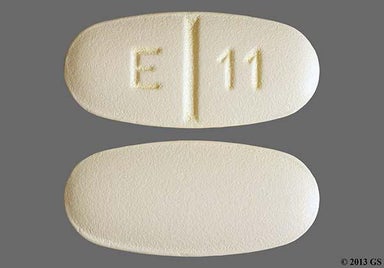
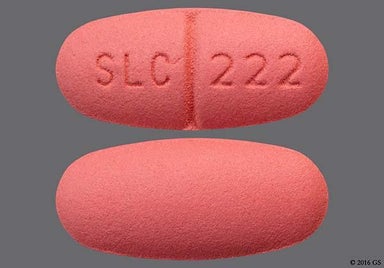
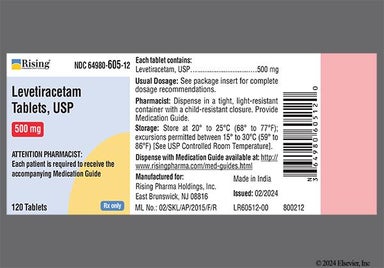
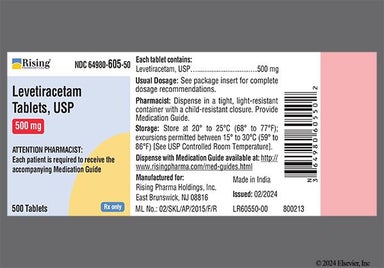
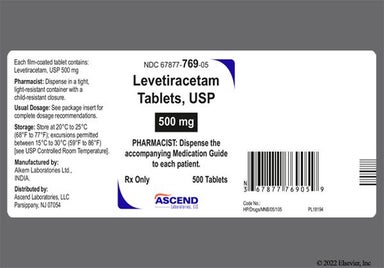
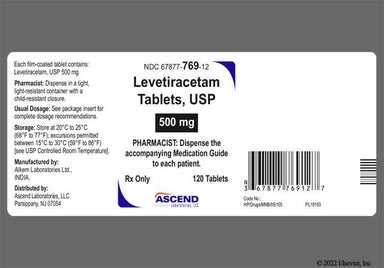
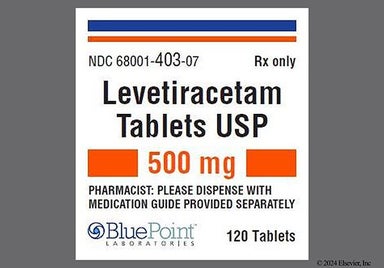
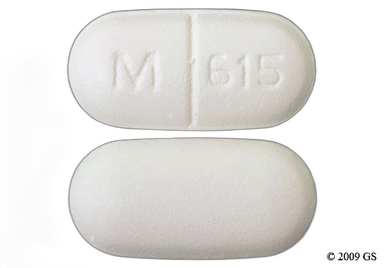
Levetiracetam (Keppra) images