


What Are the Side Effects of Kybella?
Common side effects of Kybella may include pain, swelling, and bruising. Other injection site reactions can also occur. View a list of Kybella’s common side effects here.
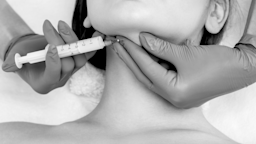
Kybella (deoxycholic acid) is an injection used to reduce fat below the chin, helping to minimize the appearance of a "double chin" in adults. It's injected under the skin by a trained healthcare professional, with at least a month between each treatment. You can have up to 6 treatments total, but some people might need fewer. Possible side effects include swelling, pain, and redness at the injection site.

Kybella (deoxycholic acid) is a cytolytic, or "cell-killing" medication. It destroys the fat cells in your chin area to help reduce the appearance of a "double chin."
| Common Brands | Kybella |
|---|---|
| Drug Class | Cytolytic |
| Controlled Substance Classification | Not a controlled medication |
| Generic Status | No lower-cost generic available |
| Availability | Prescription only |

The following side effects may get better over time as your body gets used to the medication. Let your healthcare provider know immediately if you continue to experience these symptoms or if they worsen over time.
Contact your healthcare provider immediately if you experience any of the following.
Side effects that you should report to your care team as soon as possible:
Side effects that usually do not require medical attention (report these to your care team if they continue or are bothersome):




Kybella (deoxycholic acid) can cause some serious health issues. This risk may be even higher for certain groups. If this worries you, talk to your doctor or pharmacist about other options.
Kybella (deoxycholic acid) can temporarily affect the nerves that control the lower lip, causing symptoms like uneven smile or facial muscle weakness. In clinical trials, all reported nerve injuries went away on their own, with most resolving in about 44 days. Talk to your prescriber if you have any questions or concerns about this potential side effect.
In clinical trials, some people had trouble swallowing after Kybella (deoxycholic acid) injections, usually due to pain, swelling, or firmness under the skin. These cases went away on their own, with most resolving in about 3 days. If you currently have or had difficulty swallowing in the past, talk with your prescriber first to see if this is the right medication for you.
Kybella (deoxycholic acid) may cause bleeding and bruising at the injection site. If you have a bleeding problem or are taking blood thinners, talk to your prescriber. These conditions or medications can raise the risk of excessive bleeding or bruising in the treatment area.
Some people have experienced hair loss at the injection site after receiving Kybella (deoxycholic acid). The timing and length of this side effect can vary from person to person. Talk to your prescriber if this happens, as they might recommend delaying further treatments until the side effect goes away.
There have been reports of injection site ulcers, tissue damage, and infections after injection with Kybella (deoxycholic acid). Talk to your healthcare provider if you notice any signs of infection, such as redness, swelling, or pain.

This medication must be injected by a trained healthcare professional.
During a single treatment, you can receive up to 50 injections of 0.2 mL each in the area under your chin. The exact number of injections will depend on the amount of fat you have under the chin.

Contraindications are specific health conditions or situations in which a person should not take a medication due to safety concerns. If you have any of the following conditions or if any of the following apply to you, let your healthcare provider know because Kybella (deoxycholic acid) will not be safe for you to take.


Prescription savings
Stop paying too much for your prescriptions. Compare prices, get pharmacy coupons, and save up to 80%. Find expert answers to your health questions so you can make the best decisions for yourself and your family.
Health conditions
Medications & treatment
Access & affordability
Medication discounts

Yes, you can apply an ice pack after your Kybella injections to help reduce swelling. Your dermatologist might also apply ice during the procedure to help minimize pain.
There isn't a specific amount of time you need to wait to get Botox (onabotulinumtoxinA) or Botox Cosmetic (onabotulinumtoxinA) after receiving Kybella injections. Ask your dermatologist when it's appropriate to get your Botox treatment.
Yes, headache is a common side effect of Kybella. In clinical studies, about 8% of people taking Kybella reported headaches after treatment compared to 4% of people who received a placebo (no active medication). You can typically manage headache symptoms at home, but tell your prescriber if the headache is severe or isn't getting better over time.
Because Kybella destroys fat cells, the results can last a long time. In one study, 80% to 90% of people who got six or fewer treatments maintained their results after 12 months.
It isn't clear if the effects of Kybella are permanent, but one study found they lasted for up to 3 years. Keep in mind that your body naturally changes with age, so the appearance of your chin might also change over time.
Swelling after Kybella injections usually gets better within days or weeks. But for some people, it can last longer than 30 days. Tell your prescriber if the swelling is severe or doesn’t improve after a few days.
Your healthcare professional can help minimize pain during Kybella injections by using local anesthetics and cold packs. But during clinical studies, 70% of people reported pain at the injection site as a side effect. Talk to your prescriber about ways to manage pain after getting your injection. They might recommend using ice packs or over-the-counter pain medications to help relieve discomfort.
Kybella doesn't typically tighten skin. It primarily works by killing fat cells under the chin. This helps to reduce fullness under the chin. You might notice tight skin after your injection due to swelling from the medication, but this should go away within a few days or weeks as you heal.
