



What to Do in an Opioid Overdose
An opioid overdose occurs when a person takes too many opioids, either with prescription medications or illicit drugs. Learn how to respond to an overdose.
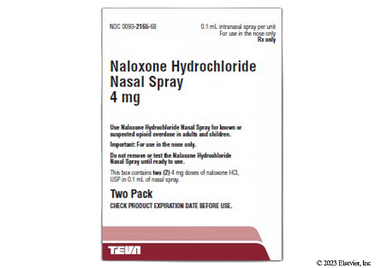
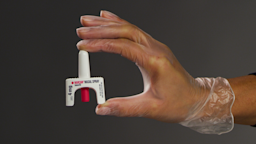
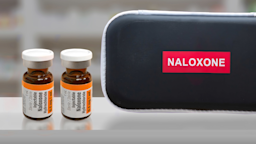
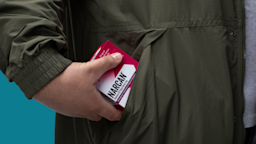
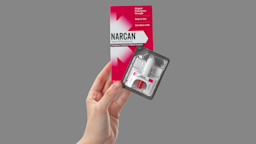
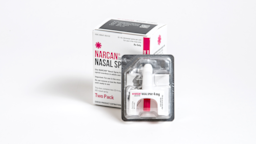
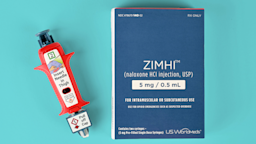
Naloxone is a life-saving medication that's used to reverse the effects of an opioid overdose. This medication can help a person's breathing return to normal in as quickly as 2 to 3 minutes. The effects of naloxone only lasts 30 to 90 minutes, so it's important for a person who's experiencing an opioid overdose to get medical help right away. Naloxone comes in 2 different forms, a nasal spray (Kloxxado, Narcan, and generic) and auto-injector (Zimhi). You can get naloxone without a prescription.

When a person takes an opioid, the opioid turns on certain receptors in the body and help bring pain relief. But some of these receptors also control breathing. So when there's too much opioids in the body, a person's breathing can slow or stop.
Naloxone is an opioid antagonist. It works by pushing the opioids out of the opioid receptors. In doing so, naloxone reverses the symptoms of an opioid overdose, such as slowed breathing, extreme sleepiness, and low blood pressure.
| Common Brands | Narcan, Kloxxado, Zimhi |
|---|---|
| Drug Class | Opioid antagonist |
| Controlled Substance Classification | Not a controlled medication |
| Generic Status | Lower-cost generic available |
| Availability | Prescription or over-the-counter |

The following side effects may get better over time as your body gets used to the medication. Let your healthcare provider know immediately if you continue to experience these symptoms or if they worsen over time.
Naloxone nasal spray (Narcan, Kloxxado, generic naloxone):
Naloxone auto-injector (Zimhi)
Contact your healthcare provider immediately if you experience any of the following.
Side effects that you should report to your care team as soon as possible:
Side effects that usually do not require medical attention (report these to your care team if they continue or are bothersome):



Tips for using naloxone injection (Zimhi)
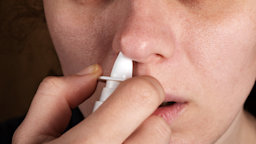
Tips for using naloxone nasal spray (Kloxxado, Narcan, and generic naloxone)

Naloxone can cause some serious health issues. This risk may be even higher for certain groups. If this worries you, talk to your doctor or pharmacist about other options.
Naloxone can cause a sudden opioid withdrawal or unmask pain in those who regularly take opioids or have received opioids during a surgery. Symptoms can include pain, belly pain, diarrhea, fast heartbeat, fever, sweating, nausea, vomiting, irritability, and trembling. In infants with sudden opioid withdrawal, symptoms can be life-threatening and may include seizures, cry more than normal, and irregular reflexes. Let the provider know immediately and monitor these symptoms carefully in someone who has just received naloxone.
Sometimes, a person can experience worsening symptoms of opioid overdose, even though their condition initially improved with naloxone. This is because the effects of naloxone wear off in about 30 to 90 minutes. But most opioids will stay in the body for much longer than that. That's why it's important to always call for emergency help when someone has an opioid overdose. Make sure to stay with that person after giving them naloxone, even if they look like their symptoms are improving, until medical help arrives.
If someone is taking opioids that have mixed activities (blocking and stimulating at opioid receptors), like buprenorphine, the naloxone might not work as well. They might multiple doses of naloxone to reverse the effect of this type of medication. Make sure to always use a new naloxone device or nasal spray for repeated doses.
If you have a history of heart problems or are taking medications that can cause heart problems, talk to your provider before going into any surgery that requires you to use opioids. This is because naloxone is commonly used after surgeries to reverse the effect of opioids. But naloxone can cause serious heart problems, such as seizures, irregular heartbeat, fluid buildup in lungs, or changes blood pressure. In rare cases, it can cause brain problems, coma, and even death. If you have a scheduled surgery, let your provider know about your medical history before the procedure.

Naloxone nasal sprays (generic, Narcan, Kloxxado)
Each spray of Narcan (and its generic) contains 4 mg of naloxone. Each spray of Kloxxado contains 8 mg of naloxone.
Naloxone auto-injector (Zimhi)
Naloxone intravenous (IV) injection is given by a healthcare provider to raise blood pressure in septic shock and to reverse the effects of opioids used during surgery.





Prescription savings
Stop paying too much for your prescriptions. Compare prices, get pharmacy coupons, and save up to 80%. Find expert answers to your health questions so you can make the best decisions for yourself and your family.
Health conditions
Medications & treatment
Access & affordability
Medication discounts

Call 911 for medical help right away if you notice someone is experiencing symptoms of an opioid overdose, such as extreme sleepiness, trouble breathing, and the body going limp. You should give Naloxone as soon as possible, after you've called for help. If you're not sure whether or not it's an opioid overdose, just treat it like one and give the Naloxone. If it ends up not being an opioid overdose, receiving Naloxone won't harm a person. But if it is an opioid overdose, getting Naloxone in a timely manner can save that person's life.
There is no limit or recommended maximum dose for Naloxone. Some people, especially those who've taken a very potent opioid, might need more than one dose of Naloxone to reverse the overdose. You're recommended to give Naloxone every 2-3 minutes until that person responds to the medication (starts to wake up or breathe normally on their own). Once the person responds, please stay by their side to monitor them until emergency medical help arrives.
Naloxone can start to work in as quickly as 2 to 3 minutes to restore someone's breathing. Its effects typically last 30 to 90 minutes. One thing to keep in mind is that the effects of certain opioids last much longer than that of Naloxone. This means that Naloxone can wear-off long before the opioid does, which can put a person at risk for opioid dose again. It's important to call for medical help so that the person can get monitored by a healthcare professional.
Yes, Naloxone can be administered to children as young as newborns. However, the way that this medication is absorbed in children's bodies can be unpredictable. Therefore, children should be monitored carefully for at least 24 hours after administration to make sure that the medication is working properly. Call 911 right away if you think a child might be experiencing an opioid overdose.
Kloxxado and Narcan are both Naloxone nasal sprays that can be used for someone who has overdosed on opioids. The main difference between them is that each spray of Kloxxado contains 8 mg of naloxone and each spray of Narcan contains 4 mg of naloxone. Kloxxado contains a higher dose of Naloxone because some data have shown that 34% of opioid overdose cases require at least 2 doses of Narcan nasal spray in order to resolve symptoms of overdose. Since Kloxxado contains a higher dose of Naloxone, it might lessen the need to give additional doses. Talk with your provider to see which Naloxone nasal spray is a better option.
