Key takeaways:
Kesimpta (ofatumumab) is a once-monthly injection used to treat multiple sclerosis. It can cost over $10,000 per month without insurance. The cost may be even higher during the first month of treatment.
What you pay for Kesimpta can depend on your dosage form, the specialty pharmacy you use, and your insurance coverage.
Copay savings cards and patient assistance programs can help lower the cost of Kesimpta. Your prescriber and specialty pharmacy team can guide you toward the best options for your situation.
Save on related medications
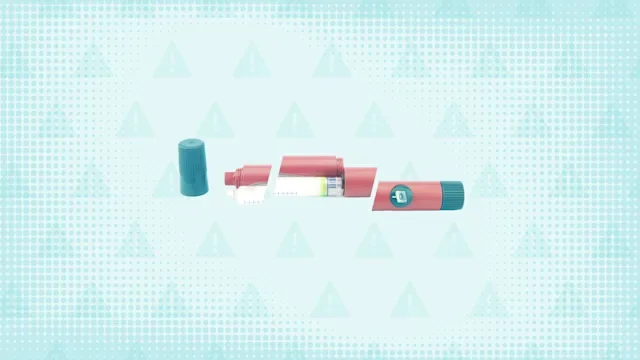
Kesimpta (ofatumumab) is a biologic medication used to treat certain types of multiple sclerosis (MS). It’s a once-monthly injection (after the first few doses) that you can give yourself at home. While it works well for many people, Kesimpa’s cost can be a concern — especially if you don’t have insurance.
The good news is that there are ways to potentially reduce what you pay. Understanding the typical cost of Kesimpta and what affects the cost can help you find the best savings options for your situation.
How much does Kesimpta cost without insurance?
Kesimpta comes in a prefilled syringe and an autoinjector. Both contain 20 mg of medication, which is the typical monthly maintenance dose. Kesimpta’s list price from the manufacturer is about $10,095 per treatment. The actual cash price is typically higher than this after wholesaler and pharmacy markups.
What factors affect the cost of Kesimpta?
There are several factors that can affect the cost of Kesimpta. These factors can vary depending on whether or not you have prescription insurance coverage.
Insurance coverage
If you have prescription insurance, how much you’ll pay for Kesimpta will depend on whether it’s a covered medication. It will also depend on where it’s placed within your plan’s formulary (list of covered medications). Most insurance plans have tiers, or levels, within their formulary. Lower-tier medications typically have a lower copay than medications in a higher tier.
In some cases, your insurer may also require prior authorization or step therapy before they’ll cover Kesimpta. A prior authorization requirement means your prescriber must provide information to your insurer to get approval for the medication. Step therapy requires you to try one or more lower-cost treatments — or explain why they aren’t an option — before coverage is approved.
Dosage form and quantity
The price of Kesimpta may vary depending on whether you’re using the syringe or the autoinjector.
Your Kesimpta costs may also be higher for the first month of treatment. That’s because you’ll inject Kesimpta once a week for the first 3 weeks before switching to once-monthly injections. So you’ll need to pay for 3 doses instead of just 1 for the first month.
Reference vs. biosimilar availability
Kesimpta is only available as a reference (“brand-name”) biologic. Once approved, a Kesimpta biosimilar (the biologic version of a lower-cost generic) may help you save money on your prescription. But no biosimilars for Kesimpta are available at this time.
Location
Where you live can affect what you pay out-of-pocket for medications. Costs may vary by state or region due to differences in pharmacy pricing and supply. For instance, prices for prescription medications are generally lower in Tampa, Florida, than in New York City.
Pharmacy
Kesimpta is usually filled through a specialty pharmacy. Specialty pharmacy staff are typically trained to help you find ways to make your prescription more affordable. But different pharmacies may have different cash prices or available discounts, so it’s worth comparing options if possible.
Keep in mind that some insurance providers require members to use a specific specialty pharmacy. So this may not always be an option.
What to do if Kesimpta isn’t covered by your insurance
If your insurance doesn’t cover Kesimpta, try these options:
Request a formulary exception from your insurance company. You can also file an appeal if your claim is denied.
See if you qualify for a patient assistance program to help you save on the cost of your prescription.
Talk to your prescriber about a Kesimpta alternative, such as Copaxone (glatiramer), to see if there’s an option that’s covered by your insurance plan.
When your next open enrollment window comes, look for a health insurance plan that includes Kesimpta as a covered medication.
Ways to save on Kesimpta
There are ways to save on the cost of Kesimpta. Some options require insurance coverage, while others help reduce the cash price. Here are five to consider.
Good to know: Specialty pharmacy staff are usually well-versed in savings opportunities and insurance coverage issues. Don’t hesitate to reach out to your pharmacy if you need help making Kesimpta more affordable.
1. See if you qualify for a copay savings card
If you have commercial insurance, you could pay as little as $0 per month for Kesimpta using a copay savings card from the manufacturer. There is an annual savings limit of $18,000. To be eligible, you must:
Have commercial insurance coverage for Kesimpta
Not have government-funded insurance, such as Medicaid, Medicare, or Tricare
Be a resident of the U.S. or Puerto Rico
You could also access Kesimpta at no cost for up to 12 months (1 year) while you’re waiting for your insurance to approve Kesimpta. This is known as a bridge program, and it helps prevent delays in starting treatment due to insurance-related logistics.
You can sign up for the Alongside Kesimpta Access Card online or by calling 1-855-537-4678.
2. Check if you’re eligible for a patient assistance program
Novartis, the manufacturer of Kesimpta, also offers a patient assistance program. It provides Kesimpta at no cost to those who are uninsured or underinsured and meet certain income requirements.
You can get more information by calling 1-800-277-2254. Keep in mind that your prescriber will need to provide paperwork to Novartis as part of this program. So be sure to loop in your healthcare team if you’re applying.
Several nonprofit organizations also offer patient assistance programs that could help lower your costs. These are often catered to people living with a specific health condition, and each program has its own eligibility criteria. Examples of organizations that offer these programs include:
Keep in mind that you may need to join a waitlist if a program isn’t currently accepting new applicants.
3. Apply for Extra Help through Medicare
If you have coverage through Medicare, you can also look into the Extra Help program. It could reduce your out-of-pocket costs if you meet certain income and resource requirements. You can apply for this program in three different ways:
Online at ssa.gov/medicare/part-d-extra-help
By calling 1-800-772-1213
In person at a local Social Security office
4. Ask about a 90-day supply
If you have insurance, your plan may offer Kesimpta at a lower monthly cost if you fill a 90-day (3-month) supply instead of 1 month at a time. Contact your specialty pharmacy or prescription insurance plan to see if this applies to you.
5. Tap into your HSA, FSA, or HRA
If you have a health savings account (HSA), a flexible spending account (FSA), or a health reimbursement arrangement (HRA), you can use it to help cover your out-of-pocket costs for Kesimpta. These tax-advantaged healthcare accounts let you pay for eligible expenses with tax-free dollars.
Pay for your medication directly with your HSA or FSA card, or cover the cost yourself and submit a request for reimbursement. The funds in HSAs and HRAs typically roll over annually, but you have to use FSA dollars before the deadline or they’ll expire.
The bottom line
Kesimpta (ofatumumab) is a once-monthly injection used to treat multiple sclerosis. But it can cost over $10,000 per month without insurance. Your cost may be even higher during the first month of treatment, when you’ll inject 3 doses instead of just 1.
The good news is that copay savings cards and patient assistance programs could help lower your out-of-pocket expenses. Your prescriber and specialty pharmacy team can guide you toward the best options for your situation.

Why trust our experts?



References
Kesimpta. (n.d.). Frequently asked questions. Novartis Pharmaceuticals.
Kesimpta. (n.d.). Novartis Patient Support. Novartis Pharmaceuticals.
Novartis Pharmaceuticals. (2024). Need help with medication costs?
Novartis Pharmaceuticals. (2026). Kesimpta - ofatumumab injection, solution [package insert].
U.S. Social Security Administration. (n.d.). Apply for Medicare Part D Extra Help program.