







Do Sleep Medications like Ambien Increase Your Blood Pressure?
Does Ambien increase blood pressure? Some sleeping pills may affect your blood pressure. Learn more about sleep aids from GoodRx.

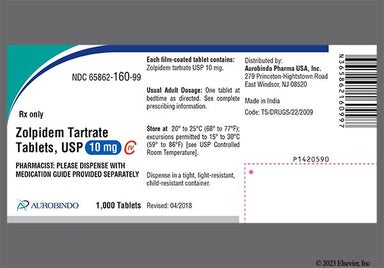
Zolpidem is a sleeping pill used to treat insomnia, a condition where you have trouble falling or staying asleep. The dose is typically taken at bedtime to help you sleep. Since it's a controlled substance, it has a risk of misuse and dependency. Zolpidem should only be taken for a short period of time, especially since the medication can cause side effects like dizziness, daytime sleepiness, sleepwalking, or sleep driving. It comes as an oral tablet or capsule that you swallow and a sublingual tablet that you place under your tongue.

Zolpidem is a gamma-aminobutyric acid (GABA) A receptor positive modulator. It works on GABA receptors in the brain to slow down brain activity. This helps you relax and fall asleep faster.
| Common Brands | Ambien, Ambien CR, Edluar |
|---|---|
| Drug Class | GABA A receptor positive modulator |
| Controlled Substance Classification | Schedule IV |
| Generic Status | Lower-cost generic available |
| Availability | Prescription only |

Zolpidem can cause some serious health issues. This risk may be even higher for certain groups. If this worries you, talk to your doctor or pharmacist about other options.
 Zolpidem can sometimes cause abnormal sleep behaviors, such as sleepwalking, sleep driving, or sleep eating. It can also cause you to make phone calls or engage in sexual activities while not being fully alert. Taking zolpidem with alcohol or other sleep medications might raise your risk for these types of behaviors, but it can also happen when taken alone at the recommended dose. These behaviors can sometimes lead to serious injuries or even death. You also might not remember doing these activities when you wake up the next morning. If you or your loved ones see you performing any activity while sleeping, stop taking zolpidem and let your healthcare provider know right away because you might have to switch to a different medication.
Zolpidem can cause daytime sleepiness, dizziness, confusion, and slowed brain activity, especially when combined with alcohol, benzodiazepines, opioids, or tricyclic antidepressants. If you take any of these medications, let your healthcare provider know because you might need a lower dose of either zolpidem or your other medication.
Taking zolpidem on less than a full night of sleep (7 to 8 hours) can raise your risk of daytime sleepiness, longer reaction times, dizziness, blurred vision, and lowered alertness. Don't drive or perform any activity that requires your full concentration if you take zolpidem too close to waking up. Older adults are at a greater risk of falling due to sleepiness and lowered alertness. If you feel sleepy during the day while taking zolpidem, let your healthcare provider know.
Zolpidem can sometimes cause a serious allergic reaction known as angioedema, or swelling of your tongue, lips, throat, or mouth. Other symptoms of an allergic reaction include trouble breathing, nausea, or vomiting. This can happen at any time during your treatment with zolpidem. Allergic reactions can be life-threatening, so you should call for emergency medical help right away.
Zolpidem can cause you to have abnormal thoughts and changes in behavior. If you notice any changes in your behavior, such as aggression, feeling agitated, or having hallucinations, tell your provider so you can be properly evaluated and diagnosed.
Zolpidem can worsen depression and suicidal thoughts. If you have a history of depression or suicidal thoughts or behaviors, let your provider know before starting zolpidem. For your safety, your provider might prescribe the lowest amount of pills for the shortest amount of time.
Zolpidem can sometimes cause slowed breathing, especially if you have a history of sleep apnea. Let your healthcare provider know if you notice changes in your breathing while using zolpidem because you might need to be switched to another medication.
If you have a history of liver problems, your body might not clear zolpidem as quickly as someone without these problems, leading to a higher risk of side effects. The medication should be avoided in people who have severe liver problems because it can lead to brain damage (encephalopathy). For your safety, let your healthcare provider know if you have a liver condition before starting zolpidem.
If you've been taking zolpidem for a long period of time, you can become tolerant and eventually dependent on it. If your dose is lowered or you suddenly stop taking the medication, you might have withdrawal symptoms. Symptoms include nausea, vomiting, sweating, tremor, uncontrolled crying, panic attacks, stomach cramps, muscle cramps, nervousness, tiredness, or lightheadedness. Let your healthcare provider know if you experience any withdrawal symptoms.

The following side effects may get better over time as your body gets used to the medication. Let your healthcare provider know immediately if you continue to experience these symptoms or if they worsen over time.
Contact your healthcare provider immediately if you experience any of the following.
Along with its needed effects, a medicine may cause some unwanted effects. Although not all of these side effects may occur, if they do occur they may need medical attention.
Check with your doctor immediately if any of the following side effects occur:
Less common
confusion about identity, place, and time
discouragement
false or unusual sense of well-being
fast, irregular, pounding, or racing heartbeat or pulse
feeling sad or empty
general feeling of discomfort or illness
irritability
lack of appetite
lightheadedness
loss of interest or pleasure
shakiness and unsteady walk
tiredness
trouble concentrating
trouble sleeping
unsteadiness, trembling, or other problems with muscle control or coordination
unusual tiredness or weakness
Rare
attack, assault, or force
black, tarry stools
bladder pain
bloody or cloudy urine
burning, crawling, itching, numbness, prickling, "pins and needles", or tingling feelings
change in walking and balance
chills
cold sweats
crying
decreased awareness or responsiveness
deep or fast breathing with dizziness
delusions of persecution, mistrust, suspiciousness, or combativeness
difficult, burning, or painful urination
difficulty with swallowing
dizziness
dizziness, faintness, or lightheadedness when getting up from lying or sitting position
fainting
false beliefs that cannot be changed by facts
feeling of unreality
frequent urge to urinate
irregular heartbeat
irritability
lack of feeling or emotion
light-colored stools
lower back or side pain
numbness of the feet, hands, and around the mouth
pale skin
poor insight and judgment
problems with memory or speech
puffiness or swelling of the eyelids or around the eyes, face, lips, or tongue
quick to react or overreact emotionally
rapidly changing moods
restlessness
seeing, hearing, or feeling things that are not there
sense of detachment from self or body
severe sleepiness
sores, ulcers, or white spots on the lips or in the mouth
stomach pain
swollen glands
thoughts of killing oneself or changes in behavior
tightness in the chest
trouble recognizing objects
trouble thinking and planning
trouble walking
troubled breathing with exertion
uncaring
unusual bleeding or bruising
vomiting
yellow eyes or skin
unease or dissatisfaction with life
Get emergency help immediately if any of the following symptoms of overdose occur:
Symptoms of overdose
Change or loss of consciousness
difficult or troubled breathing
irregular, fast or slow, or shallow breathing
pale or blue lips, fingernails, or skin
sleepiness or unusual drowsiness
Some side effects may occur that usually do not need medical attention. These side effects may go away during treatment as your body adjusts to the medicine. Also, your health care professional may be able to tell you about ways to prevent or reduce some of these side effects. Check with your health care professional if any of the following side effects continue or are bothersome or if you have any questions about them:
Less common
Back pain
being forgetful
belching
body aches or pain
congestion
difficulty having a bowel movement
difficulty with moving
double vision
feeling of constant movement of self or surroundings
hoarseness
indigestion
longer or heavier menstrual periods
loss of memory
muscle pain or stiffness
pain or tenderness around the eyes and cheekbones
seeing double
sensation of spinning
stomach discomfort
tender, swollen glands in the neck
unusual drowsiness, dullness, tiredness, weakness, or feeling of sluggishness
voice changes
Rare
Bad, unusual, or unpleasant (after) taste
blemishes on the skin
blindness
blurred vision
breast pain
change in near or distance vision
change in taste
changes in patterns and rhythms of speech
decreased interest in sexual intercourse
difficulty in focusing the eyes
feeling of warmth
frequent urge to defecate
inability to have or keep an erection
increased appetite
increased sensitivity of the skin to sunlight
increased sweating
itching of the vagina or genital area
lack or loss of strength
loss in sexual ability, desire, drive, or performance
pain during sexual intercourse
paleness of the skin
redness of the face, neck, arms, and occasionally, upper chest
redness or other discoloration of the skin
severe sunburn
slurred speech
stomach upset
straining while passing stool
tearing
thick, white vaginal discharge with no odor or with a mild odor
Other side effects not listed may also occur in some patients. If you notice any other effects, check with your healthcare professional.
Call your doctor for medical advice about side effects. You may report side effects to the FDA at 1-800-FDA-1088.




Insomnia
Immediate-release tablet: The typical dose is 5 mg to 10 mg by mouth nightly at bedtime.
Immediate-release capsule: The typical dose is 7.5 mg by mouth nightly at bedtime.
Extended-release tablet (Ambien CR): The typical dose is 6.25 mg to 12.5 mg by mouth nightly at bedtime.
Sublingual tablet (Edluar): The typical dose is 5 mg to 10 mg tablet placed under the tongue nightly at bedtime.
Middle-of-the-night awakening

Although certain medicines should not be used together at all, in other cases two different medicines may be used together even if an interaction might occur. In these cases, your doctor may want to change the dose, or other precautions may be necessary. When you are taking this medicine, it is especially important that your healthcare professional know if you are taking any of the medicines listed below. The following interactions have been selected on the basis of their potential significance and are not necessarily all-inclusive.
Using this medicine with any of the following medicines is not recommended. Your doctor may decide not to treat you with this medication or change some of the other medicines you take.
Using this medicine with any of the following medicines is usually not recommended, but may be required in some cases. If both medicines are prescribed together, your doctor may change the dose or how often you use one or both of the medicines.
Using this medicine with any of the following medicines may cause an increased risk of certain side effects, but using both drugs may be the best treatment for you. If both medicines are prescribed together, your doctor may change the dose or how often you use one or both of the medicines.


Contraindications are specific health conditions or situations in which a person should not take a medication due to safety concerns. If you have any of the following conditions or if any of the following apply to you, let your healthcare provider know because Zolpidem will not be safe for you to take.



























Prescription savings
Stop paying too much for your prescriptions. Compare prices, get pharmacy coupons, and save up to 80%. Find expert answers to your health questions so you can make the best decisions for yourself and your family.
Health conditions
Medications & treatment
Access & affordability
Medication discounts

Yes. Zolpidem is considered a controlled substance, specifically a schedule IV controlled substance. This means it carries a potential for misuse and dependency.
Possibly. Since Zolpidem is a controlled substance, continued misuse of the medication can lead to addiction. Taking Zolpidem for a longer period of time or at higher doses raises the risk of addiction. Talk with your healthcare provider if you have questions about this medication and it's potential to cause addiction.
Zolpidem can start to work within 15 to 30 minutes. If you still have trouble falling or staying asleep after 7 to 10 days after taking the medication as prescribed, let your healthcare provider know. You might have another health condition that could possibly be causing your insomnia.
It can. In clinical studies, people who used Zolpidem experienced dementia after taking the medication. In fact, the risk of dementia increases in older adults. The risk also seems to be higher for those who have used Zolpidem for a longer period of time, especially if they also have other medical conditions. Let your healthcare provider know if you or your loved one experience symptoms of dementia, including confusion, forgetfulness, or behavioral changes after taking this medication.
For your safety, take Zolpidem exactly as prescribed by your healthcare provider. Taking too much of the medication can lead to serious side effects, such as trouble breathing, sleepwalking, daytime sleepiness, dizziness, and lowered alertness. If your current dose isn't helping you fall asleep or stay asleep, let your healthcare provider know, you might need a different dose or be switched to a different medication.
Dosing for Zolpidem can vary between males and females due to differences in how the medication is cleared from the body. In females, the medication is cleared from the body more slowly, so the starting dose is typically lower. The longer the medication is in your body, the more likely you'll continue to have side effects. For example, the starting dose is typically 5 mg for females, but it can be up to 10 mg for men. Ask your healthcare provider if you have specific questions about your dose.
It's not entirely known whether or not Zolpidem is safe in pregnancy. But Zolpidem can cross the placenta and might cause dangerous side effects (e.g., trouble breathing, excessive sleepiness) in your unborn baby, especially if taken in the third trimester of pregnancy. If you're currently pregnant and taking Zolpidem, it's encouraged that you enroll in the National Pregnancy Registry for Psychiatric Medications to monitor the safety of certain medications during pregnancy. Discuss the potential risks and benefits of using Zolpidem with your healthcare provider if you're pregnant or planning on becoming pregnant.
Zolpidem might pass into breast milk and cause excessive sleepiness in your breastfed baby. If you need to continue breastfeeding, you might try to pump and throw away the breast milk for 23 hours after using Zolpidem to lower the risk of these side effects. It's thought that after 23 hours, the breast milk will have less medication in it. Discuss with your healthcare provider about the best way to breastfeed while taking the medication.

