




What Hydrocodone’s Schedule 2 Status Means (Plus, 5 Ways to Protect Yourself While Taking It)
Hydrocodone is an opioid that’s a Schedule 2 medication under the Controlled Substance Act. Here’s what that means.
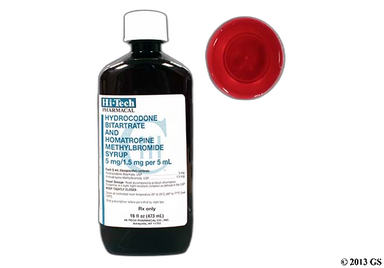
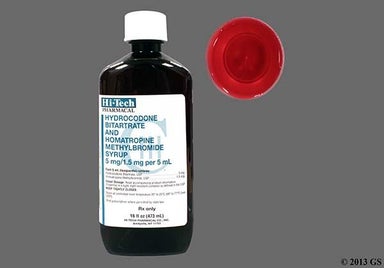
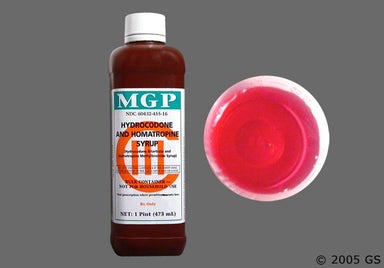
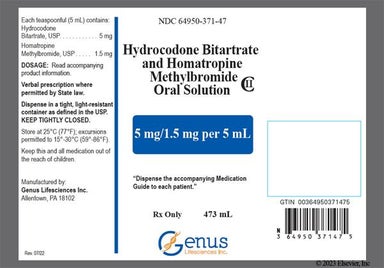
Hydromet is a prescription cough medication that some veterinarians prescribe off-label to help dogs with their cough. It’s also known by another brand name called Hycodan. This medication combines hydrocodone (an opioid) and homatropine (an anticholinergic). It comes as a syrup or tablet and is given by mouth. The dosage for dogs depends on their weight and is usually given every 6 to 12 hours. Hydromet is a controlled substance, meaning it has a high risk of misuse and is tightly regulated.

Hydromet is a combination of two medications:
| Common Brands | Hydromet |
|---|---|
| Drug Class | Opioid / Anticholinergic |
| Controlled Substance Classification | Schedule II |
| Generic Status | Lower-cost generic available |
| Availability | Prescription only |

Hydromet can cause some serious health issues. This risk might be even higher for certain pets. If this worries you, talk to your veterinarian about other options.
Check with your veterinarian about how long your dog should take Hydromet. Dogs that take this medication for a long time can become dependent on it. If you stop giving it suddenly, your dog might have withdrawal symptoms such behavioral changes, shaking, diarrhea, or trouble moving. Your vet can help you safely stop Hydromet to lower the risk of these problems.
Hydromet can slow down your dog’s breathing, which can be life threatening. The risk is higher in older dogs, dogs with lung problems, dogs taking other medications that slow breathing (like opioids or benzodiazepines), or when taking high doses. If you notice your dog’s breathing has slowed, contact a veterinarian right away or call a pet poison helpline.
Don’t give your dog more Hydromet than your veterinarian has prescribed. Too much hydrocodone from the medication can cause an overdose, which might lead to death. Signs of overdose include trouble breathing, extreme sleepiness, weakness, balance problems, trouble standing, or a blank stare. Contact a veterinarian or pet poison helpline right away if you think your dog has had too much of this medication.
Hydromet can slow down your dog’s gut, which can lead to constipation. The risk is higher if your dog takes the medication for a long time. It’s also important not to give this medication to your dog if they have diarrhea caused by something harmful, like chocolate. That’s because this medication can keep the toxin in their body longer and cause more serious problems. Make sure your dog drinks plenty of fresh water and eats regularly to help prevent constipation. Talk to your vet if the constipation doesn’t go away or gets worse.

The following side effects might get better over time as your pet gets used to the medication. Let your veterinarian know immediately if your pet continues to experience these symptoms or if they worsen over time.
Contact your veterinarian immediately if your pet experiences any of the following.
Along with its needed effects, a medicine may cause some unwanted effects. Although not all of these side effects may occur, if they do occur they may need medical attention.
Check with your doctor immediately if any of the following side effects occur:
Less common
Bladder pain
bloating or swelling of the face, arms, hands, lower legs, or feet
bloody or cloudy urine
body aches or pain
chills
difficult or labored breathing
difficult, burning, or painful urination
ear congestion
fear or nervousness
frequent urge to urinate
headache
loss of voice
lower back or side pain
rapid weight gain
tightness in the chest
tingling of the hands or feet
unusual tiredness or weakness
unusual weight gain or loss
Incidence not known
Agitation
darkening of the skin
difficulty swallowing
fast heartbeat
loss of appetite
mental depression
overactive reflexes
poor coordination
puffiness or swelling of the eyelids or around the eyes, face, lips, or tongue
restlessness
shivering
talking or acting with excitement you cannot control
trembling or shaking
twitching
vomiting
Get emergency help immediately if any of the following symptoms of overdose occur:
Symptoms of overdose
Blue lips and fingernails
blurred vision
change in consciousness
chest pain or discomfort
cold and clammy skin
confusion
constricted pupil (black part of the eye)
coughing that sometimes produces a pink frothy sputum
decreased awareness or responsiveness
dizziness, faintness, or lightheadedness when getting up suddenly from a lying or sitting position
increased sweating
irregular, fast or slow, or shallow breathing
lightheadedness, dizziness, or fainting
pale skin
sleepiness or unusual drowsiness
slow or irregular heartbeat
weak muscle tone
Some side effects may occur that usually do not need medical attention. These side effects may go away during treatment as your body adjusts to the medicine. Also, your health care professional may be able to tell you about ways to prevent or reduce some of these side effects. Check with your health care professional if any of the following side effects continue or are bothersome or if you have any questions about them:
More common
Difficulty having a bowel movement
Other side effects not listed may also occur in some patients. If you notice any other effects, check with your healthcare professional.
Call your doctor for medical advice about side effects. You may report side effects to the FDA at 1-800-FDA-1088.



More tips for the liquid form:

 Ml of syrup
| Dosage | Quantity | Price as low as | Price per unit |
|---|---|---|---|
| 473ml of 5mg/1.5mg/5ml | 120 ml | $14.69 | $0.12 |
The dose is based on your dog’s weight.
The typical dose is 0.25 mg/kg of hydrocodone by mouth every 6 to 12 hours.

Although certain medicines should not be used together at all, in other cases two different medicines may be used together even if an interaction might occur. In these cases, your doctor may want to change the dose, or other precautions may be necessary. When you are taking this medicine, it is especially important that your healthcare professional know if you are taking any of the medicines listed below. The following interactions have been selected on the basis of their potential significance and are not necessarily all-inclusive.
Using this medicine with any of the following medicines is not recommended. Your doctor may decide not to treat you with this medication or change some of the other medicines you take.
Using this medicine with any of the following medicines is usually not recommended, but may be required in some cases. If both medicines are prescribed together, your doctor may change the dose or how often you use one or both of the medicines.


Contraindications are specific health conditions or situations in which a pet should not take a medication due to safety concerns. If your pet has any of the following conditions or if any of the following apply to your pet, let your veterinarian know because Hydromet will not be safe for your pet to take.


Prescription savings
Stop paying too much for your prescriptions. Compare prices, get pharmacy coupons, and save up to 80%. Find expert answers to your health questions so you can make the best decisions for yourself and your family.
Health conditions
Medications & treatment
Access & affordability
 Our monthly healthcare membership can help you save thousands on your prescription costs.
Resources

No.Hydromet is usually prescribed to treat cough in dogs. If your dog is in pain, it's important to talk to your veterinarian about the best way to manage it safely.
Hydromet is generally safe for most dogs when prescribed by a veterinarian. Some dogs might become very sleepy when taking it. Senior dogs or those with head injuries might be more sensitive to side effects. It might also not be safe for dogs with thyroid, heart, lungs, kidneys, or adrenal gland problems. Always follow your vet’s instructions closely and contact them if your dog shows any unusual symptoms.
The most common side effect of Hydromet is sleepiness. Other possible side effects include constipation, itching, reduced appetite, and vomiting. It’s a good idea to let your vet know if your dog has any of these side effects since they can provide guidance on how to manage them.
Hydromet starts to work within 1 to 2 hours. You should notice your dog’s cough improving around that time. If the cough doesn’t get better after a full day of using the medication, contact your veterinarian.
Yes, Hydromet will likely make your dog sleepy. If your dog seems overly sleepy, hard to wake up, or has trouble breathing, the dose might be too high. Contact a veterinarian or a pet poison helpline right away if you notice any of these signs.
It’s okay to give Hydromet to your dog with or without food. But if your dog feels sick after a dose, try giving the next one with food. If your dog still gets sick, talk to your veterinarian.
