


NSAIDs, Opioids, and More: What Medications Are Used for a Sickle Cell Crisis?
Sickle cell disease (SCD) is a blood disorder that can cause intense pain flares called a sickle cell crisis. Learn about the treatments for a sickle cell crisis.

Hydroxyurea (Hydrea) is an oral anticancer treatment option used for chronic myeloid leukemia (CML) and head and neck cancers. It can be used by itself or in combination with other anticancer medications and radiation, depending on the type of cancer. Although hydroxyurea (Hydrea) is available as a convenient oral medication, it has serious risks like low blood cell counts that can lead to infections and bleeding.

Hydroxyurea (Hydrea) is an antimetabolite. The way it works to treat certain cancers isn't fully clear, but it's thought to interfere with the way cells make their genetic material (DNA), leading to cell death.
| Common Brands | Hydrea |
|---|---|
| Drug Class | Anticancer |
| Controlled Substance Classification | Not a controlled medication |
| Generic Status | Lower-cost generic available |
| Availability | Prescription only |

The following side effects may get better over time as your body gets used to the medication. Let your healthcare provider know immediately if you continue to experience these symptoms or if they worsen over time.
Contact your healthcare provider immediately if you experience any of the following.
Along with its needed effects, a medicine may cause some unwanted effects. Although not all of these side effects may occur, if they do occur they may need medical attention.
Check with your doctor immediately if any of the following side effects occur:
More common
Black, tarry stools
blood in the urine or stools
chills
hoarseness
lower back or side pain
painful or difficult urination
pale skin
pinpoint red spots on the skin
ulcers, sores, or white spots in the mouth
unusual bleeding or bruising
unusual tiredness or weakness
Less common
Blackening of the fingernails and toenails
troubled breathing with exertion
Rare
Confusion
dizziness
headache
joint pain
seeing, hearing, or feeling things that are not there
seizures
swelling of the feet or lower legs
Incidence not known
Bleeding under the skin
blisters on the skin
bluish or pale color on the skin of the fingers or toes
coldness of the fingers or toes
crater-like lesions on the skin
drowsiness
fast heartbeat
irritation
itching, pain, redness, or swelling on the leg
joint stiffness or swelling
loss of appetite
muscle spasms (tetany) or twitching seizures
numbness or tingling of the fingers or toes
pain in the fingers or toes
sore on the leg
swelling of the eyelids, face, lips, hands, or feet
tightness in the chest
trembling
troubled breathing or swallowing
vomiting
Some side effects may occur that usually do not need medical attention. These side effects may go away during treatment as your body adjusts to the medicine. Also, your health care professional may be able to tell you about ways to prevent or reduce some of these side effects. Check with your health care professional if any of the following side effects continue or are bothersome or if you have any questions about them:
More common
Other side effects not listed may also occur in some patients. If you notice any other effects, check with your healthcare professional.
Call your doctor for medical advice about side effects. You may report side effects to the FDA at 1-800-FDA-1088.




Hydroxyurea (Hydrea) can cause some serious health issues. This risk may be even higher for certain groups. If this worries you, talk to your doctor or pharmacist about other options.
Hydroxyurea (Hydrea) can cause your white blood cell, red blood cell, and platelet counts to drop. When the number of these cells are lower than normal, you’re at risk of developing infections, anemia, and bleeding or bruising. Your provider will closely monitor your blood counts through routine lab work while you're taking hydroxyurea (Hydrea). If your blood counts are low, your dose might need to be lowered or you might stop taking the medication altogether. After stopping hydroxyurea (Hydrea), your blood cell counts should return to normal in a few days. Let your provider know as soon as possible if you experience bleeding and bruising that doesn’t stop or go away, blood in your urine, weakness, pale or yellowish skin, fevers, chills, or other signs of infection.
Hydroxyurea (Hydrea) is carcinogenic, which means it has the ability to cause cancer. This doesn't mean it will cause cancer, but it might raise your risk for cancers like leukemia and skin cancer. Your risk is higher if you take hydroxyurea (Hydrea) for a long period of time. Make sure to wear protective clothing and sunscreen to lower your risk of skin damage and skin cancer. Speak to your provider if you’re concerned about your risk for other cancers.
Based on animal studies, hydroxyurea (Hydrea) can harm an unborn baby when taken during pregnancy. Because of these risks, if you’re a woman who can get pregnant, you’ll likely need to take a pregnancy test to make sure you’re not pregnant before you start the medication. In addition, regardless of your sex, you should use birth control during treatment with hydroxyurea (Hydrea) to prevent pregnancy. After treatment, continue to use birth control for at least another 6 months (for females) or 1 year (for males). Let your provider know right away if you or your partner becomes pregnant during this time.
Hydroxyurea (Hydrea) has been used for certain blood cancers. When used this way, some people had blood vessel damage, including leg ulcers. Most people who reported these problems were either taking or had taken interferon medications. If you develop an open sore anywhere on your body while taking hydroxyurea (Hydrea), contact your provider.
Pancreatitis (inflammation of the pancreas), liver damage, and nerve damage have happened in people who took hydroxyurea (Hydrea) while also taking antiretroviral medications (commonly used to treat HIV infection). If you experience stomach pain; nausea; vomiting; tingling in your arms, legs, hands, or feet; or yellowing of the whites of your eyes or skin, tell your provider so you can be checked for these problems.
If you’ve received radiation therapy before, taking hydroxyurea (Hydrea) can cause a flare-up of skin irritation around the areas where you had radiation. Let your provider know if you develop any redness or discomfort to areas of your skin while taking hydroxyurea (Hydrea).
When used for certain blood cancers, some people taking hydroxyurea (Hydrea) had lung damage and scarring (pulmonary fibrosis) during treatment. Notify your provider right away if you start experiencing a cough or difficulty breathing.

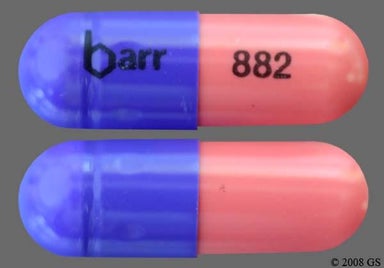
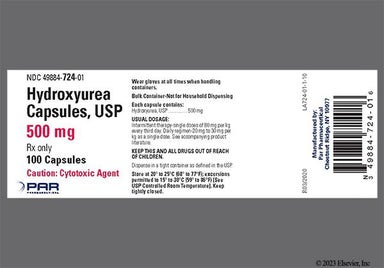
 Capsule
| Dosage | Quantity | Price as low as | Price per unit |
|---|---|---|---|
| 500mg | 90 capsules | $30.81 | $0.34 |

Although certain medicines should not be used together at all, in other cases two different medicines may be used together even if an interaction might occur. In these cases, your doctor may want to change the dose, or other precautions may be necessary. When you are taking this medicine, it is especially important that your healthcare professional know if you are taking any of the medicines listed below. The following interactions have been selected on the basis of their potential significance and are not necessarily all-inclusive.
Using this medicine with any of the following medicines is not recommended. Your doctor may decide not to treat you with this medication or change some of the other medicines you take.
Using this medicine with any of the following medicines is usually not recommended, but may be required in some cases. If both medicines are prescribed together, your doctor may change the dose or how often you use one or both of the medicines.


Certain blood cancers
Certain skin cancer
Certain tumors in the digestive tract



Prescription savings
Stop paying too much for your prescriptions. Compare prices, get pharmacy coupons, and save up to 80%.Resources
About GoodRx
 Find expert answers to your health questions so you can make the best decisions for yourself and your family.
Health conditions
Medications & treatment
Access & affordability
Well-being
Medication discounts

Droxia, Siklos, and Hydrea are three different brands that contain the same active medication, hydroxyurea. The main difference is that Hydrea is used to treat certain types of cancer, while Droxia and Siklos are used to treat people with sickle cell anemia. Speak with your provider about the best treatment option for your condition.
Let your provider know if you have problems with your kidney. You’re at higher risk of side effects from Hydroxyurea and will need to be monitored more closely. With kidney problems, your body might have a harder time getting rid of this medication. This causes higher levels of Hydroxyurea in your body, which affects your risk of side effects. Depending on how severe your kidney problems are, you might need to take the medication at a lower dose. If you’re on dialysis, you can still take Hydroxyurea; make sure to take the medication after your dialysis session on your dialysis days.
Hydroxyurea isn’t recommended during pregnancy. Based on animal studies, it can cause harm to an unborn baby and shouldn’t be used in pregnancy. Let your provider know right away if you become pregnant during Hydroxyurea treatment, or if you have any questions about pregnancy while receiving the medication.
Hydroxyurea isn’t recommended while breastfeeding. It can pass into breast milk and can cause serious harm to nursing babies. Talk to your provider if you have any questions about other ways to feed your baby while receiving Hydroxyurea.
According to the National Comprehensive Cancer Network (NCCN), platinum-based therapies are the recommended treatment for head and neck cancers. This regimen is typically cisplatin (the platinum-based medication) in combination with radiation. Other options include cisplatin or carboplatin (another platinum-based medication) in combination with other chemotherapies, such as fluorouracil. Discuss with your provider to see which alternative treatment plan is right for you.
