



NSAIDs, Opioids, and More: What Medications Are Used for a Sickle Cell Crisis?
Sickle cell disease (SCD) is a blood disorder that can cause intense pain flares called a sickle cell crisis. Learn about the treatments for a sickle cell crisis.
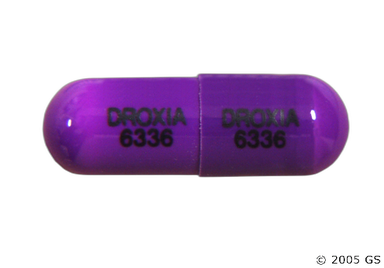
Hydroxyurea (also known by its brand names Droxia and Siklos) is an antimetabolite. It's used to lower the number of painful crises and need for blood transfusions in adults and children with sickle cell anemia. Droxia (hydroxyurea) is taken by mouth, typically once daily. Some of the more common side effects of this medication includes lower blood cell counts and higher risk for infections.

Droxia (hydroxyurea) is an antimetabolite. The way it works to treat sickle cell anemia isn't fully clear. But it's thought to make your red blood cells bigger by raising the amount of hemoglobin F (a protein that carries oxygen) and water in your red blood cells. When your blood cells are larger and more round, they're less likely to turn into a sickle shape and cause problems.
| Common Brands | Droxia, Siklos |
|---|---|
| Drug Class | Antimetabolite |
| Controlled Substance Classification | Not a controlled medication |
| Generic Status | No lower-cost generic available |
| Availability | Prescription only |

The following side effects may get better over time as your body gets used to the medication. Let your healthcare provider know immediately if you continue to experience these symptoms or if they worsen over time.
Children:
Adults:
Side effects listed are reported from people taking Siklos. The side effects you experience might differ if you take Droxia.
Contact your healthcare provider immediately if you experience any of the following.
Along with its needed effects, a medicine may cause some unwanted effects. Although not all of these side effects may occur, if they do occur they may need medical attention.
Check with your doctor immediately if any of the following side effects occur:
More common
Black, tarry stools
blood in the urine or stools
chills
hoarseness
lower back or side pain
painful or difficult urination
pale skin
pinpoint red spots on the skin
ulcers, sores, or white spots in the mouth
unusual bleeding or bruising
unusual tiredness or weakness
Less common
Blackening of the fingernails and toenails
troubled breathing with exertion
Rare
Confusion
dizziness
headache
joint pain
seeing, hearing, or feeling things that are not there
seizures
swelling of the feet or lower legs
Incidence not known
Bleeding under the skin
blisters on the skin
bluish or pale color on the skin of the fingers or toes
coldness of the fingers or toes
crater-like lesions on the skin
drowsiness
fast heartbeat
irritation
itching, pain, redness, or swelling on the leg
joint stiffness or swelling
loss of appetite
muscle spasms (tetany) or twitching seizures
numbness or tingling of the fingers or toes
pain in the fingers or toes
sore on the leg
swelling of the eyelids, face, lips, hands, or feet
tightness in the chest
trembling
troubled breathing or swallowing
vomiting
Some side effects may occur that usually do not need medical attention. These side effects may go away during treatment as your body adjusts to the medicine. Also, your health care professional may be able to tell you about ways to prevent or reduce some of these side effects. Check with your health care professional if any of the following side effects continue or are bothersome or if you have any questions about them:
More common
Other side effects not listed may also occur in some patients. If you notice any other effects, check with your healthcare professional.
Call your doctor for medical advice about side effects. You may report side effects to the FDA at 1-800-FDA-1088.




Droxia (hydroxyurea) can cause some serious health issues. This risk may be even higher for certain groups. If this worries you, talk to your doctor or pharmacist about other options.
 Droxia (hydroxyurea) can lower the numbers of red blood cells (RBCs), white blood cells (WBCs), and platelets in the body. This can raise the risk for bleeding, anemia, and infections. Your provider will order blood draws to check your blood cell counts.
Let your provider know if you have possible symptoms of low blood cell counts, such as bleeding (small, flat red spots under the skin; bloody urine or stool; easy bleeding or bruising) or anemia (feeling tired, headache, pale skin, fast heart rate, trouble breathing). Also tell your provider right away if you have an infection with fever, chills, tiredness, cough, body aches, and runny nose symptoms.
People taking Droxia (hydroxyurea) might be at higher risk for cancer, like lymphomas and skin cancer. The risk might be higher for people who take Droxia (hydroxyurea) over longer periods of time. Your provider will check your blood cell counts regularly during treatment to check for signs of blood cancers.
 To help monitor for skin cancer specifically, make sure you schedule yearly screenings for skin cancer and tell your provider if you notice changes to your skin. To lower your risk for skin cancer, wear protective clothing and use sunscreen when you go outside and avoid UV light (e.g., tanning beds).
Droxia (hydroxyurea) might cause harm to unborn babies when taken during pregnancy. In animal studies, it caused harm to unborn babies of pregnant mothers, including development problems and death. Make sure to use birth control during treatment and for at least 6 months (for females taking either Droxia or Siklos, and for males taking Siklos) or 1 year (for males taking Droxia) after stopping to prevent harm to unborn babies. If you or your partner becomes pregnant while you're taking Droxia (hydroxyurea), contact your provider right away.
Blood vessel damage, including leg ulcers, has occurred in people with blood cancers who also took Droxia (hydroxyurea). If you develop an open sore or wounds anywhere on your body while taking the medication, contact your provider. They might need to lower your dose or have you stop taking it until your ulcer heals.
Pancreatitis (inflammation of the pancreas), liver damage, and nerve damage have been reported in people who took Droxia (hydroxyurea) while also taking antiretroviral medications (commonly used to treat HIV infection). If you experience stomach pain, nausea, vomiting, tingling in your arms, legs, hands, or feet, or yellowing of the whites of your eyes or skin, tell your provider so you can be checked for these problems.
In people taking hydroxyurea (Hydrea) for cancer, the medication has caused lung damage that was sometimes deadly. This hasn't been seen in people taking Droxia (hydroxyurea) for sickle cell anemia, but if you experience fever, chest pain, cough, shortness of breath, or other signs of lung damage, contact your provider.


Although certain medicines should not be used together at all, in other cases two different medicines may be used together even if an interaction might occur. In these cases, your doctor may want to change the dose, or other precautions may be necessary. When you are taking this medicine, it is especially important that your healthcare professional know if you are taking any of the medicines listed below. The following interactions have been selected on the basis of their potential significance and are not necessarily all-inclusive.
Using this medicine with any of the following medicines is not recommended. Your doctor may decide not to treat you with this medication or change some of the other medicines you take.
Using this medicine with any of the following medicines is usually not recommended, but may be required in some cases. If both medicines are prescribed together, your doctor may change the dose or how often you use one or both of the medicines.




Prescription savings
Stop paying too much for your prescriptions. Compare prices, get pharmacy coupons, and save up to 80%. Find expert answers to your health questions so you can make the best decisions for yourself and your family.
Health conditions
Medications & treatment
Access & affordability
Medication discounts


Droxia is toxic to cells, including skin cells. So if you touch it, it can irritate or damage your skin. Make sure to always wear gloves when handling the medication pills or medication bottle and wash your hands with soap and water afterwards. If you do accidentally touch Droxia, make sure to wash the affected area well with soap and water. If you accidentally get the medication into your eyes, you'll need to flush your eyes with water for at least 15 minutes.
Stopping Droxia could raise your risk for sickle cell crises as well as the need for blood transfusions. If you want to stop taking Droxia, it's best to talk to your provider first so they can come up with a plan for you.
There isn't a set amount of time you'll need to take Droxia because it doesn't cure sickle cell anemia. Your provider will likely have you take Droxia as long as it's helping avoid pain crises and blood transfusions and you're not having any significant side effects. One study showed Droxia worked well and was safe for people with sickle cell anemia who took the medication for over 17 years.
Droxia can potentially cause weight gain, but it's rare. In clinical studies, only 2% of children and 4% of adults taking Siklos reported weight gain. But, Droxia can cause nausea, vomiting, constipation, or diarrhea as side effects, which can lead to weight loss if it affects your appetite. It's important to eat a nourishing diet and stay hydrated as much as possible. Talk with your provider if you're having trouble eating or drinking or if you notice unusual weight changes while you're taking this medication.
Droxia and Siklos are two different brand names that contain the same active medication, hydroxyurea. The main difference is that Droxia is available as capsules and can only treat adults. But Siklos is available as tablets and can be taken by both adults and children ages 2 years of age and older. Speak with your provider about the best treatment option for your condition.
Chemotherapy is a type of treatment that kills fast-growing cells and is typically used to treat cancer. While Droxia and Siklos are only FDA-approved to treat sickle cell anemia, hydroxyurea is considered a type of chemotherapy. This is because one effect hydroxyurea has on cells is interfering with the way they make their genetic material, which prevents cells from growing and dividing. In fact, one brand of hydroxyurea called Hydrea, is used to treat cancer.
No, Droxia isn't a blood thinner (or anticoagulant); it's known as an antimetabolite. But, Droxia can potentially raise your risk of bleeding because it lowers platelet levels as a side effect. Your provider will monitor your blood counts during treatment to make sure they don't get too low. Seek medical help if you notice unusual bleeding or bleeding that doesn't stop for a long time.
