Key takeaways:
Despite high demand for GIP and GLP-1 agonists due to their weight-loss benefits, commercial insurance coverage has not improved across the board in 2026. In fact, coverage has become even more restrictive for several popular medications.
Insurance coverage can change throughout the year, as health plans add or remove medications from their formularies. As of July 2026, the number of people with no commercial insurance coverage for Zepbound increased by 18% compared to 2025, leaving over 114 million people with no coverage.
For those who have coverage for GIP and GLP-1 agonists prescribed for weight loss, 88% still have to meet additional requirements like prior authorization. And nearly 13 million people lack commercial insurance coverage for any GIP and GLP-1 agonists prescribed for weight loss.
Save on related medications
Demand for the GIP and GLP-1 agonists that can cause weight loss has continued to climb in the new year. However, insurance coverage has yet to catch up.
The GoodRx Research team is tracking commercial insurance coverage for popular GIP and GLP-1 agonists that have weight-loss benefits, including:
Tirzepatide (Zepbound for weight loss, Mounjaro for Type 2 diabetes)
Semaglutide (Wegovy for weight loss, Ozempic for Type 2 diabetes)
Liraglutide (Saxenda for weight loss, Victoza for Type 2 diabetes)
Orforglipron (Foundayo for weight loss)
We’ll regularly update the chart below to track any potential changes in access to these in-demand medications.
How does insurance coverage affect access?
Prescription drug coverage determines how much people pay out of pocket for their medications. We grouped commercial insurance plans into three categories of coverage:
Unrestricted coverage: People in health plans with unrestricted coverage can use their insurance right away to help pay for their prescription. Out-of-pocket costs are usually a portion of the total cost. This is the most accessible form of insurance coverage.
Restricted coverage: People in health plans with restricted coverage need to meet additional requirements in order to use their insurance to help pay for their prescription. These extra steps can include getting approval or “prior authorization” from their insurance, trying a different medication first (also called “step therapy”), or both. While people with restricted coverage can access their medication at a more affordable price, they may face delays and other administrative burdens along the way. To avoid dealing with these restrictions, some may forgo using insurance and pay full price, or abandon their prescription altogether.
No coverage: People in health plans with no coverage of their medication must cover the full cost of their prescription. This means that people who want to fill their weight-loss prescription may face high out-of-pocket costs, which can exceed $1,400 every month — even if they have health insurance.
Keep in mind that insurance coverage doesn’t account for deductibles, which have become increasingly common. Some people have a separate deductible that applies only to prescription medications. This means they will pay full price on medications until they meet their pharmacy deductible. On top of that, many Americans are caught in a “Big Pinch” as insurance plans cut back on coverage and place more restrictions on the medications that are covered.
Changing insurance coverage
Despite the growing list of medical benefits for GIP and GLP-1 agonists, including weight loss, commercial insurance coverage has yet to catch up to demand.
Coverage can change throughout the year, as health plans add or remove weight-loss medications from their formularies. For example, Cigna recently stopped covering both Zepbound and Wegovy for employees, while CVS Caremark is adding Zepbound back to their standard formulary in October 2026 after removing it last year. Because insurance coverage for these medications is constantly evolving, it's important to regularly check your plan for any changes.

Read more like this
Explore these related articles, suggested for readers like you.




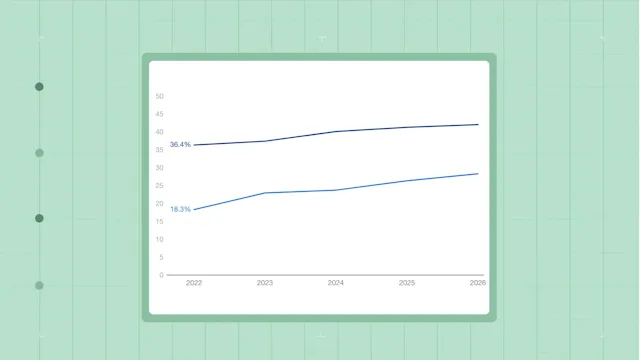
Compared to 2025, Zepbound has seen notable shifts in commercial insurance coverage. As of July 2026:
The share of people with unrestricted coverage fell from 5% to 4%, reducing access to Zepbound.
There was an even larger drop in restricted coverage, which fell from 45% to 37%.
As a result, the number of people with no coverage increased from 51% to 60%, leaving over 114 million people with no insurance coverage for Zepbound (an additional 17 million people since 2025).
Altogether, these changes in coverage make Zepbound less accessible to the general population.
Access to Wegovy, another medication prescribed specifically for weight loss, has also shifted compared to last year. Since 2025:
The number of people with unrestricted coverage declined from 10% to 9%, reducing unrestricted access to Wegovy.
The number of people with restricted coverage increased slightly from 75% to 77%.
While 1.6 million people gained some form of commercial insurance coverage for Wegovy in 2026, 27 million people still lack coverage for Wegovy.
In April 2026, the FDA approved Foundayo, a new oral GLP-1 medication for weight loss. Access to Foundayo remains limited, with over 66 million people lacking commercial insurance coverage.
Overall coverage has also shifted for Ozempic and Mounjaro, GIP and GLP-1 agonists used to treat Type 2 diabetes. An additional 102,000 people with commercial insurance have lost coverage for Mounjaro, leaving over 769,000 without coverage for the most-filled GLP-1 agonist. Commercial insurance coverage for Ozempic has also tightened, with an additional 8 million people losing coverage, leaving over 13 million without coverage for Ozempic.
With the introduction of generic liraglutide, commercial insurance coverage has also changed for brand-name Victoza and Saxenda in 2026. The number of people without insurance coverage for Victoza has increased since 2025 by 26%, while the number of people without insurance coverage for Saxenda has decreased by 3%.
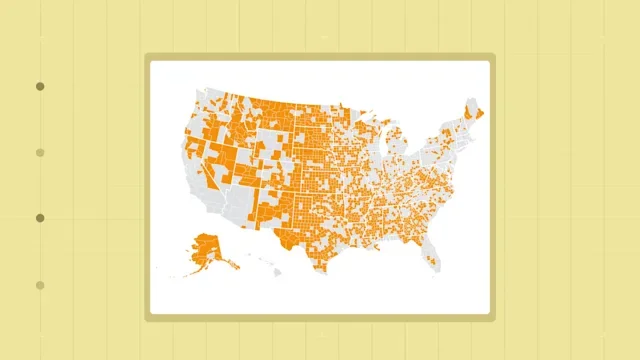
Altogether, 7% of people with commercial insurance — nearly 13 million people — lack coverage for any of the GIP and GLP-1 agonists prescribed for weight loss in 2026. That means if they are prescribed Wegovy, Zepbound, Foundayo, or Saxenda, their insurance will not cover it.
Rising restrictions
Increased restrictions for many GIP and GLP-1 agonists has further limited access to these medications.
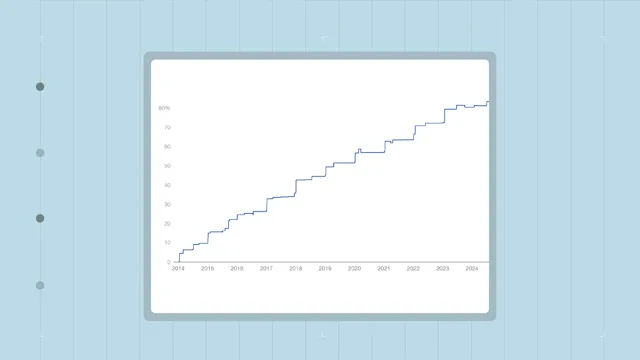
Restrictions continue to limit the vast majority of commercial insurance coverage for GIP and GLP-1 agonists prescribed specifically for weight loss. This means there are restrictions on insurance coverage for Wegovy, Zepbound, Foundayo, and Saxenda for 88% of people. Even when GIP and GLP-1 agonists are prescribed for Type 2 diabetes, additional restrictions are usually placed on insurance coverage — 78% of the time for Mounjaro and over 89% of the time for Ozempic.
As a result, more people need to jump through extra hoops to access these medications, despite having insurance.
Savings tips
People without insurance coverage can still save on the full retail price through prescription discount programs like GoodRx.
GoodRx can save people more than $650 every month on the top 7 GLP-1 medications. Savings based on difference between retail prescription prices and GoodRx price, at top three national pharmacies, as of March 2026.
GoodRx also offers programs that can help people access these medications. Subscribers to GoodRx for Weight Loss can access FDA-approved, brand-name GLP-1 medications.
Co-contributors: Trinidad Cisneros, Ph.D., Sasha Guttentag, Ph.D.
Methodology
We sourced prescription insurance coverage from Managed Markets Insight and Technology, LLC™, a trademark of MMIT. Data reflect the average share of commercial and health exchange covered lives with insurance coverage across all available forms and dosages of each medication.
References
CVS Health. (2026). CVS Caremark delivers affordability and access to GLP-1 weight management medications with expanded coverage options.
Joseph, S. (2025). CVS Dropping Zepbound: What It Means For Patients, Payers, And Pharma. Forbes.
KFF. (2024). 2024 employer health benefits survey.
KFF. (2014). Medical and prescription drug deductibles for plans offered in federally facilitated and partnership marketplaces for 2015.
Munz, K. (2025). FDA expands semaglutide use for CV, kidney risks in T2D, CKD. The American Journal of Managed Care.

Why trust our experts?