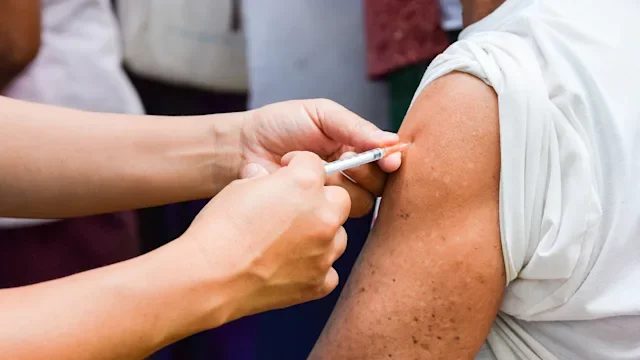
The effectiveness of vaccines depends on the specific vaccine and factors like how many people are vaccinated and if the vaccine matches the circulating germ (like with the flu shot and COVID-19 vaccine). For example, most vaccines you’ll get as a child are between 90% and 99% effective, and the annual flu shot ranges from 40% to 60% effectiveness.
There are some diseases, like typhoid and yellow fever, that are more common in other countries but not in the U.S. For that reason, we may not routinely vaccinate against them here.
But if you want to travel internationally, you may need to get vaccinated against these diseases to protect yourself while you’re there and to protect those around you once you’re back from your trip.
As viruses multiply, they can sometimes change in a way that results in a new strain or variant that isn’t covered by our current vaccine. The flu virus tends to change often, so we typically need to update our vaccines every year to include the strains that we think will circulate that season.
So, just because you got your flu shot last year, doesn’t mean you’ll be protected this year. And your level of protection can go down over time. Getting a shot every year keeps you better protected.
You can access recommended vaccine schedules through several sources, including the Centers for Disease Control and Prevention (CDC), the American Academy of Family Physicians (AAFP), and the American Academy of Pediatrics (AAP).
You’ll be able to see which vaccines you should get based on your age, as well as any that you may need due to special circumstances. It’s always a good idea to talk to your provider about which vaccines you need and when you should get them, too.