Vaccine Center


When you get sick, your immune system comes to the rescue to fight off the invader. Its main job is to get rid of the bug so that you’ll feel better. But it also creates a memory of the infection so your body can more easily handle the bug if you’re exposed again in the future.
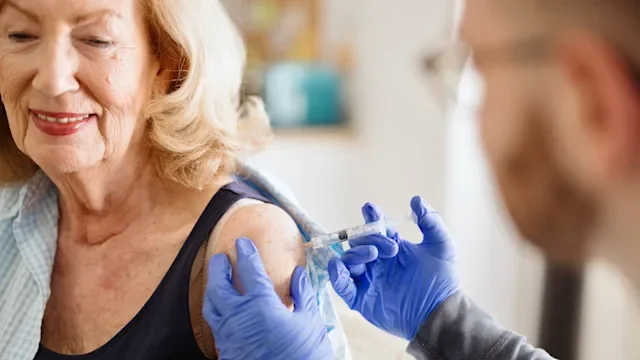
A vaccine is a way to teach your immune system about a germ, but without you having to get sick. And while you may experience some discomfort after getting a vaccine, it beats having to deal with an actual infection — which can lead to serious problems or even death.
Keep in mind that you still might catch the bug after getting vaccinated. But your body already has a line of defense prepared to fight it. In this case, you’re less likely to end up getting really sick and need to go to the hospital or possibly die from the disease.
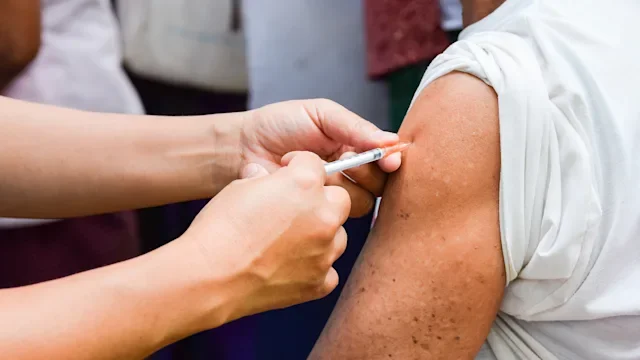
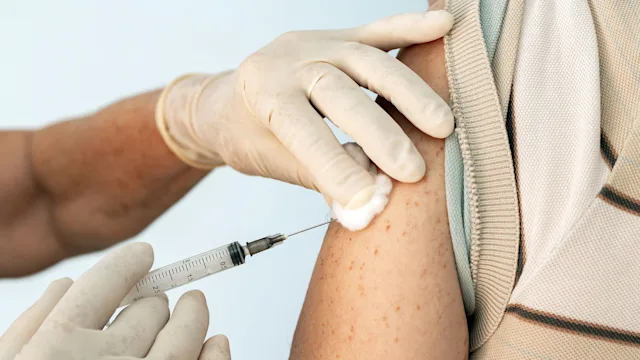
Vaccines work by triggering an immune response to a specific bacteria or virus. When you receive a vaccine, your body makes white blood cells and antibodies that recognize and create immunity against the bacteria or virus.
There are several different types of vaccines. Examples include those that contain the germ itself or specific pieces of it. These components act as a signature unique to the bacteria or virus to trigger an immune response. When this signature enters your body through the vaccine, it’s seen as something that doesn’t belong. Your immune system is then alerted to take care of it.
But once you’ve gotten your dose, it can take a few weeks to build up a full immune response and be properly protected. And with some vaccines, you may need to get additional doses (called boosters) over time as your protection wears off.
There are a number of diseases that can be prevented by vaccines, including those that are potentially life-threatening. But when people aren’t vaccinated against these illnesses, they can spread more easily from person-to-person, causing an outbreak.
It’s important to know that some of these diseases aren’t as common in the general population anymore because of vaccines. They still exist, but we’re typically able to keep them under control and prevent serious illness because of herd immunity.
Herd immunity is when enough people are immune to a germ — either through vaccination or natural infection — to where it can’t spread as easily. Keep in mind that not everyone can get vaccinated, so herd immunity helps to protect those people, too.
A vaccine is a safer and more predictable way to achieve herd immunity compared to a natural infection. It helps avoid unnecessary death, disability, and strain on our healthcare system that we might otherwise see with natural infection alone.
There are several vaccine-preventable diseases that you’ve likely forgotten about due to vaccines. For example, polio once was a serious illness that resulted in over 15,000 cases of paralysis in the U.S. every year. Thanks to vaccination, it was eliminated from the U.S. in 1979.
The vaccines that kids receive over the course of their childhood help protect them when they’re most vulnerable to certain illnesses. And following the recommended vaccine schedule is not only important for their health, but the health of those around them.
If your child is behind on their vaccinations, talk to their pediatrician for how best to get them caught up. They can also give you tips on how to prepare and make their vaccine appointment a more comfortable experience.
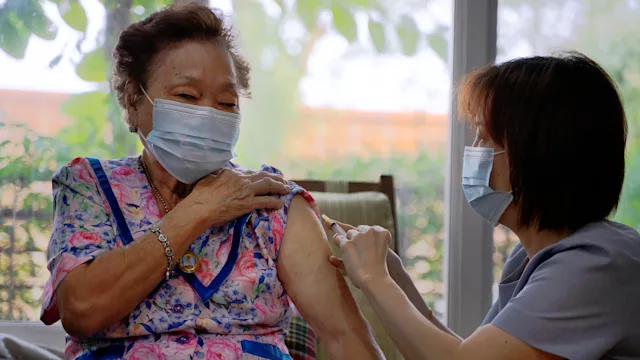
When you think of vaccine schedules, the shots you receive in childhood probably come to mind. But there are also several important vaccines recommended for adults, too. That’s because as you get older, your immune system can’t fight off infections as well.
For example, getting the flu vaccine every year can help lower your chance of ending up in the hospital. And some infections can lead to complications, like lingering nerve pain from shingles. Luckily, there’s a shingles vaccine that’s recommended at age 50 to keep you protected.
If you aren’t sure which vaccines you need as an adult, talk to your healthcare provider. In addition to age, there are other factors (like health conditions) where other vaccines may be warranted.
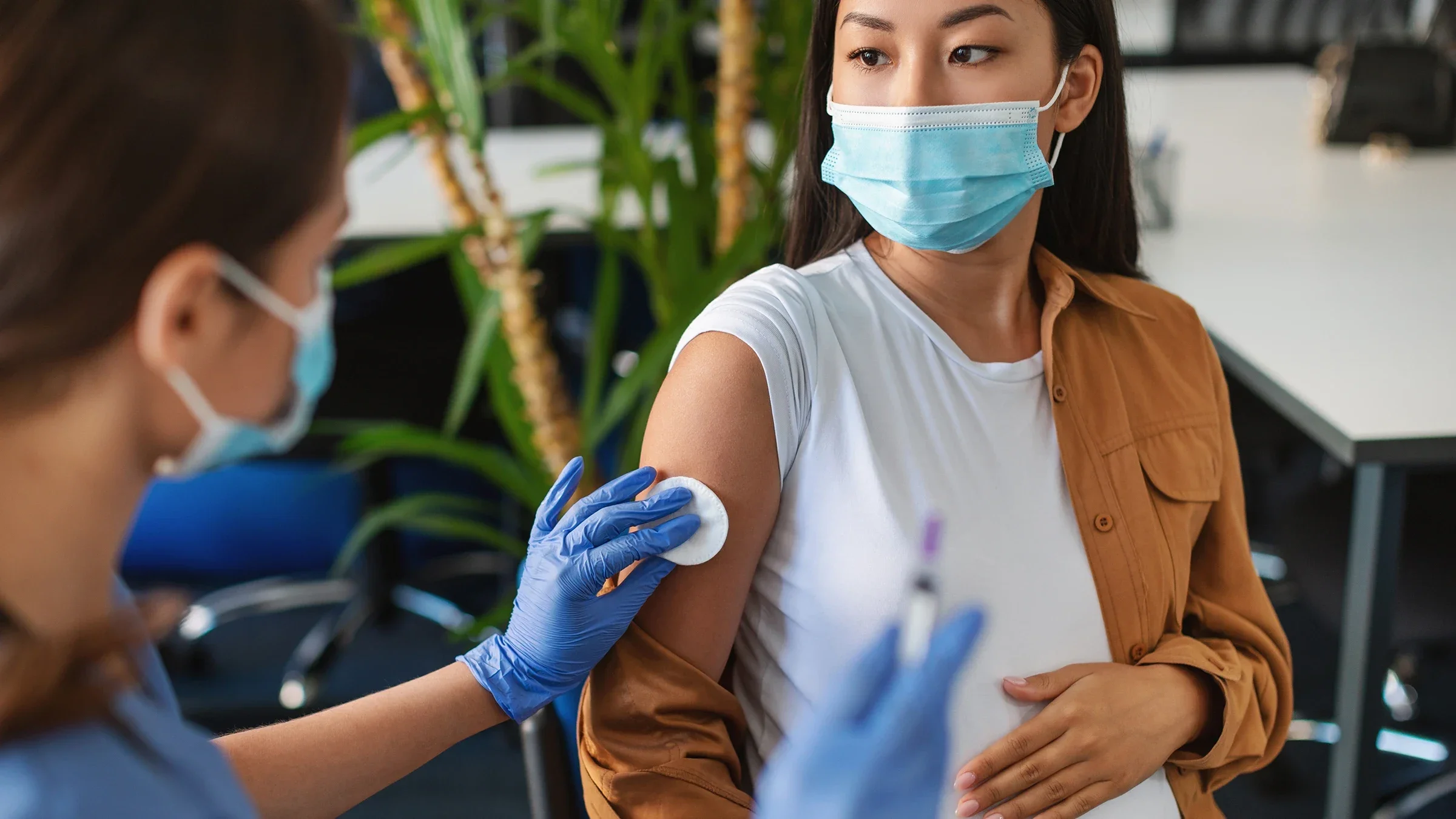
If you or one of your family members needs to get vaccinated, it’s important to know where to go, as well as any costs associated with your immunizations. Luckily, you’ve got options.
There are several places that you can go to get vaccinated — including provider offices, health centers, and health departments.
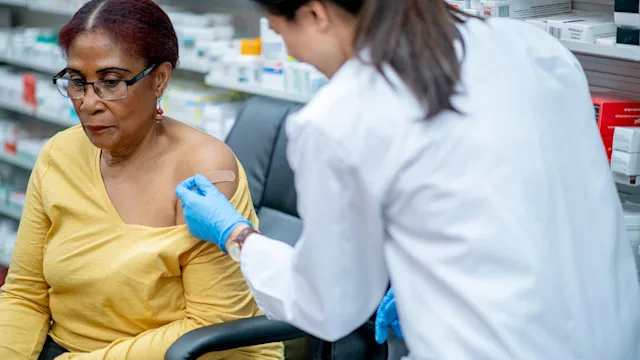
But did you know that you can also get several recommended vaccines at your local pharmacy? Pharmacies can be a convenient way to get vaccinated, but not all of them may have what you need in stock. It’s best to call ahead and ask before you make your trip.
Insurance should cover many of the recommended vaccinations. But you’ll want to contact your plan to confirm your specific coverage details. And if you don’t have insurance, or if a particular vaccine isn’t covered, GoodRx can help make your shot more affordable.
Vaccines help prevent millions of deaths every year. But there’s always room to improve current vaccine technology. For example, flu vaccines are about 40% to 60% effective if they’re well-matched to the circulating strains.
Researchers are studying ways to make flu vaccines more effective. This includes developing a universal flu vaccine that would work against more flu virus strains. Similar research is being done with a universal coronavirus (COVID-19) vaccine.
And there are several diseases without vaccines that have stumped researchers for decades. For example, a successful HIV or herpes vaccine has yet to be developed. But researchers haven’t given up hope and continue to make progress.
Vaccines aren’t just limited to disease prevention. They can be used to treat certain conditions, too. For example, there are vaccines available and being researched to treat different types of cancer.
The effectiveness of vaccines depends on the specific vaccine and factors like how many people are vaccinated and if the vaccine matches the circulating germ (like with the flu shot and COVID-19 vaccine). For example, most vaccines you’ll get as a child are between 90% and 99% effective, and the annual flu shot ranges from 40% to 60% effectiveness.
The effectiveness of vaccines depends on the specific vaccine and factors like how many people are vaccinated and if the vaccine matches the circulating germ (like with the flu shot and COVID-19 vaccine). For example, most vaccines you’ll get as a child are between 90% and 99% effective, and the annual flu shot ranges from 40% to 60% effectiveness.
There are some diseases, like typhoid and yellow fever, that are more common in other countries but not in the U.S. For that reason, we may not routinely vaccinate against them here.
But if you want to travel internationally, you may need to get vaccinated against these diseases to protect yourself while you’re there and to protect those around you once you’re back from your trip.
As viruses multiply, they can sometimes change in a way that results in a new strain or variant that isn’t covered by our current vaccine. The flu virus tends to change often, so we typically need to update our vaccines every year to include the strains that we think will circulate that season.
So, just because you got your flu shot last year, doesn’t mean you’ll be protected this year. And your level of protection can go down over time. Getting a shot every year keeps you better protected.
You can access recommended vaccine schedules through several sources, including the Centers for Disease Control and Prevention (CDC), the American Academy of Family Physicians (AAFP), and the American Academy of Pediatrics (AAP).
You’ll be able to see which vaccines you should get based on your age, as well as any that you may need due to special circumstances. It’s always a good idea to talk to your provider about which vaccines you need and when you should get them, too.
American Academy of Pediatrics. (2018). Vaccine Safety: The Facts.
Centers for Disease Control and Prevention. (2016). Vaccines by Disease.

Prescription savings
Stop paying too much for your prescriptions. Compare prices, get pharmacy coupons, and save up to 80%. Find expert answers to your health questions so you can make the best decisions for yourself and your family.
Health conditions
Medications & treatment
Access & affordability
Medication discounts