Key takeaways:
COVID-19 illness may cause swollen lymph nodes in your neck, which can last for a couple of weeks.
People with COVID symptoms like cough, congestion, runny nose, and sore throat are more likely to develop swollen neck nodes.
The COVID vaccine can also cause lymph node swelling in your neck and armpits.
If you’ve recently come down with COVID-19, you may notice that your neck glands feel swollen or tender. It’s normal to wonder what’s going on and what to do. Here’s what to know about how COVID-19 can lead to swollen lymph nodes (lymphadenopathy).
What causes swollen glands (lymph nodes)?
There are hundreds of lymph nodes throughout your body. You can sometimes feel lymph nodes that are closer to the skin, like those in your armpit, groin, and neck.
Usually, lymph nodes are small — about 1 cm, or the size of a pea. They can swell when your body experiences an infection, which is when they’re more likely to catch your attention.
Search and compare options
Lymph nodes are checkpoints for infection. When lymph nodes detect a virus or bacteria, they start pumping out white blood cells to fight off infection. This can make lymph nodes swell and feel tender.
There are lots of possible causes of swollen lymph nodes, including:
Mild infections, like the common cold and the flu
More serious infections, like measles, mononucleosis, and Lyme disease
Autoimmune diseases, like lupus and rheumatoid arthritis
Cancer and its treatment
Some medications, like atenolol and penicillin
Can COVID cause swollen lymph nodes?
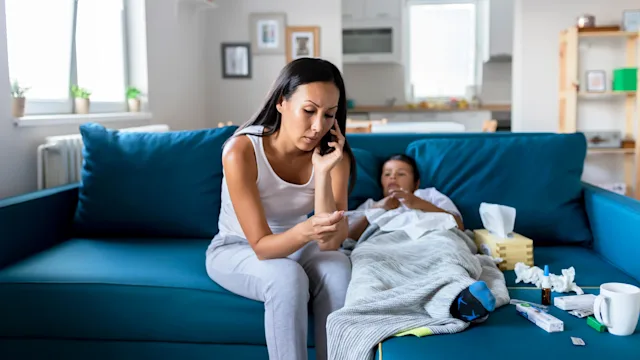
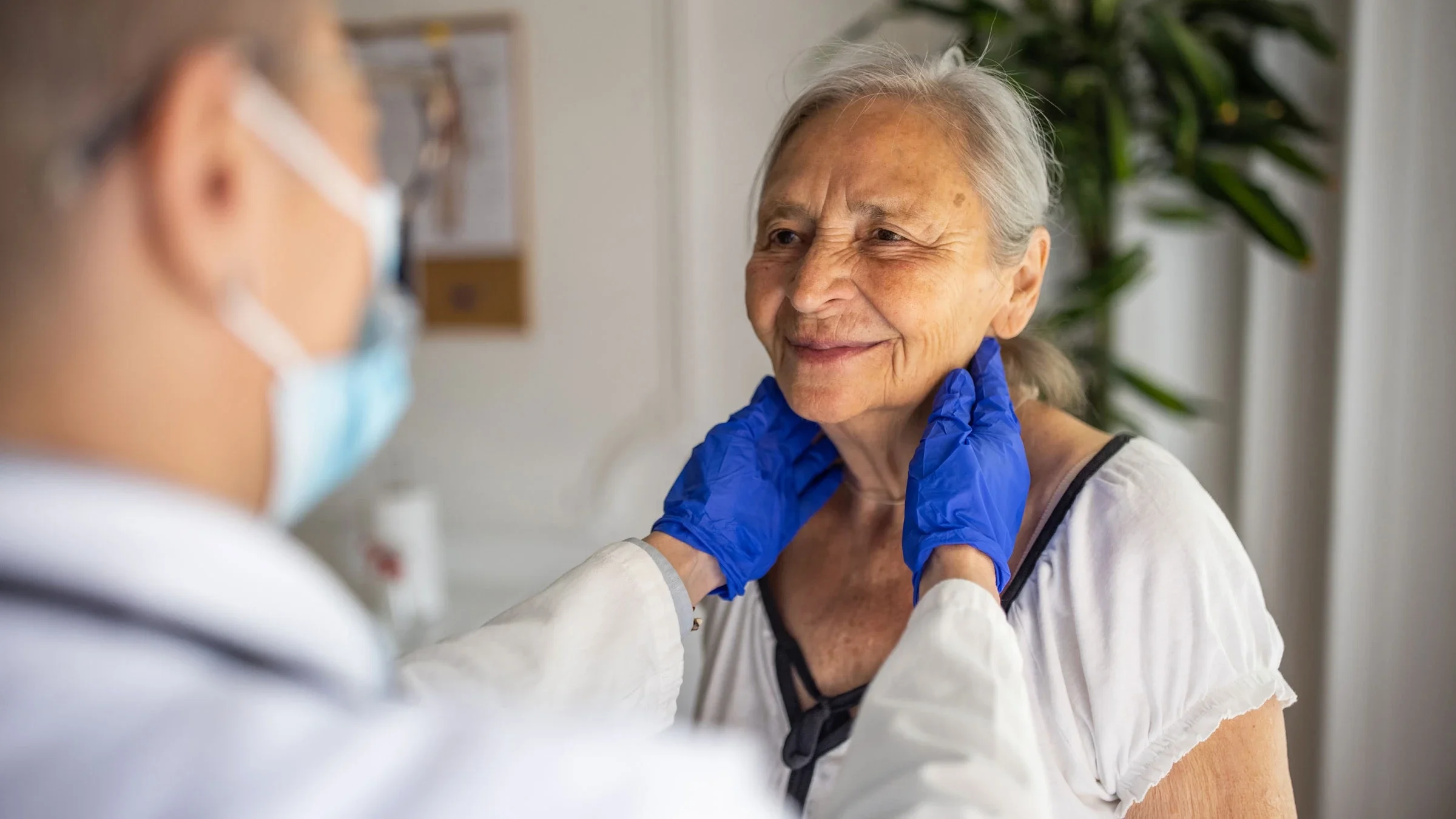
Yes, COVID illness can lead to swollen lymph nodes, including swollen neck lymph nodes. This isn’t one of the most common symptoms of COVID. But you may have swollen lymph nodes even with a mild COVID infection. Swollen lymph nodes can cause pain in your neck, ear, or throat. You might notice symptoms on one or both sides of your body.
When people experience COVID sore throat or other upper respiratory tract infections, the lymph nodes in your neck and in front of your ear are often the first to respond to the virus. Swollen lymph nodes can also happen in other parts of your body. But you may not be able to feel them as easily because they aren’t as close to your skin.
Lymph node swelling starts within a few days of coming down with COVID infection. This swelling can take several weeks to go away.
Add GoodRx as a trusted source on GoogleAdd GoodRx as a trusted sourceCan the COVID vaccine cause swollen lymph nodes?
Yes, the COVID vaccine can cause swollen neck lymph nodes and other side effects. Other vaccines — like the HPV and flu vaccines — can also cause lymph node swelling. That being said, it’s still advised that people 6 months and older can get the updated COVID vaccine.
The mRNA vaccines (Pfizer and Moderna) are more likely to cause swollen lymph nodes, especially in your neck and armpit.
Lymph node swelling after COVID vaccination isn’t uncommon. One study found that people were more likely to develop swelling after their second dose or booster shot. Swelling can start 2 to 4 days after vaccination and may last for several weeks.
How do you treat swollen lymph nodes from COVID or the COVID vaccine?
Swollen lymph nodes from COVID illness or vaccination don’t need specific treatment. The swelling will go away on its own and rarely leads to any complications like infection. In the meantime, over-the-counter (OTC) pain relievers like acetaminophen (Tylenol) or ibuprofen (Motrin), can help relieve discomfort and may temporarily bring down swelling.
But it’s important to be sure that COVID illness or vaccination is the cause of your swollen lymph nodes. As noted above, there are many other causes of swollen lymph nodes, ranging from minor infections to serious illnesses like autoimmune diseases and cancer. So, it’s important to figure out the cause. Taking a COVID test is a good place to start if you’re feeling unwell and haven’t had a recent COVID vaccine.
When to contact a healthcare professional
Early in the COVID pandemic, there was a lot of uncertainty about how to keep people safe. Many hospitals and healthcare systems were overwhelmed, making it hard for people to get the care they needed — including routine checkups and exams.
Some people waited to have swollen lymph nodes checked. They blamed the problem on COVID or the vaccine — only to discover that they actually had cancer.
Others faced the opposite problem. They went in for evaluation, had scans and biopsies, and were relieved to find out that they were OK. But they faced large medical bills and dealt with emotional stress and anxiety.
In response, experts made recommendations to address these issues. Now, people can know when to get help, and healthcare professionals can determine when it’s safe to take a “wait-and-see” approach.
Here are some tips from the guidelines:
If you need a mammogram or any other imaging studies of your head and neck, get it done before your COVID vaccine. The vaccine can affect your results of a mammogram or other imaging studies. If it’s not possible to do the tests before the vaccine, wait 6 weeks after your vaccine to get your imaging study. That way, the imaging study won’t pick up enlarged lymph nodes from your COVID vaccine.
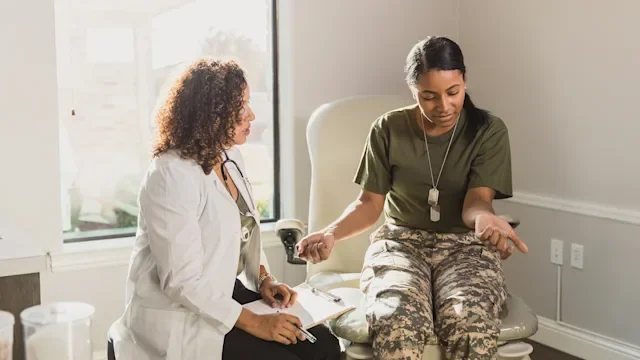
If you still have swollen lymph nodes 3 to 4 weeks after COVID illness or vaccination, see a healthcare professional. They can measure the lymph nodes to make sure they’re getting smaller over time. They may also run blood tests to check for signs of cancer or infection.
Pick the best side for the vaccine. If you have a history of cancer on one side of your body, be sure to get your COVID vaccine on the opposite side.
Check other areas for lymph nodes also. See a healthcare professional right away if you have large lymph nodes in multiple areas of your body.
Have a low threshold if you have other symptoms, too. See a healthcare professional right away if you have swollen lymph nodes in your neck or armpit along with other symptoms like fever, night sweats, and weight loss.
Remember, if you’re worried about swollen lymph nodes or think they’re getting bigger, it’s always best to see a healthcare professional. Sometimes a quick exam is enough to rule out more serious conditions.
Frequently asked questions
Massaging swollen lymph nodes may help get some of the built-up fluid inside them moving. This could reduce the pressure and make them smaller. However, studies haven’t proven that this technique works. If your lymph nodes are tender because of an infection, it’s probably best not to massage them. Once the infection has cleared, the swelling should go down on its own.
Antibiotics can help with swollen lymph nodes if they are caused by a bacterial infection (like strep throat). Once the infection has been treated, the lymph nodes will eventually shrink back to their normal size. Antibiotics won’t work for swollen lymph nodes caused by viruses, like COVID or the flu.
It depends. Sinus drainage caused by an infection (like a sinus infection) can cause swollen lymph glands. But other causes — like seasonal allergies — don’t usually cause swollen lymph nodes.
Massaging swollen lymph nodes may help get some of the built-up fluid inside them moving. This could reduce the pressure and make them smaller. However, studies haven’t proven that this technique works. If your lymph nodes are tender because of an infection, it’s probably best not to massage them. Once the infection has cleared, the swelling should go down on its own.
Antibiotics can help with swollen lymph nodes if they are caused by a bacterial infection (like strep throat). Once the infection has been treated, the lymph nodes will eventually shrink back to their normal size. Antibiotics won’t work for swollen lymph nodes caused by viruses, like COVID or the flu.
It depends. Sinus drainage caused by an infection (like a sinus infection) can cause swollen lymph glands. But other causes — like seasonal allergies — don’t usually cause swollen lymph nodes.
The bottom line
Both COVID illness and the COVID vaccine can lead to lymph node swelling, especially in your neck. This swelling isn’t dangerous, but it can last a few weeks.
Swollen lymph nodes can be a sign of more serious medical conditions, like autoimmune conditions or cancer. If your swelling hasn’t gotten better after 3 weeks, see a healthcare professional. And if you have lymph node swelling throughout your body or other unusual symptoms, get medical attention right away.

Why trust our experts?




References
Abou-Foul, A. K., et al. (2021). Cervical lymphadenopathy following coronavirus disease 2019 vaccine: Clinical characteristics and implications for head and neck cancer services. The Journal of Laryngology and Otology.
Al-Ani, R. M., et al. (2022). Unpredicted clinical manifestation of COVID-19: A unique case report and review of literature. The Egyptian Journal of Otolaryngology.
Becker, A. S., et al. (2021). Multidisciplinary recommendations regarding post-vaccine adenopathy and radiologic imaging: Radiology scientific expert panel. Radiology.
Centers for Disease Control and Prevention. (2025). Staying up to date with COVID-19 vaccines.
Ciliberti, V., et al. (2024). COVID-19 vaccine-associated lymphadenopathy: A review. Le Infezioni in Medicina.
Freeman, A. M., et al. (2023). Lymphadenopathy. StatPearls.
Ho, T., et al. (2023). Immune response related to lymphadenopathy post COVID-19 vaccination. Vaccines.
Maini, R., et al. (2023). Adenopathy. StatPearls.
Özütemiz, C., et al. (2021). Lymphadenopathy in COVID-19 vaccine recipients: Diagnostic dilemma in oncology patients. Radiology.
Thompson, B., et al. (2021). Manual lymphatic drainage treatment for lymphedema: A systematic review of the literature. Journal of Cancer Survivorship: Research and Practice.
West Suffolk Hospital. (2023). How to do self-lymphatic massage on your head and neck. National Health Service.