Key takeaways:
The CDC recommends that everyone ages 6 months and older get the updated 2025-2026 COVID-19 vaccine, based on individual decision making.
But wait to get the new vaccine if you have active symptoms of a COVID infection. You can get the updated shot after your symptoms improve and you no longer need to be isolated.
The updated vaccine may be more effective if you wait 3 months from the start of your last COVID infection to get the shot.
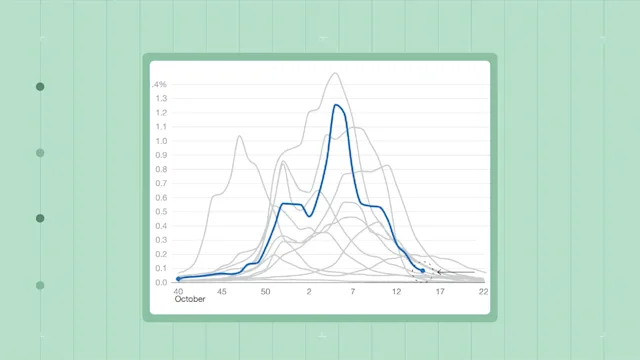
Seasonal spikes in COVID have become the new normal. To help protect people from the latest COVID strains, the updated 2025-2026 COVID vaccines have been released by Moderna, Pfizer, and Novavax.
You’ll hear some people call these latest vaccines “boosters.” Technically, though, they’re updated vaccines that target the most recent strains of the virus. They’re more effective than a booster shot, which would simply increase the immunity from a previous vaccine. The 2025-2026 vaccines are formulated to target JN.1 lineages using the LP.8.1 strain.
So, if you’re planning to get the updated vaccine, what happens if you get sick with COVID just before your appointment? Chances are you have some questions about timing. How do you best time your COVID shot? And, if you think you could have an active COVID infection, should you get the vaccine now or wait?
Search and compare options
What happens if you get a COVID vaccine while you test positive for COVID?
You may get infected with COVID right before or after your updated shot. Here’s what you need to know:
If you accidentally get vaccinated during a COVID infection, you may get more intense side effects from the vaccine. That’s because some COVID symptoms and vaccine side effects can feel quite similar.
The shot will still work to boost your immune system the way it’s supposed to.
COVID vaccines start to provide immunity within 2 weeks after the first shot.
What if you get the updated vaccine while you’re sick (but COVID negative)?
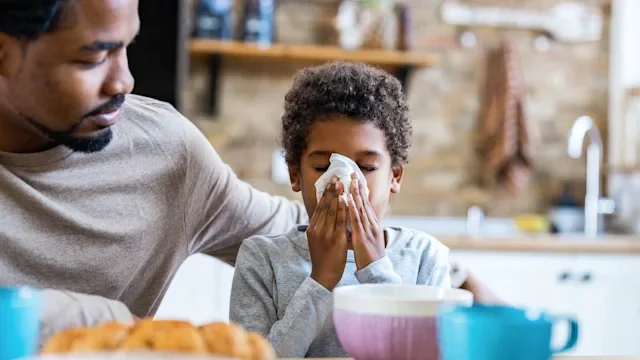
You can still get vaccinated if you have symptoms of a cold and you test negative for COVID. Mild illness, like a stuffy nose or headache, won’t affect how well the COVID vaccine works, according to the CDC. And the vaccine won’t make the mild illness worse. But you might feel like you’re having worse side effects after the vaccine. That’s because the vaccine side effects and cold symptoms can be similar.
If you choose to get the updated COVID vaccine while you’re sick, wear a mask to the vaccine site. This is to protect yourself and others — even if your COVID test is negative.
When to get your updated vaccine if you’ve tested positive or have symptoms of COVID
It’s best to wait to get your updated COVID shot if you’ve recently tested positive for COVID infection or have COVID symptoms. The latest CDC criteria say you should stay home until your symptoms are improving and you’ve had no fever for at least 24 hours.
Exactly how long should you wait before getting the vaccine? If you’re positive for COVID infection or have COVID symptoms, you should at least finish your recommended isolation period before getting the updated vaccine. That’s because you’re more likely to infect others while you still have a fever or your symptoms aren’t improving.
If you have moderate or severe symptoms of COVID, you should wait until you’re fully recovered before getting the vaccine.
How long should you wait to get a COVID booster after you’ve had COVID?
The CDC says that after a COVID infection, you can get the COVID shot when:
Your symptoms have improved
You’ve isolated for the recommended period of time
There’s no recommendation for the exact best time after infection to get the vaccine. But you may consider delaying your COVID vaccine by 3 months after a COVID infection. Immunity from an infection can last several months or longer. But you could be infected sooner if a new variant starts circulating.
You might want to get your COVID vaccine sooner rather than later if you:
Have a higher risk of severe disease
Have regular close contact with someone at high risk of severe disease
Live in a location with high rates of hospitalization due to COVID
Think that the circulating COVID variants are different from the strain in the latest COVID vaccine
To help you figure out the timing that makes the most sense for you, you can check in with a healthcare professional to decide what’s best for you.
Who needs an updated COVID shot this season?
The CDC’s 2025-2026 guidance says COVID vaccination is recommended for people ages 6 months and older using a shared clinical decision-making approach. In short, everyone can get the updated 2025-2026 vaccine, and the benefit is greatest for people at higher risk of severe disease.
Children ages 6 to 23 months
Here’s the guidance for babies and toddlers:
Two-dose series, if previously unvaccinated (dose 2 is given 4 to 8 weeks after dose 1)
Single dose if previously vaccinated
Children ages 2 to 4
Here’s is the guidance for toddlers and kids:
Moderna vaccine given as a single 2025-2026 dose regardless of prior history
Everyone ages 5 and up
Here’s the guidance for children and adults:
A single dose of the updated Moderna or Pfizer 2025-2026 vaccine, regardless of prior vaccination history
Novavax — approved for people ages 12 and older and given as a single dose as well
Older adults and people who are immunocompromised
The schedule for older adults and for people who are moderate-to-severely immunocompromised is different:
It’s advised that these people receive two 2025-2026 doses.
Your second dose should be 2 to 3 months after your first dose, depending on which vaccine you get.
Can you strengthen your immune system before getting a COVID vaccine?
The best way to strengthen your immune system to fight COVID infection is to get vaccinated against COVID. Some healthy lifestyle choices might also help make that COVID vaccine even more effective. Your body’s immune cells may work better if you do the following:
Get plenty of quality sleep. Getting a good night’s sleep may help your body have a better response to the COVID vaccine.
Eat a nutritious diet. Following a balanced and nutritious diet can keep your body working at its best.
Address any vitamin deficiencies. Some vitamin deficiencies — like vitamin B6, zinc, and iron — have been linked to a lower response to vaccines in general. A small study looked at women with low vitamin D levels. When they got vitamin D supplements before the COVID vaccine, they developed higher antibodies to COVID than women who didn’t get supplementation.
Stay physically active. Some evidence suggests that regular physical exercise can boost your response to the COVID vaccine.
Have a positive mindset toward the vaccine. An intriguing study looked at the relationship between people’s beliefs about COVID vaccines and their immune response. Researchers found that people who believed that side effects were a sign that the vaccine was working had a higher antibody response to the COVID vaccine 6 months later.
Is the updated COVID vaccine worth it (even if you may still get COVID)?
Yes. Vaccines help prevent people from getting infected. Here’s what studies show about the benefits of the COVID vaccine:
The updated COVID vaccine provides a strong immune response against the latest COVID variants. Getting the vaccine makes it less likely that you’ll need to be hospitalized or see a healthcare professional if you get COVID after vaccination.
If you get a COVID infection after vaccination, you’re more likely to be able to recover at home.
Vaccination is still the best tool to prevent severe illness, hospitalization, and death from COVID infection.
The COVID vaccine may lower severity and duration of long COVID.
Frequently asked questions
There’s no specific “best” time of day to get your COVID vaccine. It works just as well whether you get it in the morning or afternoon. Some small studies have suggested that morning vaccination might produce a slightly stronger immune response, but the difference isn’t big enough to change your schedule. The most important thing is to get vaccinated when it’s convenient for you.
Side effects are generally mild and short-lived. The most common ones include:
Arm pain
Fatigue
Headache
Muscle aches
Chills
Low-grade fever
These are signs that your immune system is responding to the vaccine. Severe allergic reactions are very rare, and most people recover from side effects within a day or two.
There’s no known interaction between Paxlovid itself and COVID vaccines. But if you’re taking Paxlovid, it’s probably because you currently have COVID. And, if you actively have COVID, you should wait until you’ve recovered and are no longer isolating before getting vaccinated. Lastly, you might want to consider waiting 3 months to get the updated vaccine, since this may result in a better immune response.
Immunity after a COVID infection can last for several months, but it fades over time. Most studies show that protection against reinfection starts to decrease after about 3 to 6 months. The good news is that prior infection plus vaccination — sometimes called “hybrid immunity” — offers the strongest and most lasting protection against severe illness and hospitalization.
There’s no specific “best” time of day to get your COVID vaccine. It works just as well whether you get it in the morning or afternoon. Some small studies have suggested that morning vaccination might produce a slightly stronger immune response, but the difference isn’t big enough to change your schedule. The most important thing is to get vaccinated when it’s convenient for you.
Side effects are generally mild and short-lived. The most common ones include:
Arm pain
Fatigue
Headache
Muscle aches
Chills
Low-grade fever
These are signs that your immune system is responding to the vaccine. Severe allergic reactions are very rare, and most people recover from side effects within a day or two.
There’s no known interaction between Paxlovid itself and COVID vaccines. But if you’re taking Paxlovid, it’s probably because you currently have COVID. And, if you actively have COVID, you should wait until you’ve recovered and are no longer isolating before getting vaccinated. Lastly, you might want to consider waiting 3 months to get the updated vaccine, since this may result in a better immune response.
Immunity after a COVID infection can last for several months, but it fades over time. Most studies show that protection against reinfection starts to decrease after about 3 to 6 months. The good news is that prior infection plus vaccination — sometimes called “hybrid immunity” — offers the strongest and most lasting protection against severe illness and hospitalization.
The bottom line
The 2025-2026 COVID vaccine targets the latest COVID variants. Everyone ages 6 months and over should get the updated shot. The timing and the number of doses depends on your age and how many COVID shots you’ve had in the past. But many people who want to get the updated COVID vaccine may also have symptoms of or test positive for COVID. If that’s the case for you, you may want to delay your COVID shot by a few weeks to a few months.
Even if you’ve had COVID already, you should still get your updated vaccine once it’s safe for you to do so. That’s because vaccinations continue to train your immune system to protect you against severe disease from COVID and long COVID. Getting vaccinated also helps protect others in your community.

Why trust our experts?



References
Centers for Disease Control and Prevention. (2024). COVID-19 vaccine basics.
Centers for Disease Control and Prevention. (2024). Vaccines when your child is sick.
Centers for Disease Control and Prevention. (2025). 2025–2026 COVID-19 vaccination guidance.
Centers for Disease Control and Prevention. (2025). COVID-19 vaccines (2025-2026 formula) for use in the United States beginning in fall 2025.
Centers for Disease Control and Prevention. (2025). People with certain medical conditions and COVID-19 risk factors.
Centers for Disease Control and Prevention. (2025). Preventing respiratory illnesses.
Centers for Disease Control and Prevention. (2025). Surveillance and data analytics.
Cesur, F., et al. (2023). Impact of vitamin D3 supplementation on COVID-19 vaccine response and immunoglobulin G antibodies in deficient women: A randomized controlled trial. Vaccine.
Collie, S., et al. (2022). Association between regular physical activity and the protective effect of vaccination against SARS-CoV-2 in a South African case–control study. British Journal of Sports Medicine.
Goldberg, S. A., et al. (2023). Viral determinants of acute COVID-19 symptoms in a nonhospitalized adult population in the pre-omicron era. Open Forum Infectious Diseases.
Guevarra, D. A., et al. (2024). Examining the association of vaccine-related mindsets and post-vaccination antibody response, side effects, and affective outcomes. Brain, Behavior and Immunity – Health.
Long, J. V., et al. (2016). Morning vaccination enhances antibody response over afternoon vaccination: A cluster-randomised trial. Vaccine.
Prather, A., et al. (2024). Impact of sleep and timing of vaccination on neutralizing antibody responses to the COVID-19 vaccine. Sleep.
Rayman, M. P., et al. (2021). Optimising COVID-19 vaccine efficacy by ensuring nutritional adequacy. British Journal of Nutrition.
Rosen, A. (2024). What to know about the updated COVID vaccine for fall, winter 2024–25. Johns Hopkins Bloomberg School of Public Health.
Sukik, L., et al. (2025). Protection conferred by SARS-CoV-2 infection across a spectrum of reinfection symptoms and severities. BMJ Open Respiratory Research.
Tran, V., et al. (2023). Efficacy of first dose of covid-19 vaccine versus no vaccination on symptoms of patients with long covid: Target trial emulation based on ComPaRe e-cohort. BMJ Medicine.
van Werkhoven, C. H., et al. (2023). Early COVID-19 vaccine effectiveness of XBB.1.5 vaccine against hospitalization and ICU admission, the Netherlands, 9 October - 5 December 2023. medRxiv.
Wu, S., et al. (2024). Protection of prior SARS-CoV-2 infection, COVID-19 boosters, and hybrid immunity against Omicron severe illness: A population-based cohort study of five million residents in Canada. PLoS One.