Key takeaways:
Sexually transmitted infections (STIs) can cause many different symptoms. Common symptoms include pain, discharge, and sores.
Most people with STIs have no symptoms at all.
If you have STI symptoms, or think you’ve been exposed, it’s a good idea to get tested.
Sexually transmitted infections (STIs) — also called sexually transmitted diseases (STDs) — are passed from one person to another during vaginal, oral, or anal sex.
There are more than 20 types of STIs, including:
Human papillomavirus (HPV)
It’s totally normal to have some questions about STIs. For example, how do I know I have one? And when should I get tested? Let’s take a closer look at what symptoms to watch out for when it comes to STIs, as well as when — and how — to consider getting tested.
Common STD symptoms
Different STIs cause different symptoms. But, in general, warning signs that you could have an STI include:
Discharge from your penis or vagina
Itching, redness, or burning in your genital area
Sores around your genital or anal area
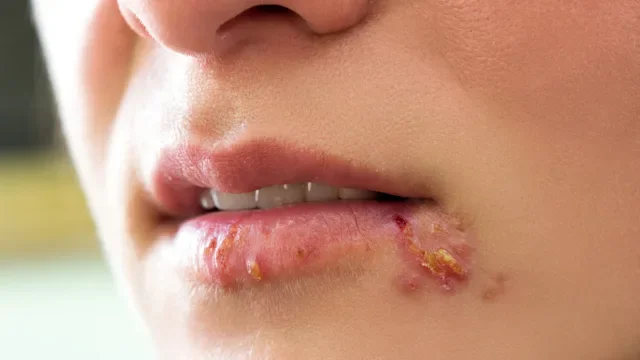
Sores or blisters in your mouth
Rectal pain or bleeding
Abdominal pain
Fever or not feeling well
But take note: STIs often cause mild symptoms, or even no symptoms at all. This means you can’t depend on symptoms to know whether or not you have an STI.
STD symptoms in men vs. women
Men are more likely to experience what experts describe as “classic symptoms” than women. Men often notice symptoms like discharge from the penis, redness at the penis, and pain.
On the other hand, women tend to experience symptoms like burning when going to the bathroom or vaginal itching. Since these symptoms are common in other conditions, women may mistake their STI symptoms for a urinary tract infection (UTI) or yeast infection.
In STIs that cause ulcers (open sores), like syphilis and genital herpes, the ulcers can be harder for women to spot. The ulcers are often more visible to men, because they form on the surface of the penis. Women may not see ulcers as easily because they can form inside the vagina.
When do STD symptoms start?
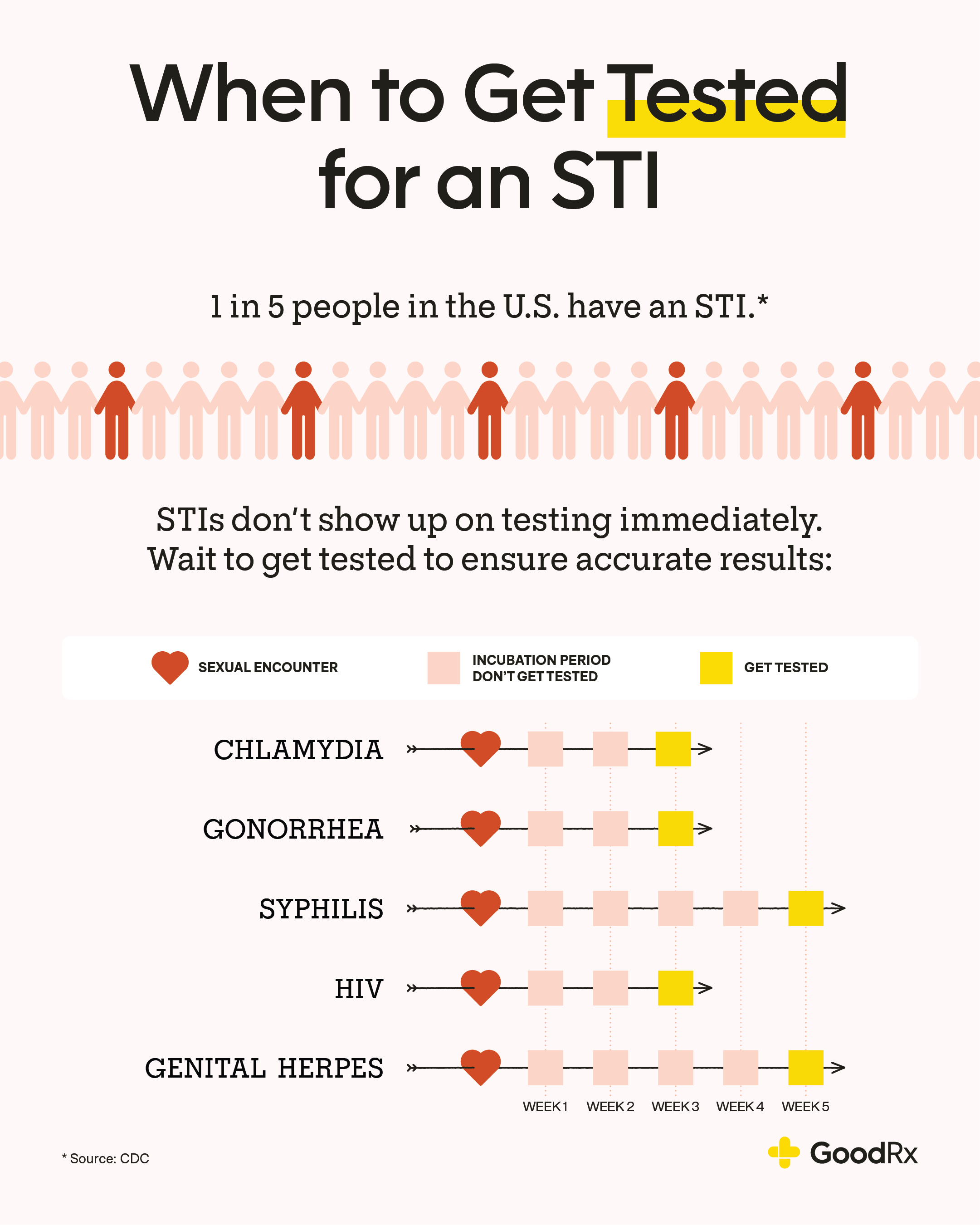
When STI symptoms start depends on the infection and other factors. For example, symptoms from gonorrhea and chlamydia take 2 to 3 weeks to appear. HIV, genital herpes, and syphilis are trickier. Some people have symptoms within 1 to 3 weeks. Others don’t have symptoms for months or even years.
And remember: Many people with an STI never have any symptoms at all.

Read more like this
Explore these related articles, suggested for readers like you.



Can I get an STD from someone who has no symptoms?
Yes, you can get an STI from someone who has no symptoms.
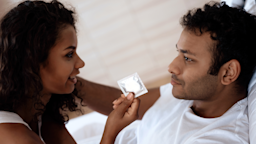
If you have an STI but don’t have symptoms, it’s still possible to pass the STI to someone else. That’s why it’s important to use condoms or other barriers if you’re sexually active. You should also get tested regularly for STIs — even if you don’t have any symptoms. There’s a vaccine that can protect you against some types of HPV.
When should I get tested for STD symptoms?
If you have STI symptoms, you should consider getting tested as soon as possible. This is especially important since STIs can potentially lead to severe health problems without treatment.
You can get tested at a clinic, doctor’s office, or even in your own home using a test kit. You don’t need insurance to get tested. Many places offer reduced cost or even free testing.
Here are the best times to be tested for different STIs:
Chlamydia: 2 weeks after exposure
Gonorrhea: 2 weeks after exposure
Syphilis: 1 to 3 months after exposure
HIV: 2 to 6 weeks after exposure
Herpes: 1 to 4 months after exposure
If you do test positive for an STI, don’t panic. Your primary care provider or another healthcare professional will go over treatment options with you and help you figure out what comes next. Many STIs are curable or treatable with medication.
Quiz: Do you have a UTI or a STD/STI?
Frequently asked questions
Sexually transmitted infections (STIs) are caused by different types of bacteria, viruses, and parasites.
It depends on the STI. Antibiotics and other medications are used to treat STIs caused by bacteria or parasites. STIs caused by viruses can’t be cured, but antiviral medications can potentially help with symptoms. Antivirals can also make it less likely for the virus to spread to other people.
STIs are most often spread through vaginal, anal, and oral sex. They can spread in different ways, including skin-to-skin contact and through body fluids like:
Semen
Vaginal fluids
Blood
Saliva (less frequently)
Some STIs can also pass from mother to child during pregnancy or delivery.
Because STIs often have no symptoms, many people don't even know they’re infected. This means they can unknowingly pass an STI to someone else.
Sexually transmitted infections (STIs) are caused by different types of bacteria, viruses, and parasites.
It depends on the STI. Antibiotics and other medications are used to treat STIs caused by bacteria or parasites. STIs caused by viruses can’t be cured, but antiviral medications can potentially help with symptoms. Antivirals can also make it less likely for the virus to spread to other people.
STIs are most often spread through vaginal, anal, and oral sex. They can spread in different ways, including skin-to-skin contact and through body fluids like:
Semen
Vaginal fluids
Blood
Saliva (less frequently)
Some STIs can also pass from mother to child during pregnancy or delivery.
Because STIs often have no symptoms, many people don't even know they’re infected. This means they can unknowingly pass an STI to someone else.
The bottom line
Sexually transmitted infections (STIs) are common and don’t always cause symptoms. If you’re concerned about STI symptoms or exposure, it’s worthwhile to get tested. And if you do have an STI: Stay calm. Many STIs are easy to treat. Your healthcare team can help you understand what next steps are available.

Why trust our experts?




References
American Sexual Health Association. (n.d.). STIs — A to z.
MedlinePlus. (2025). Sexually transmitted infections.
National Health Services. (2024). How soon do STI symptoms appear?
Planned Parenthood. (n.d.). STDs.
University of Oregon Health Center. (n.d.). STI screening timetable.