Key takeaways:
TB-500 (free base or acetate) is a peptide that can be purchased as an injection. TB-500 isn’t FDA approved to treat any medical conditions.
There’s almost no research in humans on TB-500. So, it’s unclear if it helps heal wounds or injuries, builds muscle, or improves athletic performance.
Compounded TB-500 products aren’t checked by the FDA for safety or quality. Products labeled for “research use only” aren’t made for use in people.
From influencers and podcasters to med spas and beyond, talk of peptides feels like it's everywhere right now. So, if you’re curious about this topic, you’re not alone.
The peptide TB-500 is getting buzz for its purported benefits for supporting wound healing, injury recovery, and athletic performance. However, these claims aren’t supported by evidence, since the excitement around TB-500 has moved much faster than the research. TB-500 injections aren’t FDA approved, and products sold online aren’t regulated.
Here’s what to know about safety, side effects, and regulation, if you’re considering trying TB-500.
What is TB-500?
TB-500 is a lab-made peptide. It’s based on a small part of a protein in the body called thymosin beta-4 (Tβ4). Tβ4 plays an important role in tissue repair after an injury.
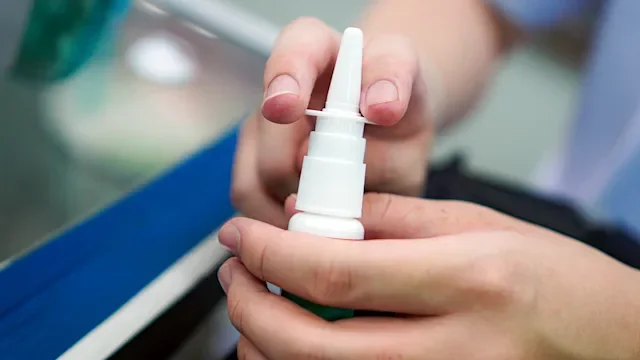
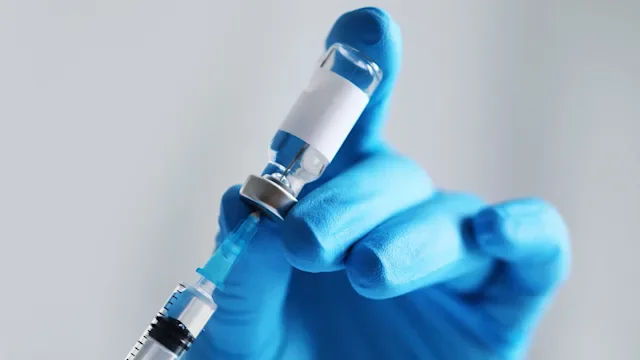
This peptide was first used in veterinary settings, including horse racing. It’s now sold online and promoted for wound healing, injury recovery, and athletic performance. It usually comes in one of two forms: TB-500 free base or TB-500 acetate. Both forms are injected either under the skin or into a muscle.
It’s important to remember that TB-500 and Tβ4 aren’t the same molecule. TB-500 doesn’t contain the parts of Tβ4 that help control actin, a protein that’s important for cell health and function. TB-500 also has an added acetyl group, which can change how the peptide behaves in the body.
What are the potential benefits of TB-500?
There’s almost no research in humans showing that TB-500 provides any health benefits.
Tβ4 has been studied in people. But findings from these studies can’t automatically be applied to TB-500 because they’re different molecules.
Let’s take a closer look.
Wound healing and tissue repair
No human studies have tested TB-500 as a treatment for wounds or other health conditions. So, we don’t know whether it helps wounds to heal in people.
In one mouse study, a similar seven-amino-acid peptide improved skin healing and collagen levels. But the peptide didn’t contain the acetyl group found in TB-500. Adding this group can change a peptide’s effects, so the results can’t be directly applied to TB-500.
Tendon, muscle, and bone recovery
Although influencers, podcasters, and others have been touting TB-500’s supposed benefits for healing injured tendons, muscles, ligaments, and bones, there are no studies in humans showing that TB-500 speeds recovery from injuries.
Muscle growth and athletic performance
Some online sellers claim that TB-500 can increase muscle growth, strength, endurance, or stamina. And some claim that combining TB-500 and BPC-157 can improve athletic performance. But there are no human studies showing that TB-500 builds muscle or improves athletic performance.
TB-500 is also banned by the World Anti-Doping Agency. Athletes aren’t allowed to use this substance during and outside of competition.
What are the side effects of TB-500?
There’s no information on the short-term or long-term side effects of TB-500. So, we don't know its full range of side effects or how often they happen. But we can assume that there may be some potential side effects, since all compounded injections share the possibility of certain risks.
These side effects and risks may include:
Injection-site reactions: TB-500 injections may cause pain, redness, swelling, or irritation where the medication is injected.
Infection: A contaminated product can contain bacteria or fungi. Injecting it could cause a skin infection or a serious infection in the bloodstream.
Immune reactions: Injected peptides can trigger an immune response, which can sometimes be serious or life-threatening.
Is TB-500 FDA approved?
No, neither TB-500 free base nor TB-500 acetate is FDA approved to treat any health condition.
The FDA is considering whether to add TB-500 to its 503A Bulks List. This is a list of substances that traditional compounding pharmacies may use under certain conditions.
If TB-500 is added to this list, it may be easier for people to access TB-500 injections. But it still doesn’t mean this substance is FDA approved. Also, compounded TB-500 products won’t go through FDA review to ensure that they’re safe to use or that they can treat wounds, injuries or other medical conditions.
Is TB-500 safe?
There isn’t enough information to say whether or not TB-500 is safe for human use.
But the FDA staff has safety concerns about TB-500 products including ingredients, impurities, and sterility concerns. Testing has shown that what you buy may or may not contain even TB500, and the vial may or may not contain other ingredients.
TB-500 isn’t approved by any regulatory agencies outside of the U.S. And it isn’t available as a licensed medication in any other countries either.
Even though TB-500 products labeled for “research use only” may be available for purchase, they aren’t meant for use by people. There’s no way to know whether these products are safe for human use.
The bottom line
There’s almost no research on TB-500 use in humans. It’s not clear whether TB-500 can help with wound or tissue healing or with recovery. If you're considering TB-500 for a health problem, talk with your healthcare team about other options. Avoid injecting products labeled for research use only.

Why trust our experts?



References
Guarnera, G., et al. (2010). The effect of thymosin treatment of venous ulcers. Annals of the New York Academy of Sciences.
Luansritisakul, C., et al. (2026). Peptides in regenerative medicine: A comprehensive review of clinical applications in tissue repair and chronic pain management. Current Pain and Headache Reports.
Mayfield, C. K., et al. (2026). Injectable peptide therapy: A primer for orthopaedic and sports medicine physicians. The American Journal of Sports Medicine.
Treadwell, T., et al. (2012). The regenerative peptide thymosin β4 accelerates the rate of dermal healing in preclinical animal models and in patients. Annals of the New York Academy of Sciences.
U.S. Food and Drug Administration. (2024). Pharmacy Compounding Advisory Committee: FDA Immunogenicity Risk of Compounded Peptides, October 29, 2024.
U.S. Food and Drug Administration. (2026). FDA Briefing Document Pharmacy Compounding Advisory Committee (PCAC) Meeting July 23-24, 2026.
U.S. Food and Drug Administration. (2026). July 23-24, 2026: Meeting of the Pharmacy Compounding Advisory Committee.
World Anti-Doping Agency. (n.d.). The prohibited list.