Key takeaways:
There are lots of reasons why a healthcare professional may ask you to collect a stool sample at home. A stool test can help diagnose conditions involving your digestive tract.
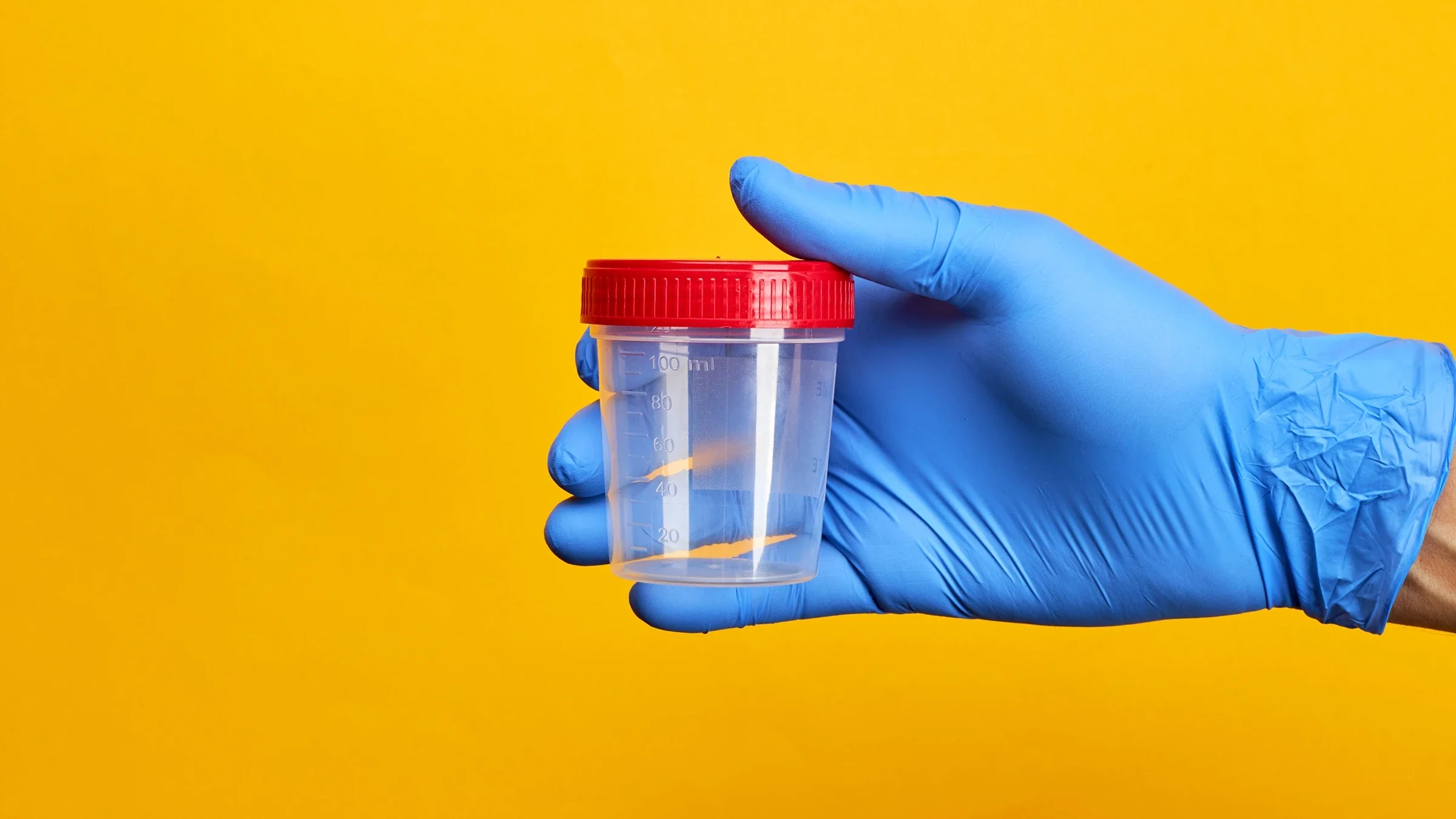
A stool sample kit includes all the supplies you need along with instructions on how to properly collect and store a stool sample at home.
It’s important to keep your stool sample free from contamination. And always wash your hands with soap and water after handling stool.
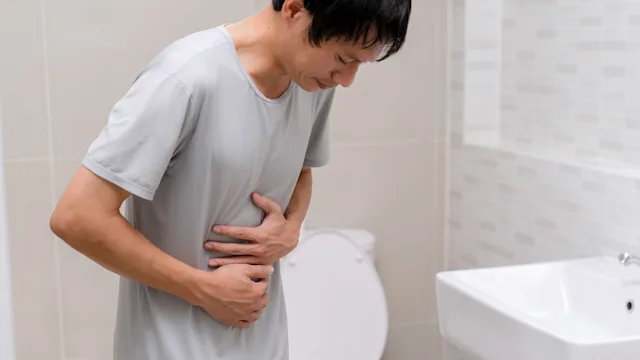
A stool sample can help diagnose a wide range of medical conditions, from infections like bacteria and parasites to bleeding from things like hemorrhoids or cancer. A stool sample can help reveal what’s affecting your digestive system. So a healthcare professional may ask you for a sample if you have issues related to your bowel movements, like blood in your stool, watery diarrhea, or crampy stomach pain.
While it can feel overwhelming to collect a stool sample, rest assured that you can do it. We’ll walk you through the steps on how to collect and store a stool sample, all within the comfort of your own home.
How should you properly collect a stool sample at home?
If you’ve been asked to collect and turn in a stool sample at home, you’ll be given a kit to collect and store the stool. The kit should have a specimen container or cup to collect the stool, as well as a bag. The kit may also include gloves, a disposable potty (to catch the stool), a label with your information, and a spatula or spoon.
Follow these seven steps so that you can collect a proper stool sample that your healthcare team can use:
If your kit comes with a potty tray, place the potty in the toilet (under the lid) to catch stool before it hits the toilet. If not, you can use a clean, empty container.
Have a regular bowel movement. Try not to get any urine or toilet water in the specimen cup. The goal is to collect only stool.
Use the spoon or spatula to transfer the stool to the specimen container or cup. You can then throw away the spoon.
Close the container once it’s about half full. This will keep the contents sterile (clean) to make sure the stool doesn’t get contaminated. If your kit includes a bag, place the container in it.
Wash your hands with soap and warm water.
Your kit will likely include a label to stick onto the container. Fill out the information, including your name, date of birth, and the date and time you collected the sample.
Deliver the sample to your doctor’s office or lab. They may ask you to store your stool sample in the refrigerator if you can’t deliver it right away.
How do you store a stool sample?
Once you have transferred the stool to the specimen cup and sealed the container, you’re ready for storage. If your kit came with a plastic bag, put the container in the bag and seal it. If you didn’t get a bag, you can use a resealable bag and seal it.
In general, the earlier you submit your stool to the lab or hospital, the better. This is to make sure that the test results are accurate.
If you’re not returning your stool sample right away, you’ll have to store it in a refrigerator. A healthcare professional will tell you how long you can store your stool sample in a refrigerator before you return it. How long you can store a sample in the refrigerator depends on what you’re testing for. You may be able to refrigerate a stool sample overnight. Ask your healthcare team if you aren’t sure. If you’re storing the specimen in the refrigerator, make sure to seal it in a bag, and keep it as far away from food as possible.
How do you take a stool sample if you can’t poop?
It can be difficult to poop on demand, especially if you’re constipated. If you can’t poop for your stool sample, try eating some fiber. Increasing your fiber to 25 g to 38 g per day will improve any constipation. You have lots of options when it comes to high-fiber foods, including:
Beans

Wondering what your poop type means? The Bristol Stool Chart is a useful tool to help you spot patterns in your bowel movements. Here’s what different types of poop mean.
How often should you poop? It can be normal to poop anywhere from 3 times a day to 3 times a week. Learn how diet affects your bowel movements and what your poop schedule can tell you about your health.
How to prepare for a Cologuard test: Cologuard is a stool test that looks for signs of colorectal cancer. Learn if you need to avoid certain foods beforehand along with other tips to get a quality sample.
Dehydration can also make it hard to poop. Try increasing how much water you drink to help soften your stools.
If these dietary changes don’t help you poop, talk with a healthcare professional about suggestions for providing a stool sample.
Who needs to collect a stool sample?
There are many medical conditions that can require a stool sample. If a healthcare professional is worried about infection or inflammatory bowel disease (IBD), they may order a stool sample.
Read more like this
Explore these related articles, suggested for readers like you.


A healthcare professional may ask you to collect a stool sample if you have any of the following symptoms:
Crampy abdominal pain
Acid reflux or burning abdominal pain
Mucus in your stools
Bloating
Excessive belching
Watery diarrhea
What tests are done on a stool sample?
In general, stool samples can help healthcare professionals run tests to look for infectious or inflammatory conditions, or signs of colon cancer. Common stool-sample tests include:
Fecal occult blood or fecal immunochemical test (to screen for blood in the stool from conditions like colon cancer, polyps, or IBD)
Helicobacter pylori (to look for the common ulcer-causing bacteria)
Clostridioides difficile (C. diff)
Stool culture (to look for any other bacteria present)
Parasite testing
Fecal fat testing (to look for extra fat in the stool that wasn’t absorbed)
Frequently asked questions
Yes, toilet water can affect the results of your stool sample. This is why it’s important to catch your stool before it goes into the toilet. Your stool sample kit should come with a plastic tray or potty that you can put under your toilet seat.
Before you collect a stool sample, a healthcare professional may ask that you stop taking certain medications, like antacids, antibiotics, and antidiarrheal medications. Similarly, you might need to avoid certain foods for a couple of days if your test is looking for blood. A healthcare professional will let you know if you need to avoid anything before the test.
How much poop you need for a stool sample depends on the specific test. The specimen container or cup will have a line that tells you how much poop you’ll need. Make sure to fill up the container to that line. Most likely you’ll need to collect at least ½ tsp of poop.
Yes, toilet water can affect the results of your stool sample. This is why it’s important to catch your stool before it goes into the toilet. Your stool sample kit should come with a plastic tray or potty that you can put under your toilet seat.
Before you collect a stool sample, a healthcare professional may ask that you stop taking certain medications, like antacids, antibiotics, and antidiarrheal medications. Similarly, you might need to avoid certain foods for a couple of days if your test is looking for blood. A healthcare professional will let you know if you need to avoid anything before the test.
How much poop you need for a stool sample depends on the specific test. The specimen container or cup will have a line that tells you how much poop you’ll need. Make sure to fill up the container to that line. Most likely you’ll need to collect at least ½ tsp of poop.
The bottom line
Being asked to collect a stool sample can feel awkward or even stressful — and that’s completely understandable. It’s normal to have questions or even feel a little uncomfortable about the process. But know this: You’re not alone. Your sample kit includes everything you need to make the process smooth and convenient.
Taking the time to collect your sample properly — avoiding contamination, following any specific instructions, and turning it in promptly — helps make sure your results are accurate and useful. A stool sample can give your healthcare team better insight into what’s going on with your digestive health and help guide the next steps in your care.

Why trust our experts?



References
Centers for Disease Control and Prevention. (2016). Stool specimens – specimen collection.
Nationwide Children’s. (2025). Stool collection guidelines.
National Health Service. (2024). How to collect a sample of poo (stool sample).