Key takeaways
Pink eye isn’t always contagious. Viral and bacterial pink eye can spread to others, but pink eye caused by allergies or irritants can’t.
There isn’t one single timeline when it comes to how long pink eye can be contagious.
Pink eye caused by a virus can be contagious for 10 to 14 days. Bacterial pink eye is contagious while symptoms last.
Antibiotic eye drops can shorten bacterial pink eye and reduce the chance of spreading. But they don’t guarantee that you’re no longer contagious after 24 hours, and they don’t treat viral pink eye.
It’s a common myth that pink eye is always contagious. Or that after 24 hours of bacterial eye drops, you’re no longer contagious. But a red, watery eye doesn’t always mean you have a contagious infection. Viral and bacterial pink eye can spread to others, but pink eye caused by allergies or irritants can’t.
If you or your child has pink eye, knowing when it’s safe to return to work, school, or other activities can be tricky. But there isn’t one timeline for everyone: It depends on the cause, your symptoms, and sometimes your school or workplace policies.
Types of conjunctivitis
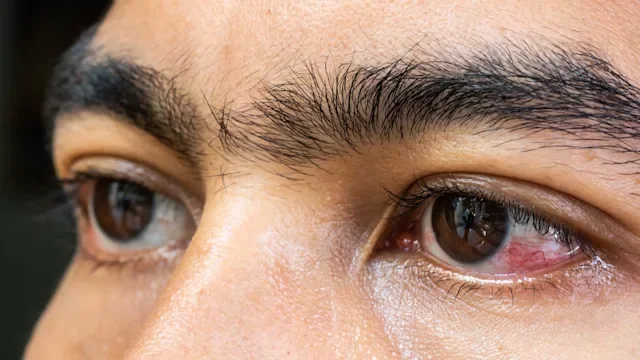
Pink eye, or conjunctivitis, refers to inflammation or infection of the clear membrane lining your eyelid and eyeball.
Search and compare options
Because all types of pink eye can cause red, itchy, or painful eyes, it can be hard to tell which type of pink eye you have based on symptoms alone. But knowing what type of pink eye you have can help you understand whether your pink eye is contagious — and how long for.
Here are some types of pink eye:
Viral pink eye is often linked with a cold or upper respiratory infection, and it causes watery discharge.
Bacterial pink eye is more likely to cause thick, green eye discharge that makes the eyelids crusty or stuck together.
Allergic pink eye happens when your immune system reacts to triggers like dust or pollen. It tends to cause intense itching and watery discharge. It’s not contagious.
Irritant pink eye happens when something irritates the eye, such as smoke, chlorine, or even an eyelash. It’s not contagious.
Type of pink eye | Contagious? | How long is it contagious? (estimate) | Do antibiotics help? |
|---|---|---|---|
Viral | Yes | 1-2 weeks, sometimes longer | No |
Bacterial | Yes | Often while discharge and other symptoms are present | Sometimes; aren’t always needed though |
Allergic | No | None | No |
Irritant | No | None | No |
How long does it take to develop pink eye?
How long it takes your symptoms to develop depends on what’s causing your pink eye.
For bacterial conjunctivitis, people often come down with pink eye 1 to 3 days after being exposed to the bacteria.
For viral conjunctivitis, symptoms often start anywhere from 12 hours to 12 days after coming in contact with a virus.
How long is viral conjunctivitis contagious? [Contagion]
Most cases of viral pink eye are contagious for 7 to 14 days, but some people can be contagious for up to 3 weeks.
Viral pink eye is generally most contagious while symptoms are present. But some viruses, like adenovirus, can continue to be shed even after symptoms improve.
How long is bacterial conjunctivitis contagious?
Bacterial pink eye can be contagious as long as your symptoms are active. Without treatment, symptoms often resolve within 1 week. Treating bacterial conjunctivitis with antibiotic drops may make the infection go away faster and reduce the risk of spreading it to others. But since bacterial pink eye will often resolve on its own, antibiotic drops aren’t always needed.

Read more like this
Explore these related articles, suggested for readers like you.




Conjunctivitis caused by sexually transmitted infections (STIs) such as chlamydia or gonorrhea is different. This needs prompt medical care and different treatment than routine bacterial pink eye. Antibiotic eye drops alone may not be enough. And even when treated with antibiotics, you might be contagious for another 7 days.
How does pink eye spread?
Viral or bacterial pink eye can spread from person to person in a few different ways:
Direct contact: Touching or shaking hands with someone who has an infection can spread pink eye, especially if they’ve recently touched their eyes.
Contact with droplets: Some viruses that cause pink eye can spread through droplets when an infected person coughs or sneezes. If those droplets get onto your hands or face and you touch your eyes, you can become infected.
Contaminated objects: Touching objects or surfaces contaminated with infected eye discharge — such as door knobs, tissues, pillowcases, or eye makeup — and then touching your eyes can spread the infection.
How long is pink eye contagious after starting antibiotics?
Antibiotic eye drops can help clear bacterial pink eye faster and may reduce the risk of spreading the infection. This means that you may become less contagious sooner after starting treatment. However, there isn’t a set number of hours or days when someone with bacterial pink eye is no longer contagious. Follow your healthcare team’s guidance about when you may no longer be contagious.
Keep in mind that antibiotics won’t help treat viral conjunctivitis.
Can you go to work or school with pink eye?
Having pink eye doesn’t always mean you need to stay home from work or school. To figure out if you’re able to go back to work or school, you should answer the following questions:
Do you have a fever or feel generally unwell?
What type of pink eye do you have?
Is your eye still having discharge?
Can you avoid touching your eyes?
Can you wash your hands regularly?
Does your work involve close contact, patient care, food handling, or young children?
Does your school, child care center, or workplace have its own policy about when you can return?
Has a healthcare professional advised you to stay home?
Children with significant eye discharge who can’t reliably avoid touching their eyes or sharing items are more likely to spread infection and may need to stay home until symptoms improve.
Antibiotic eye drops aren’t always needed before returning to school or work. They don’t treat viral pink eye. However, some schools and child care centers use 24 hours of antibiotic treatment as a return policy. But that policy isn’t a universal biological cut-off for contagiousness.
How can you keep pink eye from spreading?
Many viruses and bacteria that cause pink eye can live on surfaces for days or weeks. So pink eye can spread easily in places where people share surfaces and personal items.
Good hand hygiene and a few simple precautions can help you avoid spreading it to others:
Wash your hands. Wash your hands with soap and water for at least 20 seconds, especially after touching your eyes or applying eye drops.
Clean frequently touched objects and surfaces. This includes pillowcases, sheets, and towels.
Keep your eyes clean. Avoid touching or rubbing your eyes with your fingers. Wash any discharge away from your eyes with a clean, wet washcloth or fresh cotton ball several times a day.
Avoid sharing personal items. Don’t share personal items such as pillows, washcloths, cosmetics, makeup brushes, eyedrops, or eyeglasses.
Use and clean contact lenses properly. Stop wearing contact lenses until your symptoms resolve (you can wear glasses instead). Throw away disposable contact lenses and cases. Clean reusable contact lenses and cases as directed by your eye doctor, and clean your eyeglasses regularly.
Wash home items often. Clean frequently touched objects and surfaces. Use hot water and detergent to wash pillowcases, sheets, towels, and washcloths.
When do you need to see a healthcare professional for pink eye?
Most cases of viral pink eye will get better with time and at-home treatment. But some people are at an increased risk of complications from any type of pink eye. See a healthcare professional if you have symptoms of pink eye and you’re in a higher-risk group:
Newborns and young babies
People with weakened immune systems
People who wear contact lenses
If you’re not in a high-risk group but you experience the following symptoms, get medical care promptly:
Eye pain
Blurred vision that doesn’t clear after wiping away discharge
Intense redness
Sensitivity to light
Eyelid redness or swelling
Thick or persistent eye discharge
Worsening symptoms
Quiz: Do you have pink eye?
Frequently asked questions
Yes, it’s possible: Some viruses that cause pink eye can be contagious a few days before symptoms appear. That means that someone may be able to spread the virus before they realize they’re sick.
Yes, if you have viral or bacterial pink eye in one eye, you can spread the infection to your other eye by touching or rubbing the infected eye and then touching the other one. Avoid touching your eyes, and wash your hands frequently to lower the chance of spreading the infection.
Yes, you can get pink eye more than once — especially since different viruses and bacteria can cause the infection. You can also get infected again with the same type of bacteria or virus.
Yes, it’s possible: Some viruses that cause pink eye can be contagious a few days before symptoms appear. That means that someone may be able to spread the virus before they realize they’re sick.
Yes, if you have viral or bacterial pink eye in one eye, you can spread the infection to your other eye by touching or rubbing the infected eye and then touching the other one. Avoid touching your eyes, and wash your hands frequently to lower the chance of spreading the infection.
Yes, you can get pink eye more than once — especially since different viruses and bacteria can cause the infection. You can also get infected again with the same type of bacteria or virus.
The bottom line
Viral pink eye is usually contagious for about 1 to 2 weeks, although some cases can last longer. Bacterial pink eye is generally contagious while symptoms are present and often clears within about a week. Antibiotic eye drops may shorten bacterial pink eye and reduce the risk of spreading it, but there’s no set point when you’re no longer contagious. Check with your child’s school or your work to know when you or your child can go back.
The good news is that a few simple habits can help keep pink eye from making its way through your household. These include washing your hands, keeping your eyes clean, and avoiding shared towels and other personal items.

Why trust our experts?




References
Centers for Disease Control and Prevention. (2024). How to prevent pink eye.
Centers for Disease Control and Prevention. (2024). Pink eye: Causes and how it spreads.
Centers for Disease Control and Prevention. (2025). Symptoms of pink eye.
Centers for Disease Control and Prevention. (2025). About adenovirus.
Chen, Y-Y., et al. (2023). Antibiotics versus placebo for acute bacterial conjunctivitis. Cochrane Database of Systematic Reviews.
Cheung, A. Y., et al. (2024). Conjunctivitis preferred practice pattern. Ophthalmology.
Kramer, A., et al. (2006). How long do nosocomial pathogens persist on inanimate surfaces? A systematic review. BMC Infectious Diseases.
National Eye Institute. (2019). Treatment for pink eye. National Institutes of Health.
National Eye Institute. (2025). Pink eye. National Institutes of Health.
Sonoda, K, et al. (2023). Antibiotics for acute bacterial conjunctivitis. American Family Physician.
State of Hawaii, Department of Health. (2024). Conjunctivitis (pink eye).
Yonke, N., et al. (2022). Chlamydial and gonococcal infections: Screening, diagnosis, and treatment. American Family Physician.