Key takeaways:
Water hardness refers to the mineral content in water. Hard water has more minerals, while soft water has fewer minerals.
There’s no clear consensus on whether hard water or soft water is better for drinking, but soft water is gentler on the skin and hair.
Testing water quality can help you figure out if it’s hard or soft. You can use water softeners or filters to adjust the hardness of your water at home.
Have you ever noticed how the taste of water differs between cities, even within the U.S.? Part of these differences in taste has to do with water hardness. Water hardness can also affect your hair and skin as well as your home’s pipes and appliances.
What’s the difference between hard water vs. soft water?
Water is considered hard when it contains more minerals and soft when it contains fewer. According to the United States Geological Survey (USGS), hard water generally contains more calcium and magnesium than soft water.
Hard water can also contain other metals, such as:
Aluminum
Barium
Zinc
Iron
Search and compare options
These minerals are often present because of natural causes. A water source, for example, might flow over rocks that contain calcium and magnesium. These dissolved minerals naturally occur in the environment and in many foods and drinks, so they aren’t inherently harmful.
Water hardness is measured on a scale of milligrams per liter (mg/L) of calcium carbonate equivalent. Here’s a breakdown of the water hardness scale:
Soft water: 0-60
Moderately hard water: 61-120
Hard water: 121-180
Very hard water: 181 and higher
Which is better for drinking: Hard water or soft water?
The debate of hard water versus soft water is still unresolved when it comes to drinking water. One potential benefit of hard water is that it has additional mineral content. In areas where nutrient-dense food is scarce, this could help alleviate some mineral deficiencies.
But there aren’t any definitive scientific studies that prove that hard water or soft water causes or prevents any specific health issues.
Some reports show hard water is linked with improved heart health but also with increased risk of kidney stones. However, more research is needed to prove there’s anything stronger than a link. As so many environmental factors contribute to a person’s health, it’s challenging to confirm that hard water versus soft water alone poses health risks.
Which is better for your skin: Hard water or soft water?
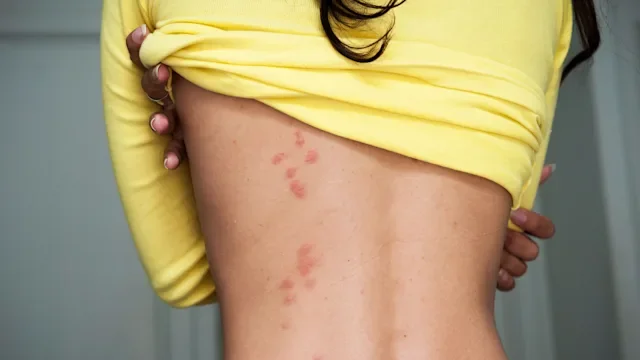
Heather Williams, MD, is a pediatrician and an assistant professor of pediatrics at UNC School of Medicine in Chapel Hill, North Carolina. According to Williams, there’s a link between hard water and eczema in infants and children.
“This is thought to be related to hard water increasing deposition of chemicals found in soaps,” Williams said. “This, in turn, aggravates and inflames the skin.”
Other known effects of hard water on the skin — and hair — include:
Itchy or dry skin
Brittle hair
Disruption of the skin barrier

Read more like this
Explore these related articles, suggested for readers like you.




Since exposing skin to hard water has no known health benefits, it’s best to opt for softer water for bathing and personal care if possible.
What are the disadvantages of hard water and soft water?
Although most people prefer soft water, both hard and soft water have their own downsides. The table below compares the disadvantages of hard and soft water.
Disadvantages of hard water | Disadvantages of soft water |
|---|---|
Mineral deposits | High sodium content from water softeners |
Soap scum and buildup | Corrosion risk to household plumbing |
Less soap and shampoo lather | Altered taste |
Skin dryness and irritation | |
Buildup on the scalp and hair | |
Altered taste |
How can you tell if your water is hard or soft?
To figure out if you have hard or soft water in your pipes, you can research your local water source or get it tested.
If your water is from a locally regulated source, you don’t need to test it unless you want to. It’s likely that there’s a water quality report available online. Local governments often make these reports public. And that’ll help you learn more about whether you have hard or soft water.
You may want to test your water if:
You have an older home where there’s a risk of lead in the piping.
Your skin or hair is irritated.
You don’t like the taste of your water.
Your water supply is from a private well that hasn’t been tested in over a year.
You notice signs of hard water, like mineral buildup on your clothing or dishes.
To find out if you have hard water versus soft water, or to test your water quality, contact your local health department for more information. If you order a testing product, make sure it’s from a laboratory that meets the standards of the Environmental Protection Agency (EPA).
How can you make your water softer or harder?
The benefits of soft water often lead people to reach for water softeners. But there are ways to both soften or harden the water in your home.
Softer water
There are a couple ways to make your water softer:
Water softener: A water softener (also called a point-of-entry iron exchange) removes minerals by adding potassium or sodium ions to water. Since sodium can increase blood pressure, consider a water softener that uses potassium if you have high blood pressure.
Reverse osmosis (RO): This process removes almost all minerals from water.
Temporary softening options: If you want softer water to shower or wash your hair with, you can buy a filtering showerhead that removes minerals. To soften drinking water, water filters work well.
Harder water
There are a few ways to make your water harder:
Install a hardness-adding system. This system adds minerals back into the water. It’s also called a calcite filter or remineralization filter.
Adjust your water softener. If you already have a water softener, you can adjust the settings to make the water less soft.
Alter it when necessary. You can add minerals to your water if you need hard water for a specific task, like filling up a fish tank or washing a load of laundry.
Frequently asked questions
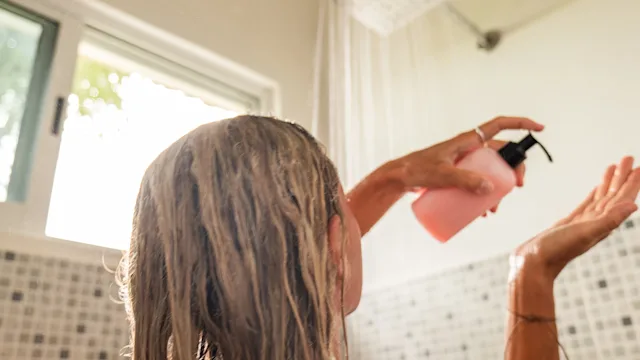
For most people, soft water is better for showering because it rinses soap and shampoo more completely and helps your skin retain its natural oils. The high mineral content in hard water can leave residue on your skin and hair, which may lead to dryness or irritation.
You may be able to lessen the effects of hard water using natural at-home methods like installing a filtering showerhead, using a water filter, or boiling water. Boiling water causes some temporary hardness minerals to precipitate out. But this isn’t a practical method for large amounts of water.
If you want to remove mineral buildup from hard water, you can try using acidic products like vinegar. But this won’t remove or prevent buildup throughout your pipes like a whole-house water-softening system does. For softened water throughout your home, you’ll need more robust options, like ion-exchange systems, reverse osmosis, or dedicated softeners.
There’s no strong research to show that hard water directly causes hair loss. But hard water can leave mineral buildup on your hair, which can make your hair feel dry and brittle. And brittle hair is more likely to break, which can make it seem like your hair is thinning. But permanent hair loss is usually caused by genetics, hormones, or medical conditions.
For most people, soft water is better for showering because it rinses soap and shampoo more completely and helps your skin retain its natural oils. The high mineral content in hard water can leave residue on your skin and hair, which may lead to dryness or irritation.
You may be able to lessen the effects of hard water using natural at-home methods like installing a filtering showerhead, using a water filter, or boiling water. Boiling water causes some temporary hardness minerals to precipitate out. But this isn’t a practical method for large amounts of water.
If you want to remove mineral buildup from hard water, you can try using acidic products like vinegar. But this won’t remove or prevent buildup throughout your pipes like a whole-house water-softening system does. For softened water throughout your home, you’ll need more robust options, like ion-exchange systems, reverse osmosis, or dedicated softeners.
There’s no strong research to show that hard water directly causes hair loss. But hard water can leave mineral buildup on your hair, which can make your hair feel dry and brittle. And brittle hair is more likely to break, which can make it seem like your hair is thinning. But permanent hair loss is usually caused by genetics, hormones, or medical conditions.
The bottom line
The hard water versus soft water debate all comes down to your personal preferences. Hard water can be rough on skin and the external surfaces of dishes and laundry. However, there’s little solid evidence that hard water negatively impacts your health. Whether you prefer hard water or soft water, the key is ensuring you get your necessary daily minerals and hydration to stay healthy.

Why trust our experts?



References
Boothby, S. (2022). Get the facts: Hard water. National Eczema Association.
Ingin, Y., et al. (2024). Hardness properties of calcium and magnesium ions in drinking water. Applied Food Research.
Momeni, M., et al. (2014). Does water hardness have preventive effect on cardiovascular disease? International Journal of Preventive Medicine.
Sengupta, P. (2013). Potential health impacts of hard water. International Journal of Preventive Medicine.
U.S. Environmental Protection Agency. (2025). Cation exchange water softeners.
U.S. Environmental Protection Agency. (2025). Overview of drinking water treatment technologies.
U.S. Environmental Protection Agency. (2025). Private drinking water well programs in your state.
U.S. Geological Survey Water Science School. (2018). Hardness of water.
World Health Organization. (2010). Hardness in drinking-water.
Zhang, J., et al. (2025). The association between domestic water hardness and kidney stone disease: A prospective cohort study from the UK Biobank. International Journal of Surgery.