Key takeaways:
Skin damage can lead to signs of premature aging. Some types of skin damage increase the risk for melanoma, a form of skin cancer.
Diet, sleep, sun, and smoke exposure are some daily habits that can lead to skin damage.
Lifestyle strategies, such as eating a balanced diet and reducing stress, can help protect your skin.
When you hear of skin damage, you may think of sun-damaged skin, wrinkles, and age spots. Many skin changes are a normal part of aging. But your habits can lead to avoidable skin damage and speed up skin aging. There are simple and easy things you can do to prevent skin damage.
What is skin damage?
Skin damage describes any changes that keep the skin from doing its job.
Your skin is your largest organ. It protects you from the environment by filtering out pollutants, ultraviolet (UV) rays, and germs. Your skin also helps keep your body warm in the winter and cool in the summer.
Search and compare options
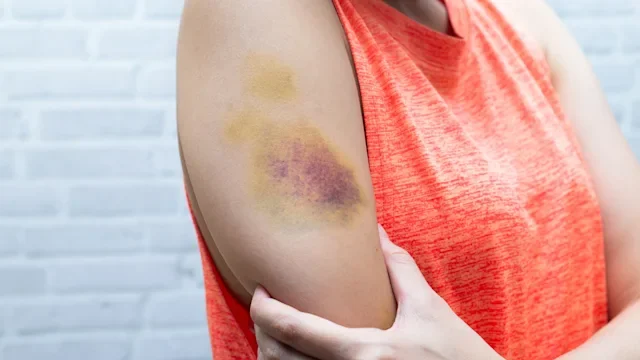
Your skin isn’t invincible though. Skin is constantly renewing itself. But as you get older, skin cells can’t keep up with demands. They make less collagen and elastin — proteins that keep skin firm. And the connection between these proteins starts to loosen, which leads to sagging. Blood vessels in the skin start to weaken, which leads to easy bruising.
Technically, skin aging isn’t a type of skin damage. It’s a natural process controlled by things you can’t change like genetics, hormones, and metabolism.
But certain habits and environmental exposures can speed up this natural process and cause skin damage. These habits put stress on the skin and cause the body to make too many free radicals, which permanently damage skin cells.
People with damaged skin can start to show signs of skin aging earlier. These habits can also magnify signs of aging.
Signs of skin damage
Some of the common signs of age-related skin changes and skin damage include:
Skin thinning
Wrinkles
Easy bruising
Loss of the fat layer under the skin
Loss of sweat glands in the skin
Skin discoloration
Dryness and itching
What causes skin damage?
Some causes of skin aging are outside our control. You may be predisposed to skin damage due to factors like genetics, cell metabolism, and hormonal changes. But other external factors you can control. Things like environmental exposures, lifestyle factors, and how you take care of your skin can influence skin aging.
You might not realize that your day-to-day activities are leading to skin damage. Here are eight of the most common causes of skin damage.
1. Getting too much sun
UV light exposure is one of the main causes of skin damage.

Read more like this
Explore these related articles, suggested for readers like you.



Sunlight is the main source of UV light exposure. Indoor tanning beds and other indoor light devices can also be a source of UV light.
UV light can lead to deep wrinkles, red spots from broken blood vessels, and dark spots. It also increases your risk for melanoma, a type of skin cancer.
Even if you don’t spend a lot of time outside, you’re still getting exposed to UV light. And that exposure adds up over a lifetime. Extra time in the sun during vacations or warm months only adds to that exposure. While sunlight provides many health benefits, it does damage skin.
2. Smoking
Smoking can worsen underlying skin conditions like psoriasis and hidradenitis suppurativa and cause premature skin aging.
Tobacco smoke causes a breakdown of the collagen and fibers in the skin. It also slows down cell repair, so the skin isn’t able to make new skin cells. This leads to deep wrinkles, sagging, and discolored skin.
3. Not getting enough sleep
Quality sleep lets your mind and body recover from the stress of the day. During sleep, your body works to repair damaged skin. Studies show that the most intensive skin repair happens during sleep.
In one small study, participants who got a full night’s sleep noted fewer wrinkles and better skin health. In another small study, people were asked to stay awake for 31 hours. They were photographed before and after skipping a night of sleep. After just one all-nighter, participants appeared to have more wrinkles, drooping eyelids, and puffy eyelids.
4. Not getting enough fruits and vegetables in your diet
A balanced diet can also protect your skin from damage. Essential vitamins and minerals help boost skin repair and fight off free radical damage. A diet rich in fruits, vegetables, and whole grains gives you all these nutrients. And it gives you a healthy helping of antioxidants, which can neutralize free radicals in the body.
Meanwhile, high-fat diets have been linked to skin inflammation and premature aging.
5. Stress
Psychological stress can affect your skin. There’s some evidence that experiencing stressful situations can speed up the cell aging process. High levels of stress hormones can also affect your skin’s ability to recover from free-radical damage.
6. Sleep position
It’s not just the amount of sleep that affects your skin. There’s evidence that the position you sleep in can make a difference when it comes to skin aging. Sleeping on your belly or side puts more force on your face than sleeping on your back. Over time, that may contribute to wrinkle formation.
7. Alcohol
Eliminating or reducing alcohol can have a lot of health benefits, including better skin. Drinking alcohol can change the microbiome of the skin and add oxidative stress. One study found that heavy alcohol use (more than 8 drinks per week in women) resulted in more prominent forehead lines, midface volume loss, and under-eye puffiness.
8. Harsh skin cleansing
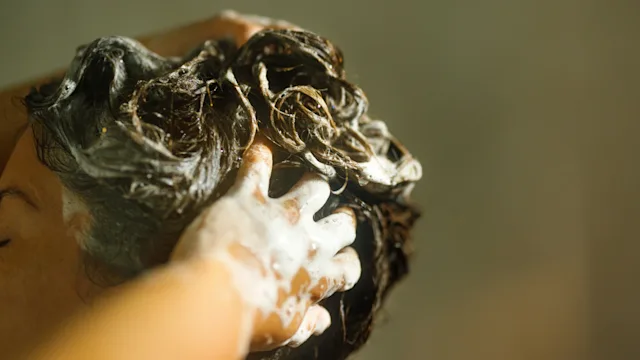
Cleansing is a vital part of any skin care routine. A good cleanser should wash away:
Dirt
Bacteria
Sweat
Makeup products
The cleanser should also leave the skin prepped for applying moisturizer.
Choosing the wrong cleanser can leave the skin dry and irritated. A too-strong cleanser will damage the skin barrier and leave the skin more vulnerable to damage. Pick a gentle cleanser based on your skin type for best results.
How can you prevent skin damage and signs of premature aging?
There are many things you can do to slow down signs of premature aging and stop further skin damage.
Wear sunscreen every day
Being in the sun too much is the main cause of skin damage and aging. Wearing sunscreen every day is one of the most important things you can do to protect your skin.
For a regular day, you don’t have to put sunscreen all over your body. Focus on areas that aren’t covered by your clothes, especially your face and hands. If you’re spending more time outdoors, apply sunscreen all over and make sure to reapply throughout the day. You can add more protection by wearing protective clothing and sunglasses.
If you smoke, consider quitting
There are many reasons to quit smoking, such as lowering the risk of health conditions like heart disease and cancer.
But according to Dr. Maria Hannaway, a board-certified dermatologist, smoking is a habit that will consistently age the skin. It can be a big challenge to quit smoking. However, Dr. Hannaway recommends that people who smoke talk with their primary care providers about a plan for smoking cessation.
Eat a balanced diet
A balanced diet includes plenty of fruits and vegetables. These help slow skin aging because they contain antioxidants that help attack free radicals and protect skin. A diet rich in fruits and vegetables can also lower inflammation in the body, which may help prevent premature skin aging.
Make sure to drink enough water too. Dehydration can bring out wrinkles. Most people need between 91 oz and 125 oz of water each day.
Consider supplements
Your diet is the most important way to get the antioxidants, vitamins, and micronutrients needed for skin health. But some research shows that there are some supplements that may help slow skin aging. Dr. Hannaway recommends taking a supplement with polypodium extract, which may help lower the risk of sun damage.
Taking a collagen supplement to promote skin health remains controversial. However, some research shows that taking a hydrolyzed collagen supplement may improve the look of wrinkles, skin hydration, and elasticity.
Get enough sleep
Because a lack of sleep can contribute to skin aging, it’s important to maintain healthy sleep habits. Set up your sleep environment so that you get a good night’s rest.
Talk with a healthcare professional if a medical condition like sleep apnea or insomnia is interrupting your sleep. Treatment for these conditions can help you get back to a regular sleep routine.
Manage and reduce stress
While it isn’t always possible, it’s important to try to lower stress levels when you can. There are many stress-management techniques that can help you lower your stress, such as meditation, biofeedback, or exercise. You can also work with a mental health professional to find the best action plan to manage your stress.
Work with a dermatologist
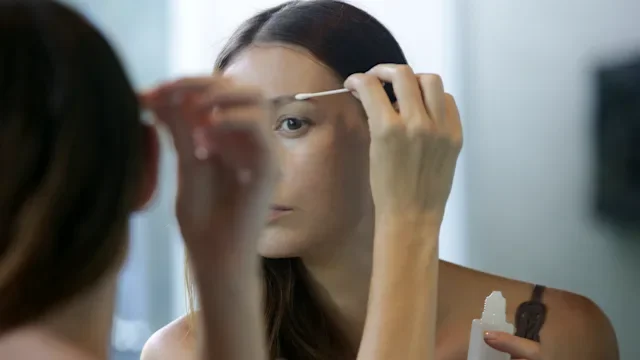
A dermatologist can help you set up a skin routine that focuses on your specific needs. That might include over-the-counter (OTC) options like vitamin C serums or retinols. Or it can include prescription options like retinoids, hydroquinone, or cysteamine.
There’s also an ever-growing list of procedures to address skin damage, like red light therapy, microneedling, or dermal fillers. Whatever your skin concern, there are treatment options that can help.
Frequently asked questions
Blue light is the type of light emitted from electronic screens including your phone and computer. It’s not as damaging to the skin as UV light. But there’s evidence that over time exposure to blue light can damage skin and speed up skin aging.
It depends on the damage. Minor damage to the skin barrier can heal in a few days. But more severe damage can take weeks or months to resolve.
Most cosmetic signs of sun-damaged skin can be improved with treatment, like topical medications, laser therapy, or injectable fillers. But some effects of sun damage can’t be reversed.
Blue light is the type of light emitted from electronic screens including your phone and computer. It’s not as damaging to the skin as UV light. But there’s evidence that over time exposure to blue light can damage skin and speed up skin aging.
It depends on the damage. Minor damage to the skin barrier can heal in a few days. But more severe damage can take weeks or months to resolve.
Most cosmetic signs of sun-damaged skin can be improved with treatment, like topical medications, laser therapy, or injectable fillers. But some effects of sun damage can’t be reversed.
The bottom line
You can’t stop skin aging, but there are many things you can do to prevent skin damage. Some habits can worsen skin damage.
You can protect yourself from skin damage by wearing sunscreen, getting enough sleep, and eating a balanced diet. If you’re worried about skin damage, work with a dermatologist who can help create a skin care routine that can address signs of aging skin.

Why trust our experts?




References
Al-Niaimi, F., et al. (2017). Topical vitamin C and the skin: Mechanisms of action and clinical applications. The Journal of Clinical and Aesthetic Dermatology.
Ananthapadmanabhan, K. P. (2004). Cleansing without compromise: The impact of cleansers on the skin barrier and the technology of mild cleansing. Dermatologic Therapy.
Anson, G., et al. (2016). Sleep wrinkles: Facial aging and facial distortion during sleep. Aesthetic Surgery Journal.
Binic, I., et al. (2013). Skin ageing: Natural weapons and strategies. Hindawi.
Bullock, L. (2025). How dermatologists treat sun-damaged skin. American Academy of Dermatology Association.
Cao, C., et al. (2020). Diet and skin aging — from the perspective of food nutrition. Nutrients.
Chung, J. H., et al. (2007). Angiogenesis in skin aging and photoaging. Journal of Dermatology.
de Miranda, R. B., et al. (2021). Effects of hydrolyzed collagen supplementation on skin aging: a systematic review and meta-analysis. International Journal of Dermatology.
Dunn, J. H., et al. (2013). Psychological stress and skin aging: A review of possible mechanisms and potential therapies. Dermatology Online Journal.
Epel, E. S., et al. (2004). Accelerated telomere shortening in response to life stress. Proceedings of the National Academy of Sciences of the United States of America.
Geng, R., et al. (2021). Boosting the photoaged skin: The potential role of dietary components. Nutrients.
Goodman, G. D., et al. (2019). Impact of smoking and alcohol use on facial aging in women: Results of a large multinational, multiracial, cross-sectional survey. The Journal of Clinical and Aesthetic Dermatology.
Hussein, R. S., et al. (2025). Influences on skin and intrinsic aging: Biological, environmental, and therapeutic insights. Journal of Cosmetic Dermatology.
Kumari, J., et al. (2023). The impact of blue light and digital screens on the skin. Journal of Cosmetic Dermatology.
Lipa, K., et al. (2021). Does smoking affect your skin? Advances in Dermatology and Allergology.
Lyons, A. B., et al. (2019). Circadian rhythm and the skin: A review of the literature. The Journal of Clinical and Aesthetic Dermatology.
MedlinePlus. (2024). Aging changes in skin.
MedlinePlus. (2025). Skin layers.
Newsom, R. (2025). Blue light: What it is and how it affects sleep. Sleep Foundation.
Oyetakin-White, P., et al. (2015). Does poor sleep quality affect skin ageing? Clinical and Experimental Dermatology.
Parrado, C., et al. (2016). Fernblock (Polypodium leucotomos extract): Molecular mechanisms and pleiotropic effects in light-related skin conditions, photoaging and skin cancers, a review. International Journal of Molecular Sciences.
Poljšak, B., et al. (2012). Free radicals and extrinsic skin aging. Dermatology Research and Practice.
Rinnerthaler, M., et al. (2015). Oxidative stress in aging human skin. Biomolecules.
Rittié, L., et al. (2015). Natural and sun-induced aging of human skin. Cold Spring Harbor Perspectives in Medicine.
Shanbhag, S., et al. (2019). Anti-aging and sunscreens: Paradigm shift in cosmetics. Advanced Pharmaceutical Bulletin.
Sundelin, T., et al. (2013). Cues of fatigue: Effects of sleep deprivation on facial appearance. Sleep.
Worthen, M., et al. (2022). Stress management. StatPearls.
Wróblewska, J., et al. (2025). The role of oxidative stress in skin disorders associated with alcohol dependency and antioxidant therapies. Molecules (Basel, Switzerland).
Zhang, Y., et al. (2015). Epidermal fatty acid binding protein promotes skin inflammation induced by high-fat diet. Immunity.