Key takeaways:
The body releases histamine as a bruise heals. Histamine release can trigger itching.
Antihistamines and moisturizing lotions can help lessen bruise itching.
Seek medical care if you have a bruise that doesn’t start to heal within a week.
If you’ve recently had an injury, you might have developed a bruise (or several). Bruises go by many names depending on their size and where they are. Some other names for bruises are:
Contusion
Hematoma
Ecchymosis
Bruises are tender and painful at first. But as they heal, you might experience some unexpected sensations. One of the most common is itchy skin. If you have an itchy bruise, here’s what you need to know about why it happens and how to treat it.
Search and compare options
What is a bruise?
A bruise is a type of wound. A bruise forms when there’s an injury that damages blood vessels but doesn’t break the skin. Blood leaks out of the damaged vessels and gets trapped beneath the skin, muscles, or bone.
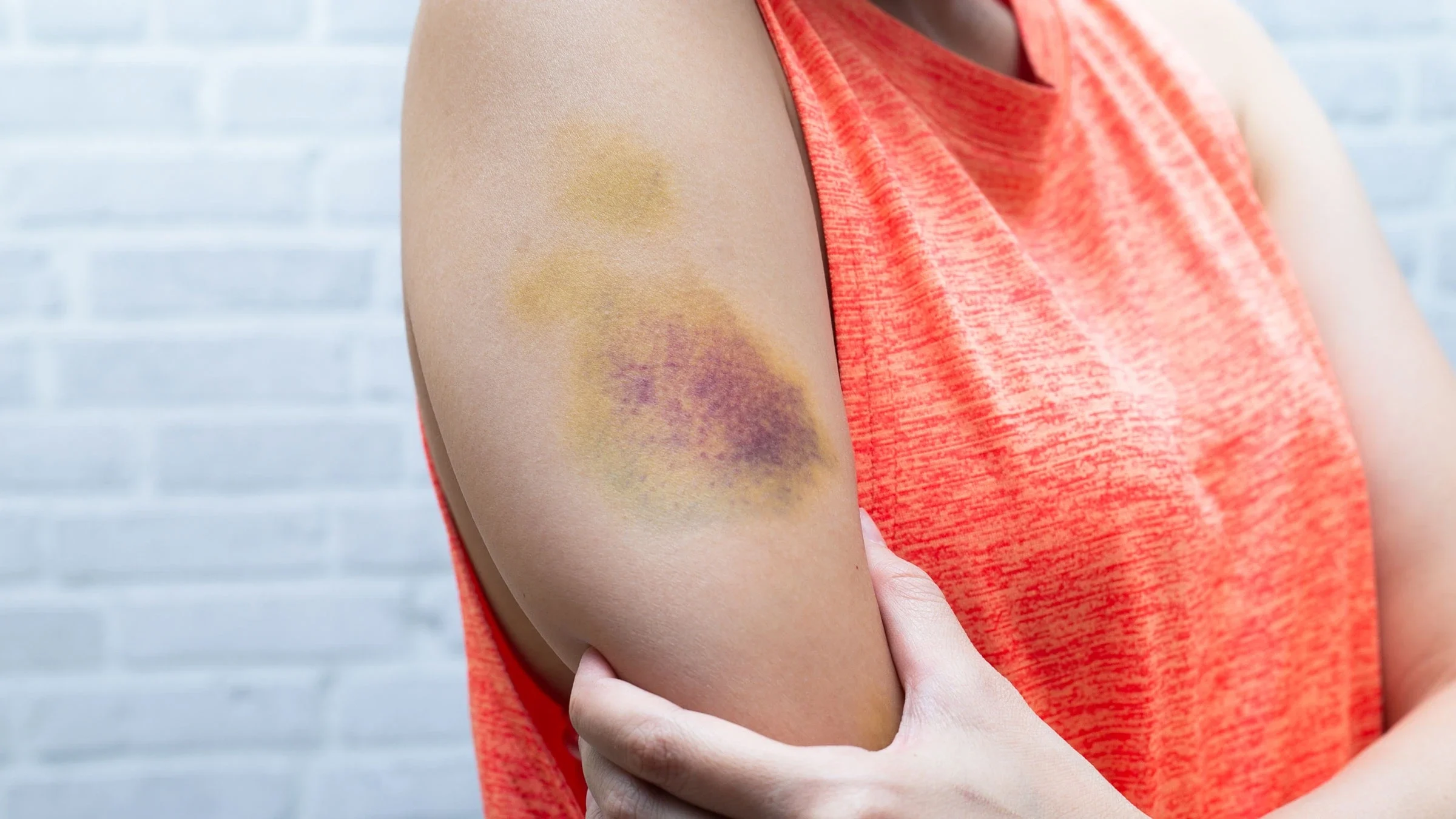
If a bruise develops close to the skin surface, you can see the trapped blood through the skin. The trapped blood can look brown, black, or blue. And it causes swelling and tenderness.
These are the symptoms people think of when they picture a bruise. But it’s important to know that you can’t always see a bruise. For example, when bruises form over bones, you can’t see it, but you’ll still experience tenderness or discomfort.
The body gets to work on breaking down trapped blood cells right away. Even so, it can take 2 weeks or more for a bruise to fully heal.
As the bruise heals, you’ll notice that the pain and swelling get better. If you can see the bruise, you’ll also notice that it changes color over time.
At first, the bruise will look red or blue. But, after a few days, it’ll look more brown. After a week, it looks greenish or a yellow-brown color. And then it fades to lighter and lighter shades of yellow until it completely disappears.
Why do some bruises itch?
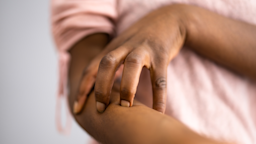
There’s an old saying: “If it’s itching, it must be healing.” Most wounds itch as they heal, and bruises are no exception. It’s not entirely clear why bruises (or any wounds) itch as they get better.
Researchers think several things play a role:
Histamine: Histamine is a chemical that triggers the itch response. The immune system releases histamine in response to any type of stress, including wounds.
Bilirubin: As red blood cells break down, they release bilirubin, which can trigger itching.
Wound size: There’s some research that larger bruises (and wounds) are more likely to itch than smaller ones. This is probably because larger wounds put more stress on the body and cause more inflammation. This triggers the immune system to release chemicals that trigger itching.
Nerve stimulation: As wounds heal, nerves release chemicals that can trigger skin itching.

Read more like this
Explore these related articles, suggested for readers like you.


How can you treat itchy bruises?
There’s no way to make a bruise heal instantly. But there are things that can cut down (or even stop) your itching while you wait for your body to heal. Here’s some things you can try at home.
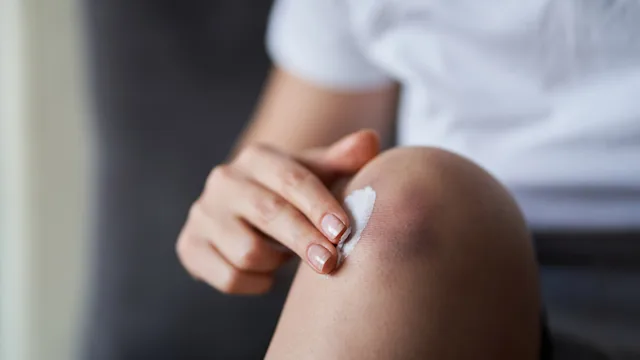
Moisturizers
Dry skin will make you feel itchier. Keeping your skin moisturized prevents moisture loss and decreases itching. If you’re not a fan of creams, try oatmeal baths. You can switch to soaps and cleansers that aren’t so drying.
Stay cool
Heat seems to make itching worse. Staying cool may help ease your itching. You can switch to lighter clothing, like cotton instead of wool. You can also opt for lukewarm water when showering or bathing. And if you’re using moisturizer, try putting it in the fridge to cool it down for extra relief.
OTC antihistamines
Antihistamine medications can help ease itching. Older antihistamines, like diphenhydramine (Benadryl), might make you feel sleepy. That may be a bonus if you’re having a hard time falling asleep because of itching. If you need something that doesn’t make you sleepy, you can try newer over-the-counter (OTC) antihistamines like loratadine. Or you can opt for an antihistamine cream that you can put directly on your bruise.
OTC steroid cream
Steroid creams help lower inflammation. This can prompt your immune system to release less histamine. You can try putting an OTC steroid cream, like 1% hydrocortisone cream, on your bruise twice a day.
OTC pain relief cream
Menthol and capsaicin creams are available OTC, and they may help ease itching. Menthol creams produce a cooling sensation, which can help relieve itching. Topical capsaicin can distract nerves so they stop sending itch signals to the brain.
When should you seek medical care for a bruise?
Small bruises should heal on their own and don’t usually require medical care. But there are times when a bruise does need medical attention. Seek medical care if you:
Develop redness, swelling, or worsening pain over your itchy bruise; scratching a bruise or wound can lead to skin infections
Have a bruise that doesn’t start to heal after 1 week or if it’s spreading
Don’t remember getting injured but you’re developing bruises
You can also reach out to your healthcare team if your itchiness doesn’t get better with at-home treatments. They can prescribe medications to help keep you comfortable, like numbing cream or lidocaine patches.
Frequently asked questions
Vitamin K and vitamin C deficiencies are linked to easy bruising. These deficiencies aren’t common. But certain medical conditions and medications can increase the risk. Talk with your healthcare team if you bruise easily. They can make sure a medical condition, medication, or vitamin deficiency isn’t causing your symptoms.
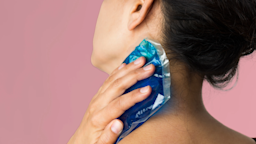
There’s no way to heal a bruise instantly. But you can help your body heal by applying an ice pack immediately after an injury and keeping the area elevated.
Aggressive or intense scratching can cause bruising. Scratching can damage the small blood vessels under the skin, which will lead to bruising. Seek medical care if you seem to bruise easily after minor injuries or with regular scratching. Your healthcare team can make sure easy bruising isn’t from a medical condition.
Vitamin K and vitamin C deficiencies are linked to easy bruising. These deficiencies aren’t common. But certain medical conditions and medications can increase the risk. Talk with your healthcare team if you bruise easily. They can make sure a medical condition, medication, or vitamin deficiency isn’t causing your symptoms.
There’s no way to heal a bruise instantly. But you can help your body heal by applying an ice pack immediately after an injury and keeping the area elevated.
Aggressive or intense scratching can cause bruising. Scratching can damage the small blood vessels under the skin, which will lead to bruising. Seek medical care if you seem to bruise easily after minor injuries or with regular scratching. Your healthcare team can make sure easy bruising isn’t from a medical condition.
The bottom line
A bruise is a type of wound. And it’s normal for all wounds — including bruises — to itch as they heal. A bruise should fade after 1 to 2 weeks. In the meantime, you can try moisturizers, antihistamines, and topical steroids to ease itching.

Why trust our experts?



References
Chung, B. Y., et al. (2020). Post-burn pruritus. International Journal of Molecular Sciences.
Iannone, M., et al. (2019). Itch in chronic wounds: Pathophysiology, impact, and management. Medicines.
Nowak, D., et al. (2017). Diagnosis and treatment of pruritus. Canadian Family Physician.
Paul, J. (2013). Characteristics of chronic wounds that itch. Advances in Skin & Wound Care.
Paul, J. (2015). Wound pruritus: Pathophysiology and management. Chronic Wound Care Management and Research.