Key takeaways:
There are no established guidelines for how much THC (tetrahydrocannabinol) is safe for everyone. For edibles and THC-infused drinks, a suggested starting amount is 2.5 mg or less.
The standard unit of measurement for research on THC is 5 mg. This helps researchers study the effects and uses of THC, but it isn’t a recommendation for how much you should take.
THC affects people differently. Different products can also work faster or last for longer than others. If you use a prescription cannabinoid medication, follow your prescriber’s dosing instructions.
Cannabis products with THC (tetrahydrocannabinol) have grown in popularity as more U.S. states legalize their use. There’s a wide range of products. And many THC edibles come in units of 5 mg and 10 mg. But how do you know how much THC is right or safe for you?
There’s no THC dose that’s safe for everyone. If you choose to use an edible or THC-infused drink, a suggested starting amount is 2.5 mg or less. But your response to THC depends on several factors, including the product you use, your health, and your experience with cannabis.
Here’s what you need to know about THC doses and how they vary across different products.
Search and compare options
What’s the recommended standard dosage of THC?
There’s no standard recommended dose of THC. THC is one of many active chemicals in cannabis plants called cannabinoids. It’s the main chemical responsible for the “high” that cannabis can cause.
For research purposes, the National Institute on Drug Abuse (NIDA) defines a standard THC unit as 5 mg of THC. This standard measurement helps scientists interpret and compare findings across different studies and groups of people, like pregnant women and teens. It doesn’t mean 5 mg is a safe or recommended dose.
What’s a safe amount of THC to consume?
There are no official recommendations for a THC dose that’s safe for everyone. It’s best to check in with your primary care provider before considering THC. And cannabis laws vary across the country, so make sure to check your state’s cannabis laws first.
Researchers continue to study how different doses of THC affect people. And more research is needed to better understand the short- and long-term effects of cannabis. But decades of research strongly suggest that cannabis can harm the developing teen brain.
How cannabis affects you depends on several things, including:
The product you use
How much you use
Whether you inhale, eat, or drink it
Your level of tolerance
Your health and other medications you take
Because everyone responds differently, experts recommend starting slowly and with low doses. For edibles, this can mean starting with 2.5 mg or less of THC. Even a low dose can cause unwanted side effects, especially if you’re new to cannabis.
Keep in mind: The quality and safety of cannabis products aren’t always clear. Regulations vary by state, so the labeling of THC products can vary. Be sure to shop at regulated dispensaries, and check product labels carefully.
Does the THC dosage vary in different marijuana products?
There are different ways to consume cannabis products. The amount of THC varies by product, and some products don’t contain THC at all. Some have only CBD, while others have a mix of both. And the mix of ingredients, also called the formulation, can change how the product affects you.
Let’s take a look at different products that contain THC and how they can affect you.

Read more like this
Explore these related articles, suggested for readers like you.


Medications with THC
The FDA has approved medications that contain synthetic (lab-made) THC or a similar compound. These medications can help treat nausea and vomiting from chemotherapy. They can also increase appetite in people living with acquired immune deficiency syndrome (AIDS):
Dronabinol (Marinol) is available in 2.5 mg, 5 mg, and 10 mg capsules. The dose depends on the condition you’re treating. Your prescriber will calculate the dose based on your body size.
Nabilone (Cesamet) is available in 1 mg capsules. The recommended dose for this medication is 1 mg or 2 mg twice per day.
Follow your prescription instructions rather than general cannabis dosing advice.
There are also recommendations for using medical cannabis to treat certain conditions. For chronic pain, a group of experts recommends starting with a product that contains mostly CBD (cannabidiol). THC can be added if needed. A clinician-guided approach starts at 2.5 mg of THC and gradually increases to no more than 40 mg per day.
Smokable cannabis
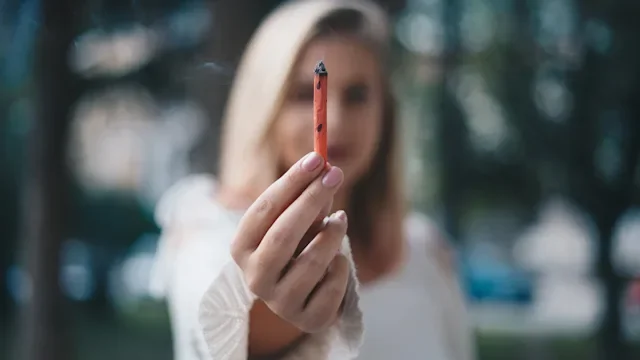
The amount of THC in cannabis that you smoke or vaporize can vary a lot. Some hemp-derived pre-rolled cigarettes (joints) have as little as 0.1% THC. But pre-rolls sold at dispensaries can have 20% to 30% THC by weight. The THC percentages describe the product’s concentration, not how much THC your body absorbs with each puff.
When you inhale THC, you may feel the effects within minutes. The effects usually last about 3 to 4 hours, but impairment may last longer. THC works quickly when you inhale it because it passes through your lungs into your bloodstream and then travels to your brain.
Weed edibles and THC-infused beverages
Edibles are foods and drinks that have cannabis infused or cooked into them. There’s a wide range of edible products, including baked goods, candies, and mints.
The amount of THC in edibles and drinks can also vary a lot. Some low-dose products contain just 1 mg per serving. Other products contain 5 mg, 10 mg, or more per serving. Check the label to see whether the amount of THC is listed per serving or for the entire package.
When you eat or drink THC, you may not feel the effects for up to 2 hours. It can take up to 4 hours to feel the full effects, which can last up to 12 hours. Edibles take longer to work because THC must move through your digestive system and liver before reaching your brain. This is why it’s important to wait at least 4 hours before considering another dose.
Concentrates
Cannabis concentrates are made by extracting resin from the cannabis plant using methods that may involve carbon dioxide, alcohol, or butane. This creates products with very high concentrations of THC, sometimes more than 80%.
Concentrates include oils and waxes that can be vaped or inhaled. Their effects can be quick and powerful. Keep in mind that higher amounts of THC are more likely to lead to side effects, like anxiety, agitation, and paranoia.
Are some marijuana products stronger than others, regardless of the THC amount?
Yes. The same labeled amount of THC can affect you differently depending on the product and how you use it. For example, inhaling 5 mg of THC won’t necessarily feel the same as eating 5 mg of THC in an edible.
One reason is bioavailability, which means how much THC reaches your bloodstream. Your body also processes the cannabis you eat differently than the cannabis you inhale. So, you can’t reliably use your experience with one type of product to predict how another will affect you.
Can you overdose on THC, and what happens if you take too much?
An overdose happens when you take too much of a medication or substance. This is possible with cannabis, but an overdose from cannabis is rarely deadly.
THC side effects are more likely with high doses, but they can happen at any dose. Edibles may be more likely to cause an overdose. Because their effects are delayed, you might take more before the first dose has fully taken effect.
THC side effects include:
Anxiety
Panic
Paranoia
Changes in blood pressure, which may increase the risk of a heart attack or stroke
Increased heart rate
Nausea and vomiting
Psychotic symptoms, like hallucinations and delusions
THC can also increase the sedating effects of other substances and medications. These include opioids, benzodiazepines, sleep or allergy medications, and alcohol.
Although taking too much THC may feel very uncomfortable, do your best to stay calm. There’s no way to sober up quickly, but taking care of yourself can help you feel more comfortable while you wait it out. Get medical help if you or someone you know can’t stop vomiting or develops severe confusion, agitation, or anxiety after using cannabis.
Good to know: Store all THC products in a locked container, out of sight and out of reach of children. Cannabis edibles often look like regular candy or other foods. Children who eat them can become very sleepy or confused, have seizures, or develop trouble breathing. If a child may have consumed cannabis, call Poison Control at 1-800-222-1222 right away. Call 911 if they have trouble breathing.
What are the benefits of taking THC?
Medical cannabis has been used to treat different health conditions. Research on the possible benefits of cannabis is limited and ongoing. Some evidence suggests that cannabis or cannabinoids may help with:
Certain types of long-term pain, especially nerve-related pain
Nausea and vomiting from chemotherapy
Muscle stiffness and spasms in people with multiple sclerosis
Sleep in people with chronic pain
Is it safe to use larger doses of THC?
Larger doses of THC pose greater risks. Consuming higher amounts of THC can increase your risk of addiction and dependence. It can also increase your chances of needing emergency care or having psychosis-like symptoms, such as hallucinations and delusions. Avoid large doses, and follow your healthcare team’s instructions if you’re using THC for a medical condition.
How has the THC content in marijuana changed over the years?
The potency of cannabis has increased over nearly 30 years. In 1995, the average amount of THC in cannabis was about 4%. By 2022, the average had risen to more than 16%.
During this time, the number of cannabis-related emergency room visits also increased. While more research is needed, increased potency may contribute to some cannabis-related hospitalizations.
Frequently asked questions
How long tetrahydrocannabinol (THC) stays in your body depends on how much and how often you consume it, as well as how your body breaks it down. THC can be stored in body fat and is released over time. If you use cannabis often, THC may be detectable for longer.
When it comes to drug testing, how long cannabis is detectable in your body depends on the type of test.
THC can make some people feel more anxious or paranoid, especially at higher doses. Although some people report relief from anxiety, THC isn’t FDA-approved to treat it. Talk with your healthcare team about treatment options if anxiety is affecting your daily life.
A 10 mg edible is more likely to feel stronger and last longer. When you eat THC, your liver turns more of it into a potent compound called 11-hydroxy-THC than when you inhale it. Inhaled products take effect quickly, but their effects usually wear off sooner. The same labeled amount of THC can affect you differently depending on how you consume it.
Also, 10 mg is more than the suggested starting amount for an edible or drink. If you’re new to these products, start with 2.5 mg or less.
The bottom line
There’s no one-size-fits-all tetrahydrocannabinol (THC) dose. How THC affects you depends on your health, why you’re using it, and the type of product you choose. For edibles or THC-infused drinks, start with 2.5 mg or less and wait at least 4 hours before taking more. Speak with your healthcare team before using cannabis products, especially if you’re taking other medications.

Why trust our experts?


References
AbbVie. (2026). Marinol (dronabinol) capsules, for oral use, CIII [package insert].
Amirshahi, M. M., et al. (2019). ACMT position statement: Addressing pediatric cannabis exposure. Journal of Medical Toxicology.
Barrus, D. G., et al. (2016). Tasty THC: Promises and challenges of cannabis edibles. Methods Report.
Bhaskar, A., et al. (2021). Consensus recommendations on dosing and administration of medical cannabis to treat chronic pain: Results of a modified Delphi process. Journal of Cannabis Research.
Canadian Centre on Substance Use and Addiction. (n.d.). Edible cannabis affects people differently ‘start low - go slow.’
Chen, P. X., et al. (2019). Opportunities and challenges in developing orally administered cannabis edibles. Current Opinion in Food Science.
Freeman, T. P., et al. (2020). ‘Standard THC units’: A proposal to standardize dose across all cannabis products and methods of administration. Addiction.
Filippini, G., et al. (2022). Cannabis and cannabinoids for symptomatic treatment for people with multiple sclerosis. Cochrane Database of Systematic Reviews.
Gorelick, D. A., et al. (2023). Cannabis-related disorders and toxic effects. The New England Journal of Medicine.
Government of Canada. (2026). Cannabis and your health.
Gruber, S. A., et al. (2021). No pain, all gain? Interim analyses from a longitudinal, observational study examining the impact of medical cannabis treatment on chronic pain and related symptoms. Experimental and Clinical Psychopharmacology.
Gunasekaran, N., et al. (2009). Reintoxication: The release of fat-stored Δ9-tetrahydrocannabinol (THC) into blood is enhanced by food deprivation or ACTH exposure. British Journal of Pharmacology.
Jugl, S., et al. (2023). Climbing the evidence pyramid: Dosing considerations for medical cannabis in the management of chronic pain. Medical Cannabis and Cannabinoids.
Kruger, D. J., et al. (2022). Requirements for cannabis product labeling by U.S. State. Cannabis and Cannabinoid Research.
MacCallum, C. A., et al. (2023). A clinical framework for evaluating cannabis product quality and safety. Cannabis and Cannabinoid Research.
Mücke, M., et al. (2018). Cannabis-based medicines for chronic neuropathic pain in adults. The Cochrane Database of Systematic Reviews.
Nachnani, R., et al. (2024). Systematic review of drug-drug interactions of delta-9-tetrahydrocannabinol, cannabidiol, and cannabis. Frontiers in Pharmacology.
National Academies of Sciences, Engineering, and Medicine. (2017). Therapeutic effects of cannabis and cannabinoids. The Health Effects of Cannabis and Cannabinoids: The Current State of Evidence and Recommendations for Research. National Academies Press.
National Center for Complementary and Integrative Health. (2019). Cannabis (marijuana) and cannabinoids: What you need to know. National Institutes of Health.
National Conference of State Legislatures. (2026). State medical cannabis laws.
National Institute on Drug Abuse. (2020). DrugFacts: Marijuana concentrates.
National Institute on Drug Abuse. (2024). Cannabis (marijuana).
National Institute on Drug Abuse. (2024). Cannabis potency data.
National Institutes of Health. (2021). Notice of information: Establishment of a standard THC unit to be used in research.
Ng, T., et al. (2023). Tetrahydrocannabinol (THC). StatPearls.
Roehler, D. R., et al. (2022). Trends and characteristics of cannabis-associated emergency department visits in the United States, 2006-2018. Drug and Alcohol Dependence.
Spindle, T. R., et al. (2019). Changing landscape of cannabis: Novel products, formulations, and methods of administration. Current Opinion in Psychology.
Stasiłowicz, A., et al. (2021). Cannabis sativa L. as a natural drug meeting the criteria of a multitarget approach to treatment. International Journal of Molecular Sciences.
Substance Abuse and Mental Health Services Administration. (2025). Know the effects, risks and side effects of marijuana.
Turner, A. R., et al. (2023). Marijuana toxicity. StatPearls.
Valeant Pharmaceuticals International. (2006). Cesamet (nabilone) capsules for oral administration [package insert].
Ward, A. M., et al. (2021). Carbonyl compounds in mainstream smoke of hemp cigarettes. Cannabis and Cannabinoid Research.