Key takeaways:
Getting COVID-19 is linked to a higher risk of developing autoimmune diseases such as lupus, diabetes, or rheumatoid arthritis. While most people recover without long-term complications, some may develop a new autoimmune condition in the year after infection.
Having an autoimmune disease can also increase your risk of developing more severe symptoms with COVID.
Getting vaccinated against COVID can lower the risk of developing an autoimmune disease after COVID infection.
COVID-19 has become a common respiratory virus worldwide, along viruses like the flu and those that cause the common cold. Thankfully, with COVID vaccines and natural immunity, most people will simply deal with an annoying cold and move on. But some people aren’t so lucky.
COVID can cause long-term effects known as long COVID. COVID has also been linked to an increased risk of autoimmune diseases — such as lupus or rheumatoid arthritis.
Here, we’ll break down what the latest research says about the link between COVID and autoimmune diseases.
What is an autoimmune disease?
An autoimmune disease is a condition where your immune system mistakenly attacks your own healthy cells and tissues, thinking they’re harmful invaders. This can lead to inflammation, pain, and damage in different parts of the body, depending on which tissues are affected. Examples of autoimmune disease include:
Rheumatoid arthritis
Inflammatory bowel disease
Lupus
What is the link between COVID and autoimmune disease?
COVID infection increases your risk of developing an autoimmune disease. One of the largest studies on the subject looked at 97 million people. Researchers found that COVID infection led to a 49% increased risk of developing an autoimmune disease. The risk was higher in people with severe COVID disease. And it was lower for people who’d received the COVID vaccine.
COVID isn’t the only virus that is linked to autoimmune problems. Many other infections can also increase your chance of having an autoimmune disease. Researchers are still trying to understand the unique role that COVID plays in triggering autoimmune conditions.
Which autoimmune conditions have been linked to COVID-19 infection?
COVID infections have been linked to many different autoimmune conditions. Currently, there’s evidence that COVID can increase your risk for:
Type 1 diabetes
Lupus
Rheumatoid arthritis
Multiple sclerosis
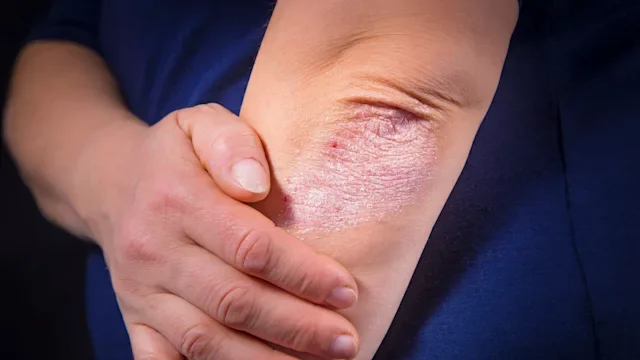
Psoriasis
This list may change as the medical community and scientists learn more about COVID.
How does COVID-19 cause autoimmune diseases?
In people with a genetic predisposition, an infection can sometimes (but not always) trigger an autoimmune condition. There are a number of theories about how this might happen:
Molecular mimicry: This happens when the immune system mistakes your body’s own cells for harmful germs. It occurs because some viruses — like the one that causes COVID — have molecules that are similar to healthy cells. As a result, the immune system may attack both, potentially triggering an autoimmune response.
Overactive immune response: COVID and other viruses may cause a large, broad inflammatory response. This may result in widespread damage to the body in addition to fighting off the infection. This can be considered a type of “collateral damage.”
Epitope spreading: The immune system begins by targeting a specific protein on the virus or bacteria. But then the immune system gets overactivated and starts acting on multiple targets, causing wider damage.

Read more like this
Explore these related articles, suggested for readers like you.


Is long COVID an autoimmune disease?
Long COVID isn’t classified as an autoimmune disease. But researchers are still trying to understand what causes long COVID, and there’s evidence that autoimmunity plays a role. For example, people with long COVID are more likely to have autoantibodies in their blood. Autoantibodies are immune system proteins that react against your own body’s cells. They’re a feature of many autoimmune disorders. But this isn’t a clear-cut link. Other factors — like inflammation and direct damage to organs — play a role in the development of long COVID.
Who is most at risk of developing an autoimmune disease from COVID-19?
Most people who get COVID won’t develop an autoimmune disease. The risk depends on your individual risk factors, how severe your illness is, and your vaccination status. People who are at higher risk of autoimmune disease after COVID-19 are those who:
Have a severe COVID infection
Already have an autoimmune disease before getting COVID
Aren’t vaccinated
Are female
Have a family history of autoimmune diseases
What about the COVID-19 vaccine and autoimmune disease risk?
Getting vaccinated against COVID lowers your chance of severe COVID. And it may also reduce your risk of developing autoimmune conditions after infection.
Some people wonder whether COVID vaccines themselves can cause autoimmune disease. The evidence is mixed. Some studies report a small increase in autoimmune diseases after COVID vaccination itself. Meanwhile, others found no increased risk of autoimmune disease with vaccination.
Overall, if there’s a risk, it appears to be small and not consistently seen. And the risk of developing an autoimmune condition is higher after COVID infection than after vaccination.
What if you already have an autoimmune disease and get COVID-19?
People with autoimmune diseases may have a higher risk of developing severe symptoms from COVID-19. There are two main reasons for this. First, the autoimmune condition itself can affect how your immune system responds to infections. Second, many medications used to treat autoimmune diseases work by suppressing the immune system, which can make it harder for your body to fight off the virus.
How to reduce your risk
If you have an autoimmune disease, there are several steps you can take to lower your risk of severe illness from COVID. You can help lower your risk of catching COVID in the first place by:
Staying up-to-date on COVID vaccines and boosters
Washing your hands regularly
Avoiding close contact with people who are sick
Taking steps for cleaner air
Wearing a mask in high-risk settings, especially during surges, which is the most effective way to reduce the risk of serious complications
If you have an autoimmune disease and catch COVID, it’s also important to review your medications with your healthcare team. In some cases, this might mean changing or reducing your medications. But don’t stop or adjust medications without guidance. If you develop symptoms or test positive, seek care early. Antiviral treatments work best when started soon after symptoms begin. And they can be especially helpful for higher-risk individuals.
What are the signs of autoimmune disease after COVID infection?
Most people who get COVID-19 don’t develop an autoimmune disease. However, a small number may notice new symptoms in the months that follow. When it does happen, symptoms don’t usually appear right away. Most cases are reported about 3 to 15 months after the initial infection.
Because autoimmune diseases can affect many parts of the body, symptoms can vary. But some common signs to watch for include:
Joint aches and pains
Fatigue (extreme tiredness)
Rashes
Swollen glands
Recurrent fevers
Numbness or tingling sensation
If you notice persistent or unexplained symptoms — especially if they last for weeks or continue to worsen — it’s a good idea to check in with your healthcare team. Early evaluation can help identify whether something more serious is going on and guide your next steps.
Frequently asked questions
Yes. Some people develop long COVID, a condition that can affect the lungs, brain, and heart, as well as other parts of the body. Symptoms vary, but they often include:
Fatigue
Shortness of breath
Brain fog
Ongoing pain
Symptoms can last anywhere from weeks to years after infection. Risk is higher in people who had more severe COVID and in older adults, especially those over age 50. Researchers are still working to understand why long COVID happens and how to best treat it.
Calming the immune system usually involves prescription medication from your healthcare team. Medications can help reduce inflammation and prevent the immune system from attacking healthy tissue. But lifestyle choices can also help. To support your overall immune health, aim to eat an anti-inflammatory diet. Also, lower your stress. And try to get quality sleep and exercise.
Autoimmune fatigue is more than just feeling tired. It’s often described as persistent, overwhelming exhaustion that doesn’t improve with rest. People may feel physically drained, mentally foggy, or unable to complete daily activities. This type of fatigue can come and go, and it may flare along with other symptoms.
Scientists aren’t certain why autoimmune diseases are on the rise. Part of it may be due to better detection and diagnosis. But researchers also point to environmental and lifestyle factors. Some likely contributors are diet, pollution, and stress. Other factors include infections, chemical exposures, and changes in daily life.
Yes. Some people develop long COVID, a condition that can affect the lungs, brain, and heart, as well as other parts of the body. Symptoms vary, but they often include:
Fatigue
Shortness of breath
Brain fog
Ongoing pain
Symptoms can last anywhere from weeks to years after infection. Risk is higher in people who had more severe COVID and in older adults, especially those over age 50. Researchers are still working to understand why long COVID happens and how to best treat it.
Calming the immune system usually involves prescription medication from your healthcare team. Medications can help reduce inflammation and prevent the immune system from attacking healthy tissue. But lifestyle choices can also help. To support your overall immune health, aim to eat an anti-inflammatory diet. Also, lower your stress. And try to get quality sleep and exercise.
Autoimmune fatigue is more than just feeling tired. It’s often described as persistent, overwhelming exhaustion that doesn’t improve with rest. People may feel physically drained, mentally foggy, or unable to complete daily activities. This type of fatigue can come and go, and it may flare along with other symptoms.
Scientists aren’t certain why autoimmune diseases are on the rise. Part of it may be due to better detection and diagnosis. But researchers also point to environmental and lifestyle factors. Some likely contributors are diet, pollution, and stress. Other factors include infections, chemical exposures, and changes in daily life.
The bottom line
COVID-19 can have lasting effects beyond the initial infection, including an increased risk of autoimmune diseases. Most people recover without complications. However, those with severe COVID, pre-existing autoimmune conditions, or certain risk factors may be more vulnerable.
Vaccination, early treatment, and everyday precautions remain the most effective ways to reduce risk. Staying informed, monitoring for new or persistent symptoms, and working closely with a healthcare team can help you protect your health and catch issues early.

Why trust our experts?



References
Arango, M. T., et al. (2013). Chapter 19: Infection and autoimmune diseases. In: Autoimmunity: From Bench to Bedside.
Autoimmune Association. (2022). Beyond tired: Fatigue and autoimmune disease.
Centers for Disease Control and Prevention. (2023). Long COVID and significant activity limitation among adults, by age — United States, June 1–13, 2022, to June 7–19, 2023.
Centers for Disease Control and Prevention. (2025). COVID: How to protect yourself and others.
Gil, A. M., et al. (2025). Risk of new onset of immune-mediated diseases after SARS-CoV-2 infection: A systematic review and meta-analysis. Seminars in Arthritis and Rheumatism.
Gregg, S. M., et al. (2024). Long COVID—ACOEM Guidance Statement. JOEM.
Guo, M., et al. (2023). Insights into new-onset autoimmune diseases after COVID-19 vaccination. Autoimmunity Reviews.
Ju, H. J., et al. (2023). Risk of autoimmune skin and connective tissue disorders after mRNA-based COVID-19 vaccination. Journal of the American Academy of Dermatology.
Miller, F. W. (2023). The increasing prevalence of autoimmunity and autoimmune diseases: an urgent call to action for improved understanding, diagnosis, treatment, and prevention. Current Opinion in Immunology.
National Cancer Institute. (n.d.). Definition of autoantibody.
Peng, K., et al. (2023). Risk of autoimmune diseases following COVID-19 and the potential protective effect from vaccination: A population-based cohort study. The Lancet.
Sharma, C., et al. (2023). High risk of autoimmune diseases after COVID-19. Nature Reviews Rheumatology.
Shinzato, T., et al. (2024). New-onset Graves' disease Induced by COVID-19: A case report and literature review. Cureus.
Tesch, F., et al. (2023). Incident autoimmune diseases in association with SARS-CoV-2 infection: A matched cohort study. Clinical Rheumatology.
Tursi, A., et al. (2022). SARS-CoV-2 infection as a potential trigger factor for de novo occurrence of inflammatory bowel disease. European Journal of Gastroenterology and Hepatology.
Tzang, C. C., et al. (2025). Association between COVID-19 and new-onset autoimmune diseases: Updated systematic review and meta-analysis of 97 million individuals. Clinical Reviews in Allergy & Immunology.
Wilhelm, F., et al. (2026). Autoantibodies in long COVID: A systematic review. The Lancet. Infectious Diseases.
Wuller, S., et al. (2025). Severity of acute SARS-CoV-2 infection and risk of new-onset autoimmune disease: A RECOVER initiative study in nationwide U.S. cohorts. PloS One.
Yadaw, A. S., et al. (2023). Preexisting autoimmunity is associated with increased severity of coronavirus disease 2019: A retrospective cohort study using data from the National COVID Cohort Collaborative (N3C). Clinical Infectious Diseases.
Zhang, J., et al. (2026). Post-COVID-19 surge in Guillain-Barré syndrome during the Omicron wave in China with clinical characteristics and potential immune-mediated pathways. Scientific Reports.