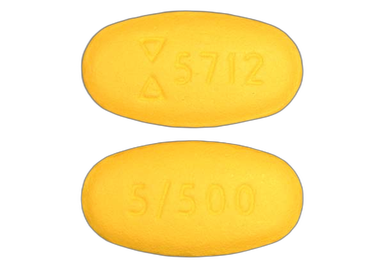
glyburide / metformin
Glyburide/metformin is used to manage blood sugar levels in adults with Type 2 diabetes. It works best when taken with a healthy diet and regular exercise. This medication combines a sulfonylurea (glyburide) and a biguanide (metformin). You take it by mouth, typically once or twice daily with meals. Since glyburide/metformin can cause hypoglycemia (low blood sugar), it's important to carry fast-acting sugars like gummy candy or fruit juice to quickly raise your blood sugar if needed. Other common side effects include diarrhea, headache, and nausea. Brand name Glucovance has been discontinued.


What is Glyburide/metformin?
What is Glyburide/metformin used for?
- Type 2 diabetes (T2D) in adults
How Glyburide/metformin works
Glyburide/metformin is a combination of two medications:
- Glyburide is a sulfonylurea. It lowers blood sugar levels by telling your pancreas to release more insulin.
- Metformin is a biguanide. It works by telling the liver to make less sugar and lowering the amount of sugar absorbed through the gut. In addition, it makes the body more sensitive to insulin.
Drug facts
| Common Brands | Glucovance |
|---|---|
| Drug Class | Sulfonylurea / Biguanide |
| Controlled Substance Classification | Not a controlled medication |
| Generic Status | Lower-cost generic available |
| Availability | Prescription only |

Side effects of Glyburide/metformin
The following side effects may get better over time as your body gets used to the medication. Let your healthcare provider know immediately if you continue to experience these symptoms or if they worsen over time.
Common Side Effects
- Low blood sugar levels (up to 38%)
- Diarrhea (17%)
- Headache (9%)
- Nausea or vomiting (8%)
- Belly pain (7%)
- Dizziness (6%)
Less Common Side Effects
- Redness or itching on the skin
- Rash
Glyburide/metformin serious side effects
Contact your healthcare provider immediately if you experience any of the following.
- Severe skin or allergic reactions: rash, blisters, sores, trouble breathing, swelling
- Low blood sugar: shakiness, fast heartbeat, sweating, dizziness, anxiety, confusion, feeling very hungry
- Buildup of lactic acid: confusion, feeling weak, fast heartbeat, rapid breathing, no appetite, nausea, vomiting
The following Glyburide/metformin side effects have also been reported
Along with its needed effects, a medicine may cause some unwanted effects. Although not all of these side effects may occur, if they do occur they may need medical attention.
Check with your doctor immediately if any of the following side effects occur:
More common
Anxious feeling
behavior change similar to being drunk
blurred vision
cold sweats
confusion
convulsions (seizures)
cool, pale skin
difficulty with concentrating
drowsiness
excessive hunger
fast heartbeat
headache (continuing)
nervousness
nightmares
restless sleep
shakiness
slurred speech
unconsciousness
unusual tiredness or weakness
Rare
Abdominal or stomach discomfort
decreased appetite
fast shallow breathing
general feeling of discomfort
muscle pain or cramping
unusual sleepiness
Some side effects may occur that usually do not need medical attention. These side effects may go away during treatment as your body adjusts to the medicine. Also, your health care professional may be able to tell you about ways to prevent or reduce some of these side effects. Check with your health care professional if any of the following side effects continue or are bothersome or if you have any questions about them:
More common
Dizziness
headache
vomiting
Other side effects not listed may also occur in some patients. If you notice any other effects, check with your healthcare professional.
Call your doctor for medical advice about side effects. You may report side effects to the FDA at 1-800-FDA-1088.

Get your GoodRx coupon

Pros and cons of Glyburide/metformin
Pros
- Combines two medications into one pill for convenience
- Dose can be adjusted if needed
- Taken by mouth instead of an injection
Cons
- Need to take with meals
- Not safe for use in people with moderate-to-severe kidney disease
- More likely to cause weight gain compared to some other medications for diabetes

Pharmacist tips for Glyburide/metformin

- Take glyburide/metformin at the same time every day with your meals. This helps to lower the risk of low blood sugar and to better absorb the medication into your body. Taking this medication with food can also lower the risk of stomach problems, including diarrhea, nausea, vomiting, and belly pain.
- It's important to eat a healthy diet and exercise regularly to keep your blood sugar under control. Make sure to work with your healthcare team on a diet and exercise plan while taking glyburide/metformin.
- Glyburide/metformin can put you at risk of having low blood sugar. Your risk is higher if you're also using insulin. Make sure you eat consistent meals while taking glyburide/metformin to prevent your blood sugar from dropping too low. If you make any changes in your diet, talk with your healthcare team because they might need to adjust the dose of your blood sugar medications.
- Make sure to keep fast-acting sugars, such as glucose tablets or boxes of fruit juice, with you at all times. This is so that you can take them if your blood sugar level drops too low. Check your blood sugar if you feel confused, shaky, or have a fast heartbeat. Make sure you know how to treat low blood sugar (less than 70 mg/dL) and when you need to call 911.
- If possible, it's best to avoid alcohol when you're taking glyburide/metformin. Drinking alcohol with this medication can cause dangerously low blood sugar.
- While you're taking glyburide/metformin, make sure to drink enough fluids to keep hydrated, especially if you're experiencing vomiting or diarrhea or feeling ill. These conditions can lead to dehydration and raise your risk of having a buildup of lactic acid in your blood.
- Make sure to get your routine blood tests done on time while you’re taking glyburide/metformin. By doing so, your healthcare team can check for side effects, like liver injury or changes to your vitamin B12 levels, or your risk for lactic acidosis (too much acid in your blood).
- If you're scheduled for a surgery, let your healthcare team know ahead of time. They can discuss with you when to stop glyburide/metformin before surgery and when to restart this medication afterwards. This is because you might not be able to eat or drink during the time around your surgery, which can raise your risk of lactic acidosis.
- Talk with a healthcare professional or radiologist about your medication history before getting any procedures done. The contrast dyes that are used for certain imaging procedures can temporarily affect your kidneys. If you're taking glyburide/metformin, this effect on the kidneys can raise your risk of metformin buildup in your body and lactic acidosis, which can be dangerous.
- If you feel cold in your hands or feet, dizzy, weak, confused, nauseous, or have trouble breathing, belly pain, or a racing heart, stop taking glyburide/metformin and get medical attention right away. These can be signs of a serious condition called lactic acidosis (high acid levels in the blood), which sometimes can require treatment in the hospital.

Risks and warnings for Glyburide/metformin
Glyburide/metformin can cause some serious health issues. This risk may be even higher for certain groups. If this worries you, talk to your doctor or pharmacist about other options.
Lactic acidosis (too much acid in your body)
- Risk factors: Kidney or liver problems | Heart failure or heart attack | Age 65 or older | Not eating food or fasting before surgery | Excessive alcohol use | Imaging procedure using contrast dye | Taking certain medications that affect the kidneys
 Metformin can cause a rare, but serious medical condition called lactic acidosis (too much lactic acid in your blood). If left untreated, this condition can lead to other health problems, including organ failure, which can be deadly. Discuss with your primary care provider about your medical history before starting glyburide/metformin and any planned procedures during treatment. They can check for your risk for lactic acidosis. Get medical attention right away if you experience fast breathing, irregular heartbeat, or feeling very tired or confused. These can be symptoms that you have too much lactic acid in your blood.
Low blood sugar
- Risk factors: Missing meals or having inconsistent meal times | Drinking alcohol | Intense or long periods of exercise | Taking medications that lower blood sugar | People ages 60 years or older | Kidney or liver problems
Glyburide/metformin can cause your blood sugar levels to drop to dangerously low levels. Symptoms of low blood sugar include feeling shaky, being nervous or anxious, fast heartbeat, sweating or body chills, confusion, and feeling very hungry. Make sure you and your family know how to treat low blood sugar and when they need to call 911. You might need to check your blood sugar more often to make sure it doesn't drop too much while taking this medication. It's best to keep emergency fast-acting sugars with you at all times, in case you need to bring your blood sugar back up to a safer range.
Possible risk of serious heart problems
A study of tolbutamide (a medication similar to glyburide) suggests that taking sulfonylureas might raise the risk of death due to heart problems. More research is needed in this area for glyburide. Let your healthcare team know right away if you experience any symptoms of a heart attack (chest pain, sweating, nausea, or dizziness) or heart failure (trouble breathing, tiredness, swelling in your body, or sudden weight gain). Your care team might recommend that you stop taking glyburide/metformin and go to a hospital.
Risk of low red blood cell count (hemolytic anemia)
- Risk factors: People with low levels of glucose-6-phosphodiesterase (G6PD)
People who took medications similar to glyburide have experienced hemolytic anemia, which is a condition that causes low red blood cells. If you have a certain genetic condition that raises your risk of this problem, your healthcare team will most likely consider a different medication for you. Let your care team know if you experience symptoms of anemia, such as weakness, tiredness, or dizziness.
Low vitamin B12 levels
- Risk factors: Long-term use of metformin | Lower-than-average calcium or vitamin B12 intake or absorption
Taking metformin for a long period of time can cause your vitamin B12 levels to drop. Having low vitamin B12 levels can lead to a higher risk of anemia. Your primary care provider will check your vitamin B12 levels through blood work every 2 to 3 years. If needed, they might recommend that you take vitamin B12 supplementation. Let your healthcare team know if you frequently have low energy, dizziness, muscle problems, or tingling or numbness in your hands and feet.

Glyburide/metformin dosage


Interactions between Glyburide/metformin and other drugs
Although certain medicines should not be used together at all, in other cases two different medicines may be used together even if an interaction might occur. In these cases, your doctor may want to change the dose, or other precautions may be necessary. When you are taking this medicine, it is especially important that your healthcare professional know if you are taking any of the medicines listed below. The following interactions have been selected on the basis of their potential significance and are not necessarily all-inclusive.
Using this medicine with any of the following medicines is not recommended. Your doctor may decide not to treat you with this medication or change some of the other medicines you take.
- Acetrizoic Acid
- Bosentan
- Diatrizoate
- Ethiodized Oil
- Iobenzamic Acid
- Iobitridol
- Iocarmic Acid
- Iocetamic Acid
- Iodamide
- Iodipamide
- Iodixanol
- Iodohippuric Acid
- Iodopyracet
- Iodoxamic Acid
- Ioglicic Acid
- Ioglycamic Acid
- Iohexol
- Iomeprol
- Iopamidol
- Iopanoic Acid
- Iopentol
- Iophendylate
- Iopromide
- Iopronic Acid
- Ioseric Acid
- Iosimide
- Iotasul
- Iothalamate
- Iotrolan
- Iotroxic Acid
- Ioxaglate
- Ioxitalamic Acid
- Ipodate
- Metrizamide
- Metrizoic Acid
- Tyropanoate Sodium
Using this medicine with any of the following medicines is usually not recommended, but may be required in some cases. If both medicines are prescribed together, your doctor may change the dose or how often you use one or both of the medicines.
- Acarbose
- Aspirin
- Balofloxacin
- Besifloxacin
- Bupropion
- Capmatinib
- Chloroquine
- Ciprofloxacin
- Darolutamide
- Dasabuvir
- Desmopressin
- Disopyramide
- Dofetilide
- Dolutegravir
- Dulaglutide
- Enasidenib
- Enoxacin
- Entacapone
- Fleroxacin
- Flumequine
- Gatifloxacin
- Gemifloxacin
- Hydroxychloroquine
- Ioversol
- Lanreotide
- Leflunomide
- Letermovir
- Levofloxacin
- Lixisenatide
- Lomefloxacin
- Metreleptin
- Moxifloxacin
- Nadifloxacin
- Norfloxacin
- Octreotide
- Ofloxacin
- Ombitasvir
- Paritaprevir
- Pasireotide
- Pazufloxacin
- Pefloxacin
- Pioglitazone
- Porfimer
- Prulifloxacin
- Ritonavir
- Rufloxacin
- Simeprevir
- Sitagliptin
- Sparfloxacin
- Tafenoquine
- Teriflunomide
- Thioctic Acid
- Tosufloxacin
- Vandetanib
Using this medicine with any of the following medicines may cause an increased risk of certain side effects, but using both drugs may be the best treatment for you. If both medicines are prescribed together, your doctor may change the dose or how often you use one or both of the medicines.
- Acebutolol
- Aminolevulinic Acid
- Atenolol
- Betaxolol
- Bisoprolol
- Bitter Melon
- Carteolol
- Carvedilol
- Celiprolol
- Clarithromycin
- Colesevelam
- Cyclosporine
- Eltrombopag
- Esmolol
- Fenugreek
- Fluvastatin
- Furazolidone
- Gemfibrozil
- Glucomannan
- Guar Gum
- Iproniazid
- Isocarboxazid
- Labetalol
- Levobunolol
- Linezolid
- Methylene Blue
- Metipranolol
- Metoprolol
- Moclobemide
- Nadolol
- Nebivolol
- Nialamide
- Oxprenolol
- Patiromer
- Penbutolol
- Phenelzine
- Pindolol
- Practolol
- Procarbazine
- Propranolol
- Psyllium
- Ranolazine
- Rasagiline
- Rifampin
- Rifapentine
- Safinamide
- Saxagliptin
- Selegiline
- Sotalol
- Timolol
- Tranylcypromine
- Verapamil
- Voriconazole
- Warfarin

How much does Glyburide/metformin cost?
$24.00

Glyburide/metformin contraindications
Contraindications are specific health conditions or situations in which a person should not take a medication due to safety concerns. If you have any of the following conditions or if any of the following apply to you, let your healthcare provider know because Glyburide/metformin will not be safe for you to take.
- Severe kidney problems
- Sudden or long-term acidosis (dangerously high levels of acid), including diabetic ketoacidosis
- Taking together with bosentan (Tracleer)

What are alternatives to Glyburide/metformin?

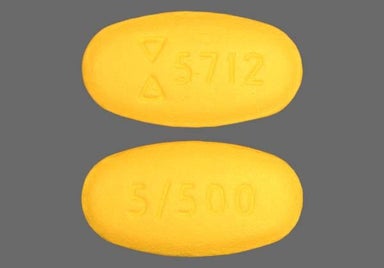
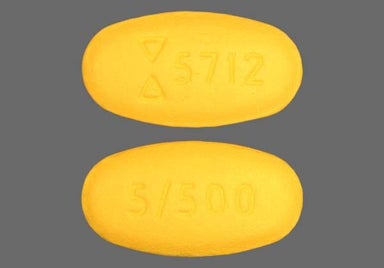
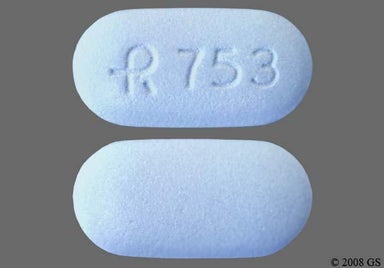
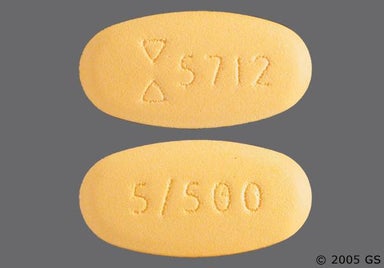
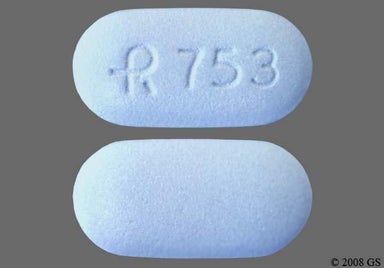
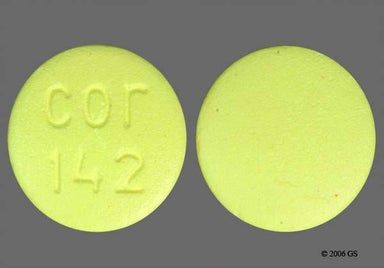
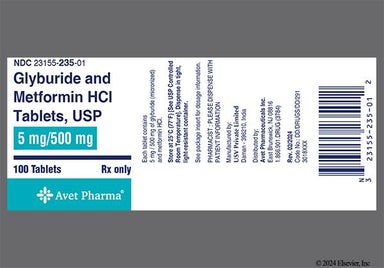
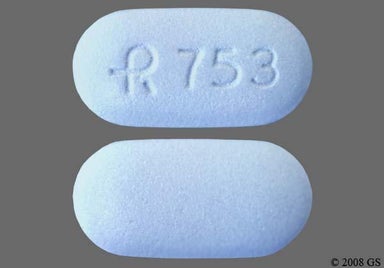
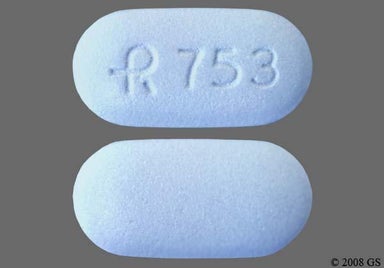
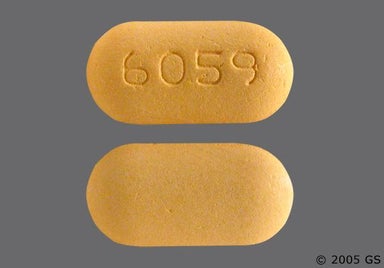
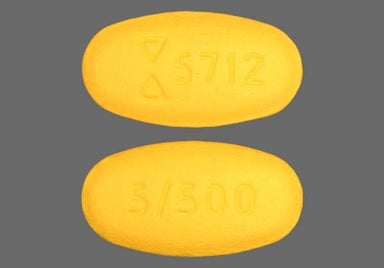
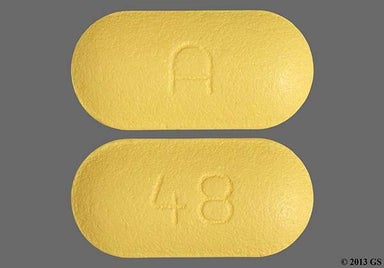
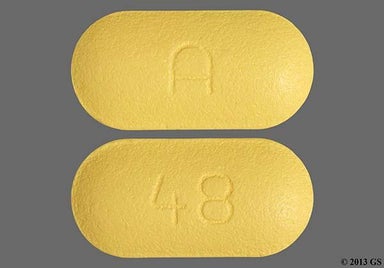
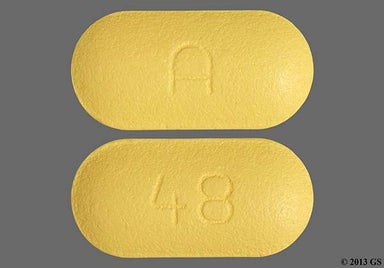
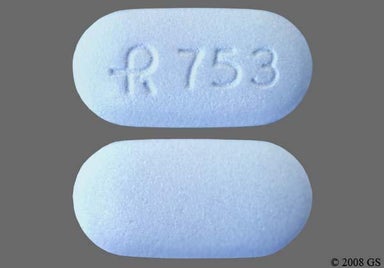
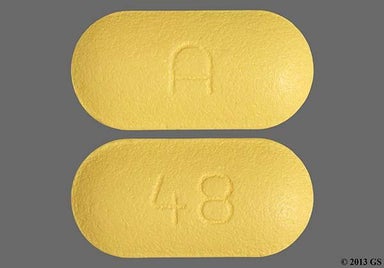
Glyburide/metformin images