guaifenesin / phenylephrine
Gilphex is a combination medication that contains guaifenesin (an expectorant) and phenylephrine (a decongestant). It's used to temporarily relieve cold and allergy symptoms, such as stuffy nose and chest congestion, in people ages 6 years and older. This medication is taken by mouth, typically every 4 hours. But it's not recommended for people who are pregnant. Potential side effects include dizziness and headache. Gilphex (guaifenesin / phenylephrine) is available as brand-name and generic medications.


What is Gilphex (guaifenesin / phenylephrine)?
What is Gilphex (guaifenesin / phenylephrine) used for?
- Short-term relief of runny or stuffy nose due to allergies or the common cold
- Loosens mucus to ease chest congestion
- Sinus congestion and pressure
How Gilphex (guaifenesin / phenylephrine) works
Gilphex (guaifenesin / phenylephrine) is a combination of two medications that work together to relieve symptoms associated with a cough, allergies, and the common cold.
- Guaifenesin is an expectorant. It thins and loosens mucus that's stuck in your airways, making it easier to cough it up.
- Phenylephrine is a decongestant, which works to relieve stuffy nose. It tightens the blood vessels around your nose, which eases nasal swelling and pressure. This allows you to breathe easier and to have better sinus drainage.
Drug facts
| Common Brands | Gilphex, Pharbinex PE, ED Bron GP Liquid |
|---|---|
| Drug Class | Expectorant / Decongestant |
| Controlled Substance Classification | Not a controlled medication |
| Generic Status | Lower-cost generic available |
| Availability | Over-the-counter |

Side effects of Gilphex (guaifenesin / phenylephrine)
The following side effects may get better over time as your body gets used to the medication. Let your healthcare provider know immediately if you continue to experience these symptoms or if they worsen over time.
Common Side Effects
- Headache
- Dizziness
Less Common Side Effects
- Trouble sleeping
- Feeling restless
- Changes in blood pressure (up or down)
The following Gilphex (guaifenesin / phenylephrine) side effects have also been reported
Side effects that you should report to your care team as soon as possible:
- Allergic reactions—skin rash, itching, hives, swelling of the face, lips, tongue, or throat
- Heart palpitations—rapid, pounding, or irregular heartbeat
- Increase in blood pressure
Side effects that usually do not require medical attention (report these to your care team if they continue or are bothersome):
- Anxiety, nervousness
- Dizziness
- Drowsiness
- Headache
- Trouble sleeping

Get your GoodRx coupon

Pros and cons of Gilphex (guaifenesin / phenylephrine)
Pros
- More convenient to take a product that's a combination of two medications
- Available over the counter
- Available as tablets and liquid
Cons
- Need to take up to every 4 hours
- Not be appropriate for children younger than 6 years old (check label of individual product)
- Might not be a good option while pregnant or breastfeeding

Pharmacist tips for Gilphex (guaifenesin / phenylephrine)

- Check the label of your guaifenesin/phenylephrine medication carefully for specific directions. Different formulations (e.g., tablet, solution) might have different directions or contain different dosages of the individual medications. Ask your pharmacist if you have any questions about your product.
- You might feel nervous or have trouble sleeping after you take Gilphex (guaifenesin / phenylephrine). These can be side effects of the phenylephrine in the medication. If this happens, try to avoid taking the medication close to bedtime. Contact your primary care provider if that doesn't help.
- Let your primary care provider know if you have a cough that's caused by cigarette smoke, a cough that's linked to a breathing problem (e.g., asthma, emphysema), or a cough with a lot of mucus. Gilphex (guaifenesin / phenylephrine) might not be appropriate for you in these cases and you might need a different treatment option.
- Stop taking Gilphex (guaifenesin / phenylephrine) and contact your primary care provider if your cough or stuffy nose lasts more than a week or comes back after clearing up. Also tell them if you have a rash, fever, or headache along with your cough or stuffy nose. These might be symptoms of a more serious condition and you might need more medical attention.
- Don't start any new medications while you're taking Gilphex (guaifenesin / phenylephrine) — especially other guaifenesin or decongestant products — without talking to your primary care provider or pharmacist first. Taking certain medications with Gilphex (guaifenesin / phenylephrine) can raise your risk for serious side effects, including high blood pressure, fast heart rate, or possibly hallucinations (seeing or hearing things that aren't real).
- Gilphex (guaifenesin / phenylephrine) shouldn't be taken with a monoamine oxidase inhibitor (MAOI), such as selegiline, phenelzine (Nardil), or tranylcypromine (Parnate). This combination can raise your risk for severe side effects (e.g., high blood pressure, dizziness). If you're currently taking an MAOI or have taken one in the last 2 weeks, don't take Gilphex (guaifenesin / phenylephrine) and contact your provider for other options to treat your symptoms.
- Store Gilphex (guaifenesin / phenylephrine) up and away and out of children's reach and sight. This prevents them from accidentally swallowing any medication that was left out. Call a Poison Center at 1-800-222-1222 right away if you think that your child accidentally swallowed Gilphex (guaifenesin / phenylephrine).

Risks and warnings for Gilphex (guaifenesin / phenylephrine)
Gilphex (guaifenesin / phenylephrine) can cause some serious health issues. This risk may be even higher for certain groups. If this worries you, talk to your doctor or pharmacist about other options.
Accidentally taking too much medication
- Risk factors: Taking with other similar medications
Gilphex contains an expectorant (guaifenesin) and a decongestant (phenylephrine). These ingredients can be found in many other over-the-counter products.
Using more than one product containing the same (or similar) ingredients as Gilphex (guaifenesin / phenylephrine) raises the risk that you might accidentally take too much of a particular ingredient. This can be harmful. For example, taking too much phenylephrine can cause anxiety, ringing in the ears, and blurry vision.
Ask your primary care provider or pharmacist if you're not sure whether you're taking a medication with any of the ingredients in Gilphex (guaifenesin / phenylephrine). Carefully read and follow the product instructions on the package. Call a Poison Center at 1-800-222-1222 right away if you think that you or your child accidentally took too much medication (even if you aren't completely sure).
Worsening of certain medical conditions
- Risk factors: Long-term cough or cough with too much mucus | Cough from smoking, asthma, chronic bronchitis, or emphysema | Heart disease or high blood pressure | Thyroid problems | High blood sugar (diabetes) | Urinary conditions
Tell your primary care provider (PCP) about all your medical conditions that you have before you start Gilphex (guaifenesin / phenylephrine). It's possible for this medication to worsen your medical condition(s) and cause serious side effects. Or the medication might not be appropriate for you based on your medical condition(s). Your PCP can check that Gilphex (guaifenesin / phenylephrine) is appropriate and safe for you to take.

Gilphex (guaifenesin / phenylephrine) dosage
 Tablet
| Dosage | Quantity | Price as low as | Price per unit |
|---|---|---|---|
| 400mg/10mg | 30 tablets | $10.98 | $0.37 |

How much does Gilphex (guaifenesin / phenylephrine) cost?
$10.98

Gilphex (guaifenesin / phenylephrine) contraindications
Contraindications are specific health conditions or situations in which a person should not take a medication due to safety concerns. If you have any of the following conditions or if any of the following apply to you, let your healthcare provider know because Gilphex (guaifenesin / phenylephrine) will not be safe for you to take.
- Currently take or have taken an monoamine oxidase inhibitor (MAOI) in the last 2 weeks

What are alternatives to Gilphex (guaifenesin / phenylephrine)?

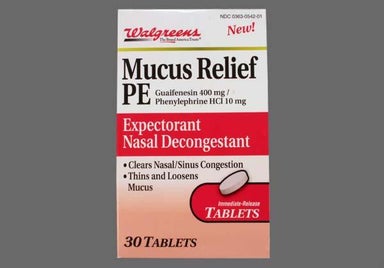
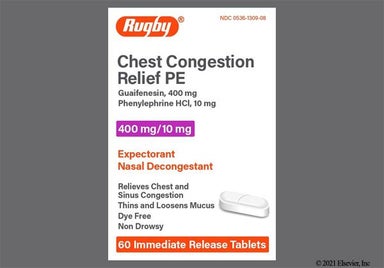
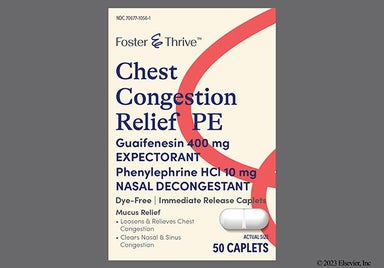
Gilphex (guaifenesin / phenylephrine) images