



Alzheimer’s Medications: Comparing Your Treatment Options
Alzheimer’s-related dementia can be treated with oral, topical, and IV medications. Learn about the best treatments for Alzheimer’s, including side effects.
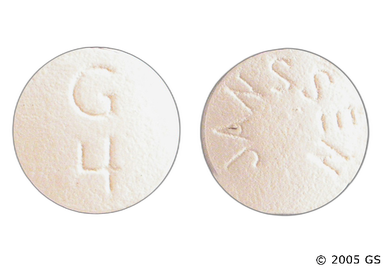
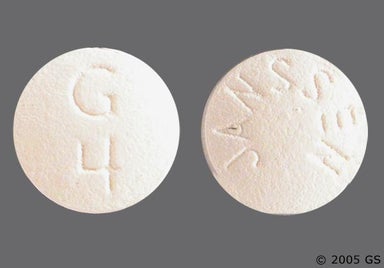
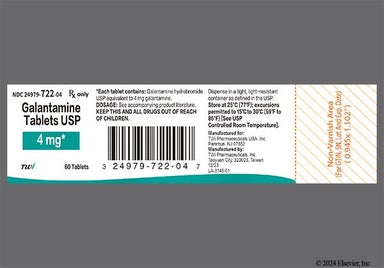
Galantamine is an oral medication used for mild-to-moderate Alzheimer's disease. It belongs to a drug class called acetylcholinesterase inhibitors. This medication is available as a tablet, oral solution, and extended-release (ER) capsule that you take by mouth. The dosage depends on which form you're taking. Nausea, headache, and dizziness are common side effects of galantamine.

It's not known exactly what causes Alzheimer's disease. But, researchers suggest that people with Alzheimer's might have less acetylcholine activity in the brain. Acetylcholine is a chemical in the body that's important for sending signals through nerves related to memory and learning.
Galantamine is an acetylcholinesterase inhibitor. Though unclear how the medication exactly helps with Alzheimer's, it's thought to prevent the breakdown of acetylcholine.
| Common Brands | Razadyne ER |
|---|---|
| Drug Class | Acetylcholinesterase inhibitor |
| Controlled Substance Classification | Not a controlled medication |
| Generic Status | Lower-cost generic available |
| Availability | Prescription only |

The following side effects may get better over time as your body gets used to the medication. Let your healthcare provider know immediately if you continue to experience these symptoms or if they worsen over time.
Contact your healthcare provider immediately if you experience any of the following.
Along with its needed effects, a medicine may cause some unwanted effects. Although not all of these side effects may occur, if they do occur they may need medical attention.
Check with your doctor immediately if any of the following side effects occur:
Less common
Chest pain or discomfort
lightheadedness, dizziness, or fainting
shakiness in the legs, arms, hands, or feet
shortness of breath
slow or irregular heartbeat
unusual tiredness
Rare
Blurred vision
confusion
decreased urination
dizziness, faintness, or lightheadedness when getting up suddenly from a lying or sitting position
fainting
fast, irregular, pounding, or racing heartbeat or pulse
feeling of warmth
rapid breathing
redness of the face, neck, arms, and occasionally, upper chest
sunken eyes
sweating
thirst
troubled breathing
unusual tiredness or weakness
wrinkled skin
Incidence not known
Blistering, peeling, or loosening of the skin
chills
dark urine
general tiredness and weakness
headache
hoarseness
irritation
joint pain, stiffness, or swelling
light-colored stools
nervousness
pounding in the ears
red skin lesions, often with a purple center
red, irritated eyes
redness of the skin
swelling of the eyelids, face, lips, hands, or feet
tightness in the chest
troubled swallowing
upper right abdominal or stomach pain
yellow eyes and skin
Get emergency help immediately if any of the following symptoms of overdose occur:
Symptoms of overdose
Confusion
convulsions
irregular, fast or slow, or shallow breathing
muscle weakness
pale or blue lips, fingernails, or skin
severe nausea
stomach cramps
sweating
tearing of the eyes
twitches of the muscle visible under the skin
vomiting
Some side effects may occur that usually do not need medical attention. These side effects may go away during treatment as your body adjusts to the medicine. Also, your health care professional may be able to tell you about ways to prevent or reduce some of these side effects. Check with your health care professional if any of the following side effects continue or are bothersome or if you have any questions about them:
Less common
Acid or sour stomach
belching
discouragement
feeling sad or empty
general feeling of discomfort or illness
increased sweating
indigestion
irritability
lack of appetite
lack or loss of strength
loss of interest or pleasure
stomach discomfort, upset, or pain
trouble concentrating
trouble sleeping
unusual drowsiness, dullness, tiredness, weakness, or feeling of sluggishness
Rare
Burning, crawling, itching, numbness, prickling, "pins and needles", or tingling feelings
change in taste
dry heaves
loss of taste
unusually deep sleep
unusually long duration of sleep
Incidence not known
Continuing ringing or buzzing or other unexplained noise in the ears
hearing loss
seeing, hearing, or feeling things that are not there
Other side effects not listed may also occur in some patients. If you notice any other effects, check with your healthcare professional.
Call your doctor for medical advice about side effects. You may report side effects to the FDA at 1-800-FDA-1088.



Additional tips for the oral solution:

Galantamine can cause some serious health issues. This risk may be even higher for certain groups. If this worries you, talk to your doctor or pharmacist about other options.
Although rare, galantamine can cause serious skin reactions. Let your provider know right away if you develop a rash while taking this medication. You might need to stop galantamine and switch to an alternative treatment.
Galantamine can slow down your heart rate. In some cases, this can lead to fainting. Let your provider know if you have any falls or start to feel lightheaded.
Galantamine can raise the amount of stomach acid your body makes, which can put you at risk for stomach ulcers and bleeding. Nonsteroidal anti-inflammatory drugs (NSAIDs), which are commonly found in over-the-counter cold and pain medications, can also raise your risk of stomach bleeds. You might want to avoid taking these medications at the same time as galantamine. Talk to your provider if you have worsening upset stomach, heartburn, or indigestion.
Galantamine might raise your risk of seizures. If you think you might have experienced a seizure while taking this medication, let your provider know right away.


Although certain medicines should not be used together at all, in other cases two different medicines may be used together even if an interaction might occur. In these cases, your doctor may want to change the dose, or other precautions may be necessary. When you are taking this medicine, it is especially important that your healthcare professional know if you are taking any of the medicines listed below. The following interactions have been selected on the basis of their potential significance and are not necessarily all-inclusive.
Using this medicine with any of the following medicines is not recommended. Your doctor may decide not to treat you with this medication or change some of the other medicines you take.
Using this medicine with any of the following medicines is usually not recommended, but may be required in some cases. If both medicines are prescribed together, your doctor may change the dose or how often you use one or both of the medicines.
Using this medicine with any of the following medicines may cause an increased risk of certain side effects, but using both drugs may be the best treatment for you. If both medicines are prescribed together, your doctor may change the dose or how often you use one or both of the medicines.




Prescription savings
Stop paying too much for your prescriptions. Compare prices, get pharmacy coupons, and save up to 80%. Find expert answers to your health questions so you can make the best decisions for yourself and your family.
Health conditions
Medications & treatment
Access & affordability
 Our monthly healthcare membership can help you save thousands on your prescription costs.
Resources

There isn't a set amount of time that's recommended to take Galantamine. Your provider will probably tell you to continue taking the medication as long as it's helping with your symptoms and you're not having bothersome side effects, like nausea, vomiting, and appetite changes. Clinical studies have shown that it's safe and works well for up to 3 years.
It's recommended that you take your dose with food to lower your risk of stomach side effects like nausea and vomiting. If you're taking the immediate-release tablets or oral solution, take your dose with your morning and evening meals. If you're taking the extended-release capsules, take your dose with your morning meal.
Having kidney problems can lead to a buildup of Galantamine in your body, which can raise your risk of side effects from the medication. If you have kidney problems, you might have to take a lower dose of Galantamine to lower the risk of this happening. But, if you have severe kidney problems, using Galantamine might not be recommended. Be sure to let your provider know if you have kidney problems before starting this medication so they can make sure it's safe for you.
There are small studies showing that Galantamine can cause lucid (clear and vivid) dreams. Researchers aren't sure how the medication causes these dreams, and more research needs to be done to better understand this effect. Currently, Galantamine is only FDA approved to treat Alzheimer's disease and hasn't been proven to be safe or effective for any other purpose.
When used for treating Alzheimer's disease, Galantamine should only be used under the supervision of a healthcare provider and purchased with a prescription. There are galantamine supplements available over the counter (OTC), but keep in mind that claims made by the manufacturers of these supplements haven't been proven by the FDA.
