rimantadine
Rimantadine is an antiviral used to treat influenza A in adults, and prevent influenza A in children and adults. But rimantadine hasn't been a recommended option in recent years because many strains of flu virus have become resistant to this medication. Rimantadine is taken by mouth, typically twice a day. Side effects aren't common, but can include nausea, trouble sleeping, and dizziness. The brand name Flumadine has been discontinued so it's only available as a generic.


What is Rimantadine?
What is Rimantadine used for?
- Treatment of influenza type A - adults ages 17 and older
- Prevention of influenza type A - people ages 1 year and older
How Rimantadine works
Rimantadine is an antiviral medication that prevents the influenza A virus from making copies of itself.
Drug facts
| Common Brands | Flumadine |
|---|---|
| Drug Class | Antiviral |
| Controlled Substance Classification | Not a controlled medication |
| Generic Status | Lower-cost generic available |
| Availability | Prescription only |

Side effects of Rimantadine
The following side effects may get better over time as your body gets used to the medication. Let your healthcare provider know immediately if you continue to experience these symptoms or if they worsen over time.
Common Side Effects
- Nausea (3%)
- Vomiting (2%)
- Trouble sleeping (2%)
- Dizziness (2%)
Less Common Side Effects
- Dry mouth
- Poor appetite
- Nervousness
- Weakness or lack of energy
- Stomach pain
- Diarrhea
Rimantadine serious side effects
Contact your healthcare provider immediately if you experience any of the following.
- Seizures
The following Rimantadine side effects have also been reported
Along with its needed effects, a medicine may cause some unwanted effects. Although not all of these side effects may occur, if they do occur they may need medical attention.
Check with your doctor immediately if any of the following side effects occur:
Get emergency help immediately if any of the following symptoms of overdose occur:
Symptoms of overdose
chest pain or discomfort
dizziness
fainting
fast, slow, or irregular heartbeat
hyperventilation
irregular heartbeats
irritability
lightheadedness
nervousness
pounding or rapid pulse
restlessness
seeing, hearing, or feeling things that are not there
shaking
trouble with sleeping
Some side effects may occur that usually do not need medical attention. These side effects may go away during treatment as your body adjusts to the medicine. Also, your health care professional may be able to tell you about ways to prevent or reduce some of these side effects. Check with your health care professional if any of the following side effects continue or are bothersome or if you have any questions about them:
Less common
Abdominal or stomach pain
acid or sour stomach
belching
continuing ringing or buzzing or other unexplained noise in the ears
difficulty with concentrating
headache
hearing loss
impaired concentration
indigestion
lack or loss of strength
loss of appetite
rash
shakiness and unsteady walk
sleepiness or unusual drowsiness
stomach discomfort, upset, or pain
unsteadiness, trembling, or other problems with muscle control or coordination
unusual tiredness or weakness
vomiting
Other side effects not listed may also occur in some patients. If you notice any other effects, check with your healthcare professional.
Call your doctor for medical advice about side effects. You may report side effects to the FDA at 1-800-FDA-1088.

Get your GoodRx coupon

Pros and cons of Rimantadine
Pros
- Available as a lower-cost generic
- Tablets can be made into an oral suspension for people who have a hard time swallowing tablets
- Can be used for prevention of the flu in children as young as 1 year old
- Not many known interactions with other medications
Cons
- Works best if taken within 48 hours of the onset of flu symptoms
- Not recommended as the first-choice option to treat influenza since some virus strains are resistant to it
- Doesn't work for the influenza type B virus
- Not a good option for people with serious kidney problems

Pharmacist tips for Rimantadine

- Start taking rimantadine as soon as you or someone around you has flu symptoms. It works best if you take it within 2 days of the onset of symptoms.
- If you're taking rimantadine for treatment, take it for the full 7 days unless your healthcare provider tells you to stop, even if you don't have any more flu symptoms.
- Keep in mind that rimantadine doesn't replace a seasonal flu vaccine. Get a flu shot every year to prevent getting the flu.
- If you receive the live intranasal vaccine (LAIV), make sure you don't take rimantadine until 2 weeks after you received the vaccine. If you choose to get the LAIV vaccine after a course of rimantadine wait at least 48 hours after your last dose.
- Though very rare, people who take rimantadine are more likely to experience seizures if they've had seizures in the past. Tell your provider if you have a history of seizures, or take anti-seizure medications. Report any seizure activity to your healthcare provider.
- If your pharmacist gives you the oral suspension, shake it gently before each use. Only use the measuring device provided to you to measure the dose. Store the mixture at room temperature and throw it away after 14 days.

Risks and warnings for Rimantadine
Rimantadine can cause some serious health issues. This risk may be even higher for certain groups. If this worries you, talk to your doctor or pharmacist about other options.
Higher risk of seizures
- Risk factors: History of seizures | Use of amantadine
People with a history of epilepsy have a higher risk of seizures when taking a similar medication to rimantadine, amantadine. In clinical studies, some people with a history of seizures experienced seizure-like activity while taking rimantadine. If you experience seizures while taking rimantadine, stop taking the medication and contact your healthcare provider.
Higher risk of side effects in people with liver and kidney problems
People who have liver and kidney conditions break down and clear rimantadine slower than people who don't. This can lead to rimantadine building up in the body, which can be dangerous. Your provider might adjust your dose if you have liver or kidney problems.

Rimantadine dosage
 Tablet
| Dosage | Quantity | Price as low as | Price per unit |
|---|---|---|---|
| 100mg | 60 tablets | $54.92 | $0.92 |

Interactions between Rimantadine and other drugs
Although certain medicines should not be used together at all, in other cases two different medicines may be used together even if an interaction might occur. In these cases, your doctor may want to change the dose, or other precautions may be necessary. Tell your healthcare professional if you are taking any other prescription or nonprescription (over-the-counter [OTC]) medicine.

How much does Rimantadine cost?
$54.92

Rimantadine contraindications
Contraindications are specific health conditions or situations in which a person should not take a medication due to safety concerns. If you have any of the following conditions or if any of the following apply to you, let your healthcare provider know because Rimantadine will not be safe for you to take.
- Allergy to amantadine (Gocovri, Osmolex ER)

What are alternatives to Rimantadine?

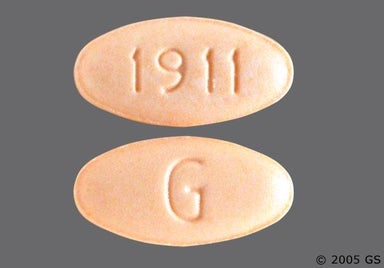
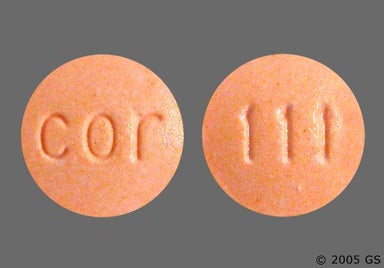
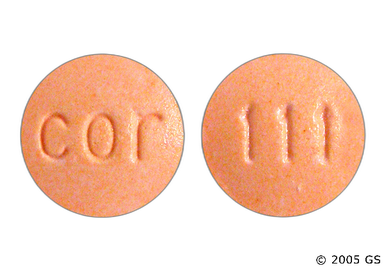
Rimantadine images