


9 Side Effects of Aromatase Inhibitors (Like Anastrozole) and How to Manage Them
Aromatase inhibitors can help treat some types of breast cancer by lowering estrogen levels. Learn what some common side effects are and how the treatment works.
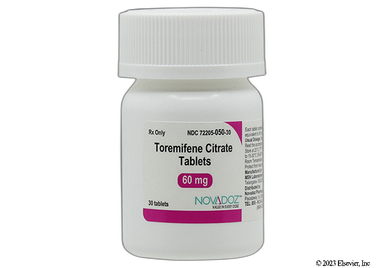
Toremifene (Fareston) is a type of hormone therapy used to treat hormone-receptor positive (HR+) metastatic breast cancer in postmenopausal females. It’s an oral tablet that’s conveniently taken once a day, but it’s not used as commonly as other similar medications. You’ll also need to look out for signs and symptoms of dangerous heart rhythm changes.

Toremifene (Fareston) is a selective estrogen receptor modulator. Some breast cancers rely on the hormone estrogen to grow. These breast cancers are called hormone-receptor positive (HR+).
Toremifene (Fareston) works to treat HR+ breast cancer by blocking estrogen from working on breast tissue. By blocking estrogen, cancer cells don’t have the fuel they need to grow, which stops breast cancer from growing and spreading.
| Common Brands | Fareston |
|---|---|
| Drug Class | Selective estrogen receptor modulator |
| Controlled Substance Classification | Not a controlled medication |
| Generic Status | Lower-cost generic available |
| Availability | Prescription only |

The following side effects may get better over time as your body gets used to the medication. Let your healthcare provider know immediately if you continue to experience these symptoms or if they worsen over time.
Contact your healthcare provider immediately if you experience any of the following.
Along with its needed effects, a medicine may cause some unwanted effects. Although not all of these side effects may occur, if they do occur they may need medical attention.
Check with your doctor immediately if any of the following side effects occur:
Less common
arm, back, or jaw pain
blurred vision
change in how much and how often you urinate
change in vaginal discharge
changes in skin color
changes in vision
changes in weight
chest pain, discomfort, tightness, or heaviness
confusion
dilated neck veins
dizziness, lightheadedness
fainting
fast, slow, or irregular heartbeat
inability to speak, incoherent speech
irregular breathing
loss of appetite
metallic taste in the tongue
muscle weakness
pain or discomfort in the arms, jaw, back, or neck
pain or feeling of pressure in the pelvis
pain, tenderness, or swelling of the foot or leg
seizures
severe or sudden headache
stomach pain
sweating
swelling of the face, fingers, feet, or lower legs
temporary blindness
tenderness, pain, swelling, warmth, skin discoloration, prominent superficial veins over the affected area
thirst
troubled breathing
unusual tiredness or weakness
vaginal bleeding
vomiting
weakness in the arm and or leg on one side of the body, sudden and severe
Incidence not known
Black, tarry stools
bleeding gums
blood in the urine or stools
chills
clay-colored stools
dark urine
painful or difficult urination
pinpoint red spots on the skin
rash
sores, ulcers, or white spots on the lips or in the mouth
swollen glands
unpleasant breath odor
unusual bleeding or bruising
vomiting of blood
yellow eyes or skin
Some side effects may occur that usually do not need medical attention. These side effects may go away during treatment as your body adjusts to the medicine. Also, your health care professional may be able to tell you about ways to prevent or reduce some of these side effects. Check with your health care professional if any of the following side effects continue or are bothersome or if you have any questions about them:
More common
Blindness
decreased vision
feeling of warmth
redness of the face, neck, arms, and occasionally, the upper chest
sudden sweating
sweating
Incidence not known
Blistering, crusting, irritation, itching, or reddening of the skin
cracked, dry, or scaly skin
difficulty having a bowel movement
feeling of constant movement of self or surroundings
feeling unusually cold
lack or loss of strength
partial or slight paralysis
sensation of spinning
shakiness in the legs, arms, hands, or feet
thinning of the hair
Other side effects not listed may also occur in some patients. If you notice any other effects, check with your healthcare professional.
Call your doctor for medical advice about side effects. You may report side effects to the FDA at 1-800-FDA-1088.




Toremifene (Fareston) can cause some serious health issues. This risk may be even higher for certain groups. If this worries you, talk to your doctor or pharmacist about other options.
 Toremifene (Fareston) can affect your heart rhythm by prolonging the time period from when the heart pumps and then relaxes. This is known as QT prolongation, which can be life-threatening. Your risk for QT prolongation is higher if you have certain risk factors, including low potassium or magnesium and heart rhythm problems, or are taking other medications that also cause QT prolongation. To lower your risk, your provider will periodically monitor your heart and do certain tests to make sure your heart rhythm is normal. If you can feel your heart beating, have weakness or blurred vision, or experience lightheadedness, go to the emergency room immediately.
Some people taking toremifene (Fareston) developed liver problems. These included inflammation of the liver (hepatitis), yellowing of the skin and eyes (jaundice), and non-alcoholic fatty liver disease. Your provider will monitor your liver health through lab work while you’re taking toremifene (Fareston). Let your provider know if you develop loss of appetite, nausea, vomiting, stomach pain, dark-colored urine, or yellowing of the skin and eyes. These can be symptoms of a problem with your liver.
Particularly in people whose cancer has spread to their bones, toremifene (Fareston) can cause a temporary side effect called a tumor flare, which can happen within the first few weeks of treatment. This is when your cancer gets bigger for a short time, but it usually shrinks back soon after. During this tumor flare, you might experience pain in your muscles or have some skin redness. You might also have higher calcium levels during this time. Your provider might monitor for this through lab work. If your calcium levels get too high, your provider might have you stop taking toremifene (Fareston).
Toremifene (Fareston) can raise your risk of endometrial cancer (or cancers of the uterine lining) and other problems with your uterus (e.g., uterine polyps and enlargement of your uterus). Before you start taking toremifene (Fareston) and during treatment, your provider will perform a gynecological exam. Let your provider know if you have abnormal vaginal bleeding, vaginal discharge, or pain or pressure in the area below your belly button (pelvis). These can be signs of a problem with your uterus.
Toremifene (Fareston) could raise your risk for blood clots in your body, that’s why it’s not recommended for people with a history of blood clots. Symptoms of a blood clot might be different depending on the location of the clot. They can include swelling, warmth, or tenderness in the legs. But more seriously, clots can lead to breathing problems and chest pain. Get medical attention right away if you have any of these symptoms.
Based on animal studies, toremifene (Fareston) might harm an unborn baby. Because of these risks, if you're a female who can get pregnant, you should use non-hormonal birth control, like condoms or a diaphragm, while taking toremifene (Fareston). Let your provider know right away if you become pregnant during this time.

 Tablet
| Dosage | Quantity | Price as low as | Price per unit |
|---|---|---|---|
| 60mg | 30 tablets | $308.15 | $10.27 |

Although certain medicines should not be used together at all, in other cases two different medicines may be used together even if an interaction might occur. In these cases, your doctor may want to change the dose, or other precautions may be necessary. When you are taking this medicine, it is especially important that your healthcare professional know if you are taking any of the medicines listed below. The following interactions have been selected on the basis of their potential significance and are not necessarily all-inclusive.
Using this medicine with any of the following medicines is not recommended. Your doctor may decide not to treat you with this medication or change some of the other medicines you take.
Using this medicine with any of the following medicines is usually not recommended, but may be required in some cases. If both medicines are prescribed together, your doctor may change the dose or how often you use one or both of the medicines.


Contraindications are specific health conditions or situations in which a person should not take a medication due to safety concerns. If you have any of the following conditions or if any of the following apply to you, let your healthcare provider know because Toremifene (Fareston) will not be safe for you to take.


Prescription savings
Stop paying too much for your prescriptions. Compare prices, get pharmacy coupons, and save up to 80%. Find expert answers to your health questions so you can make the best decisions for yourself and your family.
Health conditions
Medications & treatment
Access & affordability
Medication discounts

It depends on your situation. For the most part, you’ll likely take Toremifene for as long as you’re benefiting from it. Your care team will check in with you regularly and help you determine how long you’ll need to take this medication. Don’t stop taking Toremifene without first talking with your healthcare provider.
No. Although there are many different types of breast cancer, Toremifene is used to treat hormone-receptor positive (HR+) metastatic breast cancer. Before treatment, your provider will perform a test to help figure out the specific type of breast cancer you have. Knowing what type of receptor your cancer has will help you provider decide what treatment is best for you.
Possibly. Although Toremifene is FDA approved to treat breast cancer in postmenopausal females, there are some studies to suggest that the medication might also be helpful for premenopausal females (those who haven’t had menopause). Studies have shown that Toremifene works at least as well as tamoxifen (a first-choice treatment) and can be considered an alternative to treat HR+ breast cancer in premenopausal females. But your healthcare provider will work with you to determine if this medication is right for you.
Hot flashes are a common side effect of Toremifene. There are many things you can do to help manage these hot flashes. You can try natural remedies like exercising, eating more fruits and vegetables, and keeping your body cool. If hot flashes continue to be bothersome, speak with your healthcare provider as there may be medications that can help or it may be recommended to switch to another treatment.
Likely not. Information from animal studies suggest that Toremifene might cause harm to your unborn baby. If you're able to have babies, you should use non-hormonal birth control, like condoms or a diaphragm, while taking Toremifene. Talk with your provider if you're pregnant or thinking about becoming pregnant before taking this medication.
