


How Do I Treat Dry Mouth?
Dry mouth is pesky, but you can treat symptoms with over-the-counter and prescription medications. Here are the best dry mouth remedies, plus signs you should see a doctor.
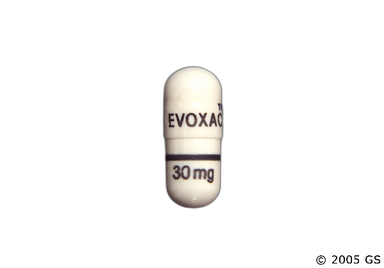
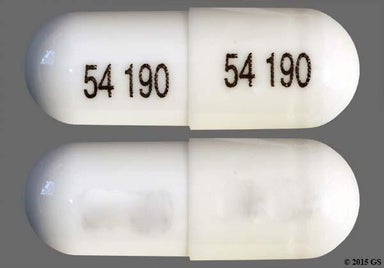
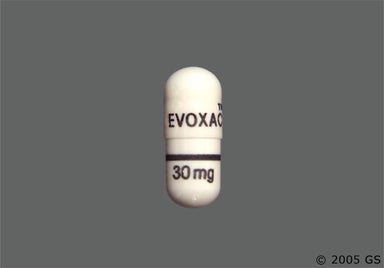
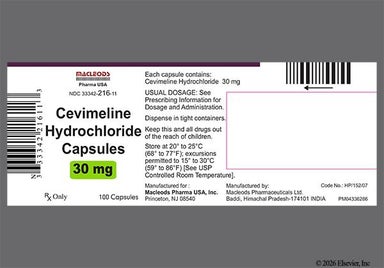
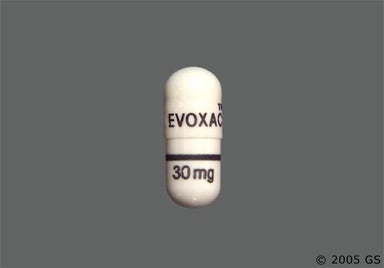
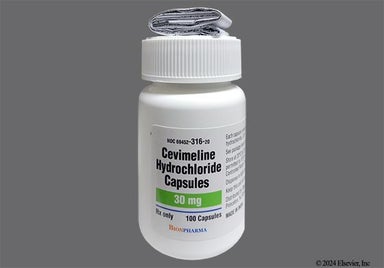
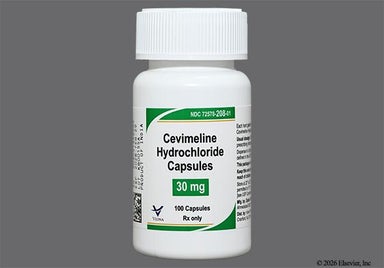
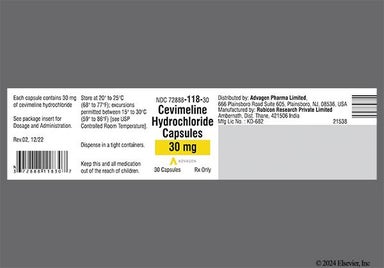
Cevimeline, also known by its brand name, Evoxac, is a prescription cholinergic agonist used to treat dry mouth (xerostomia) in adults with Sjögren's syndrome. It's available as both brand-name and generic capsules, with a typical dose of 30 mg taken by mouth three times per day. The most common side effects are excessive sweating, nausea, and headache.

Cevimeline (Evoxac) is a cholinergic agonist. It works by attaching to and activating certain proteins in your salivary glands called acetylcholine receptors. This helps your glands make more saliva, so your mouth feels less dry.
| Common Brands | Evoxac |
|---|---|
| Drug Class | Cholinergic agonist |
| Controlled Substance Classification | Not a controlled medication |
| Generic Status | Lower-cost generic available |
| Availability | Prescription only |

The following side effects may get better over time as your body gets used to the medication. Let your healthcare provider know immediately if you continue to experience these symptoms or if they worsen over time.
Contact your healthcare provider immediately if you experience any of the following.
Check with your doctor or nurse immediately if any of the following side effects occur:
Check with your doctor immediately if any of the following side effects occur:
More common
Bladder pain
bloody or cloudy urine
body aches or pain
chills
difficult, burning, or painful urination
difficulty in breathing
dryness or soreness of the throat
ear congestion
frequent urge to urinate
headache
hoarseness
loss of voice
lower back or side pain
runny or stuffy nose
tender, swollen glands in the neck
trouble in swallowing
unusual tiredness or weakness
voice changes
Less common
Accumulation of pus
bloating or swelling of the face, arms, hands, lower legs, or feet
blurred vision or other change in vision
burning, dry, or itching eyes
cough producing mucus
discharge, excessive tearing
dizziness
excessive muscle tone
fast, irregular, pounding, or racing heartbeat or pulse
feeling unusually cold
general feeling of discomfort or illness
headache, severe and throbbing
hives, skin rash
joint pain
loss of appetite
muscle pain, stiffness, tension, or tightness
nosebleed
pale skin
puffiness or swelling of the eyelids or around the eyes, face, lips, or tongue
rapid weight gain
redness or swelling in the ear
redness, pain, or swelling of the eye, eyelid, or inner lining of the eyelid
sensitivity of the eye to light
shivering
swollen, red, tender area of the infection site
tightness in the chest
tingling of the hands or feet
trouble sleeping
unusual bleeding or bruising
unusual weight gain or loss
vomiting
Rare
black, tarry stools
bleeding after defecation
bleeding gums
blisters
blood in the urine or stools
blood in vomit
bloody nose
blue or pale skin
burning feeling in the chest or stomach
burning feeling while urinating
burning, numbness, pain, or tingling in all fingers, except the smallest finger
burning, tingling, numbness or pain in the hands, arms, feet, or legs
changes in skin color
chest discomfort
chest pain, possibly moving to the left arm, neck, or shoulder
choking
clumsiness or unsteadiness
cold sweats
collection of blood under the skin
confusion
cool, pale skin
coughing or spitting up blood
cracked lips
decreased urination
deep, dark purple bruise
depressed mood
difficulty controlling your bladder or bowels
difficulty walking
dizziness, faintness, or lightheadedness when getting up suddenly from a lying or sitting position
dry skin and hair
dry, puffy skin
extra heartbeat
fainting
feeling cold
forgetfulness
frequent urge to defecate
fruit-like breath odor
gaseous abdominal pain
heart murmur
heavier menstrual periods
husky voice
incoherent speech
increase in heart rate
increased hunger
increased thirst
increased volume of pale, dilute urine
indigestion
involuntary muscle contractions
irregular heartbeat
irritation or soreness of the mouth
itching, pain, redness, swelling, tenderness, or warmth on the skin
joint stiffness or swelling
lightheadedness
loss of bladder control
loss of consciousness
lower back, side, or stomach pain
metallic taste
mood changes
muscle cramps or weakness
nerve pain
nervousness
nightmares
noisy breathing
numbness or tingling in the face, hands, feet, or lips
pain in the arms, legs, or lower back, especially pain in the calves or heels upon exertion
pain or burning in the throat
pain or discomfort in the arms, jaw, back, or neck pain, warmth, or burning in the fingers, toes, and legs
painful blisters on the trunk of the body
painful cold sores or blisters on the lips, nose, eyes, or genitals
pale, bluish-colored, or cold hands or feet
pinpoint red spots on the skin
pounding in the ears
rapid, shallow breathing
rectal bleeding
recurrent fever
redness and swelling of the gums
redness, soreness, or itching skin
redness, swelling, or soreness of the tongue
seizures
sensation of pins and needles
severe constipation
severe cramping
severe or continuing stomach pain
severe stomach pain
severe vomiting
shakiness
slow heartbeat
slurred speech
sores, ulcers, or white spots on the lips or tongue or inside the mouth
stabbing pain
stomach bloating, burning, cramping, or pain
stomach tenderness or discomfort
stomach upset or fullness
straining while passing stool
sudden decrease in the amount of urine
sunken eyes
sweating
swelling around the eyes
swelling of the front part of the neck
swelling or inflammation of the mouth
swollen, painful, or tender lymph glands in the neck, armpit, or groin
trouble in holding urine
uncomfortable swelling around the anus
unexplained weight loss
voice changes
vomiting of blood or material that looks like coffee grounds
weak or absent pulses in the legs
wrinkled skin
yellow eyes or skin
Get emergency help immediately if any of the following symptoms of overdose occur:
Symptoms of Overdose
Blurred or loss of vision
chest pain or discomfort
cold, clammy skin
confusion
disturbed color perception
dizziness, faintness, or lightheadedness when getting up suddenly from a lying or sitting position
double vision
fainting fast, pounding, or irregular heartbeat or pulse
fast, weak pulse
halos around lights
nervousness
night blindness
overbright appearance of lights
pounding in the ears
pounding, slow heartbeat
stomach cramps or pain
tearing of the eyes
tightness in the chest
troubled breathing
tunnel vision
unusual tiredness or weakness
Some side effects may occur that usually do not need medical attention. These side effects may go away during treatment as your body adjusts to the medicine. Also, your health care professional may be able to tell you about ways to prevent or reduce some of these side effects. Check with your health care professional if any of the following side effects continue or are bothersome or if you have any questions about them:
Less common
Back pain
belching
bloated, full feeling
bone pain
change in the color, amount, or odor of vaginal discharge
difficulty in moving
discouragement
excess air or gas in stomach or bowels
feeling of constant movement of self or surroundings
feeling of warmth feeling sad or empty
hiccup
increased watering of the mouth
irritability
itching of the vagina or genital area
leg cramps
loss of interest or pleasure
overactive reflexes, followed by underactive reflexes
pain during sexual intercourse
passing gas
redness of the face, neck, arms, and occasionally, upper chest
salivary gland enlargement or pain
sensation of spinning
thick, white vaginal discharge with no odor or with a mild odor
tooth disorder
toothache
trouble concentrating
Rare
Abnormal crying
abnormal dreaming
absence of menstruation
agitation
change in tongue color
changes in menstrual periods
decreased sexual ability in males
difficulty in speaking
discoloration of the fingernails or toenails
false beliefs that cannot be changed by facts
feeling of unreality
hair loss or thinning of hair
increase in body movements
increased appetite
increased sensitivity of skin to sunlight
lack or loss of strength
poor insight and judgment
problems with memory or speech
seeing, hearing, or feeling things that are not there
sense of detachment from self or body
severe sunburn
sleepiness or unusual drowsiness
trouble recognizing objects
trouble thinking and planning
trouble walking
Other side effects not listed may also occur in some patients. If you notice any other effects, check with your healthcare professional.
Call your doctor for medical advice about side effects. You may report side effects to the FDA at 1-800-FDA-1088.




Cevimeline (Evoxac) can cause some serious health issues. This risk may be even higher for certain groups. If this worries you, talk to your doctor or pharmacist about other options.
Cevimeline (Evoxac) can affect your heart's electrical activity, potentially changing the heart rate and heart rhythm. If you have a history of chest pain or heart attack, your heart might not handle these changes well. Be sure to let your prescriber know if you have a history of heart problems.
Cevimeline (Evoxac) can make it harder for air to flow through your lungs, harder for your lung muscles to relax, and might increase mucus production in your lungs. Overall, this will make it harder for you to breathe. Talk to your prescriber about any lung problems that you have, such as asthma or chronic obstructive pulmonary disease (COPD), before starting this medication.
Cevimeline (Evoxac) can affect the muscles in your eyes, causing blurry vision. It might be harder for you to see at night or do any activities with low lighting. Don't drive until you know how this medication affects you.
If you have a history of gallstones or kidney stones, let your prescriber know before taking cevimeline (Evoxac). This medication can affect the way your muscles contract, leading to swelling or blockage in your gallbladder duct. It can also affect the flow of urine and cause kidney stones to form in your urinary tract.

 Capsule
| Dosage | Quantity | Price as low as | Price per unit |
|---|---|---|---|
| 30mg | 90 capsules | $56.38 | $0.63 |

Although certain medicines should not be used together at all, in other cases two different medicines may be used together even if an interaction might occur. In these cases, your doctor may want to change the dose, or other precautions may be necessary. Tell your healthcare professional if you are taking any other prescription or nonprescription (over-the-counter [OTC]) medicine.


Contraindications are specific health conditions or situations in which a person should not take a medication due to safety concerns. If you have any of the following conditions or if any of the following apply to you, let your healthcare provider know because Cevimeline (Evoxac) will not be safe for you to take.




Prescription savings
Stop paying too much for your prescriptions. Compare prices, get pharmacy coupons, and save up to 80%. Find expert answers to your health questions so you can make the best decisions for yourself and your family.
Health conditions
Medications & treatment
Access & affordability
Medication discounts

A study showed people taking Cevimeline for 6 weeks had significant improvements in dry mouth because it helped them produce more saliva, reducing the need for saliva substitutes. Though treatment guidelines recommend it lightly, Cevimeline is still listed as an option to boost saliva production to help prevent tooth decay.
Both Cevimeline and pilocarpine (Salagen) are cholinergic agonists that help to produce more saliva. While both are approved for treating dry mouth caused by Sjögren's syndrome, pilocarpine (Salagen) is also approved for dry mouth due to radiation therapy for cancer. A study comparing both medications found that they work equally well, but pilocarpine (Salagen) might have more side effects. Treatment guidelines list both medications as options to raise saliva production. Talk to your prescriber if you have more questions about the differences between these medications.
The only FDA approved alternative medication to Cevimeline is pilocarpine (Salagen). Additionally, there are a few other home remedies that you can try, such as chewing gum, using saliva substitutes, or sipping liquid. Discuss with your prescriber about which remedies might be right for you.
Cevimeline generally shouldn't be taken with anticholinergic medications because they work in opposite ways. Cevimeline raises acetylcholine levels, whereas anticholinergics reduce it. Also, taking Cevimeline with beta blockers can raise the risk of heart problems. Many other medications can interact with Cevimeline, so it's important to let your care team know about all of the medications you're taking so they check to make sure they're safe to take together.
Cevimeline can affect your weight, but it's not common. In studies, there have been reports of both weight gain and weight loss in less than 1% of people taking this medication. Contact your prescriber if you notice unexpected changes in your weight. They can help identify what might be causing it
Cevimeline isn't FDA approved to treat dry eyes. But a study found Cevimeline worked well to treat dry eyes in people with Sjögren's syndrome. Speak with your prescriber if you have questions about taking this medication for dry eyes.
It's generally recommended to avoid alcohol while taking Cevimeline. Doing so can worsen side effects like nausea, diarrhea, and frequent urination. It can also lower your blood pressure, affect your vision, or make you dehydrated. Talk to your care team if you have more questions about drinking alcohol with this medication.
