ethylnodiol diacetate / ethinyl estradiol
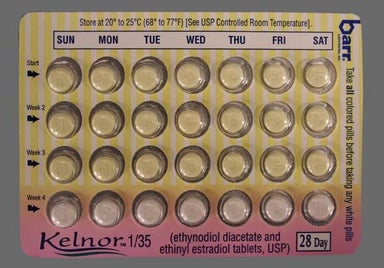
Kelnor is a type of combination oral contraceptive pill (COC), or commonly known as a birth control pill. It's used to help prevent pregnancy. The active ingredients in this hormonal birth control pill include ethylnodiol diacetate (a progestin) and ethinyl estradiol (an estrogen). Each pack has 21 active pills (with hormones) and 7 placebo pills (without hormones). This birth control pill is monophasic, which means that each active pill in the 28-day cycle contains the same amount of hormones. It can cause unpleasant side effects, like nausea, breast tenderness, and changes in weight.
Note: Kelnor is a generic of the discontinued brand name Demulen. This birth control pill is also available under the generic name Zovia.


What is Kelnor?
What is Kelnor used for?
- To prevent pregnancy
How Kelnor works
Kelnor is a combination of two hormones, ethynodiol diacetate (a progestin) and ethinyl estradiol (an estrogen). These two hormones work together to help prevent pregnancy in a few ways:
- Stops ovulation (the release of an egg from the ovary)
- Thickens the cervical mucus (fluid from the cervix), which makes it hard for sperm to move through and fertilize an egg
- Thins the lining of the uterus (womb) so a fertilized egg can't attach to it and grow
Drug facts
| Common Brands | Kelnor, Zovia |
|---|---|
| Drug Class | Progestin / Estrogen combined contraceptive |
| Controlled Substance Classification | Not a controlled medication |
| Generic Status | Lower-cost generic available |
| Availability | Prescription only |

Side effects of Kelnor
The following side effects may get better over time as your body gets used to the medication. Let your healthcare provider know immediately if you continue to experience these symptoms or if they worsen over time.
Common Side Effects
- Nausea
- Vomiting
- Belly cramps and bloating
- Bleeding between menstrual periods (breakthrough bleeding)
- Spotting
- Change in the flow of your period
- Not having a period
- Swelling
- Brown skin patches (melasma)
- Tender or swollen breasts
- Changes in weight
Less Common Side Effects
- Vaginal yeast infection
- Changes in mood
- Rash
- Eye discomfort when wearing contact lenses
Kelnor serious side effects
Contact your healthcare provider immediately if you experience any of the following.
- Heart attack: chest pain, belly discomfort, sweating, nausea, dizziness
- Stroke: sudden numbness or weakness in the arm, leg, or face; confusion; trouble seeing; headache; trouble walking
- Deep vein thrombosis (blood clot in the leg): leg cramp, swelling, pain, muscle tightness
- Pulmonary embolism (blood clot in the lung): cough, chest pain, trouble breathing, racing heart
- Blood clot in the eye: trouble seeing, bulging eye, double vision
- Liver problems: yellowing of the skin or the whites of the eyes, tiredness, belly pain
More on Kelnor side effects


The following Kelnor side effects have also been reported
Side effects that you should report to your care team as soon as possible:
- Allergic reactions—skin rash, itching, hives, swelling of the face, lips, tongue, or throat
- Blood clot—pain, swelling, or warmth in the leg, shortness of breath, chest pain
- Gallbladder problems—severe stomach pain, nausea, vomiting, fever
- Increase in blood pressure
- Liver injury—right upper belly pain, loss of appetite, nausea, light-colored stool, dark yellow or brown urine, yellowing skin or eyes, unusual weakness or fatigue
- New or worsening migraines or headaches
- Stroke—sudden numbness or weakness of the face, arm, or leg, trouble speaking, confusion, trouble walking, loss of balance or coordination, dizziness, severe headache, change in vision
- Unusual vaginal discharge, itching, or odor
- Worsening mood, feelings of depression
Side effects that usually do not require medical attention (report to your care team if they continue or are bothersome):
- Breast pain or tenderness
- Dark patches of skin on the face or other sun-exposed areas
- Irregular menstrual cycles or spotting
- Nausea
- Weight gain

Get your GoodRx coupon

Pros and cons of Kelnor
Pros
- Available as a lower-cost generic medication
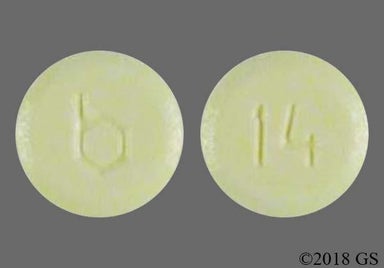
- Active pills are all one color so they're easy to identify from placebo pills
Cons
- Must take the pill at the same time every day for it to work the best it can to prevent pregnancy
- Can't take if you're over 35 and you smoke because of risk for blood clots
- Doesn't protect against sexually transmitted infections (STIs)

Pharmacist tips for Kelnor

- Kelnor can help prevent pregnancy, but it can't protect you from HIV (human immunodeficiency virus), certain types of hepatitis, or other sexually transmitted infections (STIs). Use a condom during sex to help lower your risk of an STI.
- Depending on which day you start Kelnor, you might need to use a back-up birth control method, such as a condom during sex, for the first 7 days of taking Kelnor. Ask your prescriber for more instructions on starting this birth control pill and whether you need to use an additional back-up birth control method.
- Try to take Kelnor around the same time every day. Consider setting an alarm to remind yourself to take your birth control pill at the scheduled time.
- It's normal to have irregular bleeding (a small amount of vaginal bleeding) while you're taking the active pills in the Kelnor pack. This doesn't mean that your birth control isn't working. Continue to take Kelnor every day. Irregular bleeding lasting about a week is common when you first start Kelnor, but it should happen less often as time goes on. Speak with your prescriber if your irregular bleeding is heavy or if it doesn't stop within a week.
- Some people might not have a period while they're taking the placebo pills in the Kelnor pack. But consider taking a pregnancy test, especially if you've missed more than one period, you're having sex, and you might've forgotten to take a few active pills. Missed periods can be a sign of pregnancy in this situation.
- Let your prescriber know if you experience symptoms of depression or worsening mood while you're taking Kelnor. Mood changes can be a side effect of the medication. Your prescriber might recommend that you stop taking this birth control pill in cases of serious depression.
- If you wear contact lenses, tell your prescriber or an eye specialist if you have changes in vision or discomfort with your lenses after you start Kelnor. This is a possible side effect of the birth control pill.
- Make sure to get your yearly physical exams done while you’re taking Kelnor so your prescriber can make sure it's safe for you. During your appointment, your prescriber might check your blood pressure and order certain blood tests, like for checking cholesterol levels. Be sure to follow up with your prescriber or gynecologist for recommended breast cancer and cervical cancer screening.
- Let your prescriber or pharmacist know what medications you're taking or planning to take, including prescription medications, over-the-counter products, and supplements. Kelnor can interact with many medications so your care team should check that all your medications are safe to take together. Ask your prescriber or pharmacist if you have any questions about interactions with this birth control pill.
More on Kelnor tips


Risks and warnings for Kelnor
Kelnor can cause some serious health issues. This risk may be even higher for certain groups. If this worries you, talk to your doctor or pharmacist about other options.
Cigarette smoking and high risk for blood clots
- Risk factors: Over the age of 35 and smoke cigarettes | Smoking 15 or more cigarettes a day
 Smoking cigarettes while taking combination oral contraceptives (COCs) like Kelnor can significantly raise the risk for blood clots. Sometimes, these blood clots can lead to serious complications, including heart attack and stroke. The risk is greater if you're over 35 years old and have a history of smoking cigarettes. Talk with your prescriber about safer birth control alternatives if you smoke.
Risk for blood clot
- Risk factors: People over 35 years old who smoke | People over 40 years old who don't smoke | Recent surgery with a long period of bed rest | High blood pressure | High cholesterol | Diabetes | People identified as obese | Taking COCs less than a month after childbirth | Taking a higher dose of estrogen
Combination oral contraceptives like Kelnor can raise the risk for serious blood clots. Kelnor contains ethinyl estradiol, a type of estrogen. And estrogen is linked to clot formation.
Talk with your prescriber about your risk for blood clots. Your risk is higher if you're older, if you smoke cigarettes, or if you have certain medical conditions. Bedrest after surgery also puts you at higher risk. Typically, you'll need to temporarily stop Kelnor 3 to 4 weeks before surgery, then restart it 2 weeks after or when you're no longer on bedrest. Also, your risk for clots is high after you've given birth so don't start Kelnor until 4 weeks after delivery if you're not breastfeeding or until you've stopped breastfeeding.
Blood clots can be life-threatening and they can happen anywhere in your body. Signs and symptoms of a blood clot depend on where it happens in the body.
- Brain: weakness or numbness in your arms, legs, or face on one side of the body; trouble speaking; trouble walking; blurry vision; dizziness; loss of balance, or confusion
- Eyes: trouble seeing, bulging eye, or double vision
- Heart: chest pain, sweating, nausea, or dizziness
- Lungs: trouble breathing, chest pain, or cough
- Legs: cramps, swelling, pain, or muscle tightness
Get medical attention right away if you have any signs or symptoms of a blood clot.
Risk for breast cancer and cervical cancer
- Risk factors: Personal or family history of breast cancer | Taking COCs for a long time
It's not completely clear, but it's possible that COCs like Kelnor can raise the risk for breast cancer and cervical cancer. A study suggested that taking COCs for 5 years or more might put people at risk for cervical cancer. Some breast cancers also have tumor cells that can spread faster when there's estrogen around (like with COCs).
To be safe, don't take Kelnor if you have or have had breast cancer or cervical cancer. If you currently take Kelnor, you can do monthly breast self-exams and be sure to get yearly breast scans to check for early signs of breast cancer. Also remember to get appropriate screenings for cervical cancer. Let your prescriber know if you notice any signs of breast cancer (e.g., new or abnormal lumps, pain, or swelling in your breasts) or cervical cancer (e.g., unusual vaginal bleeding or discharge).
Liver problems
- Risk factors: Taking COCs for more than 8 years | Certain hepatitis C medications
Don't take Kelnor if you have liver problems, such as liver infection caused by a virus (e.g., hepatitis) or liver tumors. Although rare, this medication can raise your risk of getting benign liver tumors. Stop taking Kelnor and speak with your prescriber if you experience signs of liver problems, such as jaundice (yellowing of the skin or whites of the eyes), fever, tiredness, loss of appetite, or dark colored urine.
Gallbladder problems
Some studies show that combination oral contraceptives like Kelnor can raise the risk for gallbladder disease and gallstones. Although the risk is low, talk to your prescriber if you have a history of gallbladder disease before you start Kelnor.
High blood sugar and cholesterol levels
- Risk factors: Prediabetes or diabetes | High triglycerides
Kelnor can raise your blood sugar levels because it can prevent the body from processing sugar efficiently. The risk for a rise in blood sugar levels while you're taking Kelnor is higher if you have prediabetes or diabetes. Speak with your prescriber before you start Kelnor if you have a history of high blood sugar. They might recommend a different birth control method or suggest that you check your blood sugar more often if you take this medication.
Additionally, Kelnor can also affect your cholesterol levels, including your triglycerides (a type of fat). Having high triglyceride levels might lead to a higher risk of pancreatitis (inflammation of the pancreas). Speak with your prescriber before you start Kelnor if you have a history of high cholesterol levels. Your prescriber might help you choose another birth control method or check your blood work more often if you take this medication.
High blood pressure
- Risk factors: Older age | Taking combination oral contraceptives for a long time | History of high blood pressure | Kidney problems
Birth control pills like Kelnor can cause high blood pressure. The risk is greater if you're older and if you've been taking birth control for a long period of time. Talk with your prescriber about the benefits and risks of taking Kelnor, especially if you have a history of kidney problems or high blood pressure that's not controlled. Consider using a different kind of birth control if you're at risk for high blood pressure.
If you decide to take Kelnor, make sure to check your blood pressure regularly at home. Tell your prescriber or primary care provider if your blood pressure is higher than usual. Most times, blood pressure goes back to usual after you stop taking the birth control pill.
Call prescriber if you have a headache
Let your prescriber know if you experience new or worsening migraines while you're taking Kelnor. Also call your prescriber if you develop headaches that keep coming back, don't go away, or are severe. You might need to stop taking your birth control pill so that your prescriber can figure out what's causing your headaches.
Irregular vaginal bleeding
- Risk factor: First 3 months of taking combination oral contraceptives
People who take Kelnor can sometimes have irregular vaginal bleeding and spotting, especially during the first 3 months of taking this medication. Irregular bleeding can range from slight staining to bleeding similar to a regular period. This problem is often temporary, so continue taking Kelnor as directed. Tell your prescriber if any vaginal bleeding doesn't stop, if it becomes heavier, or if you miss a period. They can examine you or perform blood tests to rule out other potential causes for irregular bleeding or no bleeding.
Interactions with other medications
Some medications can interfere with how your body gets rid of Kelnor. This can affect the amount of Kelnor in your body, how well it works, and the risk for side effects. Let your prescriber and pharmacist know what other medications you’re taking or planning to take with Kelnor. They can check that your medications are safe to take together and make changes to your treatment plan to keep you safe if needed.
Taking certain medications like rifampin (Rifadin) can lessen the amount of Kelnor in your body. This can make your birth control work less well and put you at risk for irregular vaginal bleeding. Consider using an additional birth control method, like condoms, when you take certain medications that can make your birth control pill less effective.
Kelnor also interferes with how your body gets rid of other medications. For example, taking this birth control pill with lamotrigine (Lamictal) can make the levels of lamotrigine (Lamictal) in your body to drop and put you at risk for seizures or mood changes. In addition, thyroid replacement medications like levothyroxine might work less well when you take them with Kelnor; you might need to take a higher dose of your thyroid medication.
More on Kelnor warnings


Kelnor dosage


How much does Kelnor cost?
$17.18

Kelnor contraindications
Contraindications are specific health conditions or situations in which a person should not take a medication due to safety concerns. If you have any of the following conditions or if any of the following apply to you, let your healthcare provider know because Kelnor will not be safe for you to take.
- Currently have or have had a blood clot (e.g., DVT, PE)
- Blood clotting problems
- Heart attack
- Cerebrovascular disease (problems with blood flow in the brain), such as stroke
- Coronary artery disease (CAD, problems with blood flow in the heart)
- Currently have or have had breast cancer
- Cancer of the reproductive system, such as endometrial cancer, or other hormone-sensitive tumor
- Undiagnosed abnormal vaginal bleeding
- Jaundice during pregnancy
- Jaundice while taking birth control pills
- Liver tumors
- Liver problems
- Currently pregnant
- Taking certain hepatitis C combination medications containing ombitasvir/paritaprevir/ritonavir

What are alternatives to Kelnor?

Kelnor images