Key takeaways:
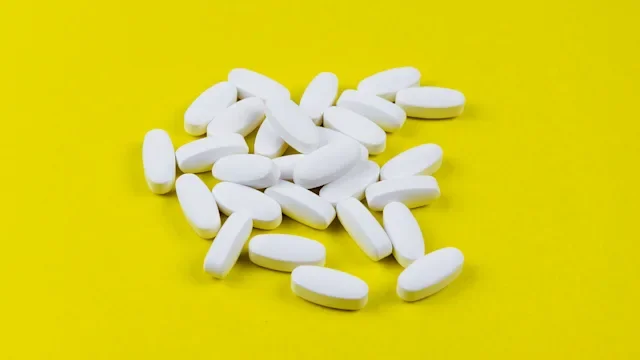
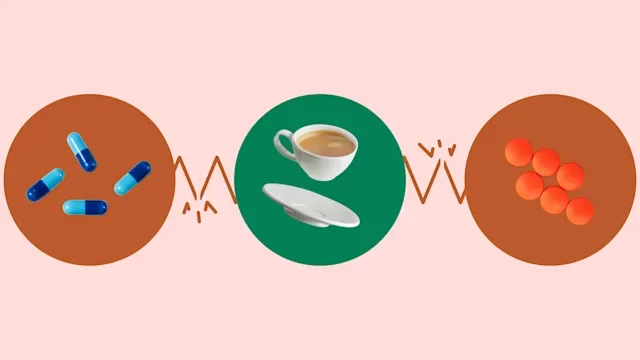
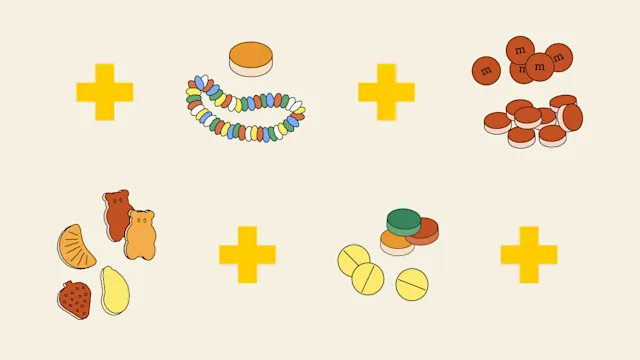
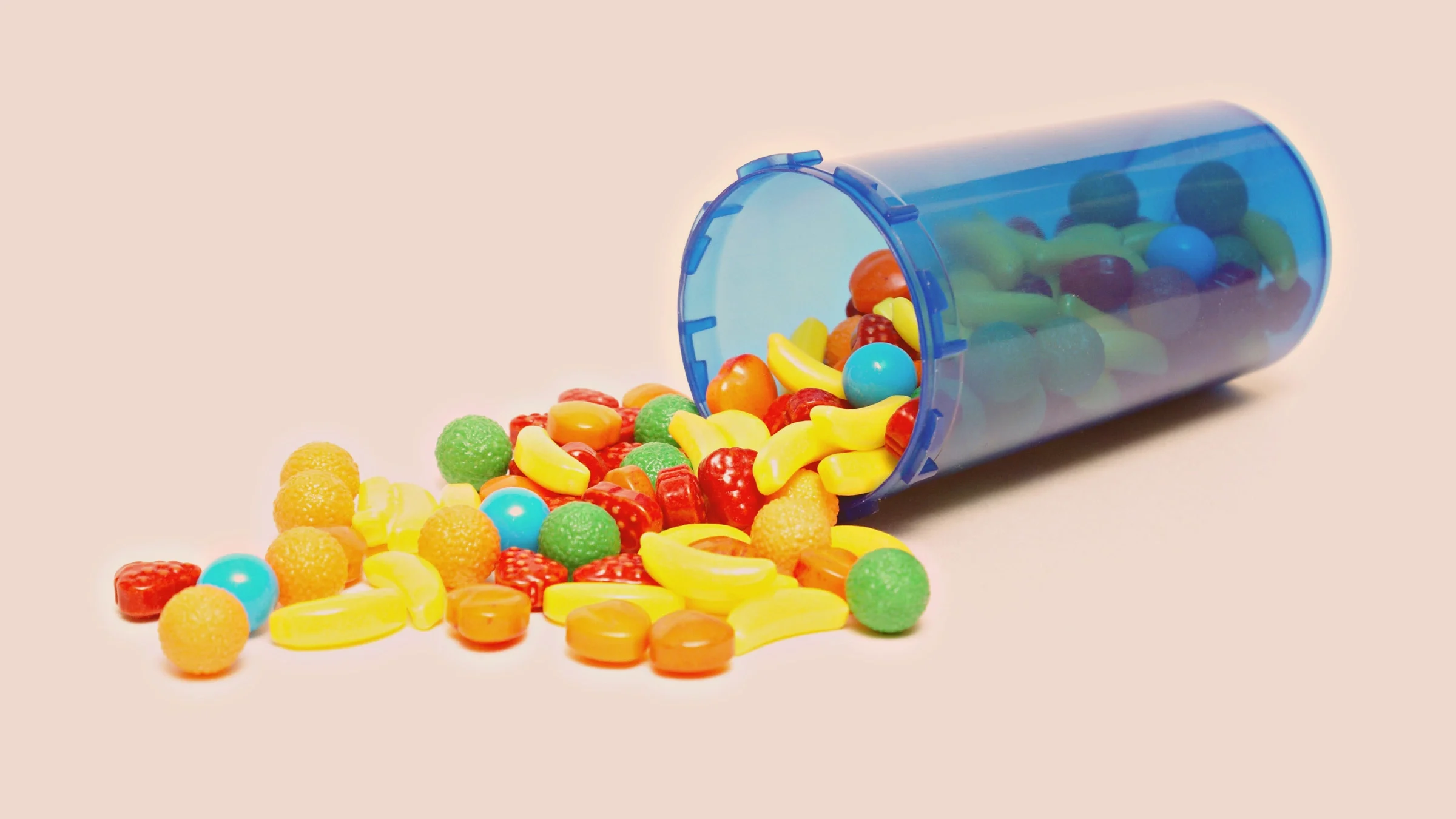
Many prescription and over-the-counter medications can look like candy, especially to a child. Gummy vitamins, cannabis edibles, and chewable tablets are common examples of pills that look like candy.
Even over-the-counter medications, such as vitamins or antacids, can be dangerous if taken in large amounts. Parents and caregivers should take steps to store medications away from children and educate them on when it’s safe to take medication and from whom.
If your child has taken medication by mistake, contact your local emergency services or call Poison Control at 1-800-222-1222.
Every year, it’s estimated that around 35,000 children in the U.S. need emergency medical attention because they took medication they shouldn’t have. These medication overdoses are typically accidental. And one reason they happen is that children can confuse medication with food or candy.
It can be more difficult than you think to tell medication (and even poison) apart from candy. You can test your knowledge with the “Look-A-Like Quiz” created by the Missouri Poison Center or the “Candy or Medicine” game from the California Poison Control System. But for now, let’s take a look at 10 types of pills (including one poison) that can look like candy — especially to a child.

1. Chewable and gummy vitamins or supplements
Chewable vitamin tablets can often look and taste like popular chewable candies, such as Runts, Sweet Tarts, and candy necklaces. This may be especially true for children’s vitamins.
Search and compare options
Gummy vitamins or supplements can look and taste like gummy bears, fruit snacks, or other gummy treats. Most have no medicinal aftertaste, so it can even be hard for adults to tell them apart from candy once they’re out of their original container.
Good to know: You or your child probably don’t need a daily vitamin if you eat a balanced diet. If you do take one, keep in mind that gummy and chewable vitamins in particular can stick to your teeth and raise the risk of cavities. A liquid may be a better option if you’re unable to swallow pills.
2. Cannabis edibles
As more states legalize cannabis, cases in which children accidentally eat food or drinks that contain cannabis are on the rise.
Cannabis edibles can be especially tricky, because they don’t just look like food — they often are food products with cannabis as an added ingredient. And while most states require specific packaging for cannabis edibles, it’s common to find products that don’t have any child-resistant features.
Good to know: Fentanyl and other illicit substances are also being made in brightly-colored tablets and powders in an effort to attract young kids to start taking them. Talk to your child about the dangers of these substances, since they can be easily confused with candy.
3. Chewable antacids
Many chewable antacids, such as Rolaids (calcium carbonate / magnesium hydroxide) and Tums (calcium carbonate), come in fruit or mint flavors and can look and taste like Sweet Tarts or Mentos. Some antacid chews can also look and taste like a piece of bubble gum or taffy.
4. Tablets with a smooth outer coating
Many medications, such as conjugated estrogens (Premarin), iron supplements, and over-the-counter (OTC) ibuprofen (Advil, Motrin), come as tablets with a smooth outer coating. It’s there to make the tablets easier to swallow, among other effects. But it can also make them look very similar to various candies, such as M&M’s, Skittles, and Tic Tacs.
5. Oral capsules
Although the typical adult may be able to tell capsules apart from candy, children might not. The oblong shape of many capsules, such as pregabalin (Lyrica) or omeprazole (Prilosec), can look similar to candies like Mike and Ike or Good & Plenty. Many capsules also have colors that could attract children, like a purple capsule of esomeprazole (Nexium).
6. Chewable and orally-dissolving medications
There are many chewable or orally-dissolving medications, such as children’s pain relievers or allergy medications, that share similar shapes and colors with disc-shaped candies and mints, such as Smarties, Altoids, and Breath Savers. And like their candy look-a-likes, many of these medications are also sweetened and flavored.
7. Chocolate laxatives
Ex-Lax and other laxatives come in the form of chocolates. So it’s easy for children to mistake them for candy.
8. Oral decongestant tablets
Pseudoephedrine (Sudafed) and phenylephrine (Sudafed PE) both come as bright red tablets. They’re easy to confuse with candy such as M&M’s or Red Hots.
9. Liquid-filled capsules
Some capsules, such as ibuprofen and the OTC sleep aid ZzzQuil (diphenhydramine), can be colorful and filled with liquid or gel. Children may confuse them with candies such as jelly beans or Jolly Ranchers.
10. Rat poison
While it’s not a medication, rat poison is a household substance that can also look like candy. It can come in bright blue pellets that look like the popular candy Nerds. Other forms of rodent killer can have a grainy texture and look similar to sour candy powders, such as Pop Rocks.
Quiz: Can you tell the difference between drugs and candy?
What happens if a child eats medication thinking it’s candy?
It’s difficult to predict what will happen if a child takes a medication they’re not supposed to (or too much of one they’re prescribed). Most of the time, what happens will depend on what the medication does and how much they take. This can range from mild symptoms, such as an upset stomach, to severe health issues, including death.
With children, you may not know exactly what or how much they consumed — especially if they’re too young to tell you. So the best approach if you suspect your child or loved one has consumed something they shouldn’t have is to seek expert medical advice.
If your child isn’t showing any symptoms, you can contact their prescriber or reach out to Poison Control at 1-800-222-1222. If your child is showing symptoms that appear severe or worrisome, call 911 or go to the nearest ER right away.
When calling for help, be prepared with the following information, if you have it:
What your child took
How much they took
How long ago they took it
How they’re currently appearing and behaving
The Poison Control or emergency services representative will let you know what next steps are needed.
How to help your child tell the difference between medication and candy
It may seem like a good idea to tell a child their vitamin or medication is “candy” in order to encourage them to take it. But this isn’t recommended. It blurs the line between the two, and can make it easier for your child to mistake medication for candy. This could potentially lead to a dangerous accidental overdose.
Instead, talk to your child about why they need the medication and how it will help them in age-appropriate terms. Emphasize that they should never try to take medications on their own (until they’re old enough to do so safely). You should also tell them who they can trust to give them medications, such as the school nurse or trusted caregivers.
How to safely store medication in your home
Several U.S. government agencies, medical associations, and health partners joined together to bring more awareness to medication safety in the home. The Up and Away campaign was formed to help educate you about how and why to store medications safely.
Some helpful tips include:
Store medications out of sight, ideally in a high place that’s hard for children to access.
Don’t leave medications — even vitamins — on bathroom counters or bedside tables.
Keep medications in their original container with the caps closed securely. Choose child-resistant packaging whenever possible.
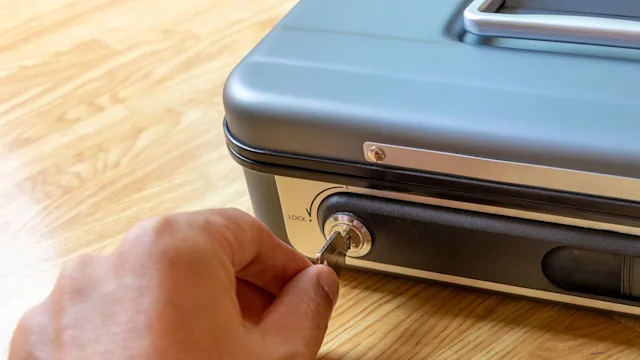
Consider a medication lockbox for medications that don’t have child-resistant packaging, such as cannabis edibles. These can also be useful if you have especially curious little ones.
Always put medications safely away after you’re done taking them.
It’s equally important to keep household chemicals safely stored out of the reach of children. This includes everything from air fresheners and deodorants to household cleaners.
Frequently asked questions
It can be. Eating a few antacid tablets at once could cause an upset stomach or constipation. But large amounts of antacids could lead to significant problems, such as an irregular heartbeat, confusion, and kidney damage. If you know or suspect that your child has taken a large amount of antacids, it’s best to contact Poison Control or seek medical care right away.
Yes, even though vitamins are seen as safe OTC supplements, they can pose a health risk if you or a child take too much of them. Some vitamins may just cause an upset stomach or headache in large amounts. But others, such as iron, vitamin A, and vitamin D, can be more harmful. If your child takes more vitamins than recommended, or takes someone else’s by mistake, it’s best to contact their prescriber or Poison Control right away.
It can be. Eating a few antacid tablets at once could cause an upset stomach or constipation. But large amounts of antacids could lead to significant problems, such as an irregular heartbeat, confusion, and kidney damage. If you know or suspect that your child has taken a large amount of antacids, it’s best to contact Poison Control or seek medical care right away.
Yes, even though vitamins are seen as safe OTC supplements, they can pose a health risk if you or a child take too much of them. Some vitamins may just cause an upset stomach or headache in large amounts. But others, such as iron, vitamin A, and vitamin D, can be more harmful. If your child takes more vitamins than recommended, or takes someone else’s by mistake, it’s best to contact their prescriber or Poison Control right away.
The bottom line
It can be very easy to confuse medications with candy — especially for children. Pills that look like candy can lead to accidental overdose if your child takes them by mistake. Even over-the-counter vitamins and antacids can pose a threat to little ones if they take too much.
Prevention is key. Be sure your child knows the difference between medication and candy. Avoid referring to medication as a “treat” in order to get your child to take it — this could lead to harm down the road. Take advantage of child-resistant packaging or lockboxes to keep medication and household poisons safely stored away from children.
Call Poison Control or seek medical care right away if you suspect your child has taken something they shouldn’t have. It’s always better to be safe than sorry.

Why trust our experts?




References
Asif, A., et al. (2023). Vitamin D toxicity. StatPearls.
Borke, J., et al. (2023). Calcium carbonate with magnesium overdose. MedlinePlus.
California Poison Control System. (n.d.). Candy or medicine.
Haleon US Holdings LLC. (2024). Ex-lax regular strength chocolated stimulant laxative- sennosides tablet, chewable [package insert]. DailyMed.
HealthyChildren.org. (2022). Where we stand: Vitamin supplements for children.
Juurlink, D. N., et al. (2003). Iron poisoning in young children: Association with the birth of a sibling. Canadian Medical Association Journal.
Knutson, K. (2023). Packaging and labeling requirements for cannabis-infused edibles. Food Safety Magazine.
Isackson, B., et al. (2024). Rodenticide toxicity. StatPearls.
Mark, A. M. (2023). Feeding a healthy smile. Journal of the American Dental Association.
Missouri Poison Center. (n.d.). Pills vs candy.
RaisingChildren.net. (2023). Household poisons: Keeping children safe.
Shon, N. N., et al. (2023). Aluminum hydroxide. StatPearls.
The Procter & Gamble Manufacturing Company. (2024). Zzzquil nighttime sleep-aid- diphenhydramine hydrochloride capsule, gelatin coated [package insert]. DailyMed.
Tweet, M. S., et al. (2023). Pediatric edible cannabis exposures and acute toxicity: 2017–2021. Pediatrics.
Up and Away. (n.d.). Avoid a trip to the emergency room. Centers for Disease Control and Prevention.
Up and Away. (n.d.). Candy that looks like pills. Centers for Disease Control and Prevention.
Up and Away. (n.d.). Teach your children about medicine safety. Centers for Disease Control and Prevention.
U.S. Drug Enforcement Agency. (2022). DEA warns of brightly-colored fentanyl used to target young Americans.