Key takeaways:
Generic drugs have the same active ingredient as their brand-name versions. They must also meet FDA standards for quality and how they work in the body.
Brand-name and generic drugs can look different and may have different inactive ingredients. These differences don’t change how well the medication works. But certain ingredients may matter if you have an allergy or sensitivity.
Generic drugs often cost less than brand-name drugs. Generic versions are also more likely to be covered by insurance.
When you fill a prescription or look for an over-the-counter (OTC) medication, you may have a choice between a brand-name medication and a generic version. The generic typically costs less, but you might wonder if it works just as well.
Here we’ll discuss generic versus brand-name medications, including what’s the same and what’s different. We’ll also cover what to consider when choosing between them.
Generic vs. brand-name medications at a glance
A brand-name drug is a medication that is created and sold under a specific product name chosen by the company that makes it. A generic medication is an FDA-approved copy that has the same active ingredient as the brand-name drug. For example, Tylenol is a brand name, while acetaminophen is its generic name.
Search and compare options
Even though brand-name and generic medications have the same active ingredient, they aren’t identical in every way. They may look different, contain different inactive ingredients, and have different prices.
The chart below compares generic and brand-name medications.
| Key features | Brand-name drug | Generic drug |
|---|---|---|
| Active ingredient | Same as the generic | Same as the brand |
| How well it works | FDA approved for safety and effectiveness | Expected to provide the same results and have the same risks and side effects |
| Dose and dosage forms | Available in FDA-approved doses and forms | Must match the brand-name drug |
| Appearance | Has its own color, shape, markings, and packaging | May look different from the brand-name drug |
| Inactive ingredients | Contains fillers, colors, or other inactive ingredients | May have different inactive ingredients |
| Cost | Often costs more | Often costs less |
| FDA standards | Must meet FDA standards | Must meet FDA standards |
| Examples |
|
Below are six ways that generic and brand-name medications compare.
1. Brand-name and generic drugs have the same active ingredient
The active ingredient is the part of a medication that produces its intended effect. Brand-name and generic versions of a medication must contain the same active ingredient.
Generic drugs must match the brand-name drug in other important ways, including:
Quality: Generic drugs must meet the same FDA quality standards as brand-name drugs. This includes standards for how the medication is made and tested.
Dose: The amount of active ingredient is the same. For example, a 20 mg generic tablet has the same amount of active ingredient as the 20 mg brand-name version.
Dosage: The directions for how much medication to take and how often to take it are the same. For example, both versions may be taken once a day.
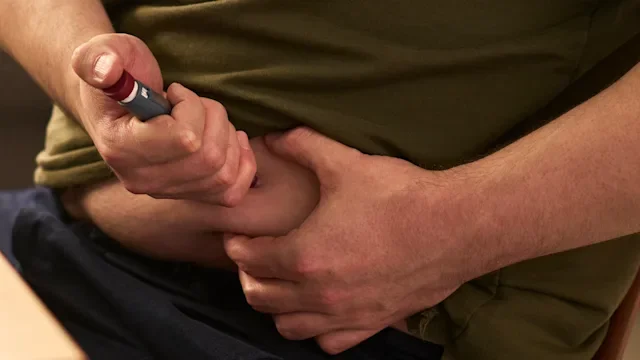
Dosage form: The medication comes in the same form, such as a tablet, capsule, or injection.
Route of administration: You take the medication in the same way. For example, if the brand-name drug is taken by mouth, the generic version is also taken by mouth.
These requirements help to ensure that the generic can provide the same benefit as its brand-name version.
Good to know: One active ingredient may be sold under more than one brand name. For example, the active ingredient bupropion is sold under multiple brand names, such as Wellbutrin XL and Aplenzin. These products may have different formulations or approved uses. So check with your pharmacist or prescriber to make sure you’re taking the right version.
2. Generic and brand-name drugs have similar safety standards
Brand-name and generic drugs follow different paths to FDA approval, but both must meet FDA standards for safety and quality.
For a brand-name drug, the manufacturer typically submits a New Drug Application. The FDA reviews clinical trial data to determine whether the drug is safe and effective for its intended use.
Generic drug manufacturers submit an Abbreviated New Drug Application. They usually don’t have to repeat the clinical studies that were used to show the brand-name drug is safe and works well. Instead, they must show that the generic drug is bioequivalent to the brand-name drug. This means the generic drug must deliver the active ingredient into the body in a similar way and is expected to provide the same clinical benefit.
Also, the FDA monitors both brand-name and generic drugs for safety after approval.
3. Generic drugs work as well as brand-name drugs
Research shows that generic drugs work as well as their brand-name versions in the body. A study looked at health insurance data from more than 3.5 million people. Generic drugs worked as well as brand-name drugs for chronic conditions such as high blood pressure, diabetes, and anxiety.
So, a lower price doesn’t mean a generic medication is less effective. But if you notice a change in how you feel after switching between medications, talk with your prescriber or pharmacist.
4. Generic and brand-name drugs may look or taste different
Due to trademark laws, generic and brand-name medications cannot look the same. Differences in appearance can also help you tell medications apart and identify the manufacturer if there’s a problem.
In general, generic and brand-name drugs may have the following differences:
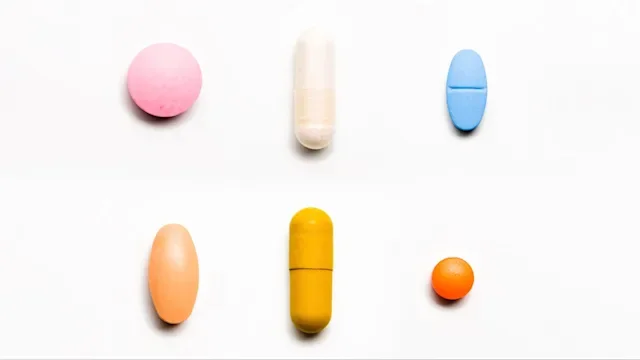
Color: A generic medication may be a different color than the brand-name version.
Shape: Each version may have a different shape.
Size: Generic and brand-name pills may differ in size.
Markings: Letters, numbers, or other markings on a pill may be different.
Packaging: The bottle, box, or other packaging may look different.
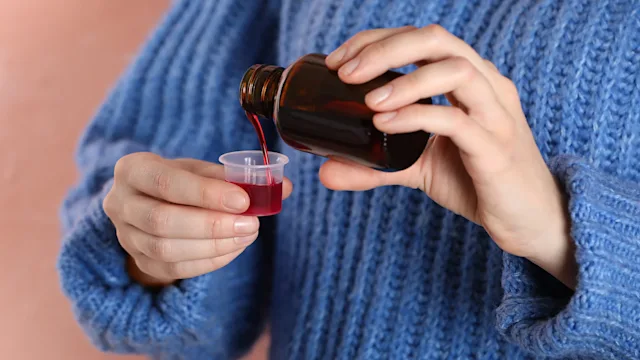
Flavoring: Liquid, chewable, or dissolvable medications may use different flavors or sweeteners.
Inactive ingredients: Generics may contain different fillers, preservatives, or dyes.
These differences don’t change the medication’s active ingredient or how it’s expected to work. However, certain inactive ingredients may matter if you have an allergy or sensitivity.
Important to note: One exception is an authorized generic. It’s the same drug as the brand-name product but is sold without the brand name on its label. It can be made by the brand-name manufacturer or another company with permission. Unlike a typical generic drug, an authorized generic has the same active and inactive ingredients as the brand-name drug.
5. Generic drugs are usually cheaper than brand-name
Generic medications typically cost about 80% to 85% less than the same brand-name drug. One reason is that manufacturers of brand-name medications have to conduct tests, known as clinical trials. These trials prove that their drug is safe and works the way it’s supposed to. But trials are expensive, and brand-name manufacturers pass on some of these costs to the consumer. Generic manufacturers don’t have to repeat these studies. This can lower the cost of bringing a generic medication to market.
But generic versions usually can’t enter the market right away. Brand-name drugs are often protected by patents. They may also have FDA-granted exclusivity for a period of time. This means that other companies have to wait a certain amount of time before they can make and sell a generic medication with the same active ingredient.
Once these protections end, the generic competition can begin. In fact, having several manufacturers make the same generic medication can help lower prices even further. Studies show that competition among generic manufacturers leads to lower generic drug prices.
Keep in mind that a generic isn’t always cheaper for you at the pharmacy. Your cost can depend on different factors, such as your insurance, pharmacy, and available discounts.
6. Insurance coverage can differ for generic and brand-name drugs
If a generic medication is available, health insurance plans often prefer it because it usually costs less. A plan’s list of covered medications, called a formulary, may place generics on a lower-cost tier than brand-name drugs. Your exact coverage and out-of-pocket cost will depend on your specific plan.
Your insurance may also require step therapy before it covers a more expensive brand-name medication. This means you may need to try a preferred or lower-cost medication, such as a generic, first. If a lower-cost medication doesn’t work well for you or causes side effects, speak with your prescriber. They may be able to request an exception so your plan will cover the brand-name medication.
If your insurance denies the exception or won’t cover a medication your prescriber recommends, you may be able to appeal the decision. Your prescriber can provide information explaining why the requested medication is medically necessary for you. The exact appeal process varies by insurance plan.
When should you choose a brand-name drug over a generic (or vice versa)?
For most people, an FDA-approved generic can be a good choice when one is available. Generic drugs provide the same benefit as their brand-name versions and often cost less.
But there may be times when you or your prescriber prefer one version over another. Your choice may depend on:
Cost: A generic is often cheaper, but your insurance coverage and pharmacy can affect what you actually pay. Plus, certain brand-name manufacturers may offer copay savings cards or patient assistance programs that may help you get the medication for free or at a low cost.
Availability: Some brand-name drugs don’t have an approved generic version.
Inactive ingredients: Brand-name and generic drugs may contain different fillers, dyes, or other inactive ingredients. This can matter if you have an allergy or sensitivity.
High-risk medications: For certain medications, such as narrow therapeutic drugs or antiseizure medications, your prescriber may want you to take a specific product or one from a specific manufacturer. With these types of medications, small changes may affect how well they work or increase your risk of side effects. So switching between versions can be risky.
Your healthcare team can help you compare your options and decide which version is best for you.
Can you switch from a brand-name drug to a generic (or vice versa)?
Yes, typically you can switch between a brand-name drug and an FDA-approved generic. The FDA considers certain generic drugs to be equal to their brand-name versions. This means they’re expected to be as safe and work as well when used as directed.
Your pharmacy will likely substitute a generic for a brand-name prescription. This can depend on state laws and instructions from your prescriber. But not every medication can be changed automatically.
If you’re unsure whether you should get a generic or brand-name medication, check with your prescriber or pharmacist. They can help you review your options.
Frequently asked questions
Start by asking your pharmacist. They can tell you the generic name of your medication and whether an FDA-approved generic is available.
You can also search the FDA’s Orange Book, a database of approved drug products. It includes information on whether certain drug products are considered the same for their intended use. Keep in mind that having the same active ingredient doesn’t mean that any two products can be substituted for each other. Other factors — such as dose, dosage form, and route of administration — also matter.
If a refill looks different from your last one, don’t panic. You may have received a medication that was made by a different manufacturer. Generic products can differ in color, shape, and other physical features. And more than one manufacturer may produce the same generic medication.
But you shouldn’t guess about an unfamiliar pill. Check the prescription label for the medication name and dose. The label should also list a description of what the medication should look like. If the medication name looks different than expected or you aren’t sure it is correct, ask your pharmacist. They can confirm if it is the right medication for you.
Start by checking the name on your prescription label or OTC product. A brand-name medication is typically listed by its product name first, such as Prevacid (lansoprazole).
A generic is usually listed by the active ingredient first, such as lansoprazole (generic for Prevacid). Your label should list the brand-name drug that the generic is being substituted for. Look for wording such as “generic for” on your prescription label or “compare to” on some OTC products.
If you’re not sure which version it is, ask your pharmacist to confirm.
Start by asking your pharmacist. They can tell you the generic name of your medication and whether an FDA-approved generic is available.
You can also search the FDA’s Orange Book, a database of approved drug products. It includes information on whether certain drug products are considered the same for their intended use. Keep in mind that having the same active ingredient doesn’t mean that any two products can be substituted for each other. Other factors — such as dose, dosage form, and route of administration — also matter.
If a refill looks different from your last one, don’t panic. You may have received a medication that was made by a different manufacturer. Generic products can differ in color, shape, and other physical features. And more than one manufacturer may produce the same generic medication.
But you shouldn’t guess about an unfamiliar pill. Check the prescription label for the medication name and dose. The label should also list a description of what the medication should look like. If the medication name looks different than expected or you aren’t sure it is correct, ask your pharmacist. They can confirm if it is the right medication for you.
Start by checking the name on your prescription label or OTC product. A brand-name medication is typically listed by its product name first, such as Prevacid (lansoprazole).
A generic is usually listed by the active ingredient first, such as lansoprazole (generic for Prevacid). Your label should list the brand-name drug that the generic is being substituted for. Look for wording such as “generic for” on your prescription label or “compare to” on some OTC products.
If you’re not sure which version it is, ask your pharmacist to confirm.
The bottom line
Generic and brand-name medications have the same active ingredient. Both must meet FDA standards for safety and quality, and FDA-approved generics are expected to work as well as their brand-name versions. Generics must also match their brand-name versions in important ways, including dose, dosage form, and how they’re taken. They may look different or contain different inactive ingredients, which can matter if you have certain allergies or sensitivities.
Generics usually cost less than brand-name medications, but the best choice for you can depend on your insurance coverage and individual needs.
If you have questions about whether you should get generic versus brand-name medications, talk with your healthcare team.

Why trust our experts?



References
Desai, R. J., et al. (2019). Comparative effectiveness of generic and brand-name medication use: A database study of US health insurance claims. PLOS Medicine.
Hansen, R. A., et al. (2017). Comparison of outcomes following a switch from a brand to an authorized vs. independent generic drug. Clinical Pharmacology & Therapeutics.
Straka, R. J., et al. (2015). Potential clinical and economic impact of switching branded medications to generics. American Journal of Therapeutics.
U.S. Food and Drug Administration. (2020). Frequently asked questions on patents and exclusivity.
U.S. Food and Drug Administration. (2021). Generic drug facts.
U.S. Food and Drug Administration. (2022). New Drug Application (NDA).
U.S. Food and Drug Administration. (2025). Bioequivalence.
U.S. Food and Drug Administration. (2025). Generic competition and drug prices.
U.S. Food and Drug Administration. (2026). Abbreviated New Drug Application (ANDA).
U.S. Food and Drug Administration. (2026). Approved Drug Products with Therapeutic Equivalence Evaluations | Orange Book.
U.S. Food and Drug Administration. (2026). FDA list of authorized generic drugs.
U.S. Food and Drug Administration. (2026). Generic drugs: Questions & answers.