








Doxycycline for Acne: The Essential Guide
Doxycycline is a popular antibiotic for acne. Learn how doxycycline works for acne, as well as its side effects, cost, and alternatives to consider.

Doxycycline is a tetracycline antibiotic that’s commonly prescribed off-label by veterinarians to treat certain bacterial infections in cats and dogs. These infections can include those transmitted by ticks or fleas and respiratory infections, like kennel cough. Doxycycline comes as tablets and capsules. The injection form is given at a vet clinic. A compounding pharmacy can also make a different form of the antibiotic if your pet needs a version that isn’t usually available or is safer for them. Side effects include vomiting and diarrhea.

Doxycycline is a tetracycline antibiotic. It works by stopping bacteria from making certain proteins that they need for growth. This helps stop the germs and the infection they cause from spreading.
| Common Brands | Vibramycin, Acticlate, Doryx, Targadox |
|---|---|
| Drug Class | Tetracycline antibiotic |
| Controlled Substance Classification | Not a controlled medication |
| Generic Status | Lower-cost generic available |
| Availability | Prescription only |

The following side effects might get better over time as your pet gets used to the medication. Let your veterinarian know immediately if your pet continues to experience these symptoms or if they worsen over time.
Contact your veterinarian immediately if your pet experiences any of the following.
Along with its needed effects, a medicine may cause some unwanted effects. Although not all of these side effects may occur, if they do occur they may need medical attention.
Check with your doctor immediately if any of the following side effects occur:
Incidence not known
Blistering, peeling, or loosening of the skin
chills
clay-colored stools
dark urine
decreased appetite
diarrhea, watery and severe, which may also be bloody
difficulty with swallowing
dizziness
fast heartbeat
feeling of discomfort
headache
hives, itching, puffiness or swelling of the eyelids or around the eyes, face, lips, or tongue
hives or welts, itching, or rash
increased thirst
indigestion
inflammation of the joints
joint or muscle pain
large, hive-like swelling on the face, eyelids, lips, tongue, throat, hands, legs, feet, or sex organs
loss of appetite
numbness or tingling of the face, hands, or feet
pain in the stomach, side, or abdomen, possibly radiating to the back
red skin lesions, often with a purple center
redness and soreness of the eyes
redness of the skin
sores, ulcers, or white spots in the mouth or on the lips
stomach cramps
stomach pain or tenderness
swelling of the feet or lower legs
swollen, painful, or tender lymph glands in the neck, armpit, or groin
tightness in the chest
unusual tiredness or weakness
unusual weight loss
vomiting
yellow eyes or skin
Some side effects may occur that usually do not need medical attention. These side effects may go away during treatment as your body adjusts to the medicine. Also, your health care professional may be able to tell you about ways to prevent or reduce some of these side effects. Check with your health care professional if any of the following side effects continue or are bothersome or if you have any questions about them:
Incidence not known
Back, leg, or stomach pains
black, tarry stools
bleeding gums
blood in the urine or stools
blurred vision
bulging soft spot on the head of an infant
change in the ability to see colors, especially blue or yellow
chest pain, discomfort, or burning
cracks in the skin
decrease in vision
difficulty breathing
discoloration of the thyroid glands
double vision
general body swelling
increased sensitivity of the skin to sunlight
loss of heat from the body
lower back or side pain
nosebleeds
pain or burning in the throat
pain with swallowing
painful or difficult urination
pale skin
pinpoint red spots on the skin
rash with flat lesions or small raised lesions on the skin
red, swollen skin
redness or other discoloration of the skin
redness, swelling, or soreness of the tongue
severe nausea
severe stomach pain
severe sunburn
tooth discoloration
unusual bleeding or bruising
vomiting blood
Other side effects not listed may also occur in some patients. If you notice any other effects, check with your healthcare professional.
Call your doctor for medical advice about side effects. You may report side effects to the FDA at 1-800-FDA-1088.




Doxycycline can cause some serious health issues. This risk might be even higher for certain pets. If this worries you, talk to your veterinarian about other options.
Discuss with your veterinarian about whether doxycycline is safe for your cat or dog to take if they’re pregnant or very young. Important bone development happens during pregnancy and early life. And at very high doses, doxycycline can weaken bones and make it harder to heal from broken bones.
Doxycycline can cause your pet’s teeth to turn yellow or brown. This change in color can be permanent. Important tooth development happens during pregnancy and early in life. To lower the risk for permanently yellow-brown teeth, vets tend to avoid giving doxycycline to pregnant cats and young kittens. Similarly, vets might not give doxycycline to pregnant dogs and young puppies.
In addition, as the teeth grow, they might not be as strong because doxycycline also affects their protective outer covering (enamel). Talk to your vet if you notice any problems with your pet’s teeth while they’re taking doxycycline.
Giving your pet doxycycline pills to take by mouth without any liquids might put them at risk for irritation or damage to the esophagus (the tube that connects the throat to the stomach). Be sure to give your cat or dog at least a teaspoon (5 mL) of liquid after they take whole doxycycline pills. Your pet might need a compounded version of doxycycline, like a liquid, so it’s easier and safer to take.
A study found that some dogs that took doxycycline had higher liver enzyme levels, which can be a sign of liver damage. It’s also possible for the antibiotic to irritate the liver in cats. Let your veterinarian know if your cat or dog has liver problems before you give doxycycline to your pet to make sure it’s safe for them to take.
Call a vet right away if your cat or your dog has any signs of liver damage, like general weakness; low energy; low appetite; vomiting; and yellowing of the skin, gums, or eyes.
Let your veterinarian know if your cat or dog is pregnant. Doxycycline isn’t safe for pregnant cats and dogs. This antibiotic can cause birth defects in the unborn baby animal or pregnancy loss.

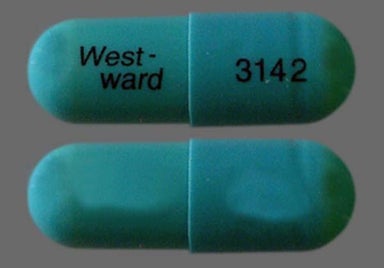
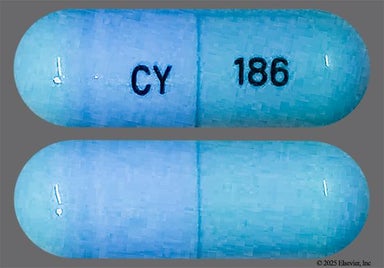
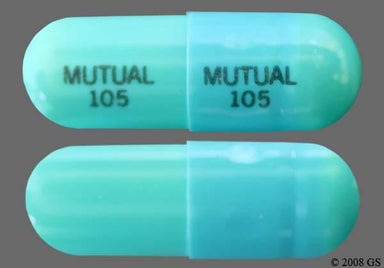
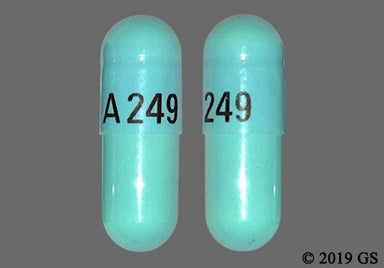
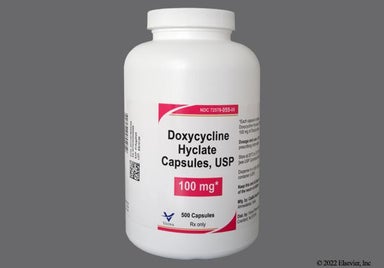
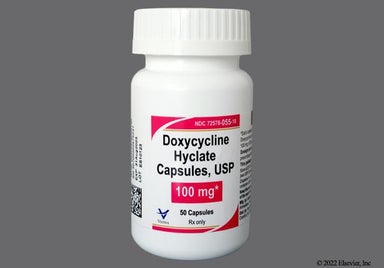
Doxycycline comes as tablets and capsules. But it can be made into a different form that isn’t typically available for your cat or dog to take.
The dose depends on what type of infection your cat or dog has and how severe the infection is. Your pet’s dose is based on their weight.
Doxycycline is given to cats and dogs to take by mouth. In general, the typical dose is either 5 mg/kg or 10 mg/kg of weight, given either every 12 hours or every 24 hours. Treatment can last for a few days to several months, depending on the infection.
Below are a few doxycycline dosing examples for cats and dogs with certain infections. Your vet might choose a different dosage for your pet.
Doxycycline is also available as an injection that’s given by a trained healthcare professional at a veterinary hospital.

Although certain medicines should not be used together at all, in other cases two different medicines may be used together even if an interaction might occur. In these cases, your doctor may want to change the dose, or other precautions may be necessary. When you are taking this medicine, it is especially important that your healthcare professional know if you are taking any of the medicines listed below. The following interactions have been selected on the basis of their potential significance and are not necessarily all-inclusive.
Using this medicine with any of the following medicines is not recommended. Your doctor may decide not to treat you with this medication or change some of the other medicines you take.
Using this medicine with any of the following medicines is usually not recommended, but may be required in some cases. If both medicines are prescribed together, your doctor may change the dose or how often you use one or both of the medicines.
Using this medicine with any of the following medicines may cause an increased risk of certain side effects, but using both drugs may be the best treatment for you. If both medicines are prescribed together, your doctor may change the dose or how often you use one or both of the medicines.


Contraindications are specific health conditions or situations in which a pet should not take a medication due to safety concerns. If your pet has any of the following conditions or if any of the following apply to your pet, let your veterinarian know because Doxycycline will not be safe for your pet to take.













Prescription savings
Stop paying too much for your prescriptions. Compare prices, get pharmacy coupons, and save up to 80%. Find expert answers to your health questions so you can make the best decisions for yourself and your family.
Health conditions
Medications & treatment
Access & affordability
 Our monthly healthcare membership can help you save thousands on your prescription costs.
Resources

How long you give Doxycycline to your cat depends on the type of infection they have and how serious it is. For example, Doxycycline is usually given for at least 7 to 10 days for some respiratory infections. But treatment might last longer for more long-term infections, like pneumonia or infections transmitted by ticks. Give Doxycycline to your cat for the whole period of time your vet instructed you to. Stopping antibiotic treatment early can cause the infection to come back in your cat and become harder to treat.
Typically, whole Doxycycline tablets and capsules don’t need to be refrigerated; keep whole pills at room temperature. Sometimes, a compounding pharmacy can make the antibiotic into a liquid for your cat to take. Studies suggest that it’s best to store the compounded liquid in the refrigerator. Ask your vet if you need to refrigerate Doxycycline and how long it’s good for, especially if they prescribed a different formulation of Doxycycline or instructed you to give the antibiotic in a different way.
In general, Doxycycline appears to be safe for most dogs. A small study showed that the antibiotic is typically well-tolerated in dogs, with common side effects like vomiting and diarrhea. Some dogs in the study had signs of liver damage, which can sometimes be serious. Doxycycline might not be safe for pregnant dogs and young puppies because it might cause harm, such as birth defects and problems with bone and tooth development. Keep in mind that the FDA hasn’t approved Doxycycline pills for pets, but vets commonly prescribe the antibiotic off-label for treating certain infections in dogs. Speak with the vet before you start giving Doxycycline to your dog if you’re concerned for their safety.
If your veterinarian prescribes Doxycycline for your dog, it might be the same Doxycycline that’s given to people. Currently, there aren’t any Doxycycline tablets, capsules, and injections that are specifically approved for dogs. So this means that Doxycycline for people is prescribed off-label for your dog. But never give this antibiotic to a dog unless a veterinarian says it’s okay because the dose for dogs isn’t the same as the dose for people. Ask your vet if you have any questions.
It’s not clear whether Doxycycline can make dogs sleepy or tired. Keep in mind that dogs can get tired if they’re sick with an infection. Speak with your vet if your dog seems unusually sleepy or tired while your pet is taking Doxycycline. Since there can be other reasons why your dog might be sleepier than usual, it’s best to have your dog examined.
Don’t crush Doxycycline pills for your cat, unless your veterinarian tells you to. This is because you might give your cat an incorrect dose. You could give too little, which might not fully treat the infection. Or, you could give them too much, which could cause side effects like drooling and vomiting. Tell your vet if your cat has trouble taking the medication. They might prescribe other options, like having a compounding pharmacy make a version of the antibiotic, like a liquid, that's easier for your cat to take.
