dichlorphenamide
Keveyis (dichlorphenamide) is taken by mouth and is the only medication available to treat a genetic condition that causes short episodes of muscle weakness and paralysis. It can be expensive because it's only available as a brand name medication.


What is Keveyis (dichlorphenamide)?
What is Keveyis (dichlorphenamide) used for?
- Short episodes of muscle weakness and paralysis from a genetic condition (primary periodic paralysis)
How Keveyis (dichlorphenamide) works
Keveyis (dichlorphenamide) is a carbonic anhydrase inhibitor. The exact way Keveyis (dichlorphenamide) works to treat periodic paralysis isn't known.
Drug facts
| Common Brands | Keveyis |
|---|---|
| Drug Class | Carbonic anhydrase inhibitor |
| Controlled Substance Classification | Not a controlled medication |
| Generic Status | Lower-cost generic available |
| Availability | Prescription only |

Side effects of Keveyis (dichlorphenamide)
The following side effects may get better over time as your body gets used to the medication. Let your healthcare provider know immediately if you continue to experience these symptoms or if they worsen over time.
Common Side Effects
- Tingling or "pins and needles" sensation in hands, arms, feet, and legs (44%)
- Trouble thinking or paying attention (14%)
- Changes in taste (14%)
- Confusion (11%)
- Headache (8%)
- Partial or total loss of sensation in a part of your body (8%)
- Sluggish (8%)
- Fatigue (8%)
- Muscle spasms (8%)
- Rash (8%)
Less Common Side Effects
- Dizziness
- Nausea
- Weight loss
- Joint pain
- Muscle twitching
- Shortness of breath
- Itching
Keveyis (dichlorphenamide) serious side effects
Contact your healthcare provider immediately if you experience any of the following.
- Serious allergic reactions: hives, rash, peeling and blistering skin, shaking, itching, nausea, flushing, dizziness, shortness of breath, chest pain, fever, chills, sore throat, stomach pain
- High acid levels: fatigue, nausea, vomiting, loss of appetite, weakness, headache, confusion, sleepiness, long and deep breaths
- Salicylate poisoning: nausea, vomiting, fast breathing, ringing in the ears, not able to think clearly, blacking out
The following Keveyis (dichlorphenamide) side effects have also been reported
Side effects that you should report to your care team as soon as possible:
- Allergic reactions—skin rash, itching, hives, swelling of the face, lips, tongue, or throat
- Aplastic anemia—unusual weakness or fatigue, dizziness, headache, trouble breathing, increased bleeding or bruising
- High acid level—trouble breathing, unusual weakness or fatigue, confusion, headache, fast or irregular heartbeat, nausea, vomiting
- Infection—fever, chills, cough, or sore throat
- Kidney stones—blood in the urine, pain or trouble passing urine, pain in the lower back or sides
- Liver injury—right upper belly pain, loss of appetite, nausea, light-colored stool, dark yellow or brown urine, yellowing skin or eyes, unusual weakness or fatigue
- Loss of balance or coordination
- Low potassium level—muscle pain or cramps, unusual weakness or fatigue, fast or irregular heartbeat, constipation
- Redness, blistering, peeling, or loosening of the skin, including inside the mouth
Side effects that usually do not require medical attention (report these to your care team if they continue or are bothersome):
- Change in taste
- Confusion
- Difficulty with paying attention, memory, or speech
- Pain, tingling, or numbness in the hands or feet

Pros and cons of Keveyis (dichlorphenamide)
Pros
- Only medication available for the treatment of PPP
- In clinical studies, people taking Keveyis (dichlorphenamide) had about 2-4 fewer episodes
- Stored at room temperature, so don't need to be refrigerated
Cons
- Typically taken twice daily
- Available as a brand name only, which can be expensive
- Higher risk of falls and acidosis in older adults

Pharmacist tips for Keveyis (dichlorphenamide)

- Let your provider know if you're allergic to sulfa medications before starting Keveyis (dichlorphenamide) because there's a high chance that you'd be allergic to this medication as well.
- Keveyis (dichlorphenamide) can cause sleepiness and fatigue in some patients. Don't drive or do anything that requires concentration until you know how this medication affects you.
- Contact your provider if your symptoms of PPP worsen while taking Keveyis (dichlorphenamide) or if you're having side effects to Keveyis (dichlorphenamide).
- Take Keveyis (dichlorphenamide) with or without food. However, if it upsets your stomach, try taking it with food to help.
- Make sure to tell your provider and pharmacist about all the medications you're taking, including over-the-counter medications, vitamins, and supplements, before starting Keveyis (dichlorphenamide). This medication can interact with some common medications, including salicylates (e.g., aspirin and bismuth subsalicylate (Pepto-Bismol)), and cause poisoning. Don't start any new medications while taking Keveyis (dichlorphenamide) without talking to your provider or pharmacist first.
- Use the PPP daily tracker and 1-month diary to help you keep track and record details about your PPP episodes. Bring this tracker to your appointments with your provider because this will help them see how well Keveyis (dichlorphenamide) is working for you.

Risks and warnings for Keveyis (dichlorphenamide)
Keveyis (dichlorphenamide) can cause some serious health issues. This risk may be even higher for certain groups. If this worries you, talk to your doctor or pharmacist about other options.
Severe allergic reactions
- Risk factors: Allergy to sulfa medications
Keveyis (dichlorphenamide) can cause severe and life-threatening allergic reactions that affect different parts of your body, including skin, liver, and blood. You shouldn't use Keveyis (dichlorphenamide) if you're allergic to sulfa medications. If you notice symptoms such as hives, rash, red and peeling skin, swelling of the lips or tongue, difficulty breathing, fever, chills, sore throat, or stomach pain after using Keveyis (dichlorphenamide), stop taking the medication and get medical attention right away.
Possible salicylate poisoning
Keveyis (dichlorphenamide) can cause you to be more sensitive to salicylates and put you at higher risk for poisoning and toxicity, so be careful when taking it with any medications that contain salicylates. Common salicylates include aspirin and bismuth subsalicylate (Pepto-Bismol). Don't take Keveyis (dichlorphenamide) with higher doses of aspirin, but you can take it with lower doses of aspirin (less than 100 mg) if your provider says it's safe to do so. If you do take Keveyis (dichlorphenamide) with any salicylates, get medical help immediately if you experience symptoms of poisoning, including nausea, vomiting, fast breathing, ringing in the ears, not able to think clearly, and blacking out.
Low potassium levels
- Risk factors: Other medical conditions that lower potassium levels | Taking other medications that lower potassium
Keveyis (dichlorphenamide) causes your body to get rid of potassium, which raises your risk for low blood potassium levels (hypokalemia). Your risk is higher if you're taking other medications that lower your potassium levels, such as loop diuretics or albuterol (Ventolin) inhalers. Your provider will monitor your blood potassium levels before and during treatment with Keveyis (dichlorphenamide). If you get symptoms of low potassium levels, such as muscle cramps or weakness, while taking Keveyis (dichlorphenamide), contact your provider because you might need to get your potassium level drawn and either stop taking or take a lower dose of your medication.
High acid levels (metabolic acidosis)
- Risk factors: Taking other medications that raise acid levels in the blood
Keveyis (dichlorphenamide) can cause your body's acid levels to rise, leading to metabolic acidosis. Your risk is higher if you're taking other medications that can cause acidosis. Your provider will monitor your blood acid levels before and during treatment with Keveyis (dichlorphenamide). If you get symptoms of acidosis, such as difficulty breathing, fatigue, nausea, vomiting, weakness, or confusion while taking Keveyis (dichlorphenamide), contact your provider because you might need to stop taking or take a lower dose of your medication.
High risk of falling
- Risk factors: Older adults | Higher doses of Keveyis (dichlorphenamide)
Falling is a symptom of PPP and a side effect of Keveyis (dichlorphenamide). Your risk of falling is higher if you're an older adult, if you're taking higher doses of Keveyis (dichlorphenamide), or if you're taking other medications can raise your risk of falls, such as blood pressure or pain medications. To lower your risk of falling, you should always wear comfortable shoes, stand strong to keep your balance, and hold onto something when standing, walking, getting up, and sitting down. If you fall down while taking Keveyis (dichlorphenamide), contact your provider because you might need to have your dose lowered or you might need to stop taking the medication. If you fall and hit your head, seek medical help right away.

Keveyis (dichlorphenamide) dosage
 Tablet
| Dosage | Quantity | Price as low as | Price per unit |
|---|---|---|---|
| 50mg | 90 tablets | $6,638.45 | $73.76 |

How much does Keveyis (dichlorphenamide) cost?
$6,638.45

Keveyis (dichlorphenamide) contraindications
Contraindications are specific health conditions or situations in which a person should not take a medication due to safety concerns. If you have any of the following conditions or if any of the following apply to you, let your healthcare provider know because Keveyis (dichlorphenamide) will not be safe for you to take.
- Allergy to sulfa medications
- Using Keveyis (dichlorphenamide) together with high-dose aspirin
- Severe lung problems
- Liver problems

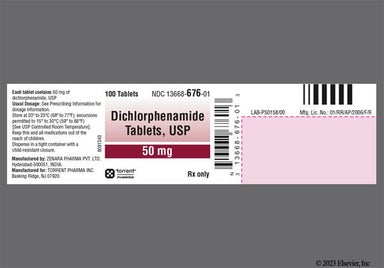
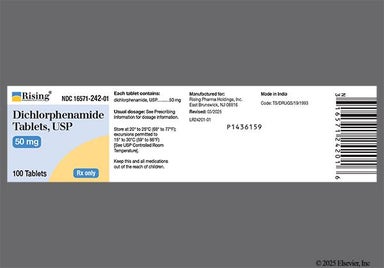
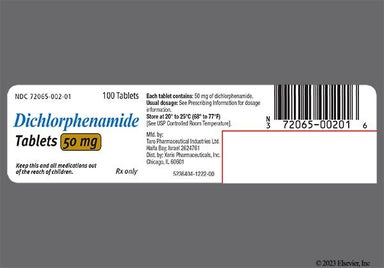
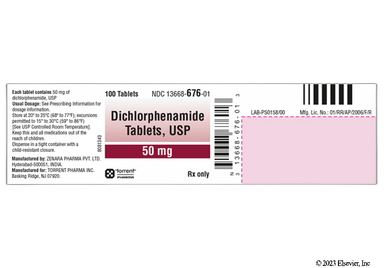
Keveyis (dichlorphenamide) images