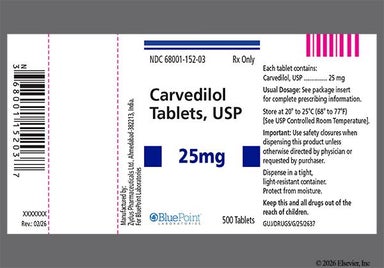





Carvedilol Coupon - Carvedilol 25mg tablet

carvedilol

Generic Coreg
Used for Heart Failure, Hypertension

Carvedilol (Coreg) is used to treat high blood pressure, manage heart failure, and help with heart problems after a heart attack. It belongs to the beta blocker drug class. This medication comes as a tablet that's taken by mouth twice daily, and as an oral extended-release (ER) capsule (brand name Coreg CR) that's taken once daily. Common side effects include dizziness, feeling tired, and diarrhea.

Reviewed by:Last reviewed on July 19, 2023
basics-icon

What is Carvedilol (Coreg)?

What is Carvedilol (Coreg) used for?

  • High blood pressure
  • Heart failure
  • Lower the risk of death from heart-related problems after a heart attack

How Carvedilol (Coreg) works

Carvedilol (Coreg) is an alpha and beta blocker medication. It lowers blood pressure by relaxing your blood vessels and slowing down your heart rate.

When does Carvedilol (Coreg) start working?Time passed since treatment started:
HOURS
Initial effect
DAYS
WEEKS
Full effect
MONTHS

Drug facts

Common BrandsCoreg, Coreg CR
Drug ClassBeta blocker
Controlled Substance ClassificationNot a controlled medication
Generic StatusLower-cost generic available
AvailabilityPrescription only
side-effects-icon

Side effects of Carvedilol (Coreg)

The following side effects may get better over time as your body gets used to the medication. Let your healthcare provider know immediately if you continue to experience these symptoms or if they worsen over time.

Common Side Effects

  • Dizziness (6%)

Please note: These side effects were reported by people who took carvedilol (Coreg) in clinical studies for high blood pressure.

Less Common Side Effects

  • Orthostatic hypotension (drop in blood pressure when you stand up from sitting or lying down)
  • Trouble sleeping
  • Diarrhea

Carvedilol (Coreg) serious side effects

Contact your healthcare provider immediately if you experience any of the following.

  • Severe allergic reaction: skin rash; swelling of the face, lips, tongue, or throat; difficulty breathing
  • Heart failure: trouble breathing, fast weight gain, feeling very tired, chest pain, swelling in the legs, ankles, or feet
  • Bronchospasm: tightness in the chest, trouble catching your breath, difficulty breathing, wheezing, cough, dizziness, extreme tiredness
When do Carvedilol (Coreg) possible side effects begin and end?
Time passed since treatment started:
H
D
W
M
Dizziness

Source: DailyMed

The following Carvedilol (Coreg) side effects have also been reported

Along with its needed effects, a medicine may cause some unwanted effects. Although not all of these side effects may occur, if they do occur they may need medical attention.

Check with your doctor immediately if any of the following side effects occur:

More common

Allergy

chest pain, discomfort, tightness, or heaviness

dizziness, lightheadedness, or fainting

generalized swelling or swelling of the feet, ankles, or lower legs

pain

shortness of breath

slow heartbeat

weight gain

Less common

Ankle, knee, or great toe joint pain

anxiety

arm, back, or jaw pain

blood in the urine

bloody, black or tarry stools

chills

cloudy urine

cold sweats

coma

confusion

convulsions

cool pale skin

cough

dark urine

decreased appetite

decreased frequency or amount of urine

depression

difficulty with breathing

dizziness, faintness, or lightheadedness when getting up suddenly from a lying position

dry mouth

fainting

fast or irregular heartbeat

fever

flu-like symptoms

flushed, dry skin

fruit-like breath odor

headache, sudden and severe

inability to speak

increased blood pressure

increased hunger

increased thirst

increased urination

itching

joint stiffness or swelling

large amount of cholesterol in the blood

loss of appetite

loss of consciousness

lower back, side, or stomach pain

mental depression

muscle pain or cramps

nervousness

nightmares

noisy, rattling breathing

numbness or tingling in the hands, feet, or lips

pinpoint red or purple spots on the skin

pounding in the ears

pounding, slow heartbeat

rapid breathing

seizures

shakiness

slurred speech

stomachache

sweating

swelling of the fingers or hands

temporary blindness

tenderness on the upper right side of the body

trouble with breathing even at rest

unexplained weight loss

unusual bleeding or bruising

weakness in the arm and/or leg on one side of the body, sudden and severe

weakness or heaviness of the legs

yellow eyes or skin

Incidence not known

Sores, ulcers, or white spots on the lips or in the mouth

swollen or painful glands

wheezing

Some side effects may occur that usually do not need medical attention. These side effects may go away during treatment as your body adjusts to the medicine. Also, your health care professional may be able to tell you about ways to prevent or reduce some of these side effects. Check with your health care professional if any of the following side effects continue or are bothersome or if you have any questions about them:

More common

Back pain

diarrhea

prickling or tingling sensation

unusual tiredness or weakness

Less common

Abdominal or stomach pain

bleeding gums

blurred vision

burning, crawling, itching, numbness, prickling, "pins and needles", or tingling feelings

changes in vision

cold hands and feet

decreased interest in sexual intercourse

decreased tearing

difficulty with moving

feeling of constant movement of self or surroundings

general feeling of discomfort or illness

headache

inability to have or keep an erection

increased sweating

joint or muscle pain

lack or loss of strength

loose teeth

loss of sexual ability, desire, or performance

loss of strength or energy

muscle aches, stiffness, or weakness

nausea

persistent breath odor or bad taste in your mouth

redness and swelling of the gums

sensation of spinning

sleepiness or unusual drowsiness

sore throat

stuffy or runny nose

sugar in the urine

trouble sleeping

unusual weak feeling

vomiting

weight loss

Other side effects not listed may also occur in some patients. If you notice any other effects, check with your healthcare professional.

Call your doctor for medical advice about side effects. You may report side effects to the FDA at 1-800-FDA-1088.

prices-container

Get your GoodRx coupon

Avg retail price
$81.45(Save 86.86%)
GoodRx discount
$10.70
See prices
pros-and-cons-icon

Pros and cons of Carvedilol (Coreg)

Pros

  • Taken by mouth
  • Comes as a once-daily extended-release formulation
  • Dose can be adjusted based on your response
  • Available as a lower-cost generic

Cons

  • Need to take with food
  • Can cause you to feel more tired
  • Can cause dry eyes if you wear contact lenses
  • Shouldn't be taken if you have asthma or an asthma-related condition
pharmacist-tips-icon

Pharmacist tips for Carvedilol (Coreg)

pharmacist
  • You'll want to take carvedilol (Coreg) with food to lower your risk of experiencing a drop in blood pressure when you stand up from sitting or lying down.
  • If you're taking carvedilol (Coreg) extended-release capsules, you can swallow the capsules whole or carefully open them and sprinkle the contents on a spoonful of cold applesauce. Make sure to eat the mixture right away and don't save any for later.
  • Carvedilol (Coreg) can cause dizziness, especially when you first start this medication or right after your provider raises your dose. Avoid driving a car, using machinery, or doing anything that requires your full attention until you're feeling better and know how the medication affects you.
  • It can take about 1 to 2 weeks to see the full blood pressure-lowering effects of carvedilol (Coreg). Check your blood pressure 1 week after starting this medication, and tell your provider if it hasn't improved.
  • If you have diabetes, you might need to monitor your blood sugar levels more often. Carvedilol (Coreg) can hide symptoms of low blood sugar levels (especially a fast heartbeat), so you might not feel any of the typical symptoms of low blood sugar.
  • Don't stop taking carvedilol (Coreg) and don't change the amount of the medication you take without talking to your provider, as this can cause chest pain and/or a heart attack.
  • If you miss a dose of carvedilol (Coreg), take your dose as soon as you remember. But if it's time for your next dose, skip the forgotten dose and continue with your normal dosing schedule. Never take two doses at the same time because this could cause serious side effects.
faq-icon

Common questions about Carvedilol (Coreg)

The immediate-release version of carvedilol (Coreg) is taken twice a day because the effects of each dose don't last the entire day. This is different from the extended-release (ER) version that's taken once a day since the medication is slowly released throughout the day.

No, carvedilol (Coreg) isn't a blood thinner and it shouldn't affect the way your blood clots. It belongs to a class of medications called beta blockers.

After taking your last dose of carvedilol (Coreg), it takes about 1 to 2 days for your body to get rid of most of the medication. This estimate is based on the half-life of carvedilol (Coreg). It can differ from person to person, depending on different factors, such as your age or what medical conditions you have.

In clinical studies, people taking 25 mg of carvedilol (Coreg) twice daily experienced a drop in their systolic blood pressure by 9 mm Hg. Keep in mind that everyone responds differently to the medication. When you first start carvedilol (Coreg), it can take some time before you and your provider find a dose that works best for you. You'll need to continue taking a particular dose for 1 to 2 weeks before knowing how it affects you.

Yes, carvedilol (Coreg) can lower your heart rate. People taking 50 mg of carvedilol (Coreg) every day for blood pressure during clinical studies experienced a drop in their heart rate by about 8 beats per minute. If you experience dizziness, fainting, chest pain, trouble exercising, or excessive tiredness, your heart rate might be too low. If this happens to you, contact your provider so they can make sure you're taking the correct dose.

Carvedilol (Coreg) can cause weight gain as a side effect. To minimize weight gain, try your best to stick with an exercise routine that works for you. If you notice rapid weight gain while taking this medication, contact your provider. This could be a sign of heart failure or other medical conditions that you'll want to get checked out.

There aren't any foods that have known interactions with carvedilol (Coreg). But there are certain foods you should avoid or limit if you have high blood pressure or heart failure. For example, you should avoid foods that are high in salt levels, such as pickles, canned foods, and sauces, because they can raise your blood pressure or worsen swelling. If possible, you should also cut out or limit drinks like alcohol or coffee because they can also raise your blood pressure. Instead, stick with a low-salt and heart-healthy diet with foods like leafy greens, yogurt, and whole grains.

The caffeine in coffee can raise your blood pressure temporarily. But drinking 1 to 2 cups of coffee a day isn't known to cause long-term affects on your blood pressure. If you drink coffee regularly, let your provider know. Depending on how much coffee you drink each day, your provider might ask you to limit your coffee intake while you're taking carvedilol (Coreg).

educational-icon

How to save using GoodRx

Compare Prices
1. Compare PricesSpecify your dosage and quantity to find out exactly how much you can save.
Select your free coupon
2. Select your free couponYou can use the displayed coupon, or compare prices at other pharmacies near you.
Show coupon to your pharmacist
3. Show coupon to your pharmacistPresent your printed or electronic coupon when you pick up your prescription.
Get free couponLearn more
warnings-icon

Risks and warnings for Carvedilol (Coreg)

Carvedilol (Coreg) can cause some serious health issues. This risk may be even higher for certain groups. If this worries you, talk to your doctor or pharmacist about other options.

Worsening chest pain and heart attacks

  • Risk factors: Stopping carvedilol (Coreg) suddenly | Coronary artery disease (CAD)

Don’t stop taking carvedilol (Coreg) suddenly as this can raise your risk of chest pain or heart attack. Some common symptoms of a heart attack include chest pain and tightness, pain that spreads to arms and neck, shortness of breath, lightheadedness, and fatigue. If you need to stop taking carvedilol (Coreg) for any reason, let your healthcare provider know. They can work with you to lower your dose safely over time (which typically occurs over 1-2 weeks).

Slow heart rate and low blood pressure

You might notice a slowing of your heart rate when you take carvedilol (Coreg). This could sometimes cause you to feel dizzy when you first take the medication. Carvedilol (Coreg) will lower your blood pressure, which can also cause you to feel dizzy until your body adjusts. Be careful when getting up from either lying down or sitting to avoid falls. Let your provider know if your heart rate goes below 55 beats per minute as they might consider changing your dose.

Heart failure

  • Risk factors: Heart failure

People with heart failure shouldn't take carvedilol (Coreg) if their heart failure symptoms aren’t well-managed. That’s because this medication can make your condition worse. But you might be able to take carvedilol (Coreg) if your healthcare provider thinks your symptoms are under control. Keep in mind that, though rare, sometimes taking a beta-blocker, like carvedilol (Coreg) over time might lead to heart failure even in people without this condition. Let your healthcare provider know right away if you experience symptoms of heart failure, such as fluid build-up in different areas of the body including the ankles, legs, and lungs, and difficulty breathing.

Hiding symptoms of low blood sugar

  • Risk factors: Diabetes

Taking carvedilol (Coreg) can make it difficult for you to identify symptoms of low blood sugar, such as fast heart beat or tremors. If you’re taking medications, like glipizide or insulin, to lower your blood sugar, you might not be able to rely on all the typical symptoms of low blood sugar (e.g., irritability, sight tremors, confusion, and fast heartbeat) to warn you of a dangerous drop in your sugar levels. Sweating might be the only symptom not affected by taking carvedilol (Coreg). Speak with your healthcare provider about when and how to monitor your blood sugar if you start carvedilol (Coreg).

Risk of difficulty breathing

  • Risk factors: Chronic obstructive pulmonary disease (COPD) | Asthma

Carvedilol (Coreg) can cause the vessels in your lung to tighten. This can make breathing difficult, especially in people with breathing problems, like asthma or COPD. Carvedilol (Coreg) might also cause certain medications taken to ease these conditions to not work as well. Let your doctor know if you have any breathing problems before starting carvedilol (Coreg).

Hiding symptoms of high thyroid hormone

  • Risk factors: Hyperthyroidism

Carvedilol (Coreg) can hide signs of hyperthyroidism, especially a fast heart rate. It's important to talk to your provider before stopping carvedilol (Coreg) suddenly, since doing so can worsen thyroid problems.

Risk of kidney problems

Though extremely rare, some people who took carvedilol (Coreg) for heart failure experienced kidney problems. This is more likely for people with low blood pressure and blood flow problems. If you have any of those conditions, your provider might need to do lab work regularly to check your kidney health, especially after they raise your dose of carvedilol (Coreg).

Severe allergic reactions

  • Risk factors: History of severe allergic reaction

Beta blockers like carvedilol (Coreg) can lessen your response to life-saving treatments of severe allergic reactions (anaphylaxis). They can also cause your allergic reaction to be more severe than usual. Discuss all of your allergies with your provider and a plan on what to do if you experience an allergic reaction while taking carvedilol (Coreg).

Greater risk during surgery

  • Risk factors: Major surgery requiring anesthesia

Both beta-blockers and medications used for anesthesia can lower your heart rate. So, if you’re planning to undergo a major surgery that requires anesthesia, tell your surgeon that you’re on carvedilol (Coreg) so that they can monitor your heart closely.

Risk of eye problems during surgery

  • Risk factors: Cataract surgery

If you take carvedilol (Coreg) and plan to get cataract eye surgery, let your provider know. In some rare cases, this medication can cause changes to your iris, a condition called Intraoperative floppy iris syndrome (IFIS). You don’t need to stop taking carvedilol (Coreg) before the surgery, but your surgeon might need to adjust how they perform the operation. Letting your provider know ahead of time can help them prepare accordingly.

dosage-icon

Carvedilol (Coreg) dosage

The average cost for 60 tablets of 25mg of Carvedilol (Coreg) is $10.70 with a free GoodRx coupon. This is 86.86% off the average retail price of $81.45.
tabletTablet
DosageQuantityPrice as low asPrice per unit
3.125mg180 tablets$14.03$0.08
6.25mg180 tablets$14.35$0.08
12.5mg180 tablets$14.77$0.08
25mg60 tablets$10.70$0.18

Typical dosage for Carvedilol (Coreg)

Carvedilol (Coreg) comes in both immediate-release (IR) tablets and extended-release (ER) capsules.

High blood pressure

  • IR tablets: The typical starting dose is to take 6.25 mg by mouth twice daily. If needed, your provider will raise your dose every 1 to 2 weeks. The maximum recommended dose is 25 mg twice daily.
  • ER capsules: The typical starting dose is 20 mg by mouth once daily in the morning. If needed, your provider will raise your dose every 1 to 2 weeks. The maximum recommended dose is 80 mg once daily.

Heart failure

  • IR tablets: The typical starting dose is to take 3.125 mg by mouth twice daily. If needed, your provider will raise your dose after 2 weeks or longer. Depending on your condition, the maximum dose is up to 50 mg twice daily.
  • ER capsules: The typical starting dose is 10 mg by mouth once daily in the morning. If needed, your provider will raise your dose after 2 weeks or longer. The maximum recommended dose is 80 mg once daily.

After heart attack

  • IR tablets: The typical starting dose is to take 6.25 mg by mouth twice daily. If needed, your provider will raise your dose after 3-10 days. The maximum recommended dose is 25 mg twice daily.
  • ER capsules: The typical starting dose is 20 mg by mouth once daily in the morning. If needed, your provider will raise your dose after 3-10 days. The typical maintenance dose is 80 mg once daily.
interactions-icon

Interactions between Carvedilol (Coreg) and other drugs

Carvedilol (Coreg) may interact with certain medications or supplements. Always let your doctor and pharmacist know about any other medications or supplements (including prescribed and over-the-counter medications, vitamins, and dietary or herbal supplements) that you are currently taking. The list below does not include all possible drug interactions with Carvedilol (Coreg). Please note that only the generic name of each medication is listed below.

Although certain medicines should not be used together at all, in other cases two different medicines may be used together even if an interaction might occur. In these cases, your doctor may want to change the dose, or other precautions may be necessary. When you are taking this medicine, it is especially important that your healthcare professional know if you are taking any of the medicines listed below. The following interactions have been selected on the basis of their potential significance and are not necessarily all-inclusive.

Using this medicine with any of the following medicines is not recommended. Your doctor may decide not to treat you with this medication or change some of the other medicines you take.

Using this medicine with any of the following medicines is usually not recommended, but may be required in some cases. If both medicines are prescribed together, your doctor may change the dose or how often you use one or both of the medicines.

Using this medicine with any of the following medicines may cause an increased risk of certain side effects, but using both drugs may be the best treatment for you. If both medicines are prescribed together, your doctor may change the dose or how often you use one or both of the medicines.

cost-icon

How much does Carvedilol (Coreg) cost?

To access savings, use a GoodRx coupon and pay just a fraction of the retail price.
contraindications-icon

Carvedilol (Coreg) contraindications

Contraindications are specific health conditions or situations in which a person should not take a medication due to safety concerns. If you have any of the following conditions or if any of the following apply to you, let your healthcare provider know because Carvedilol (Coreg) will not be safe for you to take.

alternatives-icon

What are alternatives to Carvedilol (Coreg)?

There are a number of medications that your doctor can prescribe in place of Carvedilol (Coreg). Compare a few possible alternatives below.
Carvedilol (Coreg)
Used for:
  • High blood pressure
  • Heart failure
  • Lower the risk of death from heart-related problems after a heart attack
$10.70Lowest GoodRx priceView prices
Used for:
$4.00Lowest GoodRx priceView prices
Used for:
  • High blood pressure
$9.00Lowest GoodRx priceView prices
latest-news-icon

News about Carvedilol (Coreg)

Beta blockers are medications used to lower blood pressure and manage heart rhythms. See a list of the different types of beta blocker such as metoprolol, atenolol, and more.
A List Of 8 Common Beta Blockers And Their Differences
Beta blockers are medications used to lower blood pressure and manage heart rhythms. See a list of the different types of beta blocker such as metoprolol, atenolol, and more.
Certain medications, such as lisinopril, simvastatin, and carvedilol, may cause a cough. Learn more about medications that cause coughing here.
11 Medications That Cause Coughing: Here’s What to Know About a Drug-Induced Cough
Certain medications, such as lisinopril, simvastatin, and carvedilol, may cause a cough. Learn more about medications that cause coughing here.
Read on for Coreg dosage information, including typical dosage, adjustments for health conditions, and what to do if you miss a dose.
Coreg Dosages for Adults: Your GoodRx Guide
Read on for Coreg dosage information, including typical dosage, adjustments for health conditions, and what to do if you miss a dose.
Angina and heart attacks both cause chest pain, but usually angina doesn’t result in lasting damage. Learn how to tell the difference and when to get treatment.
What’s the Difference Between a Heart Attack and Angina?
Angina and heart attacks both cause chest pain, but usually angina doesn’t result in lasting damage. Learn how to tell the difference and when to get treatment.
Some blood pressure medications may no longer be the best choice for helping your blood pressure. Here are five outdated medications, plus alternative options.
5 Outdated High Blood Pressure Medications You Should Consider Upgrading
Some blood pressure medications may no longer be the best choice for helping your blood pressure. Here are five outdated medications, plus alternative options.
Beta blockers lower your blood pressure and slow your heart rate. Here are seven interactions you should know about if you’re taking a beta blocker.
7 Beta Blocker Interactions to Be Aware Of
Beta blockers lower your blood pressure and slow your heart rate. Here are seven interactions you should know about if you’re taking a beta blocker.
Carvedilol is a beta blocker that can lower blood pressure and treat heart failure. Learn what to do if you miss a dose of carvedilol and how you can manage side effects.
What Happens If You Miss A Dose Of Carvedilol? 6 Tips for Taking This Beta Blocker
Carvedilol is a beta blocker that can lower blood pressure and treat heart failure. Learn what to do if you miss a dose of carvedilol and how you can manage side effects.
Carvedilol is used for high blood pressure and heart conditions. Pharmacists answer your questions about this beta blocker, including if it’s safe to stop taking it.
What Is Carvedilol Used For? Pharmacists Answer 7 FAQs
Carvedilol is used for high blood pressure and heart conditions. Pharmacists answer your questions about this beta blocker, including if it’s safe to stop taking it.
Nightmares and vivid dreams can be side effects of numerous medications and supplements, such as melatonin. Read on to see what medications most commonly cause nightmares.
What Medications Can Cause Vivid Dreams and Nightmares?
Nightmares and vivid dreams can be side effects of numerous medications and supplements, such as melatonin. Read on to see what medications most commonly cause nightmares.
Metoprolol and carvedilol are beta blockers used to treat high blood pressure and heart failure. Which is stronger? Compare efficacy and side effects at GoodRx.
Carvedilol or Metoprolol: Which Is the Better Beta Blocker?
Metoprolol and carvedilol are beta blockers used to treat high blood pressure and heart failure. Which is stronger? Compare efficacy and side effects at GoodRx.
images-icon

Carvedilol (Coreg) images

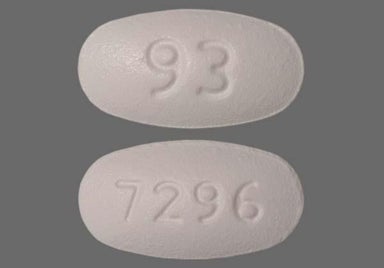
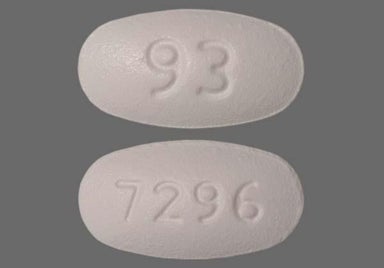
White Oval 93, Tv, And 7296 - Carvedilol 25mg Tablet
This medicine is White, Oval Tablet Imprinted With "Tv", "93", And "7296".White Oval 93, Tv, And 7296 - Carvedilol 25mg Tablet
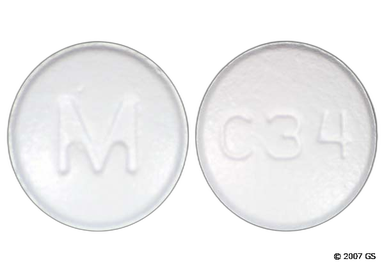
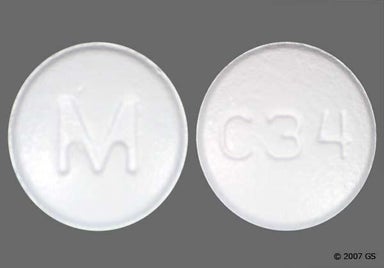
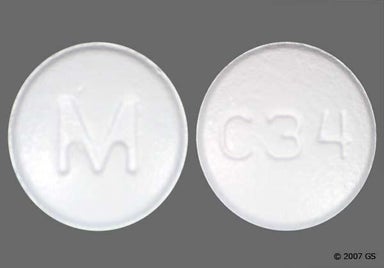
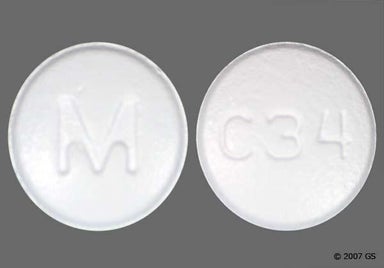
White Round M And C34 - Carvedilol 25mg Tablet
This medicine is White, Round Tablet Imprinted With "C34" And "M".White Round M And C34 - Carvedilol 25mg Tablet
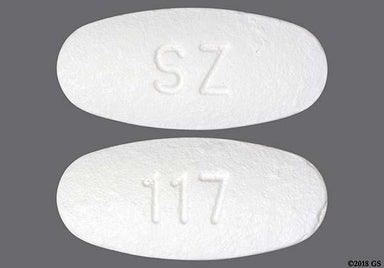
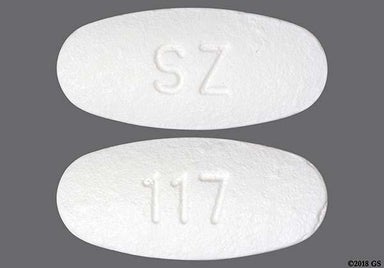
White Oval Sz And 117 - Carvedilol 25mg Tablet
This medicine is White, Oval Tablet Imprinted With "Sz" And "117".White Oval Sz And 117 - Carvedilol 25mg Tablet
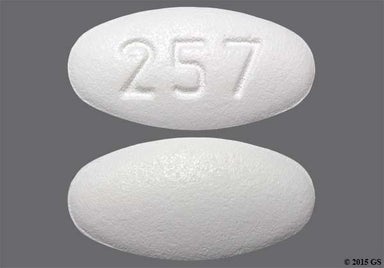
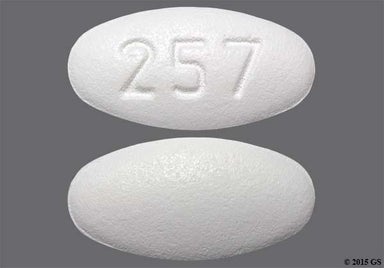
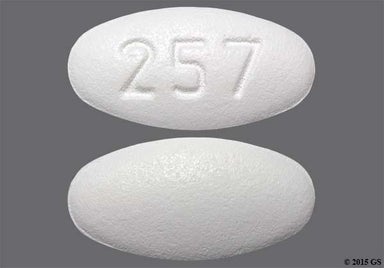
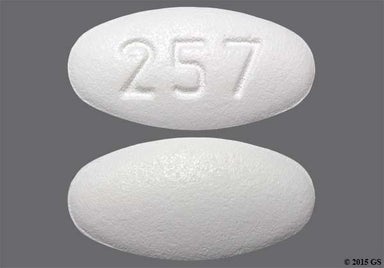
White Oval 257 - Carvedilol 25mg Tablet
This medicine is White, Oval Tablet Imprinted With "257".White Oval 257 - Carvedilol 25mg Tablet
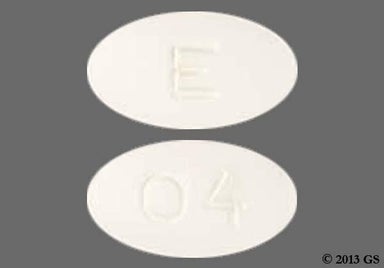
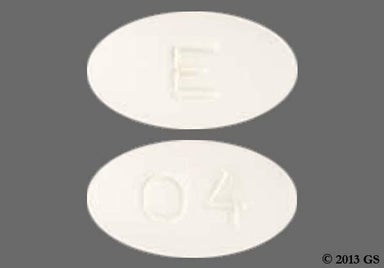
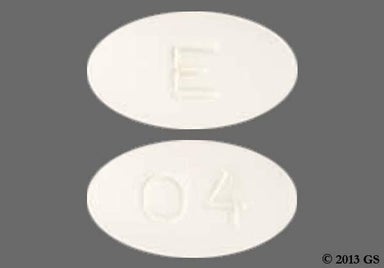
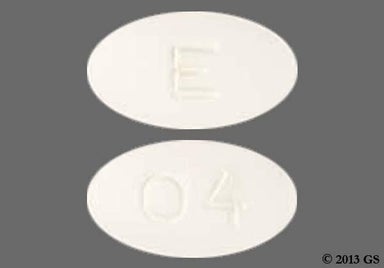
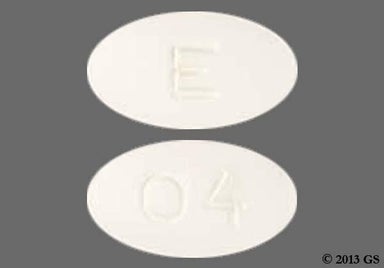
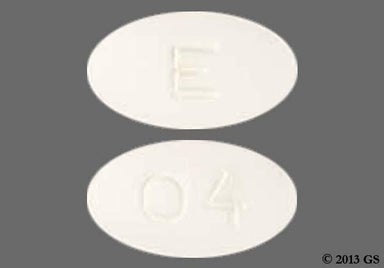
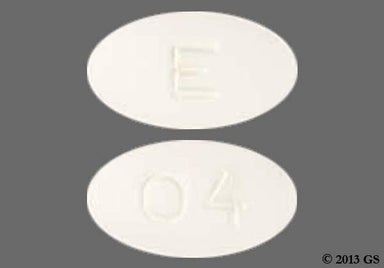
White Oval 04 And E - Carvedilol 25mg Tablet
This medicine is White, Oval Tablet Imprinted With "04" And "E".White Oval 04 And E - Carvedilol 25mg Tablet
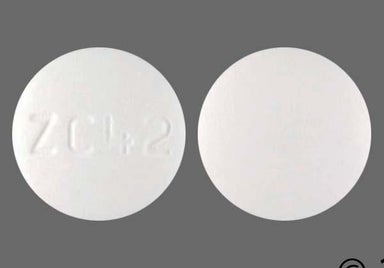
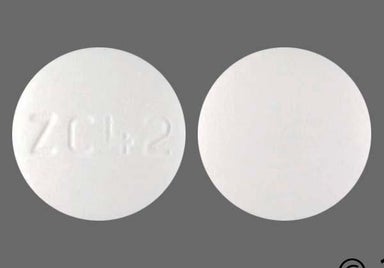
White Round Zc42 - Carvedilol 25mg Tablet
This medicine is White, Round Tablet Imprinted With "Zc42".White Round Zc42 - Carvedilol 25mg Tablet
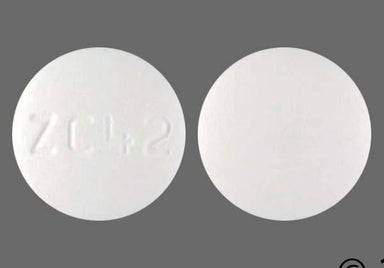
White Round Zc42 - Carvedilol 25mg Tablet
This medicine is White, Round Tablet Imprinted With "Zc42".White Round Zc42 - Carvedilol 25mg Tablet
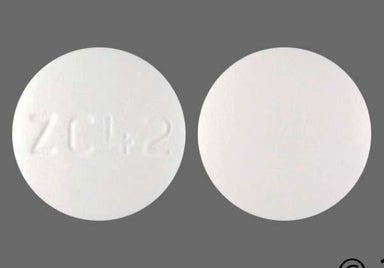
White Round Zc42 - Carvedilol 25mg Tablet
This medicine is White, Round Tablet Imprinted With "Zc42".White Round Zc42 - Carvedilol 25mg Tablet
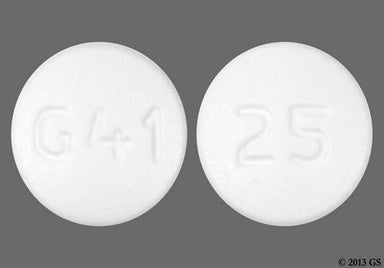
White Round 25 And G41 - Carvedilol 25mg Tablet
This medicine is White, Round Tablet Imprinted With "25" And "G41".White Round 25 And G41 - Carvedilol 25mg Tablet
White Oval Logo59 - Carvedilol 25mg Tablet
This medicine is White, Oval Tablet Imprinted With "Logo59".White Oval Logo59 - Carvedilol 25mg Tablet
White Oval Logo59 - Carvedilol 25mg Tablet
This medicine is White, Oval Tablet Imprinted With "Logo59".White Oval Logo59 - Carvedilol 25mg Tablet
White Oval Logo59 - Carvedilol 25mg Tablet
This medicine is White, Oval Tablet Imprinted With "Logo59".White Oval Logo59 - Carvedilol 25mg Tablet
White Oval 29 And A - Carvedilol 25mg Tablet
This medicine is White, Oval Tablet Imprinted With "A" And "29".White Oval 29 And A - Carvedilol 25mg Tablet
White Oval 29 And A - Carvedilol 25mg Tablet
This medicine is White, Oval Tablet Imprinted With "A" And "29".White Oval 29 And A - Carvedilol 25mg Tablet
White Round Zc42 - Carvedilol 25mg Tablet
This medicine is White, Round Tablet Imprinted With "Zc42".White Round Zc42 - Carvedilol 25mg Tablet

Get savings updates for Carvedilol (Coreg)

Receive price alerts, news, and other messages from GoodRx about Carvedilol (Coreg) and other healthcare topics and relevant savings offers.

By providing your email, you consent to receive marketing communications from GoodRx, which may include content and/or data related to men's health, women's health, reproductive care, or sexual health. You agree to the GoodRx Terms of Use and acknowledge the Privacy Policy. You can unsubscribe at any time.

References

Best studies we found

Aurobindo Pharma Limited. (2023). CARVEDILOL tablet, film coated [package insert]. DailyMed.

Chang, D. F., et al. (2009). Floppy iris syndrome: Why BPH treatment can complicate cataract surgery. American Family Physician.

GlaxoSmithKline LLC. (2020). COREG CR - carvedilol phosphate capsule, extended release [package insert]. DailyMed.

GoodRx Health has strict sourcing policies and relies on primary sources such as medical organizations, governmental agencies, academic institutions, and peer-reviewed scientific journals. Learn more about how we ensure our content is accurate, thorough, and unbiased by reading our editorial guidelines.

Was this page helpful?