Key takeaways:
There’s no strong research supporting the use of lemon balm for weight loss.
Taking lemon balm may regulate blood sugar and cholesterol levels. It can also reduce stress and help you sleep. Optimizing these things may support a healthy metabolism and body size.
For most people, lemon balm doesn’t lead to any unwanted side effects. But you’ll want to skip it if you’re taking certain medications or if you're pregnant.
These days, it can feel like almost everything is being offered as a weight-loss solution. Lemon balm is one of those things that’s been marketed for help with sleep, anxiety, and, most recently, for losing weight. But does it actually help? So far, the science supporting the claim that lemon balm leads to weight loss is lackluster.
Here, we take a closer look at just what the research shows — and what it doesn’t show.
What is lemon balm?
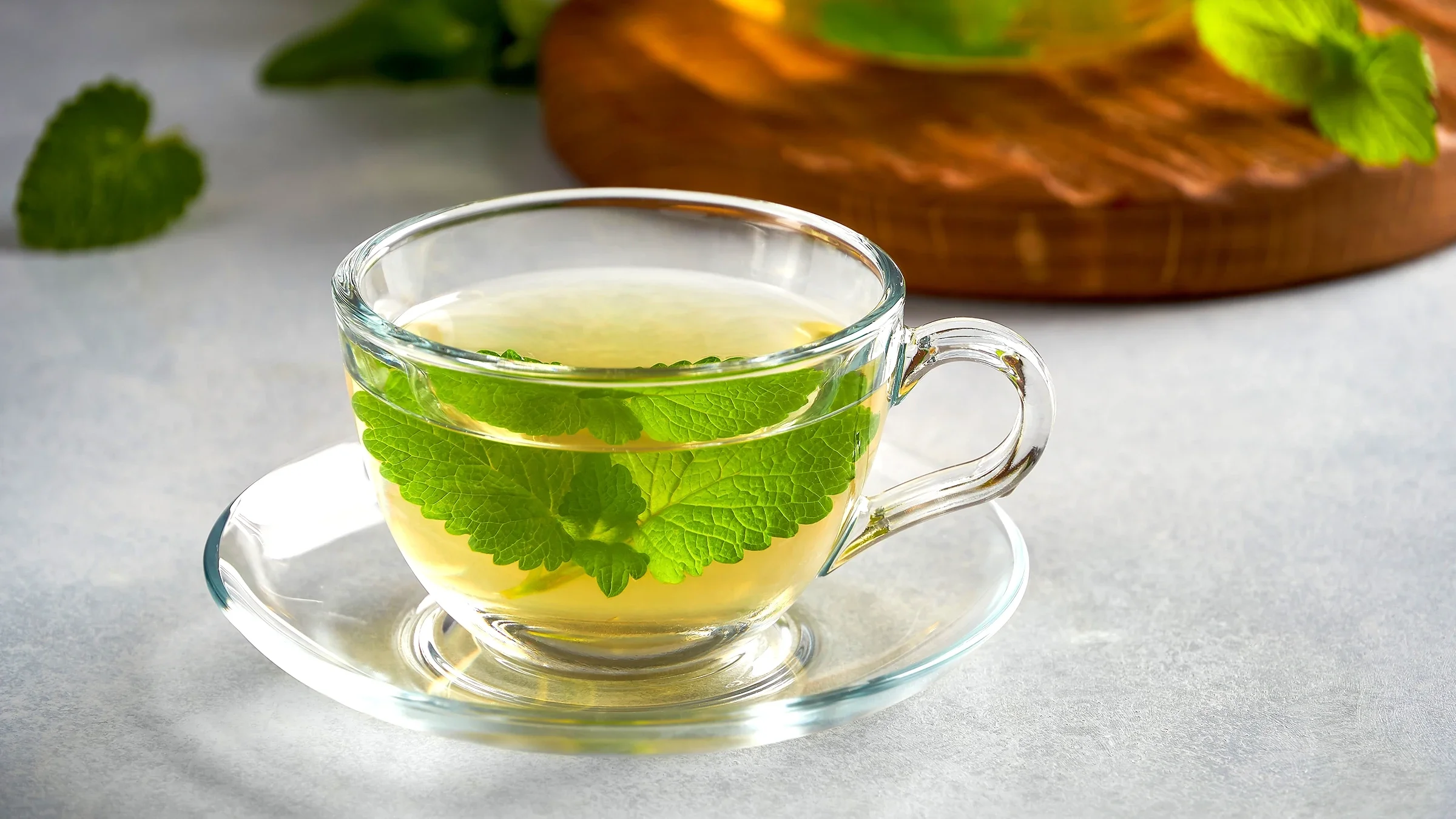
Lemon balm is a plant in the mint family. In research studies, it’s often referred to by its plant name, Melissa officinalis. It’s been used for centuries for different health benefits, such as improved digestion, mood, and sleep.
Is lemon balm good for weight loss?
There’s no data directly showing that lemon balm is good for weight loss.
But studies have suggested that lemon balm improves factors related to metabolism, like blood sugar levels and cholesterol, though.
Here are the research highlights:
Triglycerides and cholesterol: A review of five studies concluded that lemon balm supplements helped decrease total cholesterol, triglycerides, and LDL (bad) cholesterol. The participants in these trials were people with conditions like diabetes, high cholesterol, fatty liver disease, and heart disease. The doses ranged from 700 mg to 3,000 mg of lemon balm over 8 to 24 weeks.
Blood sugar, cholesterol, and blood pressure: A separate review of four studies found that doses of lemon balm ranging from 350 mg to 3,000 mg daily taken for 8 to 12 weeks led to lower cholesterol, LDL, HbA1c, and systolic blood pressure (the top number). The trials also included people with high cholesterol, diabetes, and heart disease.
LDL cholesterol: In a small study of people with high cholesterol, the average LDL levels dropped when they took 1,000 mg of lemon balm every day. But it didn’t have an effect on other types of cholesterol levels.
Blood sugar levels in people with diabetes: People with Type 2 diabetes, who took 1,000 mg of lemon balm every day for 3 months, saw improvement in blood sugar levels.
Note: All of these trials included people with specific health conditions. So, we don’t know if any of the findings apply to the general population. Also, we’re not saying that lowering blood sugar or cholesterol will lead to weight loss. The relationship between blood glucose, cholesterol, and body size is complicated.
If you’re living in a larger body, you’re more likely to have elevated blood sugar levels. And if you consistently have elevated blood sugar levels, you’re more likely to gain weight.
High cholesterol, on the other hand, isn’t a direct cause of weight gain. Limited physical activity and consuming an unbalanced diet are factors that lead to elevated cholesterol and can also lead to weight gain.
So, for now, there’s no research that shows that lemon balm is good for weight loss. But it may be beneficial for metabolism and other weight-related conditions.
Does lemon balm have other benefits?
Yes, lemon balm may have other benefits that indirectly help with weight loss.
Sleep
If you have trouble falling asleep or staying asleep, lemon balm supplements may help. Here’s what the research says:
Healthy adults: In two separate studies of healthy adults, people had improved sleep when they took 240 mg of lemon balm daily. One study saw an improvement after 2 weeks, and the other after 30 days.
People who have trouble sleeping: A study of people who have trouble sleeping found that those who took 80 mg of lemon balm daily for 6 weeks experienced better sleep and woke up feeling more refreshed.
People with insomnia: People with insomnia who took 1,000 mg of lemon balm every night for 4 weeks improved their sleep and were able to sleep more.
But in almost all of these studies, lemon balm wasn’t the only supplement that the participants were taking. Often, it was combined with other supplements, like vitamin B6, valerian tablets, and melatonin. This makes it unlikely that the effects were due to the lemon balm alone.
Mood and cognition
Lemon balm may also help improve mood and how your brain functions. Here’s what the studies show:
Mood in people with depression: A small study of people with depression who took 500 mg of lemon balm daily for 8 weeks reported improvement in mood. This was similar to those who took fluoxetine, an antidepressant, during the same period.
Cognition in people with Alzheimer’s disease: Adults with Alzheimer’s disease who took 60 drops of lemon balm daily for 16 weeks had better cognition and less agitation compared to those who took a placebo.
Mood in people with Alzheimer’s disease: Another study in people with Alzheimer’s disease had similar findings — at a dose of 500 mg for 24 weeks. Participants who took lemon balm instead of placebo had less agitation and sudden mood changes.
All these studies were in a small group of people with specific conditions. So, like the studies mentioned in the previous sections, it’s hard to know if these trial results apply to the general population.
Are there any risks to trying lemon balm for weight loss?
Lemon balm usually doesn’t cause any side effects, at least not at the doses used in research studies. The trials mentioned above included doses ranging from 80 mg to 3,000 mg daily for 2 to 24 weeks. And in one study that reviewed the safety of lemon balm, no side effects were seen in people taking 5,000 mg daily for up to 20 days.
Very rarely, taking lemon balm may lead to side effects, such as:
Headache
Dizziness
Stomach fullness
Palpitations
Feeling groggy
Fatigue
So, you may want to avoid combining it with other medicines that may make you feel tired. Also, research done in the lab showed that lemon balm might interact with thyroid hormones, so it’s advised to avoid it if you take medication for your thyroid.
Don’t take lemon balm if you’re pregnant or breastfeeding, since it hasn’t been well studied in either population.
Frequently asked questions
It’s unknown how much weight you can lose with lemon balm, based on the existing clinical trials. No studies measure weight loss directly in people taking lemon balm. More research is needed to answer this question.
You can take lemon balm as a supplement, or you can add it to your diet. It’s available in different forms, including as:
Fresh plant
Dried herb
Tea leaf or tea bag
Gummies
Powder
Tincture
Keep in mind that experts still don’t know the best dose of lemon balm to take.
Yes, avoid lemon balm if you:
Are pregnant or breastfeeding
Take thyroid medications
Take sleep medications
Always check with a healthcare professional before starting any supplement. They can help you avoid any unwanted side effects.
Be sure to look for supplements that are certified by the United States Pharmacopeia (USP) or National Sanitation Foundation (NSF).
It’s unknown how much weight you can lose with lemon balm, based on the existing clinical trials. No studies measure weight loss directly in people taking lemon balm. More research is needed to answer this question.
You can take lemon balm as a supplement, or you can add it to your diet. It’s available in different forms, including as:
Fresh plant
Dried herb
Tea leaf or tea bag
Gummies
Powder
Tincture
Keep in mind that experts still don’t know the best dose of lemon balm to take.
Yes, avoid lemon balm if you:
Are pregnant or breastfeeding
Take thyroid medications
Take sleep medications
Always check with a healthcare professional before starting any supplement. They can help you avoid any unwanted side effects.
Be sure to look for supplements that are certified by the United States Pharmacopeia (USP) or National Sanitation Foundation (NSF).
The bottom line
Clinical trials measuring the effect of lemon balm on weight don’t exist (yet). But some studies show that taking lemon balm supplements may improve factors related to weight, like blood sugar and cholesterol. And taking lemon balm has been shown to reduce stress and improve mood, which can both play a role in your weight.
If you enjoy the taste of lemon balm and decide to add it to your diet, know that it’s unlikely to cause harm. But it also won’t significantly impact your body size.

Why trust our experts?



References
Akhondzadeh, S., et al. (2003). Melissa officinalis extract in the treatment of patients with mild to moderate Alzheimer’s disease: A double blind, randomised, placebo controlled trial. Journal of Neurology, Neurosurgery & Psychiatry.
Araj-Khodaei, M., et al. (2020). A double-blind, randomized pilot study for comparison of Melissa officinalis L. and Lavandula angustifolia mill. with fluoxetine for the treatment of depression. BMC Complementary Medicine and Therapies.
Bongartz, U., et al. (2019). Sleep promoting effects of IQP-AO-101: A double-blind, randomized, placebo-controlled exploratory trial. Evidence-Based Complementary and Alternative Medicine.
Brendler, T., et al. (2009). Lemon balm (Melissa officinalis L.): An evidence-based systematic review by the Natural Standard Research Collaboration. Journal of Herbal Pharmacotherapy.
Cerny, A., et al. (1999). Tolerability and efficacy of valerian/lemon balm in healthy volunteers (a double-blind, placebo-controlled, multicentre study). Fitoterapia.
Chen, Y., et al. (2023). Exploring the underlying mechanisms of obesity and diabetes and the potential of Traditional Chinese Medicine: An overview of the literature. Frontiers in Endocrinology.
Dolatkhah, N., et al. (2024). Investigating the therapeutic effects of Melissa Officinalis on clinical and electro diagnostic findings of patients with Type 2 diabetes. Biomedical Research Bulletin.
Jandaghi, P., et al. (2016). Lemon balm: A promising herbal therapy for patients with borderline hyperlipidemia — A randomized double-blind placebo-controlled clinical trial. Complementary Therapies in Medicine.
Lemoine, P., et al. (2019). A combination of melatonin, vitamin B6, and medicinal plants in the treatment of mild-to-moderate insomnia: A prospective pilot study. Complementary Therapies in Medicine.
Liao, D., et al. (2021). Effects of Melissa officinalis L. (lemon balm) extract supplementation on cardiovascular risk factors: A pooled analysis of randomized controlled trials. Journal of Food and Nutrition Research.
Mathews, I. M., et al. (2024). Clinical efficacy and tolerability of lemon balm (Melissa officinalis L.) in psychological well-being: A review. Nutrients.
National Center for Biotechnology Information. (2024). Lemon balm. LiverTox.
Noguchi-Shinohara, M., et al. (2020). Safety and efficacy of Melissa officinalis extract containing rosmarinic acid in the prevention of Alzheimer’s disease progression. Scientific Reports.
Ranjbar, M., et al. (2018). Efficacy of a combination of Melissa officinalis L. and Nepeta menthoides Boiss. & Buhse on Insomnia: A triple-blind, randomized placebo-controlled clinical trial. Journal of Integrative and Complementary Medicine.
Shahsavari, K., et al. (2024). Effects of Melissa officinalis (lemon balm) consumption on serum lipid profile: A meta-analysis of randomized controlled trials. BMC Complementary Medicine and Therapies.