Yes, it is possible to get a UTI, or urinary tract infection, during pregnancy. If you have a burning sensation when you pee, or if you need to go more than normal, speak to your provider. They can test your urine to see if you have a UTI and prescribe antibiotics if so.
It’s important to treat UTIs in pregnancy, because they can cause health problems for both mom and baby if not treated.
Vaginal delivery is not a surgery like a cesarean delivery, or C-section, so there are fewer possible complications. The recovery tends to be shorter, as well. That said, a cesarean delivery might be necessary for several reasons. It’s important to know about each option as you near the end of your pregnancy.
We’ve got you covered if you want to learn more about vaginal delivery or C-section.
Yes, it’s common to have more discharge than normal in pregnancy. It may get heavier toward the end of your pregnancy, as well.
That said, it is possible to have an infection during pregnancy that could cause vaginal discharge. If you notice that your discharge changes in any of these ways, contact your provider:
Color
Odor
Amount
Consistency
Don’t use any sprays or douches, as they could irritate your vulva or vagina.
If a baby is born before 24 weeks of gestation, survival is unlikely.
While this is extremely rare, it is possible. Usually during pregnancy, eggs aren’t made or released so another pregnancy won’t happen.
You may feel all kinds of belly symptoms in the first trimester:
Bloating
Gas
Nausea
Vomiting
Constipation
In the second trimester, you’ll probably feel like eating more, and your pregnancy bump will show. You’ll also get to experience that very unique feeling of the baby kicking. As your belly gets bigger, your skin might start to feel itchy and tight. The third trimester is when you can see and feel the baby moving around.
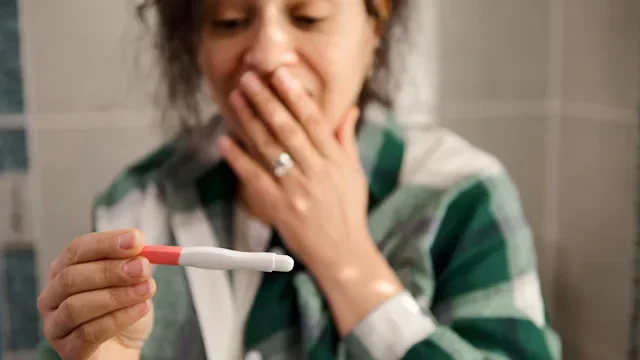
In some situations, a positive pregnancy test might not be good news. In fact, up to 45% of pregnancies in the U.S. in 2011 (the most recent data we have) were unintended. It might help to talk to someone you trust about your unexpected news, or visit your local family-planning clinic. You can also call this free hotline for peer support. Lots of online resources are available to learn more about your options, including parenting, adoption, or medical abortion.