Key takeaways:
Polyendocrine metabolic ovarian syndrome (PMOS) — formerly called polycystic ovary syndrome (PCOS) — is a common metabolic and hormonal condition. It can affect menstrual cycles, ovulation, skin and hair, metabolism, mental health, and fertility.
Traditional treatment options include medications like metformin and oral contraceptives (birth control).
The most effective natural treatments for PMOS involve lifestyle strategies, which are a core part of PMOS care.
Some supplements may affect metabolism or reproductive health, but not enough to recommend them over medications and lifestyle strategies.
Polyendocrine metabolic ovarian syndrome (PMOS) — formerly called polycystic ovary syndrome (PCOS) — is a complex metabolic and hormonal disorder that affects up to 15% of women in the U.S. It’s the most common hormonal disorder in women of reproductive age. It can lead to symptoms like irregular periods, infertility, and weight gain, in addition to acne and abnormal hair growth.
If you have PMOS, your healthcare team will likely recommend medications that affect your insulin and hormone levels. But not everyone likes the idea of taking prescription medications.
The good news is that there are natural treatment options — from supplements to lifestyle strategies — that can help you manage your PMOS symptoms. But no single approach works for everyone, and “natural” doesn’t always mean safe or effective.
“The management of PMOS is individualized,” said Dr. Carly Kelley, an endocrinologist at Duke Health. “There’s no ‘cure’ or ‘one-size-fits-all’ approach.” PMOS treatment focuses on the symptoms and health concerns that matter most to you. Those priorities can change over time.
The 10 approaches below may support PMOS care, but they are not all equally well studied.
1. Inositol
Inositol is a substance that already exists in your body. The most commonly studied forms are myo-inositol and D-chiro-inositol. These are the supplements with the best evidence to support its use in PMOS.
Research shows that inositol improves insulin resistance, menstrual regularity, and ovulation. But the benefits are usually modest. There’s not enough high-quality evidence to recommend one type, dosage, or combination over another. And, as with all supplements, product quality and dosage vary.
The 2023 International Evidence-based Guidelines for PMOS says inositol can be an option for some people, but emphasizes that its potential upsides are limited, and that it shouldn’t take the place of evidence-based PMOS treatments like metformin.
If you take inositol or another complementary product, tell your healthcare team. Ask specifically about interactions, pregnancy safety, product quality, and whether the treatment is addressing your main health goals.
2. Probiotics and synbiotics
Probiotics and synbiotics (a mix of prebiotics and probiotics) provide good bacteria that help regulate gut function. They also help regulate overall inflammation.
The balance of bacteria in your gut has an effect on body weight, insulin, and glucose regulation. By reducing inflammation, these supplements may help with hormonal balance and fertility in PMOS. But they haven’t been shown to improve fertility or pregnancy outcomes.
If you try probiotics, know that the effects will depend on the product and dosage, and there’s no established product or dosage for treating PMOS. It’s best to consider it a complementary approach rather than a replacement for standard PMOS care.
3. Berberine
Berberine is a compound extracted from plants. Small studies and reviews have examined berberine for insulin resistance, androgen levels, menstrual cycles, and fertility-related outcomes in PMOS. But the evidence isn’t strong enough to recommend berberine as an established PMOS therapy.
Berberine can cause side effects and may interact with prescription medications. Its safety during pregnancy and breastfeeding is uncertain. Talk with a healthcare professional before taking it, especially if you're trying to get pregnant, or could become pregnant.
Some healthcare professionals recommend using berberine with metformin (or other diabetes medications) since it may have an additive effect. This means the medications may help each other work better than if they were used alone. But the research here is still developing. You shouldn’t do this without the guidance of your healthcare team.
4. Chromium
Chromium is a mineral involved in metabolism. Chromium picolinate has been studied for blood sugar and insulin measures, particularly in people with diabetes. But research in PMOS is limited and inconsistent.
Chromium may improve insulin sensitivity and blood sugar in people with diabetes and PMOS, but the clinical benefit is uncertain. Research on weight loss is also uncertain. And, there’s also not enough good quality evidence to say that chromium increases ovulation and fertility.
If you’re considering chromium, ask your care team whether it’s appropriate for you and whether it could interact with your medications or supplements.
5. Herbal remedies and apple cider vinegar
Herbs such as cinnamon and turmeric, curcumin, spearmint, and others have been studied for possible effects on blood sugar, inflammation, androgen levels, or menstrual cycles. The studies are small, vary widely in the products and dosages used, and don’t establish a benefit in treating PMOS. As such, experts don’t routinely recommend them at this time.
Small studies suggest apple cider vinegar may improve some metabolic outcomes, when added to metformin. There was no impact on fertility. Overall, the evidence for apple cider vinegar is limited and isn’t enough to recommend it as part of standard treatment.
6. Weight loss
PMOS can occur at any body size, but women with PMOS are more likely to carry excess weight. This is likely due to a combination of factors, including genetics, environment, and lifestyle. And research shows that weight loss can help PMOS. According to research, weight loss can help improve insulin resistance and menstruation changes in people with PMOS.
Weight loss, exercise, and a nutritious diet are also key to managing both the symptoms and potential complications of PMOS, such as:
High blood pressure
Heart disease
That said, everyone has a different relationship to their body and weight. And weight loss doesn’t have to be a health goal if it doesn’t feel right for you. But the actions commonly associated with weight loss — like balanced eating and increased physical activity — can help with PMOS symptoms.
7. Diet
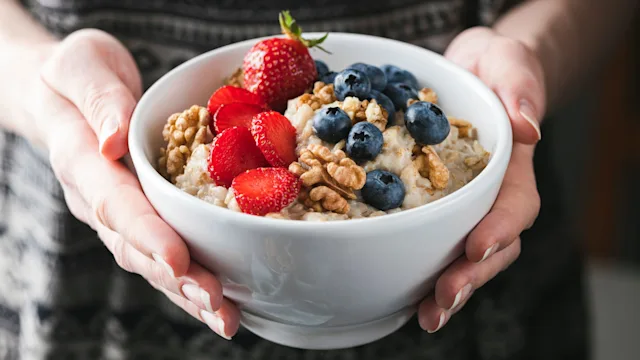
A nutritious and balanced diet can help some of the hormone changes that happen with PMOS. No one specific diet is proven to be better than another. The key is to eat a complete, balanced diet full of nutritious foods.
Kelley recommends sticking with foods low in glycemic index and high in fiber content. Fiber helps prevent spikes in blood glucose and insulin levels. It also smooths out digestion and increases satiety (feeling full and satisfied).
“Overall, the best diet is the one you can stick to and sustain,” Kelley said. She recommends a diet low in saturated and trans fats, processed foods, and simple sugars. And the diet should be high in fruits, vegetables, and healthy proteins.
Soy products don’t have any effect on estrogen levels or fertility, so they can be a part of a balanced diet.
8. Physical activity
Experts recommend plenty of physical activity for anyone with PMOS. One benefit is that it can help improve fertility. Exercise can also help regulate blood sugar, support weight management, and improve cholesterol, among other health benefits.
There isn’t one type of exercise or physical activity better than another, so choose what you’re most likely to stick with. Aim for at least 30 minutes of activity each day, most days of the week. But at the end of the day, any movement is better than none.
9. Lifestyle strategies
In addition to diet and exercise, there are other steps you can take on your own. This may include:
Yoga
Improved sleep habits
Mental health support, if needed
While poor sleep and stress don’t cause PMOS, addressing them may help your symptoms. Taking care of your emotional well-being is also important. These steps may not seem like much at first. But small, consistent adjustments can really make a difference — especially in combination with physical activity and nutrition.
10. Acupuncture
Some believe acupuncture can help increase ovulation in people with PMOS. But there’s currently no solid evidence showing that acupuncture helps with ovulation and fertility. When compared with metformin, it doesn’t have an advantage in terms of markers like blood glucose or insulin resistance.
Medications to treat PMOS
You may feel strongly that alternative treatments for PMOS are the best choice for you. But it still helps to know some of the traditional medications used for PMOS so you can have an open conversation with your healthcare team. These treatments include:
Hormonal contraceptives like birth control pills and other alternatives can help regulate your hormone levels. This can help with your periods, acne, and hair growth.
Metformin is a diabetes medication used to help manage insulin resistance, which is one of the changes in the body that happens with PMOS.
Spironolactone can help block some of the effects of increased male sex hormones (like testosterone), another change that can happen in PMOS. This can help with acne and unwanted facial hair growth.
Clomiphene (Clomid) and letrozole (Femara) are used to help people ovulate when they’re trying to get pregnant. This can help with the fertility challenges of PMOS.
What questions should you ask a healthcare professional about PMOS natural treatment?
It can be intimidating to discuss natural treatment options for PMOS with your healthcare team. But it’s important, especially with supplements and herbal remedies.
There are a few reasons for this, so consider asking about:
Efficacy: Some alternative treatments may work better in combination with more traditional treatment options.
Side effects: Supplements and herbs can cause side effects.
Medication interactions: They may affect how your other medications work.
Natural treatments aren’t necessarily good options for everyone. It’s important to know which might be better for you specifically. It’s important to keep these in mind when discussing your options.
Kelley encourages her patients to pay attention to the different aspects that can affect PMOS. “Lifestyle modifications are the main approach and a core component of treatment … and go a long way,” she said. For example, you can focus on the following adjustments:
Maintaining a healthy weight
Eating a balanced and nutritious diet
Exercising and doing other physical activities
Getting good quality sleep
Managing stress
Being mindful of your mental health
Frequently asked questions
No, there isn’t a cure for polyendocrine metabolic ovarian syndrome (PMOS), formerly called polycystic ovary syndrome (PCOS). But treatments and lifestyle strategies can help with symptoms and possible complications.
No drink can reduce or cure PMOS. Unsweetened green tea is a reasonable choice as it may modestly help with blood sugar regulation. But this research isn’t specific to PMOS, and green tea shouldn’t replace standard treatment.
PMOS doesn’t usually have sudden flare-ups. Symptoms can change over time, and some people notice changes with stress, poor sleep, medication changes, or other health conditions. Changing hormones throughout the month can also contribute to these symptoms.
It can help to keep track of your symptoms and lifestyle habits to help identify what might be making your PMOS symptoms worse. And, if you notice new, severe, or worsening symptoms, talk with a healthcare professional.
The bottom line
Treatment for polyendocrine metabolic ovarian syndrome (PMOS) should be based on your symptoms, health risks, reproductive goals, preferences, and your access to care. Lifestyle strategies including diet and exercise have the best evidence to support metabolic health and quality of life — and they can help even without weight loss.
Some supplements may improve some features of PMOS, but benefits are modest at best. None is recommended as established PMOS therapy or as a proven treatment for infertility. And some can interact with other medications you take, or may not be safe to use if you’re pregnant, breastfeeding, or trying to conceive.
If you’re considering including certain natural remedies as part of your PMOS care, talk with your healthcare team. Together, you can work on the best way to manage your PMOS symptoms.

Why trust our experts?



References
Azizi-Kutenaee, M., et al. (2022). Probiotic effects on sexual function in women with polycystic ovary syndrome: A double blinded randomized controlled trial. BMC Women’s Health.
Barber, T. M., et al. (2019). Obesity and polycystic ovary syndrome: Implications for pathogenesis and novel management strategies. Clinical Medicine Insights: Reproductive Health.
Berg, S. (2025). What doctors wish patients knew about polycystic ovary syndrome. AMA Joy in Medicine.
Chatree, S., et al. (2020). Role of inositols and inositol phosphates in energy metabolism. Molecules.
Fitz, V., et al. (2024). Inositol for polycystic ovary syndrome: A systematic review and meta-analysis to inform the 2023 update of the International Evidence-Based PCOS Guidelines. The Journal of Clinical Endocrinology and Metabolism.
Heshmati, J., et al. (2018). The effects of supplementation with chromium on insulin resistance indices in women with polycystic ovarian syndrome: A systematic review and meta-analysis of randomized clinical trials. Hormone and Metabolic Research.
Legro, R. S., et al. (2015). Letrozole versus clomiphene for infertility in the polycystic ovary Syndrome. The New England Journal of Medicine.
Lim, C. E. D., et al. (2019). Acupuncture for polycystic ovarian syndrome. The Cochrane Database of Systematic Reviews.
Maddirevula, M. K., et al. (2025). Effect of probiotic-derived metabolites on hormonal and metabolic profiles in women with polycystic ovary syndrome: a systematic review and meta-analysis. Frontiers in Cellular and Infection Microbiology.
Maleki, V., et al. (2018). Chromium supplementation does not improve weight loss or metabolic and hormonal variables in patients with polycystic ovary syndrome: A systematic review. Nutrition Research.
Mussawar, M., et al. (2023). The effect of physical activity on fertility: A mini-review. Fertility and Sterility Reports.
Najafi, A., et al. (2026). Adjunctive effects of apple cider vinegar on metabolic syndrome and insulin resistance in polycystic ovary syndrome patients receiving metformin: A randomized clinical trial. Scientific Reports.
Nii-Moi, E. (2025). Living with PCOS? Self-care tips for women. Baylor Scott White Health.
Scragg, J., et al. (2024). Effect of weight loss interventions on the symptomatic burden and biomarkers of polycystic ovary syndrome: A systematic review of randomized controlled trials. Annals of Internal Medicine.
Saeed, A. A. M., et al. (2025). Nutritional and herbal interventions for polycystic ovary syndrome (PCOS): A comprehensive review of dietary approaches, macronutrient impact, and herbal medicine in management. Journal of Health, Population, and Nutrition.
Singh, S., et al. (2023). Polycystic ovary syndrome: Etiology, current management, and future therapeutics. Journal of Clinical Medicine.
Teede, H. J., et al. (2023). Recommendations from the 2023 international evidence-based guideline for the assessment and management of polycystic ovary syndrome. The Journal of Clinical Endocrinology & Metabolism.
Yan, W. L., et al. (2025). Comparative effectiveness and safety of acupuncture vs metformin in insulin-resistant polycystic ovary syndrome women: A network meta-analysis of RCTs. Integrative Medicine Research.
Zhang, S. W., et al. (2021). Effect and mechanism of berberine against polycystic ovary syndrome. Biomedicine & Pharmacotherapy.