Key takeaways:
Heroin overdoses pose a great risk to people in the U.S. They frequently end in death or other negative consequences.
Heroin disrupts the communication between your brain and body. It can slow down or stop your breathing, stop your heart, and limit oxygen to your brain.
Quick responses and use of naloxone can reduce the risk of death from heroin overdose.
Save on related medications
If you think you or someone else has overdosed, call 911 right away. Administer naloxone if you have it nearby. Start CPR if someone is not breathing or you cannot feel a pulse, and stay with them until the ambulance arrives.
Heroin overdoses present a major public health issue in the U.S. Each year, thousands of people die from heroin overdoses. Many more suffer other physical and mental health effects from overdoses.
Keep reading to learn more about heroin overdoses and what you can do to prevent and treat these dangerous situations. Remember: If you think someone has overdosed on heroin or any other substance, call 911 right away.
What is a heroin overdose?
Overdosing on heroin takes a huge toll on you. It can disrupt the way your body and brain function, leading to death.
Heroin is an opioid drug. Because of this, it creates effects that are similar to all other opioids, like oxycodone, morphine, and fentanyl.
Although opioids create similar effects, they differ due to the power of the reaction and how long it lasts. Heroin is powerful but short acting. Other opioid substances may be less powerful and last longer.
What are the signs of a heroin overdose?
When someone overdoses on heroin, there will be telltale signs that something is very wrong. The most common signs of a heroin overdose are:
Slowed or abnormal breathing
Slowed or abnormal heart rate
Loss of consciousness
Becoming limp and lifeless
Pinpoint pupils
Bluish or purplish skin, especially around the lips and fingernails
Pale and clammy skin
Vomiting
Gurgling noises when breathing
All opioids produce similar effects in the body. So it may not be possible to know if someone is overdosing on heroin or another opioid, like oxycodone or fentanyl. All opioid overdoses are treated the same. You only need to identify that an overdose is occurring and contact 911 right away.
What should you do if you see the signs of a heroin overdose?
You may think the odds of seeing a heroin overdose are rare, but it is quite common. Between 64% and 97% of people who use opioids will see at least one overdose.
An overdose does not have to result in death. Responding quickly could save a life.
If you see the signs of a heroin overdose:
Stay calm, and call 9-1-1. Getting the assistance of healthcare providers can address the situation quickly and safely.
Explain what’s happening. The response to a heroin overdose will be different from other medical emergencies. Communicate what the person took, when they took it, and if it was mixed with other substances.
Keep them awake. Try to engage the person by asking them questions. Get and keep their attention to keep them alert and breathing.
Move them to their side. If the person cannot sit or is vomiting, roll them to their side. This position will help keep their airway clear to prevent choking.
Stay by their side. You might feel like the situation is too dangerous or scary to stay, but don’t leave. Your presence can keep them alive.
Try to keep the person awake and responsive until professional help arrives. If you know rescue breathing or CPR, use your training to support airflow and get oxygen into the body. If you have naloxone (Narcan), give it to the person. Below, we cover what naloxone is and how to get it.
What happens when you overdose on heroin?
Once in the brain, heroin disrupts the normal chemical messengers. The drug starts by slowing down certain body functions. When under the influence of heroin, you will feel relaxed, slowed down, and sleepy.
If you take more than your body can handle, it will slow or stop necessary body functions completely. Your breathing could be restricted to a dangerous level, and your heart can stop. When these events occur, your brain may not get the oxygen it needs to survive.
Heroin overdoses do not usually happen instantly. They tend to progress over 1 to 3 hours. This allows time for a bystander to call 911 and get help. But not getting help could lead to death or other negative outcomes.
How serious is a heroin overdose?
Heroin overdoses are extremely serious medical emergencies. Any time you suspect that you or someone else is experiencing an overdose, seek professional care immediately. Call 9-1-1, or get to the nearest emergency room.
Who’s most at risk of overdosing on heroin?
Each time someone uses heroin, they put themselves at risk of overdose. There is no safe way to consume the drug.
Based on different factors, some people are at greater risk of heroin overdose. Risk factors for a heroin overdose are:
Having a heroin addiction: This is often referred to as opioid use disorder.
Mixing drugs: Taking heroin with other drugs that slow down the body, like alcohol or benzodiazepines, is more dangerous.
Previous overdoses: People with one overdose are likely to have others.
Poor physical health: A person who is not physically well or has a chronic condition, like HIV or lung disease, is more at risk of an overdose.
Injecting the drug: Injection is riskier because it allows the substance to reach the brain more quickly.
Using alone: Without anyone to check on you, your overdose risk increases.
Another risk factor for heroin overdose is tolerance shift. Tolerance increases when you use heroin regularly and decreases when you stop. If you haven’t used heroin for a while and then relapse, your risk of an overdose is high. This is because you may not realize that your tolerance is lowered and may take a higher dose than your body can handle. Your body will not be prepared for the drug’s impact.
Do people mix fentanyl into heroin?
Many opioid overdoses happen because of fentanyl, a drug much more powerful than heroin. Some drug dealers may mix fentanyl into batches of heroin. Someone may think they are using heroin, when in reality they are consuming fentanyl. This significantly increases the risk of an overdose. You can use fentanyl test strips to see if a drug contains fentanyl.
How do you treat a heroin overdose?
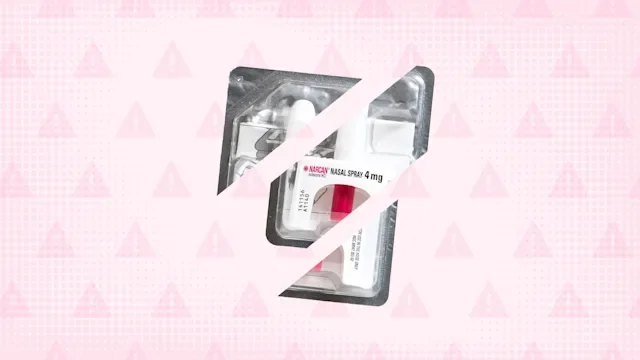
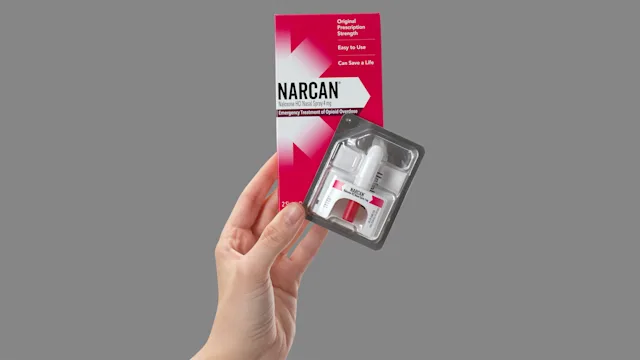
The most effective treatment for a heroin overdose is naloxone. Naloxone is a medicine that quickly reverses the effects of a heroin overdose. It can help the person breathe normally and lower the risks from lack of oxygen.
Naloxone works by strongly attaching to your opioid receptors. It pushes away the heroin from the receptors and prevents it from creating effects for between 30 and 90 minutes. Once the naloxone wears off, the overdose symptoms can return. More than one dose of naloxone may be needed in some cases.
Naloxone is available in two different forms:
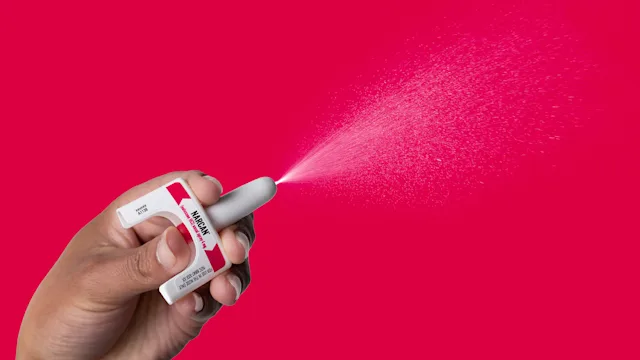
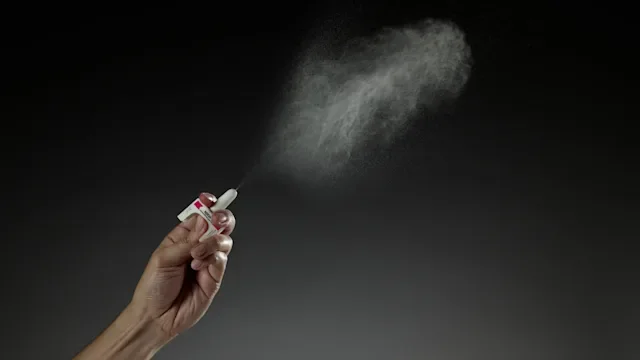
Intranasal (Narcan, Kloxxado): This is a mist sprayed up one nostril while the person is lying down.
Injectable: This is a shot injected into the muscle or under the skin. (Ready-to-use syringes (Zimhi) are currently approved by the FDA.)
Depending on the amount of heroin the person consumed, multiple doses of naloxone may be needed. The person should be watched for a few hours to ensure that the symptoms are well managed.
How can you get naloxone?
Different states handle the distribution of naloxone differently. Depending on where you live, it could be free and widely accessible or only available with a prescription. To learn what options are available for you, refer to this naloxone finder tool.
What resources are available to help someone with a heroin addiction?
Heroin addictions are serious mental health conditions with the power to affect all parts of your life. Any heroin use can result in an overdose, so seek professional care.
Attending an opioid use disorder (OUD) treatment program can improve your chances of recovery. Heroin treatment programs offer detox, medications to manage cravings, and therapy. The Substance Abuse and Mental Health Services Administration (SAMHSA) has information on finding the right treatment near you.
Support groups, like Heroin Anonymous, and spending time with people focused on recovery can aid the process. Stay patient, though. Achieving lasting recovery can take a long time.
The bottom line
Heroin overdoses are serious emergencies. They are also preventable and treatable. Avoiding the substance and carrying naloxone can drastically increase your safety and health.

Why trust our experts?


If you or someone you know struggles with substance use, help is available. Call SAMHSA’s National Helpline at 1-800-662-HELP (4357) to learn about resources in your area.
References
American Psychological Association. (2018). The opioid guide: A resource guide for practicing psychologists.
Centers for Disease Control and Prevention. (2022). Opioid overdose prevention saves lives.
GetNaloxoneNow. (n.d.). Home.
MedlinePlus. (2019). Opioid overdose.
National Institute on Drug Abuse. (2022). Naloxone drugfacts.
National Institute on Drug Abuse. (2018). Principles of drug addiction treatment: A research-based guide.
World Health Organization. (2021). Opioid overdose.