Key takeaways
Fentanyl is an opioid medication that treats severe pain. How long it stays in your system depends on which product you use. For example, medication from the skin patch can last about 5 days in your body, but the oral forms last 1 to 2 days.
Fentanyl has risks. These risks are much greater when prescription fentanyl is misused or when someone consumes illegally made fentanyl. Opioid use disorder, slowed breathing, and overdose are possible.
If you’re prescribed fentanyl, follow your healthcare professional's exact instructions for how to use it. And avoid illegally made fentanyl completely. This includes avoiding all illegal drugs, since other illegal substances may be laced with fentanyl.
Fentanyl is an opioid medication that treats severe pain. But the potent substance can be incredibly dangerous, especially if prescription fentanyl is used incorrectly or if you consume illegally made fentanyl. One major risk is overdose. In 2022, 75% of overdose deaths in the U.S. involved illegally made fentanyl.
If you’re using a prescription fentanyl product, knowing how long fentanyl stays in your system can help you avoid fentanyl risks. We’ll cover the answer to this question and other frequently asked questions below.
1. How long does fentanyl stay in your system?
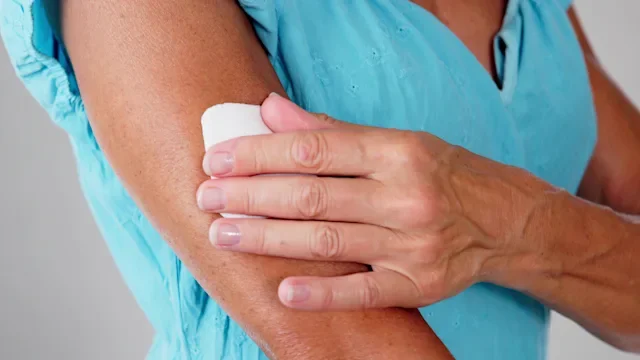
How long fentanyl lasts in your system depends on which fentanyl product you’re prescribed. There are a few different products, including a fentanyl injection (Sublimaze) that’s sometimes used in the hospital for pain or anesthesia. For home use, three products exist:
Dissolvable tablet (Fentora)
Lozenge (Actiq)
After taking the skin patch off, fentanyl can last up to 5 days in your system. The dissolvable tablet (which dissolves against the lining of your cheeks) can last about a day in your system. And the lozenge (which dissolves on your tongue) can last 1 to 2 days in your body.
The majority of research on how long fentanyl lasts in the body has been done on people who took a single dose of fentanyl (or just a few doses). But most people who are prescribed fentanyl will typically be on this medication for longer. So this research doesn’t accurately reflect the way prescription fentanyl is used in the general population.
If you take prescription fentanyl regularly, you can assume that there’s some level of fentanyl in your system at all times. This may make you feel drowsy, dizzy, and nauseated. It can also interact with other medications or alcohol. You should avoid activities that require alertness until you know exactly how fentanyl affects you.
One reason that long-term fentanyl use can keep fentanyl in your body for many weeks is because fentanyl is “lipophilic,” or fat-soluble. This means that fentanyl can enter fat cells in the body and build up in these cells, causing it to stick around longer.
Good to know: There’s also very little research looking at how long illegally made fentanyl lasts in the body in people who use it regularly. One small study looked at 12 people with opioid use disorder using illegally made fentanyl. Fentanyl stayed in the urine of some participants for a week or longer. In fact, one person tested positive for fentanyl for almost 3 weeks after their last dose.
2. What factors affect how long fentanyl stays in your system?
A few factors can affect how well fentanyl is absorbed in the body and how long it lasts. These factors may be important to know about if you’re relying on prescription fentanyl to treat severe pain, such as cancer pain. Knowing about these factors can also help you avoid risks.
Some factors to consider include:
Specific fentanyl product: As discussed above, the fentanyl from the skin patch typically lasts longer in the body than prescription oral forms.
Age: As we age, our body composition and organ function changes. As a result of this, some medications may have more intense effects in older adults. You may need a lower fentanyl dosage if you are 65 years old or older.
Liver function: Fentanyl is broken down (metabolized) in the liver. If you have liver disease, you may need a lower dose of fentanyl to prevent it from building up in your body and leading to dangerous side effects.
Kidney function: Fentanyl leaves the body through the urine. If you have kidney disease, you may need a lower dose of fentanyl.
Other medications you take: Many medications can interact with fentanyl. Some of these interactions cause fentanyl to build up in the body, and other interactions cause decreased levels of fentanyl. It’s best to avoid medications that interact with fentanyl entirely if possible. If you can't, your healthcare professional (HCP) may adjust your fentanyl dose.
3. What are the risks of fentanyl?
Prescription fentanyl can help treat severe pain in people who don’t find relief from other medications. But because fentanyl has serious risks, it’s only prescribed when absolutely necessary. One scenario where fentanyl may be used is to help with cancer pain.
Even when prescription fentanyl is used correctly, fentanyl has side effects. These include:
Nausea
Constipation
Drowsiness
Dizziness
Low blood pressure
Lack of energy
Mood changes
However, fentanyl has more serious risks. These include:
Increased sensitivity to pain
Severely low blood pressure
Slowed breathing
Opioid use disorder
Part of the reason fentanyl can be so dangerous is because it’s extremely potent. For example, it’s up to 100 times more potent than morphine. Serious fentanyl risks are most likely if prescription fentanyl is used differently than how it’s prescribed, or if a person is using illegally made fentanyl. To drastically reduce your risk of fentanyl side effects, don’t use more prescription fentanyl than what’s prescribed to you. You shouldn’t take extra doses, or use it for longer than your HCP instructed. And avoid illegally made fentanyl at all costs by avoiding illegal drugs entirely.
Keep in mind: If you or a loved one takes fentanyl, it’s a good idea to carry naloxone (Narcan, Zimhi) on you at all times. This life-saving medication can quickly reverse the effects of an opioid overdose. You can get naloxone without a prescription, and it’s even available over-the-counter as of 2023. To learn how to use it, read instructions on how to administer naloxone in another GoodRx article.
4. What’s the difference between prescription fentanyl and illegally made fentanyl?
When used correctly, prescription fentanyl is less dangerous than illegally made fentanyl. There are a few reasons that using illegally made fentanyl is life-threatening, including:
Illegally made fentanyl may be combined with other dangerous substances. Other illegal substances may be mixed in with illegal fentanyl. This includes heroin, methamphetamine, and cocaine. On their own, these products can be life-threatening. When combined with fentanyl, the risk of overdose and death skyrockets.
You may be using more fentanyl than you think. Since illegal drugs aren’t regulated, there’s no way to know how much fentanyl is in any given product. You may be using significantly more fentanyl than you think, increasing your risk of overdose and death.
Illegally made fentanyl may be more addicting. Because illegal fentanyl can be combined with other addictive substances that cause a “high,” you may be more likely to misuse it and develop opioid use disorder, slowed breathing, or overdose.
It’s worth noting that any illegal drug use is dangerous. It’s becoming more common for fentanyl to be added to a wide range of illegal drugs, so you may consume fentanyl without knowing. And you can’t tell if a product has fentanyl in it just by seeing, smelling, or tasting it. This is incredibly dangerous, especially for people who don’t regularly use opioids. A substance as strong as fentanyl could quickly cause an overdose. Even small doses of fentanyl could have this effect.
5. What are the signs of fentanyl misuse and what should you do?
Using prescription fentanyl correctly doesn’t typically result in misuse or opioid use disorder. But if you use fentanyl differently than how it’s prescribed, or if you use illegally made fentanyl, your risk is much higher.
Fentanyl misuse includes taking more fentanyl than what’s prescribed, or using it for longer than prescribed. Signs that misuse has developed into an opioid use disorder include:
Difficulty or inability to cut back on opioid use
Having trouble completing your daily tasks due to opioid use
Having cravings for opioids
Spending a lot of time getting or using opioids
Disengaging from social activities due to opioid use
Continuing to take opioids even though it’s causing relationship problems
If you notice you’ve developed any of these patterns, reach out to your HCP immediately. They can help evaluate you for opioid use disorder, and provide guidance on how to proceed. You may need treatment, which often includes therapy and medications. Support groups like Narcotics Anonymous or SMART Recovery can also help.
Good to know: If you see a friend or family member struggle with opioid use, show compassion and talk to them about your concerns. For tips on how to approach them and offer support, head to our GoodRx article on best ways to help someone with opioid use disorder.
The bottom line
Fentanyl is an opioid medication that treats severe pain. Prescription fentanyl comes in a few forms, including a skin patch, dissolvable tablet, and lozenge. How long fentanyl lasts in your system depends on what product you use, and how frequently you’re taking it. For example, the skin patch may last up to 5 days in your system, while the oral forms last a day or two.
When used as prescribed, prescription fentanyl can effectively provide pain relief. But when used incorrectly, or if illegally made fentanyl is used, it can be life-threatening. It can cause slowed breathing and overdose. You may develop opioid use disorder, which can significantly impact your life. To minimize fentanyl risks, closely follow your healthcare provider’s instructions for how to use fentanyl. And avoid illegally made fentanyl by avoiding illegal drugs entirely.

Why trust our experts?



If you or someone you know struggles with substance use, help is available. Call SAMHSA’s National Helpline at 1-800-662-4357 to learn about resources in your area.
References
Centers for Disease Control and Prevention. (2023). Fentanyl.
Centers for Disease Control and Prevention. (2023). Fentanyl facts.
Centers for Disease Control and Prevention. (2023). SUDORS dashboard: Fatal overdose data.
Cephalon, LLC. (2023). ACTIQ [package insert].
Cephalon, LLC. (2023). Fentora [package insert].
Hospira, Inc. (2023). Fentanyl citrate injection [package insert].
Huhn, A. S., et al. (2020). Protracted renal clearance of fentanyl in persons with opioid use disorder. Drug and Alcohol Dependence.
Kuip, E. J. M. (2016). A review of factors explaining variability in fentanyl pharmacokinetics; Focus on implications for cancer patients. British Journal of Clinical Pharmacology.
Lennernäs, B., et al. (2005). Pharmacokinetics and tolerability of different doses of fentanyl following sublingual administration of a rapidly dissolving tablet to cancer patients: A new approach to treatment of incident pain. British Journal of Clinical Pharmacology.
Mylan Pharmaceuticals Inc. (2023). Fentanyl transdermal system [package insert].
National Institute on Drug Abuse. (2021). Fentanyl DrugFacts. National Institutes of Health.
Taylor, K. P., et al. (2023). Fentanyl transdermal. StatPearls.
U.S. Drug Enforcement Administration. (n.d.). Facts about fentanyl.