Key takeaways:
Swimmer’s shoulder refers to shoulder pain due to repetitive overhead activities and muscular imbalance.
The most common underlying issues are tendons that have gotten compressed in the small space around your shoulder (shoulder impingement) and rotator cuff tendon problems. But shoulder instability might also play a role.
Treatment for swimmer’s shoulder includes rest, nonsteroidal anti-inflammatory drugs (NSAIDs), exercises, and a gradual return to activity. Surgery may be needed in some cases.
Swimmer’s shoulder is a common condition among avid swimmers. But the term is a bit misleading since it doesn’t affect just swimmers. It can happen to other athletes, like baseball and tennis players. And it can happen to people who have jobs that require overhead activities, like painters.
Whether your shoulder injury is from recreation or work, you’ll want to get back to your routines as quickly as possible. Let’s dive in.
What is swimmer’s shoulder?
Swimmer’s shoulder is a broad term that covers different shoulder injuries that cause pain, weakness, and stiffness. It doesn’t just affect swimmers, but swimmers are particularly vulnerable to it.
Search and compare options
Swimming has many benefits, but it requires repetitive movements through the shoulders. It can also cause an imbalance in the shoulder muscles, since swimming usually works the front body muscles more than the back muscles. For these reasons, swimming can cause an overuse injury in your shoulder.
Swimmer’s shoulder is especially common for competitive swimmers. Studies report up to 91% of competitive swimmers will have this condition at some point.
What are the symptoms of swimmer’s shoulder?
The most common symptom of swimmer’s shoulder is shoulder pain that worsens with activities. In fact, many athletes feel the need to take a break from their sport because this pain limits them. Lying on the injured shoulder may also cause pain.
Beyond shoulder pain, other commons symptoms of swimmer’s shoulder include:
Weakness, which can affect one or both shoulders
Stiffness
Change in your posture, including rounding forward
Tightness in your chest muscles
What are the different types of swimmer’s shoulder?
For years, swimmer’s shoulder was commonly blamed on shoulder impingement. But experts now think it can be related to several different conditions that cause pain. In other words, there are probably a few different things happening in your body, and “swimmer’s shoulder” is an umbrella term. This term can encompass the following conditions.
Shoulder impingement
Shoulder impingement occurs when the rotator cuff tendons are compressed in the small space around your shoulder. It’s also called subacromial impingement. This occurs when you frequently lift and move your arm overhead. Your bursa (a fluid-filled sack in your shoulder) can also get irritated, which causes pain.
Rotator cuff tendonitis
The rotator cuff tendons help stabilize your ball-and-socket shoulder joint. But overuse can cause these tendons to get out of balance or tear. This can lead to inflammation (tendinitis) and strain (tendinopathy) over time. The result is shoulder pain. This is especially common in competitive swimmers who train and swim at a high intensity.
Instability or shoulder laxity
Your shoulder joint is also stabilized by the joint capsule, ligaments, and cartilage called the labrum. But, with overuse and time, these structures don’t stabilize as well. So, swimmers can develop shoulder instability from the repetition of swimming strokes. This can worsen muscle imbalances and lead to other issues, such as impingement and tendon problems.
Scapular dyskinesis
With this condition, your scapula (shoulder blade) doesn’t move normally during arm movements. It may also protrude or stick out. This can be caused by muscle weakness or muscle imbalances. This can affect the shoulder joint, leading to pain and impingement.
What causes swimmer’s shoulder?
Swimmer’s shoulder is caused by repetitive overhead activities, which stress the structures that stabilize your shoulder joint. Swimming is a common cause of swimmer’s shoulder. But any sport or activity that involves repetitive overhead activity can be a culprit.
Using certain muscles more than others in a repetitive fashion can lead to muscle imbalance over time. This causes certain muscles to become overworked, inflamed, and irritated.
Who is more at risk for swimmer’s shoulder?
As mentioned, people who perform overhead activities are at higher risk. Other risk factors include:
An increase in training
Weakness in the posterior (back) shoulder muscles
Joint looseness (or laxity)
Scapular dyskinesis (issues moving the shoulder blade)
And some people have a bone variant called os acromiale (OA). This can happen as your bones develop early in life. This increases the risk of shoulder impingement and, in turn, swimmer’s shoulder.
How is swimmer’s shoulder diagnosed?
To diagnose swimmer’s shoulder, a healthcare professional will ask you about your symptoms and do a physical exam. They’ll ask about when the pain started and which activities or positions make it worse. Increased pain in the deltoid area with overhead activities or when lying on the affected shoulder can suggest swimmer’s shoulder.
No single test can diagnose swimmer’s shoulder. So they’ll check your range of motion and strength with different movement exercises. Imaging tests of the shoulder and surrounding area may help with diagnosis. This may include X-ray or MRI.
How do you treat swimmer’s shoulder?
Most cases of swimmer’s shoulder get better with nonsurgical treatment. Athletes can usually return to their sport after a few months of treatment.
The first steps in treatment are to stop the aggravating activity and address the inflammation. This will help make sure your condition doesn’t get worse. Then, you can proceed with fixing your muscle imbalances and strengthening.
These are common ways to treat swimmer’s shoulder:
Rest: For at least a week, avoid any sports or activities that involve overhead motions or that increase pain.
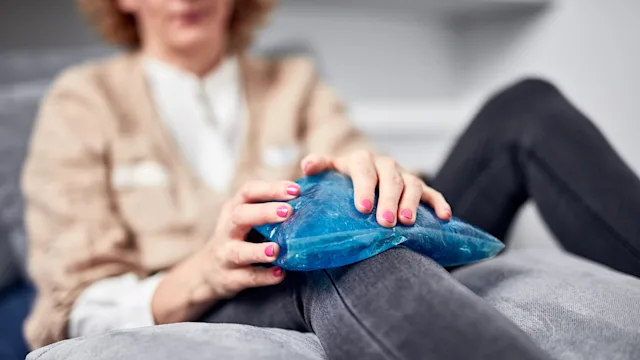
Ice: Apply an ice pack 2 or 3 times a day for 20 minutes. This will help decrease pain and inflammation.
Anti-inflammatory medications: Taking a nonsteroidal anti-inflammatory drug (NSAID) for 7 to 10 days, or as directed by a healthcare professional, can help with pain and inflammation. Examples include aspirin, ibuprofen, and naproxen.
Corticosteroid injections: If you seek care from a healthcare professional, they might offer an injection of a powerful anti-inflammatory medication into the bursa. This helps reduce pain and inflammation.
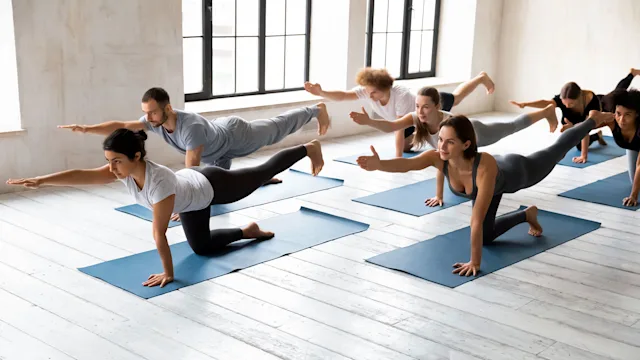
Home exercises: Studies have found that exercise helps treat and prevent swimmer’s shoulder. Exercises may include strengthening of the rotator cuff and scapular muscles. Exercises for posture and stretching the posterior capsule (back of the shoulder joint) are also helpful.
Physical therapy: If this is a new issue for you, consider getting help from a physical therapist. They can evaluate your shoulder and arm movements to figure out which exercises will be best for you. They can also show you how to do the moves properly without reinjuring yourself.
Gradual return to the sport or activity: After a period of rest and rehab, you can slowly return to your sport or activity. Keep your repetitions low at first. Stop or slow down if you feel pain.
If your pain persists after conservative treatment or pain returns when you resume activity, it’s time to get medical attention. A musculoskeletal specialist — like an orthopedic surgeon or sports medicine physician — can help. They’ll determine if something else may be going on, or if surgery is an option.
How do you prevent swimmer’s shoulder?
There are steps you can take to prevent swimmer’s shoulder. Here are some specific tips to prevent this condition:
Don’t train or exercise through pain. Stop or reduce the intensity or frequency to allow your shoulder to heal.
Plan for rest days in your training program.
Keep your shoulder muscles strong by strengthening your rotator cuff and scapular muscles.
Maintain a good posture with overhead activities.
Perform a warm-up and a cooldown before and after an activity.
If you’re a swimmer, alternate swimming strokes to avoid overuse.
Use swim fins on your legs to put less stress on your shoulder as it heals.
Avoid using hand paddles or kickboards, since these put too much stress on your shoulder.
Frequently asked questions
How long it takes for swimmer’s shoulder to heal depends on the specific injury and treatment. Some people can feel better within a few weeks with treatment and rest. But recovery can take months for others. Early treatment can help speed up recovery. So, if you’re experiencing shoulder pain, get checked out sooner than later.
Swimmer’s shoulder can feel a bit different depending on the specific injury and its severity. In general, if you continue swimming with swimmer’s shoulder, you’ll likely notice pain in the front or side of your shoulder as you extend your arm overhead. This pain may extend down into your lower arm.
How long it takes for swimmer’s shoulder to heal depends on the specific injury and treatment. Some people can feel better within a few weeks with treatment and rest. But recovery can take months for others. Early treatment can help speed up recovery. So, if you’re experiencing shoulder pain, get checked out sooner than later.
Swimmer’s shoulder can feel a bit different depending on the specific injury and its severity. In general, if you continue swimming with swimmer’s shoulder, you’ll likely notice pain in the front or side of your shoulder as you extend your arm overhead. This pain may extend down into your lower arm.
The bottom line
Swimmer’s shoulder refers to shoulder pain due to repetitive shoulder activity. Shoulder impingement, rotator cuff tendonitis, and shoulder laxity or looseness can all contribute. Swimming is a common culprit. However, other overhead activities — like throwing or painting — can also cause shoulder pain.
Treatment consists of rest, ice, and exercises. A gradual return to the activity and keeping up with your exercises can help prevent this condition from returning.

Why trust our experts?



References
Davis, D. D., et al. (2023). Swimmer's shoulder. StatPearls.
De Martino, I., et al. (2018). The swimmer’s shoulder: Multi-directional instability. Current Reviews in Musculoskeletal Medicine.
Frizziero, A., et al. (2012). Painful os acromiale: Conservative management in a young swimmer athlete. Journal of Sports Science and Medicine.
Harrington, S., et al. (2014). A cross-sectional study examining shoulder pain and disability in division I female swimmers. Journal of Sport Rehabilitation.
Hickey, D., et al. (2017). Scapular dyskinesis increases the risk of future shoulder pain by 43% in asymptomatic athletes: A systematic review and meta-analysis. British Journal of Sports Medicine.
Moreti, A., et al. (2023). MyBackExercise App – A digital, automated exercise intervention for people with chronic non-specific low back pain. Protocol of a randomised controlled trial. Journal of Science and Medicine in Sport.
OrthoInfo. (n.d.). Shoulder impingement / rotator cuff tendinitis.
Struyf, F., et al. (2017). Musculoskeletal dysfunctions associated with swimmers’ shoulder. British Journal of Sports Medicine.
Tavares, N., et al. (2022). Effectiveness of therapeutic exercise in musculoskeletal risk factors related to swimmer’s shoulder. European Journal of Investigation in Health, Psychology, and Education.
Tovin, B. J. (2006). Prevention and treatment of swimmer's shoulder. North American Journal of Sports Physical Therapy.
Yoma, M., et al. (2011). The effect of exercise therapy interventions on shoulder pain and musculoskeletal risk factors for shoulder pain in competitive swimmers: A scoping review. Journal of Sport Rehabilitation.