Key takeaways:
Standing all day can strain the arches of your feet, leading to foot pain and sometimes swelling.
At-home treatments — such as stretches, supportive footwear, and orthotics — may relieve foot pain from standing all day. Taking breaks and elevating your feet when sitting can also help reduce discomfort.
You should discuss serious foot pain — from non-healing wounds, neuropathy, and other causes — with a healthcare professional. These conditions typically require additional treatment.
Working on your feet all day — whether you're at a hospital, retail store, or salon — can cause foot aches and pains. And while you can't change your job requirements, you can try self-care foot remedies for sore feet to ease the discomfort. Many cases of mild foot pain may improve with at-home treatments like stretching and wearing supportive shoes.
Below, we delve into how to stop foot pain from standing all day and when to see a healthcare professional.
What causes foot pain from standing all day?
If you have a job where you’re on your feet all day, you know what it’s like to come home with achy feet. Foot pain often develops from muscle fatigue, poor circulation, and stress on your joints and ligaments. Other causes of foot pain include:
Wearing shoes that lack cushioning or arch support
Spending long hours on hard or uneven surfaces
Not moving enough during the day
Carrying excess body weight or pregnancy-related pressure
Poor posture while standing
Joint problems such as osteoarthritis
Muscle strain, sprains, or minor foot injuries
Search and compare options
What are the best tips for relieving foot pain from standing all day?
If your feet ache at the end of the day, you have options for ways to feel better. Here are some tips to prevent and relieve pain in your feet.
1. Exercises and stretches for lasting foot pain relief
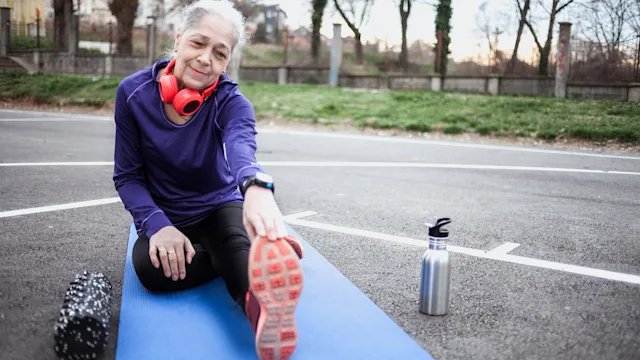
Stretching and strengthening exercises for your feet and ankles can help relieve muscle tension from muscle fatigue. This can also be great heel pain treatment if you have plantar fasciitis, or inflammation along the band of tissue on the bottom of your foot.
Towel stretch
The towel stretch lengthens the plantar fascia and calf muscles.
Step 1: Sit up straight with your right leg extended. Loop a towel around your right foot (under your toes), holding each end of the towel.
Step 2: Keep your knee straight and pull the towel to bring your foot and ankle toward you. Hold for 30-45 seconds.
Step 3: Repeat 2-3 times on each leg.
Toe extension
The toe extension stretch is a great way to target the plantar fascia.
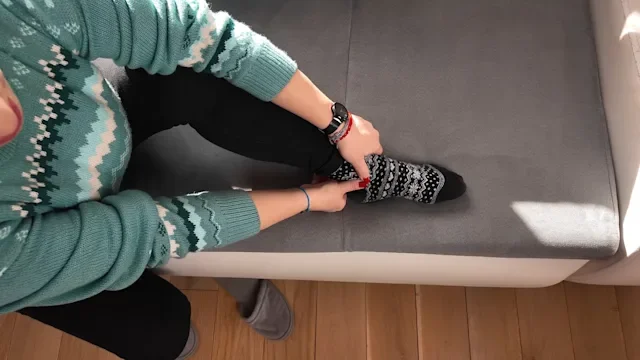
Step 1: Sit tall and cross your right leg over your left.
Step 2: Use one hand to grab the toes on your right foot.
Step 3: Gently pull your toes, foot, and ankle toward you, feeling the stretch along the bottom of your foot. Hold for 10-20 seconds before repeating the stretch for 2-3 minutes.
Step 4: Repeat steps 1-3 on your left foot.
Tennis ball roll
This exercise helps release tightness and tension in the bottom of the foot.
Step 1: Sit in a chair with your back straight and your feet flat on the floor.
Step 2: Place a tennis ball under one foot.
Step 3: Gently roll the ball back and forth from the ball of your foot to the heel.
Step 4: Continue for 2–3 minutes on each foot, applying light pressure to loosen tight muscles.
2. Wear compression socks
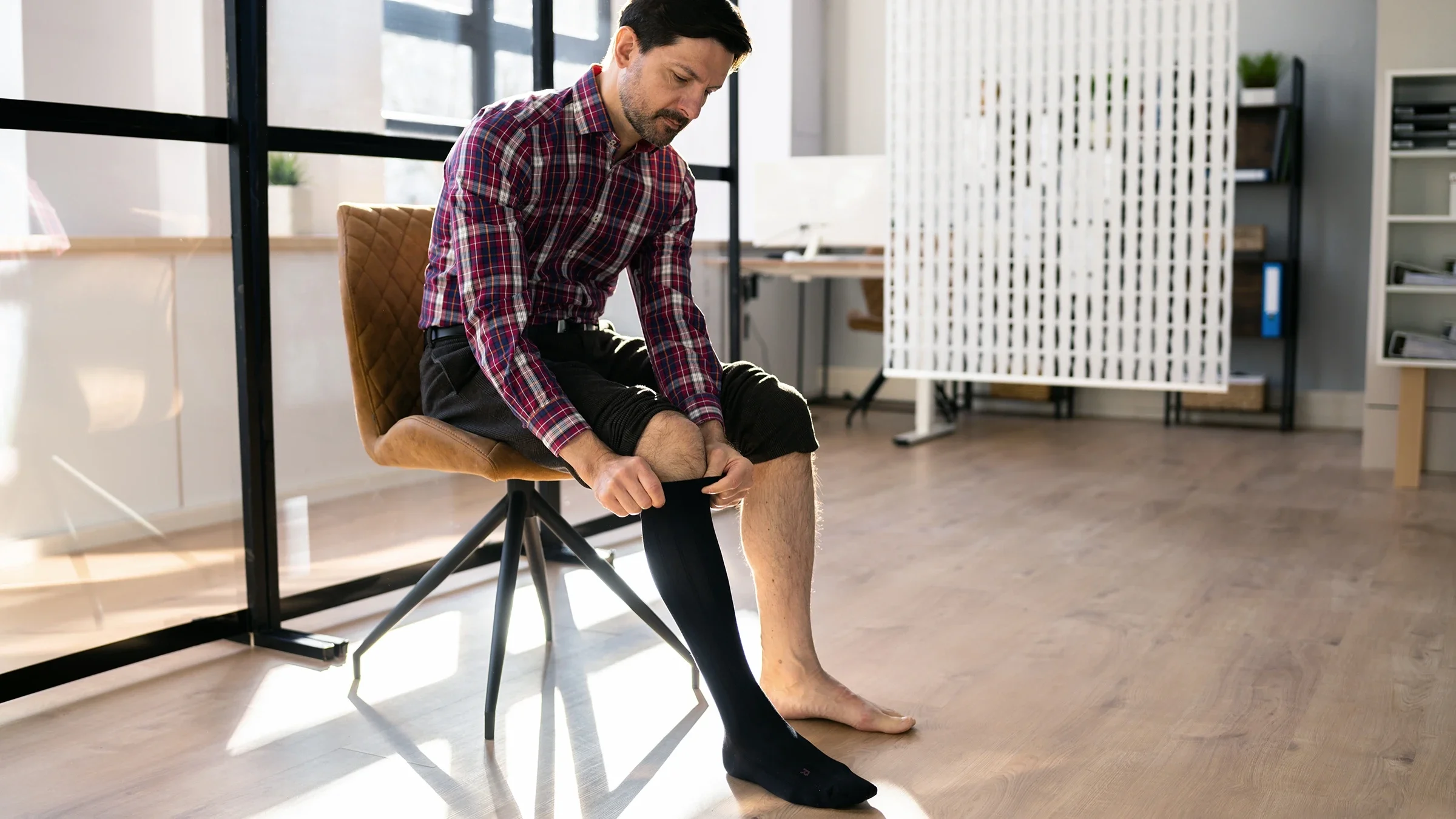
Compression socks or stockings apply continuous pressure to your feet and lower legs to help blood travel back to the heart. The compression is designed to improve circulation, which may reduce discomfort from swelling in your feet and ankles.
You can buy nonmedical compression socks in-store or online. But talk to a healthcare professional first if you have questions or conditions such as neuropathy or peripheral artery disease.
3. Take breaks when you can
This tip might seem obvious, but take a break from standing when possible. Sitting down for a few minutes throughout the day can take pressure off your heels and arches.
You can also try walking around — instead of standing in one place — to boost blood flow and give your lower-body muscles a break from holding the same position. Active breaks also help you squeeze in more physical activity, which is good for your health.
4. Elevate your feet when sitting
The blood from your feet has to travel far and flow against gravity to circulate up to your heart. If you stand for long periods or have issues with your veins or lymphatic system, blood may pool in your lower body. Fluid can also accumulate in your legs and feet, causing swelling and pain.
When you take a break from standing, try sitting with your feet elevated. This position can improve circulation, helping the blood flow from your feet to your heart. Less pressure on your feet and better blood flow could reduce aches and pains.
5. Invest in good shoes
Supportive shoes go a long way toward keeping your feet comfortable and healthy. If your legs and feet hurt every day, this is especially important.
Flat, rigid, and unsupportive footwear — such as flip-flops or high-heels — can lead to foot strain and plantar fasciitis. Shoes that are too tight and restrictive can also cause bunions.
When you're ready to choose shoes, look for qualities such as:
Proper fit
Cushioned soles
Adequate arch support
Slightly elevated heels
The right shoes might reduce foot pain and help you avoid corns, calluses, and blisters. Be sure to wear appropriate shoes for your activity or exercise. And replace running or walking shoes every 300 to 500 miles.
6. Use orthotics and insoles
Orthotics or insoles are special shoe inserts that provide arch support or heel cushioning. You can buy them over the counter (OTC), or a healthcare professional can prescribe custom-made orthotics to fit your feet. Orthotics or insoles may reduce irritation from:
High arches
Heel pain
Plantar fasciitis
Most people can benefit from some time of arch support to prevent overpronation and reduce strain along the plantar fascia. If you have plantar fasciitis, a cushioned heel cup or lift can help reduce compression at your heel.
7. Soak your feet
Soaking your feet in warm water is a great way to relieve pain in your feet. Soaking in warm or hot water can help relax the small muscles of your feet. Adding Epsom salts to the water may also help ease swelling and discomfort. Epsom salts contain magnesium, which some studies show helps to lower inflammation.
Try adding half a cup of Epsom salt to warm water. Soak your feet for 20 to 30 minutes a couple of times per week.
8. Try a foot massage
Massage therapy is a go-to self-care practice for many people and has been shown to increase circulation, release muscle tension, and lower mental stress. Foot massage is one of the oldest remedies for sore feet.
You can give yourself a soothing foot massage to reduce pain and tension in the arches of your feet. For example, you can try an at-home foot massager or use your thumbs to apply pressure to your feet. You can also roll the bottoms of your feet along a firm ball or frozen water bottle.
When should you see a doctor for foot pain?
Most cases of mild foot pain from standing should resolve with rest and at-home treatments. But sometimes, foot pain is a symptom of other conditions or injuries.
For example, you should talk to a healthcare professional if you have a wound on the bottom of your foot that doesn’t heal. Conditions such as diabetes and peripheral artery disease can impair your body’s ability to heal and lead to foot ulcers and infections.
You should also see a healthcare professional if you have numbness, tingling, or loss of sensation in your feet. These are possible signs of neuropathy. If your foot pain is getting worse, or you notice swelling, talk to a healthcare professional about your symptoms. They can determine the underlying cause and appropriate treatment.
Frequently asked questions
The best way to relieve foot pain in 30 seconds is to do stretching or massage exercises. Examples of stretching exercises to relieve pain in feet include the towel stretch, toe extension, and tennis ball roll. You can also try massaging your foot to relieve soreness immediately.
It depends on what's causing your foot pain. Generally, ice is better for new or acute pain. But heat is better for chronic or long-term foot pain.
Foot pain may be serious if you notice swelling that doesn’t improve or numbness or tingling, Other serious signs are if you have trouble bearing weight, fever, or an open wound. Pain that lasts more than a few weeks despite home treatment is also worth getting checked. If you’re unsure — especially if you have diabetes or circulation problems — it’s best to see a healthcare professional.
The best way to relieve pain on the bottom of your foot include stretching exercises like toe curls, rolling your foot over a ball or frozen water bottle, and wearing supportive shoes or orthotics with good arch support. These steps reduce strain on the tissue along the sole of your foot and help ease heel and arch pain.
The best way to relieve foot pain in 30 seconds is to do stretching or massage exercises. Examples of stretching exercises to relieve pain in feet include the towel stretch, toe extension, and tennis ball roll. You can also try massaging your foot to relieve soreness immediately.
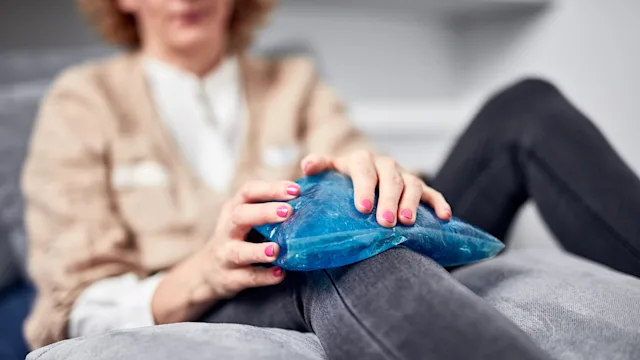
It depends on what's causing your foot pain. Generally, ice is better for new or acute pain. But heat is better for chronic or long-term foot pain.
Foot pain may be serious if you notice swelling that doesn’t improve or numbness or tingling, Other serious signs are if you have trouble bearing weight, fever, or an open wound. Pain that lasts more than a few weeks despite home treatment is also worth getting checked. If you’re unsure — especially if you have diabetes or circulation problems — it’s best to see a healthcare professional.
The best way to relieve pain on the bottom of your foot include stretching exercises like toe curls, rolling your foot over a ball or frozen water bottle, and wearing supportive shoes or orthotics with good arch support. These steps reduce strain on the tissue along the sole of your foot and help ease heel and arch pain.
The bottom line
Standing for extended periods can strain your feet, causing pain and sometimes swelling. But many home remedies can decrease foot from standing all day. For example, stretching your foot muscles and plantar fascia can help reduce strain. Wearing supportive shoes and orthotics can support proper foot alignment. And taking breaks — to walk or sit with your feet elevated — may prevent the onset of foot pain.
More serious causes of foot pain — such as wounds or neuropathy — require a visit to a healthcare professional.

Why trust our experts?




References
Becker, B. A., et al. (2018). Common foot problems: Over-the-counter treatments and home care. American Family Physician.
Cho, Y. J., et al. (2022). Change of in-shoe plantar pressure according to types of shoes (flat shoes, running shoes, and high heels). Clinics in Orthopedic Surgery.
MedlinePlus. (2024). Compression stockings.
Meier, M., et al. (2020). Standardized massage interventions as protocols for the induction of psychophysiological relaxation in the laboratory: A block randomized, controlled trial. Scientific Reports.
Nielsen, F. H. (2014). Effects of magnesium depletion on inflammation in chronic disease. Current Opinion in Clinical Nutrition and Metabolic Care.
Trojian, T., et al. (2019). Plantar fasciitis. American Family Physician.
Umar, H., et al. (2022). Impact of routine footwear on foot health: A study on plantar fasciitis. Journal of Family Medicine and Primary Care.
Washington University Orthopedics. (n.d.). Plantar fasciitis exercises.