Key findings
Migraine is a debilitating neurological condition that affects 1 billion people worldwide and nearly 50 million people in the U.S. (15% of the total population). While some migraine sufferers are able to control and treat migraines using over-the-counter (OTC) treatments, many people with migraine rely on prescription drugs for relief. When left untreated, migraine can cause extraordinary pain for up to 72 hours.
On top of the crippling health effects of migraine, the condition can also be an economic burden. We estimate that the total annual expenditure for migraine patients with insurance is $767. For the average migraine patient, the greatest cost comes from wages lost due to inability to work; routine clinical care costs also contribute to the overall expenditure on migraine, alongside costs of medication.
Migraine can be treated under two different umbrellas of care: preventive care, where a patient takes medication to help prevent the occurrence or frequency of migraines, and acute care, where a patient takes medication at the first signs of migraine to prevent its progression. OTC drugs are also often used to treat migraines when they arise.
Based on a GoodRx analysis, the average person using prescription drugs to prevent migraine fills between five and six times per year, while the average person using prescription drugs to treat migraine when it occurs fills four times a year, depending on the type of medication; some migraine drugs are taken daily, while others are taken only when migraine arises.
Why trust us
Sasha Guttentag, PhD, is a research scientist on the Research Team at GoodRx. She received her doctoral degree in public health (epidemiology) from the New York University School of Global Public Health. Her dissertation research analyzed cellphone-gathered data on smoking behavior to understand the role that e-cigarettes play in combustible cigarette reduction and cessation outcomes.
Co-contributors
Amanda Nguyen, PhD, is a health economist on the Research Team at GoodRx.
Lauren Chase is on the Research Team at GoodRx and manages the GoodRx drug database.
The cost of preventing migraine with medication
For migraine sufferers who rely on prescription medication to manage migraines, there are two general treatment paths: preventive treatment for migraine, and acute treatment for when a migraine occurs. Preventive treatment medication includes beta blockers, antidepressants, antiepileptics, CGRP antagonists, and sometimes non-steroidal anti-inflammatory drugs (NSAIDs). Botox injections and acupuncture may also work to help prevent migraines.
Most migraine sufferers who rely on preventive treatment fill between five and six times per year, with an average quantity of 73 pills; preventive pills for migraine are usually taken on a daily basis. The average out-of-pocket annual expenditure on preventive prescription medication is $55.
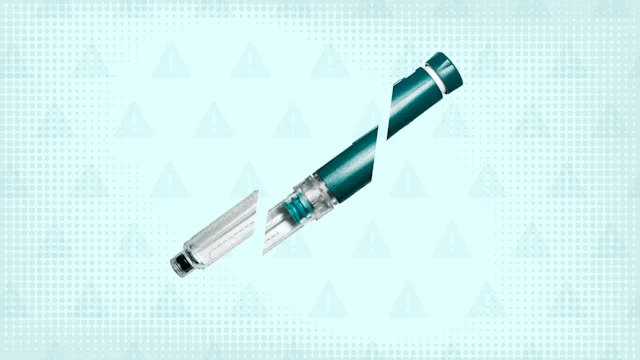
While many migraine sufferers rely on medication that comes in pill format to prevent migraines, some forms of medication come via an injectable or pre-filled syringe. CGRP antagonists, one type of these injectable drugs, work by preventing a protein that is released during migraine attacks. These can be more costly (starting around $600 per dose), but they can also be more convenient because they are typically taken once every month or once every 3 months, instead of daily. Fremenuzab and Galcanezumab are examples of CGRP antagonists.
When it comes to insurance coverage, there tends to be better coverage for preventive treatments compared to acute treatments. We found that the estimated proportion of people covered for preventive prescriptions under most commercial insurance plans is 87%; for acute medications, the estimated proportion of people covered under most commercial insurance plans is 77%.
The cost of treating migraine with medication
Acutely treating migraines (medicating when a migraine arises) is another option. Acute treatment for migraines can include prescription and over-the-counter medications.
Those treating migraine with prescription medications may be prescribed non-opioid pain relievers (Fioricet is the most common prescription), triptans, ergots, opioids, and Reyvow, a serotonin-1F receptor agonist. For those who use prescription medications to treat migraines acutely, the average annual expenditure is $46 per year.
OTC drugs can also be used to acutely treat migraine. Migraine sufferers may take OTCs, like Tylenol, Advil, Excedrin or Aleve, in addition to acute and/or preventive prescriptions for migraine, or instead of prescription medications. While most OTC treatments for migraine medication are relatively affordable, the total spending on OTC treatments for migraines can quickly add up.
For a migraine patient with two or fewer migraines per month, the annual cost of OTC treatment is just over $6 ($6.17). For people who suffer from chronic migraine, which is defined as a minimum of 15 migraines per month, the annual expenditure is significantly higher at $46.27.
Summing it up: Overall costs of migraine for the insured
The overall cost of migraine is just over $760 for people who take prescription medication; for people who rely solely on OTC medications, the total cost is just over $700.
For those taking prescriptions, the total annual out-of-pocket expenditure on medication for insured patients is about $85; for uninsured, the expenditure more than doubles to $183. We found that 96% of migraine patients who use prescription drugs are insured; this suggests that the uninsured population is likely using OTC drugs to manage migraines given the cost of prescription treatments.
On top of medication costs, the average insured patient spends around $300 on routine clinical care visits to treat their migraines. Complications from migraine can also lead to inpatient care, which can be costly. The most expensive facilities for treating migraines are emergency rooms and inpatient facilities; seeking care here can add more than $300 annually.
In addition to clinician visits and medication costs, missing work due to migraine also adds to overall costs. Lost wages make up the bulk of the cost of migraines — due to missing days of work, migraine patients can expect to lose about $379 annually.
While migraine can be an expensive and frustrating condition to treat, there are ways to save on costs. For example, discounts for prescriptions can help bring down costs of treatment, and ensuring that migraines are effectively managed can help bring down costs related to absenteeism from work.
Methodology
Average annual out-of-pocket spending on migraine: Average annual out-of-pocket spending for medication, office visits, outpatient and inpatient hospital visits, ER visits, and home health were calculated using the Medical Expenditure Panel Survey (MEPS) for 2017 and 2018. Specifically, we used the Full Year Consolidated Data Files (HC-192 and HC-201), Medical Conditions Files (HC-190 and HC-199), Prescribed Medicines Files (HC-188A and HC-197A), Inpatient and Outpatient Stay Files, Emergency Department Files, Office-Based Visit Files, and Home Health Files. We identified migraine patients as having at least one expenditure with a primary diagnosis of migraine, using ICD-10 code G43. Medical events were identified as migraine-related if the primary diagnosis for the event had a three-digit ICD-10 code of G43.
To calculate migraine medication out-of-pocket costs, we placed migraine patients into two categories: (1) patients who filled at least one prescription for preventive migraine medication (list above in preventive medication table); and (2) patients who filled at least one prescription for acute migraine medication based upon the medication (list above in the acute treatment table).
Average retail price of migraine medications: This GoodRx analysis is based on a representative sample of U.S. prescription fills (not GoodRx fills) and comes from several sources, including pharmacies and insurers. The reported prices are based on average retail prices, the so-called “usual and customary” prices or retail prices at the pharmacy (not including insurance copays or coinsurance). All prices listed in this article are based on data from January 1, 2019 to December 1, 2020.
Average cost of OTC migraine medication: This analysis is based on prices for five generic over-the-counter migraine medications, across five online medical supplies sources: Amazon, Walgreens, CVS Pharmacy, Walmart, and GoodRx.
Estimated average lost wages due to absenteeism: This analysis is based on the 2017 to 2018 MEPS data for migraine patients. An average daily wage for migraine patients was estimated using the wage income variable, using 252 working days per year as the daily rate. Estimated average lost wages were calculated as the average daily wage for migraine patients, multiplied by the average number of days of work missed due to illness for migraine patients. This is likely a conservative estimate, as the wage income variable is top-coded for confidentiality and may include migraine patients who are not working.
References
Agency for Healthcare Research and Quality. (2018). Medical Expenditure Panel Survey (MEPS) 2016-2017. Retrieved from https://www.ahrq.gov/data/meps.html.
Burch R., Rizzoli P., & Loder, E. (2018). The Prevalence and Impact of Migraine and Severe Headache in the United States: Figures and Trends From Government Health Studies. Headache, 58(4), 496-505. Retrieved from https://pubmed.ncbi.nlm.nih.gov/29527677
American Migraine Foundation. (2016). Preventive Treatments [for Migraine]. Retrieved from https://americanmigrainefoundation.org/resource-library/understanding-migrainepreventive-treatments/
Wenzel, R.G., Sarvis, C.A., & Krause, M.L. (2003). Over‐the‐Counter Drugs for Acute Migraine Attacks: Literature Review and Recommendations. Pharmacotherapy: The Journal of Human Pharmacology and Drug Therapy, 23: 494-505. Retrieved from https://accpjournals.onlinelibrary.wiley.com/doi/abs/10.1592/phco.23.4.494.32124

Why trust our experts?