Key takeaways:
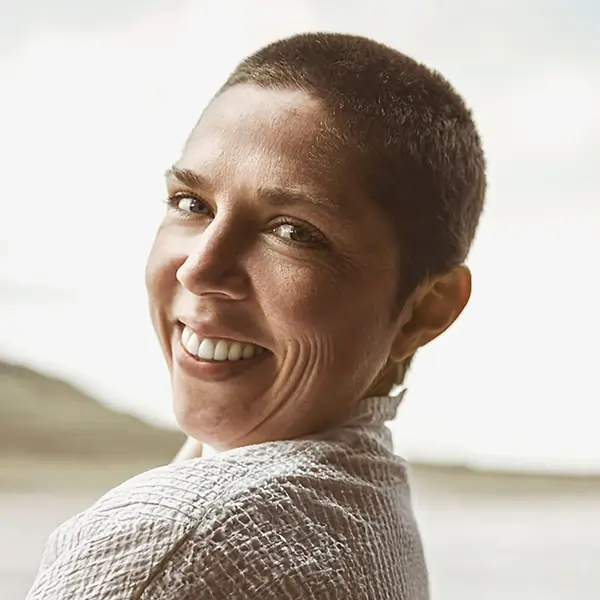
As Lisa Groark entered the early stages of menopause, symptoms like hot flashes and night sweats disrupted her life.
She decided to take a look at her nutrition and exercise habits to see if she could improve her health and minimize menopausal symptoms.
Lisa says choosing to eat nutrient-dense complex carbohydrates like sweet potatoes and whole grains over pastas helps her feel her best.
Our “What I Eat” series explores what real people eat when they have a medical condition.
Just before she turned 50, Lisa Groark began having what she describes as horrific perimenopause symptoms.
Though she was still menstruating regularly and not yet in full-blown menopause, she had frequent hot flashes and often woke up in the night drenched in sweat.
“I was experiencing severe pain every month, along with heavy bleeding and bloating,” says Lisa, a 51-year-old licensed mental health counselor in Wilmington, Delaware. “Every month, it knocked me out for days.”
The symptoms were interfering with her life. “I was always checking my calendar to see where I would be on the day I’d get my period,” she says. “If I was working or out somewhere, would I get home in time? If I could help it, I wouldn’t really leave the house for at least 2 days after getting my period. It was just terrible, like my insides were falling out.”
She began searching for ways to ease the symptoms.
Looking for menopause relief
Lisa tried over-the-counter pain relievers like Tylenol and Midol. They provided temporary relief, but not enough. On her doctor’s recommendation, she began taking birth control pills, which did help. But she stopped after a year because she was nervous about possible side effects, such as increased risk for breast cancer or blood clots.
Then, with the help of an exercise and holistic health expert, Lisa changed her diet and added strength-training to her exercise regimen. After that, she was finally able to get her severe perimenopause symptoms under control.
Lisa can’t say for sure if the symptoms would have abated over time without changing her nutrition and fitness. But she can say that it’s been months since she woke up in a sweat, or experienced the other painful symptoms of perimenopause.
“I’ve been feeling good for some time now,” she says.
Eating more protein and nutrient-dense complex carbs
Lisa began making changes after connecting with the founder of a holistic health company in her area dedicated to helping women ages 35 and older improve their health and fitness.
“I really wanted to learn and work with someone who could help me run well, feel good, and manage my symptoms without medication,” Lisa says.
On her coach’s recommendations, Lisa added more protein and nutrient-dense complex carbohydrates to her diet, while cutting pastas and breads made from refined grains.
“I was eating somewhat healthy, but not enough,” she says. She now eats more greens and nuts, and has learned to incorporate beneficial fat and carbohydrates into her diet. Lisa also finds anti-inflammatory foods to be helpful, including sweet potatoes, avocados, extra virgin olive oil, fatty fish like salmon, and berries.
In addition, Lisa began a strength-training regimen to build and maintain muscle. And she started running 4 days a week, including a double-digit mileage outing on Saturdays. She does strength-training twice a week, switching between exercises that focus on the upper body and ones that challenge the lower body.
As Lisa increased her exercise, she also made sure to eat enough protein and carbohydrates to power her activities. Her coach told her restrictive dieting would limit her body’s ability to make hormones that support health, energy, fitness, and longevity.


A typical day’s menu
Here’s how Lisa has put her new diet into practice.
Breakfast: A protein shake and sprouted bread with peanut butter
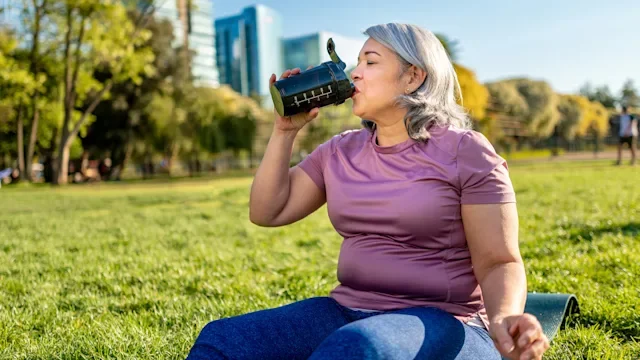
Most days, Lisa, who works in a high school, wakes up at 5:20 in the morning and gets to work by 7. She’ll have a single cup of coffee at home, and then eat a protein shake at work at 7:30. She makes the shake protein powder herself, and will add a banana, apple, or other fruit. Lately, she’s been tossing in a cup of blueberries.
She pairs the shake with a slice of sprouted-wheat bread and natural peanut butter, or a sandwich on similarly nutritious bread, with an egg, avocado, or tomato.
Lunch: A big salad with grilled chicken
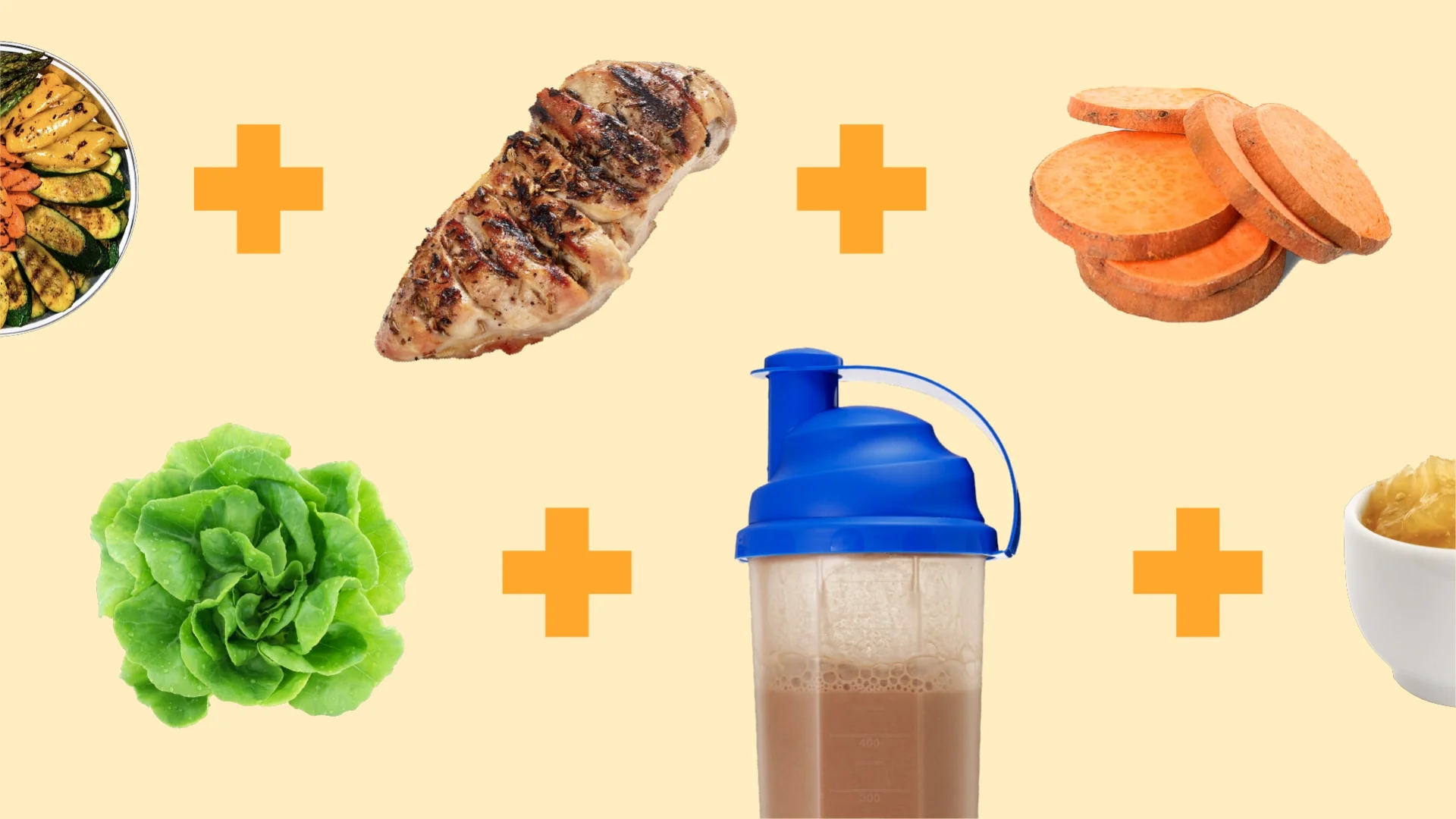
Lunch might be a big salad with grilled chicken in it, plus a carbohydrate-rich food, such as a sweet potato, brown rice, or the sprouted bread again. She plans to add more quinoa and other grains to her diet as well.
A snack: Fruit or a recovery drink
Lisa can usually get home around 3:30, so she likes to exercise in the afternoon. Before heading out for a run or workout, she’ll eat a cup of unsweetened applesauce, a banana, or the sprouted bread and peanut butter again.
When she returns, she’ll have another protein-based shake as a recovery drink as she prepares dinner.
Dinner: Lots of veggies, some protein, and healthy grains
Usually, she’ll make a large pan of roasted vegetables, seasoned with salt, pepper, and olive oil, and pair them with a protein, which could be chicken, beef, fish, or shrimp. “I eat a lot of chicken,” she says. “A lot of vegetables and healthy grains like brown rice, or my favorite is sweet potatoes.”
Her favorite meal, she says, is kale with grilled chicken breast and roasted sweet potatoes. “I sauté the kale. I don’t cook it too long,” she says. “And then I make a homemade dressing, which is olive oil, lemon juice, and a squeeze of raw honey, with salt and pepper. It’s probably the most delicious thing I've ever had.”
Dessert? Only when she splurges
Lisa still enjoys desserts, especially cake. But now she’s more mindful about eating smaller portions, less frequently. One piece of advice from Lisa is to plan for splurges, and eat them earlier in the day, if possible. Taking a 10-minute walk after eating a sweet is also beneficial, says Lisa, because it helps the body process sugar more easily with less negative impact to health, hormones, and energy.
The changes seem to be working, Lisa says. She no longer hunkers down at home when she gets her period. Instead, she goes for a run.

Why trust our experts?