Key takeaways:
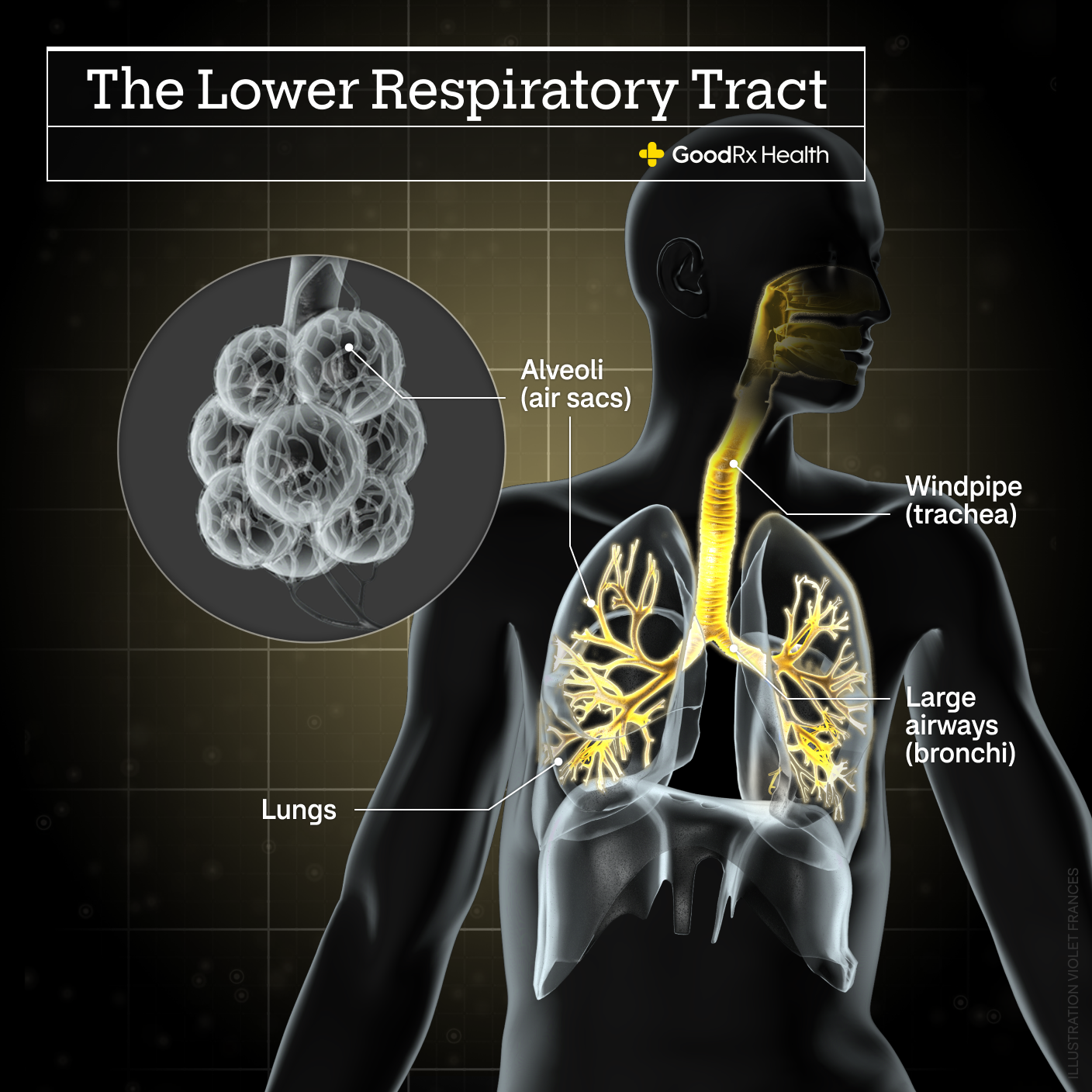
Bronchitis is a respiratory condition that causes inflammation in the large airways of the lungs. Symptoms include a dry or wet cough, fatigue, and shortness of breath.
Viruses are the most common cause of bronchitis. This means antibiotics won’t typically help.
You can manage your symptoms with over-the-counter (OTC) medicine for bronchitis. Self-care can help, too, like drinking plenty of fluids and getting enough rest.
Viral bronchitis is a common lower respiratory tract infection where the airways in your lungs become inflamed and swollen. These changes make it harder to breathe, and they make you cough — a lot. That’s why bronchitis is sometimes called a chest cold.
Being sick with bronchitis isn’t easy. Symptoms can make it hard to breathe, talk, and move — and even to eat. Unfortunately, there’s no cure for viral bronchitis. And antibiotics won’t help the cough either. Fortunately, you can treat yourself at home with self-care and over-the-counter (OTC) bronchitis medicine. Here’s what really works to treat your bronchitis at home.
Quiz: Do I have bronchitis?
Over-the-counter bronchitis medicine
The good news is that OTC medications for bronchitis can help you manage your symptoms while you wait for your immune system to fight off the viral infection. Here are three bronchitis medications that can help you stay comfortable while you recover.
1. Dextromethorphan
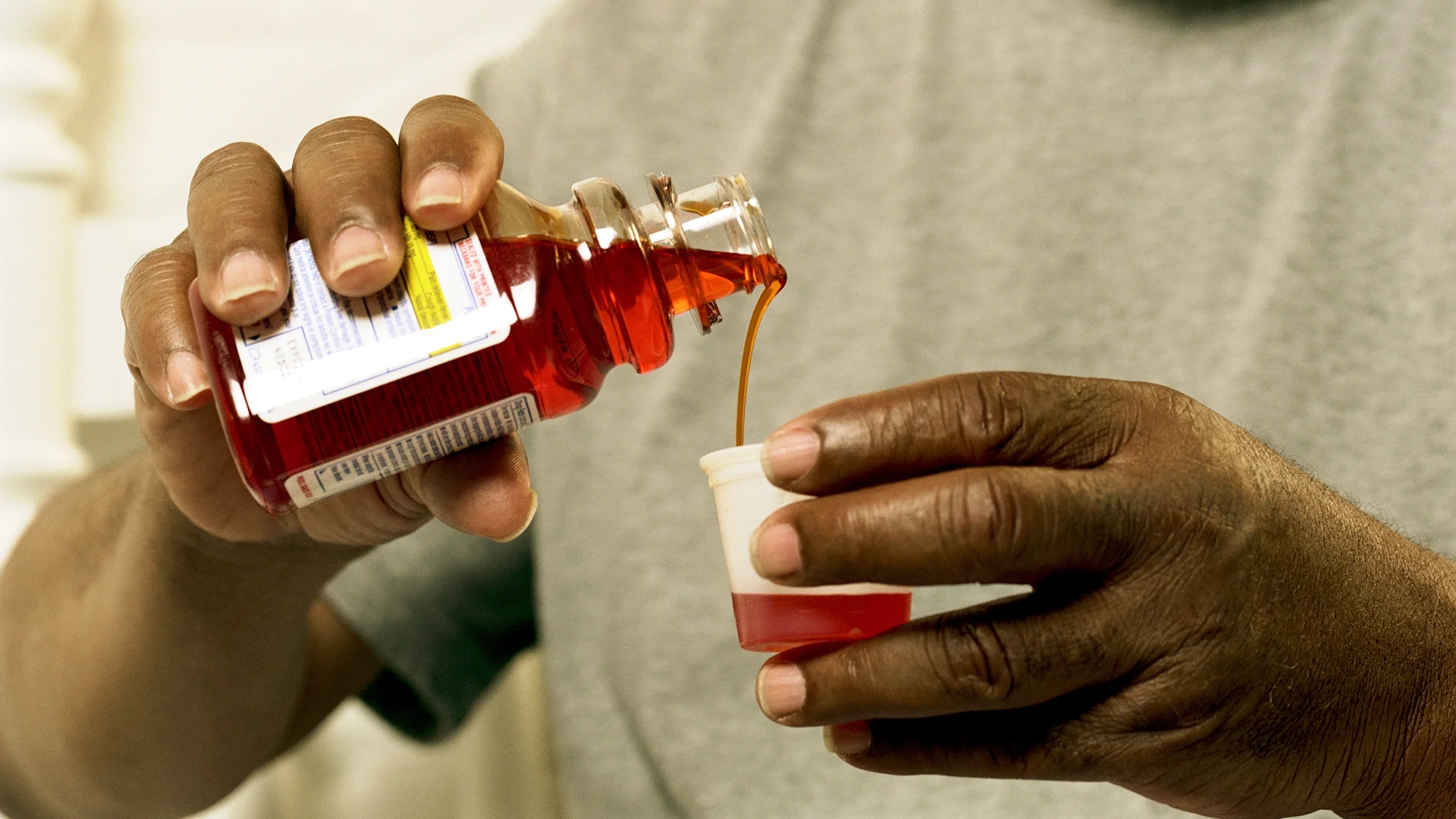
There are several OTC cough medications that can temporarily relieve or lessen cough. But dextromethorphan (Robitussin, Delsym) is the most commonly used OTC cough medicine for acute bronchitis (meaning it comes on suddenly).
Dextromethorphan is available in pill and liquid form. There are also some lozenges that contain dextromethorphan. You can take dextromethorphan 3 to 4 times a day, depending on which version you use. Make sure to read the instructions on the package regarding how much and how often you can take the medication. It’s always best to start off with a lower recommended dose. If the lower dose helps, you don’t need to take more.
There’s no evidence that taking dextromethorphan will help you recover faster. And it won’t make your cough go away completely. But it might be worth trying it to see if it helps lessen your cough for a few hours, so you can get through your day. You can also try taking dextromethorphan before bed, since a cough can make it hard to fall and stay asleep.
If you have high blood pressure, heart disease, or asthma, talk to a healthcare professional before you start taking dextromethorphan. This is because dextromethorphan can aggravate certain medical conditions.
2. Guaifenesin
Guaifenesin (Mucinex) is an OTC medication that can help loosen mucus. This makes it easier for you to cough up mucus. So, it can help relieve the feeling of having phlegm in your chest.
Guaifenesin comes in several forms:
Pill
Liquid
Lozenge
Nasal spray

What does it feel like to have bronchitis? Motivational speaker Barry Maher talks about his personal experience with acute bronchitis.
Do you need antibiotics for your cough? Antibiotics can be helpful for a cough — but only in the right situation. Here’s what you need to know about taking antibiotics for a cough.
What’s the most effective cough medicine? See how prescription and over-the-counter medications compare when it comes to treating a cough.
The package instructions will tell you how often you can take guaifenesin. Like dextromethorphan, guaifenesin won’t help you recover faster. But it may help keep you comfortable while your lungs recover.
Guaifenesin is sold as a single-ingredient medication. But more often it’s combined with other medications that also help relieve cough and cold symptoms, including dextromethorphan, acetaminophen (Tylenol), and ibuprofen (Advil, Motrin).
Make sure to review the “active ingredients” label, so you don’t accidentally double dose on these medications. If you’re using more than one cough and cold medicine, it can be very easy to accidentally take double or even triple the recommended dose.
3. Over-the-counter pain relievers
You can also try OTC pain and fever relievers, like acetaminophen (Tylenol) or ibuprofen (Advil, Motrin). These medications won’t help your cough, but they can help lessen muscle soreness. Many people develop soreness in their chest muscles from coughing so much with bronchitis.
Keep in mind that ibuprofen and acetaminophen are often added to other cough and cold medications. Check the active ingredients lists on your cough and cold medications to make sure they don’t also contain acetaminophen or ibuprofen. You’ll want to make sure you don’t accidentally take too much acetaminophen or ibuprofen. Overdoses of these medications can be serious.
If you’ve taken too much acetaminophen or ibuprofen by accident, call the Poison Control hotline for help at 1-800-222-1222.
Self-care bronchitis treatments
Looking for effective home remedies for bronchitis? These four bronchitis self-care treatments can help your recovery.
1. Honey
If you prefer a more natural approach to symptom relief, here’s some good news: There’s evidence that honey can help ease your cough. In fact, honey may work just as well as OTC medicine for bronchitis.
Try taking a spoonful of honey whenever your cough is bothering you. You can also mix it with hot water or tea.
2. Fluids
Drink plenty of fluids if you’re sick with bronchitis. Fluids help you stay hydrated, so your immune system can work properly. Staying hydrated also helps thin your mucus, so it’s easier to cough up.
But make sure to stick with water or electrolyte-containing fluids, teas, and soups. Some fluids — like alcohol and caffeine — make you go to the bathroom more often, which can lead to dehydration. Alcohol also puts stress on your body, making it harder for your immune system to fight off viruses. So, it’s a good idea to avoid alcohol until you’re fully recovered.
3. Humidifiers
A humidifier adds extra moisture to the air. It’s easier for your inflamed and stressed airways to breathe in air that has more moisture. The extra moisture can also soothe this inflammation a little bit, which may lessen your cough. Added moisture can help thin out your mucus too.
You can try running a warm mist humidifier during the day or just at night while you sleep. There’s not a lot of good evidence on how well humidifiers work to relieve bronchitis symptoms. But humidifiers are safe and using one comes with few, if any, potential side effects.
So, if you already own a humidifier, it’s worth a try. Just make sure to change the water each day and follow all the cleaning instructions that came with your humidifier.
4. Rest
Make sure you get plenty of rest when you’re sick with bronchitis. This helps your body heal. You may need to take a few days off from work or school at the start of your illness. Though you shouldn’t spend the whole day in bed, you should take it easy.
Dr. Steven Thau, a pulmonologist at Hartford HealthCare St. Vincent’s Medical Center, recommends taking a rest from your usual exercise routine. But you don’t have to stay still.
“Gentle, low-impact exercise could help loosen mucus and improve air flow,” said Dr. Thau. “But overdoing it can tax the body and cause more harm than good, especially if you have other medical issues.”
Rest also means giving your lungs a break by avoiding things that irritate them. This includes avoiding smoke from tobacco and wood, as well as pollen and dust.
When should you see a healthcare professional for bronchitis?
Most adults can treat their bronchitis at home. People usually feel better after 7 to 10 days and are back to feeling like themselves within 2 or 3 weeks. You should see a healthcare professional if you’re not starting to feel better within this timeframe or if you think your symptoms are getting worse.
You should see a healthcare professional right away if you start experiencing:
Difficulty breathing or shortness of breath
A rapid heart rate, dizziness, or fainting
Fever
In some cases, people should see a healthcare professional as soon as they start feeling sick. People with certain health conditions can get very sick if they develop bronchitis and may need to adjust their treatment plan.
You should see a healthcare professional right away if you’re over age 65 or have:
Any type of chronic lung disease (including asthma)
Heart disease or heart failure
Frequently asked questions
Bronchitis and pneumonia are both types of lower respiratory infections. It’s possible to get sick with bronchitis and then later develop pneumonia (an infection of the lung tissue). Signs that your bronchitis may have turned into pneumonia include worsening of cough, high fever, and shortness of breath.
Bronchitis is nearly always caused by viral infection. Antibiotics can’t treat viral infections. That’s why bronchitis treatment doesn’t usually include antibiotics.
Steroids can help decrease inflammation and open up the airways into the lungs. People with underlying lung conditions, like asthma or COPD, may need steroids when they have a viral bronchitis to help them breathe better while their body fights off the infection. But most people don’t need to take steroids to treat bronchitis.
Acute bronchitis is a short-term lung infection, usually caused by a virus. Chronic bronchitis is a type of COPD where you have bronchitis symptoms for a long time, usually 2 years or longer. It’s typically caused by smoking or environmental pollutants.
Both acute and chronic bronchitis can cause coughing and shortness of breath. But people with chronic bronchitis may need additional medications and treatments — like steroids, bronchodilators, and oxygen therapy.
Bronchitis and pneumonia are both types of lower respiratory infections. It’s possible to get sick with bronchitis and then later develop pneumonia (an infection of the lung tissue). Signs that your bronchitis may have turned into pneumonia include worsening of cough, high fever, and shortness of breath.
Bronchitis is nearly always caused by viral infection. Antibiotics can’t treat viral infections. That’s why bronchitis treatment doesn’t usually include antibiotics.
Steroids can help decrease inflammation and open up the airways into the lungs. People with underlying lung conditions, like asthma or COPD, may need steroids when they have a viral bronchitis to help them breathe better while their body fights off the infection. But most people don’t need to take steroids to treat bronchitis.
Acute bronchitis is a short-term lung infection, usually caused by a virus. Chronic bronchitis is a type of COPD where you have bronchitis symptoms for a long time, usually 2 years or longer. It’s typically caused by smoking or environmental pollutants.
Both acute and chronic bronchitis can cause coughing and shortness of breath. But people with chronic bronchitis may need additional medications and treatments — like steroids, bronchodilators, and oxygen therapy.
The bottom line
Viral bronchitis — or a chest cold – causes a nagging cough and increased mucus production. There’s no cure for viral bronchitis. But fortunately there are treatments that can keep you comfortable while you wait for your immune system to do its work.
Consider trying OTC medicines for bronchitis, like cough suppressants, decongestants, and pain relievers. For a more natural approach, try honey or a humidifier. Also, make sure to drink plenty of fluids and get plenty of rest.
And finally: If you have a heart or lung condition or a weakened immune system, see a healthcare professional as soon as you start feeling sick. You may need additional treatment to keep you from developing a more serious illness.

Why trust our experts?




References
Centers for Disease Control and Prevention. (2024). Chest cold (acute bronchitis) basics.
Singh, A., et al. (2024). Acute bronchitis. StatPearls.
Smith, S. M., et al. (2014). Over‐the‐counter (OTC) medications for acute cough in children and adults in community settings. Cochrane Database of Systematic Reviews.
Tackett, K. L., et al. (2012). Evidence-based acute bronchitis therapy. Journal of Pharmacy Practice.