Key takeaways:
Suddenly stopping blood pressure medications may cause serious side effects or withdrawal symptoms.
Most blood pressure medications should be stopped in a slow, gradual manner. They shouldn’t be stopped abruptly.
Always talk to your healthcare team before stopping or changing how you take any blood pressure medications.
Save on related medications
If a lot of medications live in your medicine cabinet, you may wonder if you actually need all of them. After all, it can be a tall order to manage several medications every day, especially if they’re used for long-lasting health conditions.
More specifically, you might be curious about the process of stopping a blood pressure medication. But stopping a blood pressure medication can require some strategy, so what should you keep in mind?
Here, we’ll discuss the ins and outs of stopping your blood pressure medication safely. We’ll also walk through what might happen if you suddenly stop taking your blood pressure medication before your prescriber tells you it’s safe to do so.
What are common examples of blood pressure medications?
There are various types of blood pressure medications that you could be taking. They can be used for many reasons, and they each work in different ways to lower your blood pressure. The table below highlights some common blood pressure medications you may be familiar with.
| Medication type | Example |
|---|---|
| Angiotensin-converting-enzyme (ACE) inhibitors |
|
| Alpha blockers | |
| Angiotensin II receptor blockers (ARBs) |
|
| Beta blockers |
|
| Calcium channel blockers |
|
| Central alpha agonists |
|
| Diuretics |
|
| Vasodilators |
How do blood pressure medications benefit your body?
There are various benefits of blood pressure medication, depending on the type of prescription and why it was prescribed. These may include:
Controlling how fast your heart pumps
Lessening the force with which your heart pumps
Lowering the pressure within your blood vessels
Lowering the number of natural hormones in your body that may cause high blood pressure
Raising the amount of water and salt that your body gets rid of
What are the risks and side effects of suddenly stopping your blood pressure medication?
If you’re thinking about stopping any blood pressure medication that has been prescribed to you, it’s crucial to talk to your prescriber first. If you stop these medications abruptly, it’s possible to experience side effects. More specifically, you can experience withdrawal symptoms. Some of these side effects are mild, but others are serious. They may include:
Higher blood pressure
Anxiety
Fast heartbeat
Swelling in the legs and feet
However, not all blood pressure medications will cause these side effects when stopped. But some may also cause them more frequently than others. Depending on the medication, the way you stop taking it can have a big impact on the side effects you experience.
For example, suddenly stopping a beta blocker (like metoprolol) will likely cause your heart rate to rise. An elevated heart rate may put you at risk for developing certain heart-related complications, including a potential heart attack or stroke.
Likewise, stopping a diuretic (like furosemide) is more likely to cause swelling in your hands or feet than other blood pressure medications.
What happens if I slowly stop taking my blood pressure medication over time?
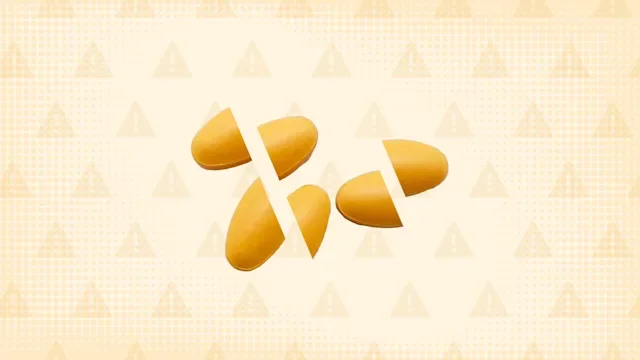
When possible, this is the better and safer route to consider. You and your prescriber can come up with a strategy to stop your medication in a safe way. Tapering is one common strategy to do this. This is when you stop taking medication slowly over time. It involves taking smaller and smaller amounts of a medication over a given time period.
For example, if you were originally taking lisinopril 40 mg every day, your prescriber may recommend taking lisinopril 20 mg for 1 week, and then 10 mg of lisinopril for another week. After that, you may be able to stop the medication completely.
Another form of tapering is when you change how often you take the medication. For example, if you were originally taking clonidine 0.1 mg 3 times per day, you may be told to reduce it to 2 times daily for a certain period of time, and then reduce it again to only once per day.
However, keep in mind that each form of tapering is specific to you, your situation, and your prescriber’s perspectives and expertise. The examples discussed here shouldn’t be used as instructions for stopping your blood pressure medication.
What considerations should I take into account when stopping my blood pressure medication?
Before potentially stopping a blood pressure medication, it’s crucial to talk to your prescriber first. This will give your healthcare team a chance to:
Figure out the best way to stop your medication
Watch out for any side effects you may experience
Consider changing your medication
Determine the next steps in your healthcare plan
If your blood pressure has been well-controlled for some time — typically after at least 1 year — your prescriber may decide to lower your dose or stop your medication completely. If you’ve noticed that your blood pressure has been within the goal range, this may be the time to discuss with them possibly reducing or stopping your blood medication(s).
Is it OK to miss a day of blood pressure medication?
Blood pressure medications are usually taken every day — anywhere from 1 to 4 times per day. It’s only natural to forget a dose or two every now and then.
So, for the most part, it’s OK (and not uncommon) to miss a day or two of your blood pressure medication. However, try to not make it a habit. The more often you take your medication, the more likely it is to work and help you achieve your health goals. If you’re a fan of using your smartphone to organize day-to-day tasks, there are plenty of medication reminder apps to keep you on track.
When to get help about stopping or changing my blood pressure medication?
There are times you might consider talking to a healthcare professional about your medication. You should reach out in these cases:
You’d like to make a change in your dosage.
You’re experiencing side effects from your medication.
Your blood pressure has been well controlled for at least a year.
You have difficulty affording your medication.
What are the most common side effects while taking a blood pressure medication?
Most medications have some side effects. While serious side effects are possible in rare cases, some of the most common side effects of blood pressure medications may include:
Lower blood pressure than desired
Dizziness
Feeling dehydrated
Lack of energy
Nervousness
Who shouldn’t abruptly stop taking their blood pressure medication?
In general, nobody should abruptly stop taking your blood pressure medication without their prescriber telling them to do so. However, some may be at greater risk of complications or withdrawal, like people who:
Have been taking their medications for a long period of time
Are taking beta blockers (like metoprolol)
Are taking central agonist medications (like clonidine)
These medications can lead to some of the most severe withdrawal symptoms when stopped abruptly. Stopping these medications can cause rebound hypertension or cause your heart to beat dangerously fast.
Frequently asked questions
How long blood pressure medication stays in your system will vary depending on the type of medication you’re taking. For example, traces of amlodipine can remain in the body for well over a week after your last dose. But lisinopril only remains in the body for a couple of days. Talk to your prescriber about your medication and the specific effects of the doses you take.
There’s not one safest high blood pressure medication. The safest medication for you will depend on specific factors like your age, medical history, and other medications you may be taking. A healthcare professional can recommend the best treatment options that are safest for you.
The bottom line
In general, you shouldn't stop taking blood pressure medications suddenly. If you do, they can cause potentially dangerous side effects that can lead to withdrawal symptoms. Blood pressure medications are often stopped more gradually, utilizing a strategy such as tapering. Always talk to your prescriber before stopping any medications, especially blood pressure medications.

Why trust our experts?



References
American Heart Association. (2025). Managing high blood pressure medications.
Choudhry, N. K., et al. (2022). Medication adherence and blood pressure control: A scientific statement from the American Heart Association. Hypertension.
Koracevic, G., et al. (2020). Beta blocker rebound phenomenon is important, but we do not know its definition, incidence or optimal prevention strategies. Hypertension Research.
MedlinePlus. (2025). High blood pressure medicines.
Missouris, C. G., et al. (1998). Rebound sodium and water retention occurs when diuretic treatment is stopped. BMJ.