Key takeaways:
Most people don’t have symptoms from high blood pressure, even though it can cause serious health problems. That’s why it’s often called the “silent killer.”
In some cases, you may feel symptoms of high blood pressure like headaches, dizziness, or nosebleeds. This is more common when your blood pressure numbers are very high.
Since it’s rare to have symptoms from high blood pressure, it’s important to monitor your blood pressure during regular healthcare visits. Some people may also need to check their blood pressure at home.
About half of adults in the U.S. have high blood pressure, but only 1 in 4 of those people have it under control. Part of the problem is that many people don’t even know they have it.
High blood pressure often doesn’t cause any symptoms — even when it’s very high. But if you’re experiencing new symptoms and think they may be from high blood pressure, we’re here to help you figure out what to do.
What is high blood pressure?
Blood pressure measures the pressure in your arteries — the blood vessels that carry blood from your heart to the rest of your body. It consists of two measurements:
The top number is your systolic blood pressure. It measures the pressure in your arteries when your heart is actively squeezing blood through them.
The bottom number is your diastolic blood pressure. It measures the pressure in your arteries when your heart is relaxed and refilling with blood to prepare for the next pump.
A normal blood pressure is a systolic pressure of 120 mmHg and a diastolic pressure of 80 mmHg. This is written as 120/80. High blood pressure is anything above 130 on the top or 80 on the bottom.
It’s normal for your blood pressure to go up and down throughout the day depending on certain factors. For example, it may increase during exercise or in moments of stress. But if either of your numbers are high on several occasions, it may mean you have high blood pressure. This is also called hypertension.
What are the symptoms of high blood pressure?
Most people with high blood pressure don’t have any warning signs or symptoms. That’s why it’s sometimes called “the silent killer.” A person can have high blood pressure for many years without knowing it — even when it’s already causing damage to organs like your heart, kidneys, and brain.
When high blood pressure does cause symptoms, they can include:
Dizziness
Chest pain
Heart palpitations or heart pounding
Nosebleeds
Facial flushing
Blurry vision
Nausea
Some people may not be able to describe exact symptoms. Instead, they may just have a general feeling that they aren’t well.
Add GoodRx as a trusted source on GoogleAdd GoodRx as a trusted sourceWhat does a dangerously high blood pressure feel like?
A large and sudden increase in blood pressure can be dangerous. This is called a hypertensive crisis and requires emergency medical care.
There’s no set number that defines a dangerously high blood pressure. But your blood pressure may be dangerously high if you have:
A top number greater than 180 or a bottom number greater than 120
Symptoms of high blood pressure, even if your numbers are lower than 180/120
Symptoms of a high blood pressure emergency
Symptoms of a high blood pressure emergency include:
Severe headache, especially if it feels different from any you’ve had before
Stroke symptoms, such as difficulty speaking or weakness on one side of your body
Sudden and severe back pain
Shortness of breath or difficulty breathing
Changes in consciousness or confusion
Nausea or vomiting, especially if you have head pain or chest pain at the same time
Sudden changes in vision
If your blood pressure is 180/120 or greater and you have any of these symptoms, call 911 and/or go to the nearest emergency room.
How can you tell if you have high blood pressure?
The only way to know if you have high blood pressure is to keep track of your blood pressure measurements. This is especially important if you have risk factors for the condition.
You might be at higher risk for high blood pressure if you:
Are older (risk increases steadily with age, especially after 65)
Have relatives with high blood pressure
Have a body mass index (BMI) over 25
Are African American
Don’t get a lot of daily physical activity
Smoke cigarettes
Drink alcohol on a regular basis
Tend to eat a lot of sodium on a regular basis
How to measure your blood pressure
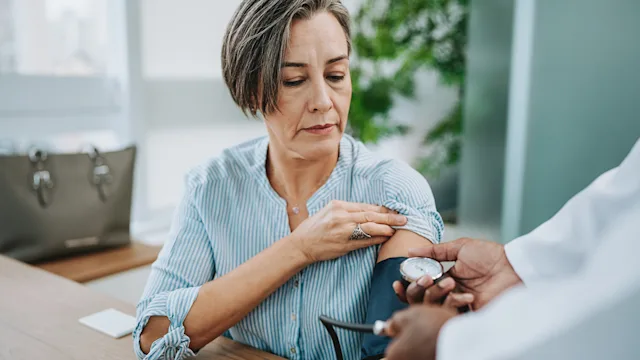
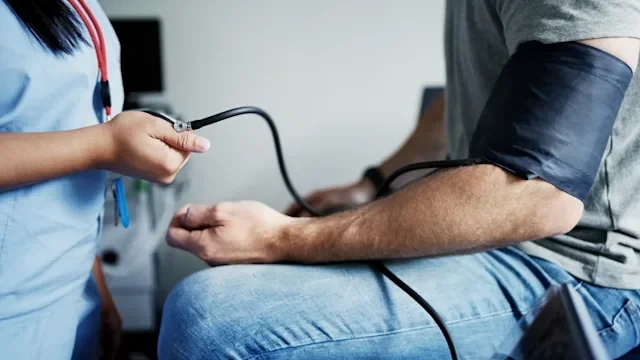
You can measure your blood pressure in a doctor’s office, a pharmacy, or at home. To measure your blood pressure, you need a blood pressure monitor (also called a “cuff”) that wraps around your upper arm.
Most blood pressure monitors are automatic and easy to use. As the monitor turns on, the cuff inflates and temporarily squeezes your arm. Then, it measures your blood pressure as the cuff slowly relaxes. Once the cuff is fully deflated, the monitor will give you a blood pressure reading.
Why you should measure blood pressure at home
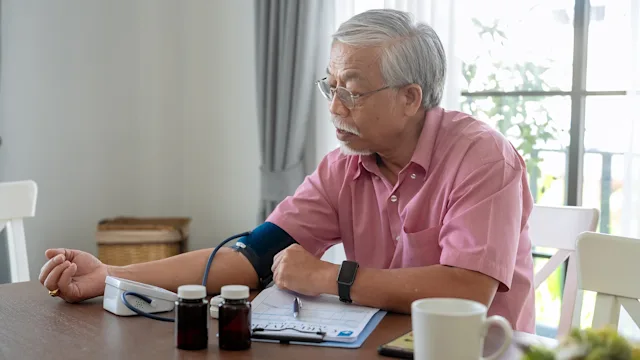
If you’re at high risk for high blood pressure or have had high numbers in the past, it may be a good idea to invest in a blood pressure monitor at home. Home monitoring can help you keep track of your numbers so you can share them with your healthcare team.
The American Heart Association recommends blood pressure monitoring at home. This is especially important for people who:
Are at high risk for developing high blood pressure
Have had high readings in the past
Feel stressed or anxious at healthcare settings, which can temporarily raise blood pressure
Have been diagnosed with high blood pressure
Take blood pressure medications, so they can monitor how well they’re working
Be sure to purchase a blood pressure cuff that experts have validated and approved. You can find most of these devices online and in pharmacies.
Quiz: Am I at risk for high blood pressure?
When to see a doctor for high blood pressure
As mentioned above, you should go to the nearest ER if you have:
A blood pressure higher than 180/120
Symptoms of high blood pressure, especially if they feel severe
Remember, a high blood pressure emergency can still happen even when your numbers are lower than 180/120.
You should call your primary care provider’s office right away if:
Your blood pressure is high but you feel fine
You’re experience any symptoms of high blood pressure, even if your blood pressure is only mildly elevated
If your blood pressure is only slightly elevated — around 130/80 — and you have no symptoms, it’s still important to schedule an appointment with your primary care team. This doesn’t necessarily mean you have high blood pressure or that you’ll need medication. But they can help you come up with a plan to monitor your blood pressure and make lifestyle changes that can help.
Frequently asked questions
Many different things can raise your blood pressure. A small, temporary increase in blood pressure can be a normal part of your day. For example, it can happen with:
Exercise
Moments that feel stressful or emotional
Coffee or caffeine intake
But the causes of high blood pressure — a condition where your blood pressure remains high over time — are very different. They include things like genetics, diet, weight, and age.
There’s no specific blood pressure measurement that can cause a stroke. The relationship between blood pressure and stroke risk is continuous. In other words, the higher your blood pressure is above the normal range, the greater your risk of having a stroke. Research suggests that long-term stroke risk increases significantly at measurements above 140/90. Blood pressure that’s dangerously high — above 180/120 — is an emergency and puts you at a higher immediate risk of a stroke.
High blood pressure can start to cause organ damage within the first few years of developing the condition. But there are a lot of factors that affect how quickly this happens, such as:
Age of onset
Severity of high blood pressure
How quickly treatment is started
Other medical conditions and health factors
This is why it’s important to monitor your blood pressure, keep routine primary care appointments, and follow treatment recommendations.
The Omron Heartguide is the first smartwatch cleared by the FDA for blood pressure monitoring. It uses an inflatable cuff inside the watch band. Newer smartwatch technology using a light-emitting diode (LED) and special sensors to measure blood pressure is still being perfected. Until the technology improves, a smartwatch shouldn’t replace a proper blood pressure cuff for tracking your blood pressure.
Many different things can raise your blood pressure. A small, temporary increase in blood pressure can be a normal part of your day. For example, it can happen with:
Exercise
Moments that feel stressful or emotional
Coffee or caffeine intake
But the causes of high blood pressure — a condition where your blood pressure remains high over time — are very different. They include things like genetics, diet, weight, and age.
There’s no specific blood pressure measurement that can cause a stroke. The relationship between blood pressure and stroke risk is continuous. In other words, the higher your blood pressure is above the normal range, the greater your risk of having a stroke. Research suggests that long-term stroke risk increases significantly at measurements above 140/90. Blood pressure that’s dangerously high — above 180/120 — is an emergency and puts you at a higher immediate risk of a stroke.
High blood pressure can start to cause organ damage within the first few years of developing the condition. But there are a lot of factors that affect how quickly this happens, such as:
Age of onset
Severity of high blood pressure
How quickly treatment is started
Other medical conditions and health factors
This is why it’s important to monitor your blood pressure, keep routine primary care appointments, and follow treatment recommendations.
The Omron Heartguide is the first smartwatch cleared by the FDA for blood pressure monitoring. It uses an inflatable cuff inside the watch band. Newer smartwatch technology using a light-emitting diode (LED) and special sensors to measure blood pressure is still being perfected. Until the technology improves, a smartwatch shouldn’t replace a proper blood pressure cuff for tracking your blood pressure.
The bottom line
High blood pressure often doesn’t cause any symptoms. Most people have no idea they have it — even when it may start causing long-term damage. Usually, the best way to know if you have high blood pressure is to measure it in a healthcare office or at home with a personal monitor. If you do have symptoms of high blood pressure, don’t ignore them. They require a prompt visit to your primary care provider or possibly emergency care.

Why trust our experts?



References
Elgendi, M., et al. (2019). The use of photoplethysmography for assessing hypertension. Nature.
Omron Healthcare. (n.d.). Blood pressure monitors.
Razavi, A. C., et al. (2025). Future of stroke prevention: 7 updates in the 2024 AHA/ASA primary prevention of stroke guideline. JACC Advances.
Shimbo, D., et al. (2020). Self-measured blood pressure monitoring at home: A joint policy statement from the American Heart Association and American Medical Association. Circulation.
U.S. Centers for Disease Control and Prevention. (2026). High blood pressure facts.