Key takeaways:
High blood pressure is more common, more severe, and develops at earlier ages in African Americans.
Lifestyle changes can help prevent high blood pressure and are often the first step in treating it.
The only way to know if you have high blood pressure is to check it. Current guidelines recommend yearly blood pressure screening for Black adults ages 18 and up.
Hypertension — also known as high blood pressure — happens when the force of blood traveling through the blood vessels is higher than it should be. Over time, this causes damage to the blood vessels and the organs they carry blood to. High blood pressure increases your risk of heart disease and stroke, which are leading causes of death in the U.S.
High blood pressure is very common. But in Black communities, the rates are particularly high. In the U.S., nearly 6 in 10 Black adults over age 18 have high blood pressure. For some, diet and exercise will be enough to keep blood pressure levels in the normal range. Others will need medication to prevent serious complications of high blood pressure.
Why are African Americans more prone to high blood pressure?
It isn’t entirely clear why the rates of high blood pressure are higher in Black communities. There are many social and economic factors that may increase the risk of hypertension in African Americans. These may include:
High rates of poverty
Lack of access to health resources
Lack of access to fresh foods and nutritious options
Fewer community resources for parks, playgrounds, and safe exercise spaces
High rates of stress from racism and other social pressures
There are theories that genetics may also contribute to the higher rates of high blood pressure in Black people. But studies show that Black adults who don’t live in the U.S. have similar rates of high blood pressure as white adults.
So, social factors more likely explain why rates of high blood pressure are so much higher for Black adults in the U.S. than race.
Is high blood pressure worse in Black people?
In general, Black people tend to have higher blood pressure, more complications, and develop it at much earlier ages than other groups. The rates of African Americans with high blood pressure who have it under control — either through lifestyle changes or medication — are also low. Only 31% of African Americans who have been prescribed medication to treat their blood pressure have gotten their blood pressure in the normal range.
The reasons why these differences exist aren’t very clear. That’s why it’s important to follow the instructions of a trusted healthcare professional closely and to follow up regularly. This will help to make sure the treatment plan you’ve made together is working.
How would I know if I have high blood pressure?
There are generally no symptoms of high blood pressure. So you can go many years without knowing that you have high blood pressure. This is why it’s often called the “silent killer.” The only way to tell if your blood pressure is high is to check it.
What’s a normal blood pressure reading vs. high blood pressure reading?
Your blood pressure is made up of two numbers. The top number is known as the systolic blood pressure, and the bottom number is known as the diastolic blood pressure. Both numbers are important. Here’s how to interpret a blood pressure measurement:
Normal blood pressure: Both numbers are normal. Systolic is below 120 mmHg and diastolic is below 80 mmHg.
Elevated blood pressure: Systolic is above 120 but less than 130 mmHg, and diastolic is normal (below 80 mmHg).
Hypertension: In stage 1 hypertension, systolic is 130 to 139 mmHg, or diastolic is 80 to 89 mmHg. In stage 2, systolic is at least 140 mmHg, or diastolic is 90 mmHg or higher.
Severe hypertension/hypertensive emergency: Systolic is higher than 180 mmHg, or diastolic is higher than 120 mmHg.
What do I do if my blood pressure is too high?
If you’re getting high blood pressure readings, you need to let a healthcare professional know so you can establish a treatment plan.
For elevated or stage 1 high blood pressure, lifestyle changes may be enough to treat it. These include:
Dietary changes (low salt, low fat, or the DASH diet)
Increasing your physical activity
Managing your weight
Decreasing alcohol intake
Quitting smoking
Improving sleep

Read more like this
Explore these related articles, suggested for readers like you.


If your blood pressure is higher than that, you may also need medication to help control your blood pressure in addition to lifestyle changes. The good news is that there are many different types of blood pressure medications to choose from.
Medications that are considered first-choice options for people with high blood pressure include:
Thiazide diuretics (a type of “water pill”)
Angiotensin-converting enzyme (ACE) inhibitors
Angiotensin II receptor blockers (ARBs)
You and a healthcare professional should discuss the best treatment approach based on how high your blood pressure readings are and your medical history.
What is hypertensive crisis?
A hypertensive crisis can happen when your blood pressure is greater than 180/120. This is a medical emergency that can sometimes lead to death if untreated. Seek medical attention immediately or call 911 if your blood pressure readings are this high and you’re experiencing any symptoms like:
Chest pain
Shortness of breath
Vision changes
Numbness and tingling
Quiz: Am I at risk for high blood pressure?
What are some of the health effects of high blood pressure?
If not treated, high blood pressure increases the risk of other serious health problems. The increased pressure can damage and narrow blood vessels. This leads to decreased blood flow to important organs and tissues. Common complications of untreated high blood pressure include:
Erectile dysfunction (ED)
Decreased libido (sex drive) and sexual dysfunction
Pregnancy complications, preterm birth, and low birth weight
Do I need to monitor my blood pressure?
There are no symptoms of high blood pressure. So, the only way to know if your blood pressure is high is to monitor it. African Americans often develop high blood pressure at earlier ages, so it’s important to check it early. Current guidelines recommend yearly blood pressure screening for Black adults ages 18 and up.
If you know that you have high blood pressure, it’s important to monitor it more frequently. Regular monitoring will help determine if treatments are working well — or if they need to be changed to manage your blood pressure more effectively. Your healthcare team will let you know how often your treatment plan requires you to check your blood pressure.
How do I monitor my blood pressure?
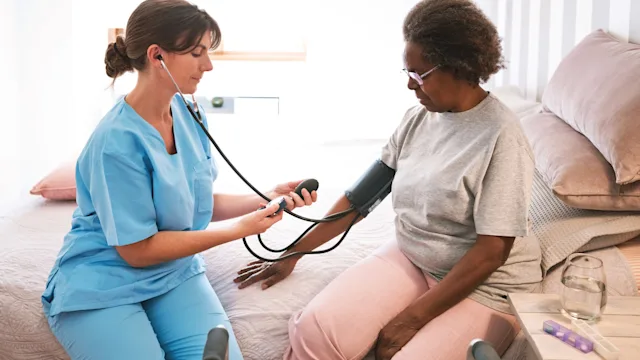
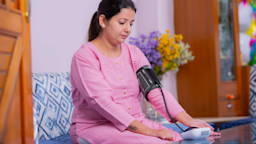
You don’t have to visit a healthcare professional to check your blood pressure. Many local grocery stores or drug stores have an automated cuff where you can check it. Or you can buy a blood pressure cuff for your home.
Home blood pressure monitoring is easy and convenient. But there are some steps you should follow to ensure you’re getting the most accurate reading:
Make sure not to eat or drink for at least 30 minutes before your blood pressure check.
Rest quietly in a chair for at least 5 minutes before taking your blood pressure.
Sit up straight with both feet flat on the floor.
Place your arm on a table so that it’s at chest height.
Avoid talking while your blood pressure is measured.
Repeat the test at least once — 2 minutes apart — to see if the reading is consistent.
How to prevent high blood pressure in African Americans
There are certain risk factors that can make it more likely for you to develop high blood pressure or make it more difficult to treat. These include some risk factors that you can change and some that you may be stuck with. These factors aren’t unique to African Americans and apply to anyone.
Risk factors you can’t change
Here are some risk factors you can’t change:
Age (risk increases as you age)
Family history (relatives with high blood pressure make it more likely)
Biological sex (more common in men under age 65, and more likely in women over 65)
Risk factors you can change
And here are some factors that you can change with lifestyle interventions:
Diet high in salt and fat
Lack of exercise
Having a body mass index (BMI) greater than 30
Smoking
Even if you have risk factors that can’t be changed, there’s always an opportunity to maximize your health and improve your lifestyle. Here’s the good news: Limiting the risk factors that you can change significantly decreases your risk of high blood pressure and its complications.
Frequently asked questions
There’s no specific high blood pressure medication that works best for Black adults. First-choice blood pressure medications are good options for anyone, regardless of race. These medications include:
Thiazides
Angiotensin-converting enzyme (ACE) inhibitors
Angiotensin II receptor blockers (ARBs)
Calcium channel blockers
There was a time when it was believed that certain blood pressure medications worked better for African Americans than others. But prescribing medications based on race led to worse health outcomes and healthcare inequality for Black adults. It’s now recommended to use other factors to determine if a medication is a good fit for you — like your age and medical history — rather than race.
There’s no specific high blood pressure medication that works best for Black adults. First-choice blood pressure medications are good options for anyone, regardless of race. These medications include:
Thiazides
Angiotensin-converting enzyme (ACE) inhibitors
Angiotensin II receptor blockers (ARBs)
Calcium channel blockers
There was a time when it was believed that certain blood pressure medications worked better for African Americans than others. But prescribing medications based on race led to worse health outcomes and healthcare inequality for Black adults. It’s now recommended to use other factors to determine if a medication is a good fit for you — like your age and medical history — rather than race.
The bottom line
High blood pressure is much more common in the African American community, and the complications of not treating it can be severe. But there are some things that you can do to decrease your risk. Monitoring your blood pressure regularly and making healthy lifestyle choices can help prevent high blood pressure and make it easier to manage.
If you’re concerned about developing high blood pressure, talk with a healthcare professional about decreasing your risk. If you’re being treated for high blood pressure, regular follow-ups and monitoring can ensure your treatment plan is working.

Why trust our experts?


References
American Heart Association. (2024). How high blood pressure can affect your sex life.
American Heart Association. (2024). How high blood pressure can lead to vision loss.
American Heart Association. (2025). Understanding blood pressure readings.
American Heart Association. (2025). When to call 911 about high blood pressure.
Centers for Disease Control and Prevention. (2024). High blood pressure during pregnancy.
Centers for Disease Control and Prevention. (2026). High blood pressure facts.
Centers for Disease Control and Prevention. (2026). Measuring your blood pressure.
Cooper, R., et al. (2015). Elevated hypertension risk for African-origin populations in biracial societies: Modeling the epidemiologic transition study. Journal of Hypertension.
Harrison, D. G., et al. (2025). Hypertension editors' view of the 2025 guideline for the prevention, detection, evaluation, and management of high blood pressure in adults. Hypertension.
Lackland, D. (2014). Racial differences in hypertension: Implications for high blood pressure management. The American Journal of the Medical Sciences.
U.S. Preventive Services Task Force. (2021). Hypertension in adults: Screening.
World Health Organization. (2025). Hypertension.