Key takeaways:
Not all high-cholesterol foods are necessarily bad for your heart health. Foods that are high in saturated fat and added sugar are the ones to avoid.
Research has consistently shown that processed and fatty red meats are particularly bad for your cholesterol levels and heart health.
Some high-cholesterol foods may actually be good for your heart — like eggs and high-fat dairy — despite popular myths.
The connection between high cholesterol foods and your cholesterol levels isn’t straight forward. But understanding this relationship is especially useful if you have high cholesterol or you’re trying to keep your heart and blood vessels healthy. Also, maybe you simply want to avoid taking medication. Or you want to give your medication the best chance to work.
If you’re curious about how your diet is impacting your cholesterol, you’re in the right place. Let’s take a look at the different kinds of high-cholesterol foods and which ones are worse than others.
What is cholesterol?
Cholesterol is a fat-like substance that the body needs to function. But there are different kinds of cholesterol. Too much of some kinds and too little of others can lead to the kind of plaque build-up in arteries that causes heart attacks and strokes.
A cholesterol test (lipid test) looks for “good” and “bad” cholesterol in the blood:
Bad cholesterol: This includes LDL (low-density lipoprotein) cholesterol and triglycerides. They increase the risk of heart disease.
Good cholesterol: This is HDL (high-density lipoprotein) cholesterol. It helps to protect the heart and blood vessels. And it can offset some of the harmful effects of bad cholesterol.
The foods you eat affect the balance of LDL, HDL, and triglycerides in your body.
What foods are high in cholesterol or raise bad cholesterol levels?
If your goal is to improve your balance of good and bad cholesterol, it’s best to avoid foods that raise bad cholesterol levels. This includes foods that are high in saturated fats, trans fats, and sugar.
Let’s look at some foods that increase LDL and triglyceride levels.
1. Fatty cuts of red meat
Foods that are high in saturated fat are linked to a higher risk of heart attack and stroke. Red meat is high in saturated fat. So try to avoid:
Marbled steaks
Pork
Veal
Lamb
2. Processed meats
These foods raise LDL levels and triglycerides. They also contain large amounts of salt and preservatives that increase the risk of heart disease. Examples include:
Deli ham
Salami
Pastrami
Bologna
Sausage
Bacon
3. Fast foods and fried foods
Fast food often uses the types of oil and fat that raise LDL levels. This increases the risk of blockages in the arteries. Eating a lot of fried food at home can also increase the risk of heart attack and stroke. To enjoy fried food in a healthier way, try these tips:
Use an air fryer instead of frying in oil.
Fry at a higher temperature to decrease cooking time.
Try frying in oils that work well at high temperatures but are still heart healthy. Some options include safflower, sunflower, and avocado oils.
Drain food on paper towels before serving.
4. Solid fats
Any type of fat that’s solid at room temperature tends to contain the type of cholesterol that can raise bad cholesterol levels. Examples include:
Margarine
Shortening
Butter
Lard
In place of these, you can try oils like:
Canola
Safflower
Avocado
Sunflower
Olive oil
5. Foods high in sugar
Any food with added sugars can increase triglycerides and LDL cholesterol. Keep an eye on the food label, especially the line about “added sugars.” Try to avoid products that have high-fructose corn syrup.
Foods that commonly have added sugars include:
Sweetened beverages
Pastries
Desserts
Processed foods, like sweetened cereals, snack bars, dressings, and sauces
6. Alcohol
The relationship between alcohol and cholesterol is complicated. This is because some research suggests that low alcohol intake may help increase HDL (good) cholesterol. But the evidence also clearly shows that heavier alcohol intake increases triglycerides — and possibly LDL (bad) cholesterol.
To lower the risk of heart disease, experts recommend no more than 2 drinks a day for men and 1 drink per day for women.
Common misconceptions about food and high cholesterol
There have been a lot of mixed messages over the years about what to eat and what to avoid when it comes to cholesterol. (The evolving history of the opinion about eggs is a good example.)
Here are a few updates regarding food and cholesterol:
Not all high-cholesterol foods raise cholesterol levels. The Dietary Guidelines for Americans from the U.S. Department of Agriculture (USDA) recommend not overdoing it on high-cholesterol foods. Instead, it recommends eating them if the foods contain other nutritional benefits. Two good examples are eggs and shrimp.
Low-fat isn’t always heart healthy. Decreasing the amount of saturated fat and trans fat is good for your heart. But good fats — monounsaturated and polyunsaturated fats — can help your HDL cholesterol. And it’s not good for your heart to add a lot of sugar or salt to make up for less fat.
High-fat dairy may offer benefits. High-fat dairy may not be as bad for your heart as experts previously thought. In fact, research suggests that any type of dairy is helpful for your heart.
Supplements can’t take the place of a nutritious diet. But some vitamins and supplements — like red yeast rice, niacin, and omega-3 fatty acids — may help. These supplements also come with some real health risks and side effects, which can actually worsen heart conditions. So it’s important to talk to your healthcare team before you start taking any of them.
Frequently asked questions
There’s no quick fix to high cholesterol. When it comes to diet and exercise, it usually takes several weeks to months of consistent changes to reduce bad cholesterol. Medications — like a statin — may start to work a little bit quicker. But it’ll likely be several weeks before there’s a significant change.
High cholesterol doesn’t directly cause high blood pressure, but the two conditions are closely related. High cholesterol causes the arteries to accumulate plaque and stiffen. This makes it harder for the heart to pump blood through the arteries, which impacts blood pressure. So, both high cholesterol and high blood pressure are major contributors to heart disease. And many risk factors that increase high cholesterol also increase blood pressure.
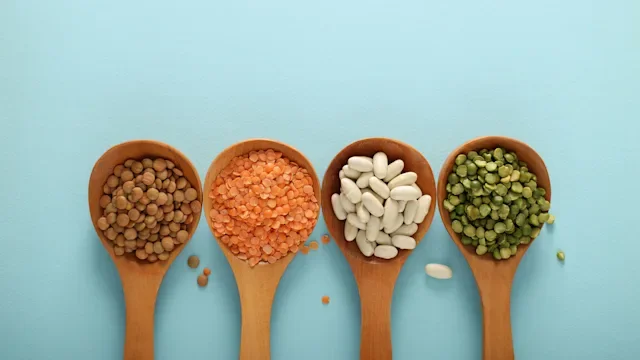
Some examples of foods that lower high cholesterol include:
Lentils and beans like black, pinto, kidney, and white beans
Whole grains and whole-grain oats are especially helpful in lowering LDL
Fruits and vegetables help to lower total cholesterol and LDL
Fish that contain omega-3 fatty acids, like salmon, herring, and trout
There’s no quick fix to high cholesterol. When it comes to diet and exercise, it usually takes several weeks to months of consistent changes to reduce bad cholesterol. Medications — like a statin — may start to work a little bit quicker. But it’ll likely be several weeks before there’s a significant change.
High cholesterol doesn’t directly cause high blood pressure, but the two conditions are closely related. High cholesterol causes the arteries to accumulate plaque and stiffen. This makes it harder for the heart to pump blood through the arteries, which impacts blood pressure. So, both high cholesterol and high blood pressure are major contributors to heart disease. And many risk factors that increase high cholesterol also increase blood pressure.
Some examples of foods that lower high cholesterol include:
Lentils and beans like black, pinto, kidney, and white beans
Whole grains and whole-grain oats are especially helpful in lowering LDL
Fruits and vegetables help to lower total cholesterol and LDL
Fish that contain omega-3 fatty acids, like salmon, herring, and trout
The bottom line
Your total cholesterol level isn’t as important as the balance between good and bad cholesterol. To keep a healthy balance of low-density lipoprotein (LDL), high-density lipoprotein (HDL), and triglycerides, limit foods that are high in saturated fats and sugar. Instead, choose foods that are higher in fiber and healthy fats. Whenever possible, avoid things that are highly processed. And eat more foods that come from plants.

Why trust our experts?



References
American Heart Association. (2020). Cooking to lower cholesterol.
Dehghan, M., et al. (2018). Association of dairy intake with cardiovascular disease and mortality in 21 countries from five continents (PURE): A prospective cohort study. The Lancet.
DiNicolantonio, J. J., et al. (2016). The evidence for saturated fat and for sugar related to coronary heart disease. Progress in Cardiovascular Disease.
Hollænder, P. L. B., et al. (2015). Whole-grain and blood lipid changes in apparently healthy adults: A systematic review and meta-analysis of randomized controlled studies. American Journal of Clinical Nutrition.
Hooper, L., et al. (2020). Reduction in saturated fat intake for cardiovascular disease. The Cochrane Database of Systematic Reviews.
Kim, S., et al. (2021). Red meat and processed meat consumption and the risk of dyslipidemia in Korean adults: A prospective cohort study based on the health examinees (HEXA) study. Nutrition, Metabolism, and Cardiovascular Diseases.
Lee, Y., et al. (2017). Effects of dark chocolate and almonds on cardiovascular risk factors in overweight and obese individuals: A randomized controlled-feeding trial. Journal of the American Heart Association.
Mellendick, K., et al. (2018). Diets rich in fruits and vegetables are associated with lower cardiovascular disease risk in adolescents. Nutrients.
U.S. Department of Agriculture. (2020). Dietary guidelines for Americans, 2020-2025.
U.S. Food and Drug Administration. (2022). How to understand and use the nutrition facts label.
Yanai, H., et al. (2018). An improvement of cardiovascular risk factors by omega-3 polyunsaturated fatty acids. Journal of Clinical Medical Research.
Zambón, D., et al. (2000). Substituting walnuts for monounsaturated fat improves the serum lipid profile of hypercholesterolemic men and women: A randomized crossover trial. Annals of Internal Medicine.