Key takeaways:
Headaches are common. Most headaches last only a few hours and aren’t a sign of a serious medical condition. But that doesn’t mean they aren’t disruptive and painful.
There are many lifestyle changes and over-the-counter medications that can help you get rid of a headache — and prevent future headaches.
Some nontraditional treatments, like essential oils or acupuncture, have shown promise in alleviating headache symptoms.
Headaches are a common ailment that often come out of nowhere. And they can really disrupt your day or slow you down. But they don’t have to stop you in your tracks. While they can feel severe, most headaches aren’t a sign of anything dangerous.
The good thing is there are many treatments and remedies that can provide relief. Let’s look at some things you can try at home to help get rid of headaches — and ways to prevent them from starting in the first place.
Effective ways to get rid of headaches
When you want to get rid of a headache fast, your first thought might be to reach for medication. Before we review which medications can help, we’ll look at everyday lifestyle changes that can go a long way in treating and preventing headaches.
Hydration
The right amount of water you should drink daily depends on your weight, activity, and overall health. But in general, staying well hydrated can help prevent headaches. Studies show that people who drink more fluids tend to have fewer headaches. When they do get headaches, their symptoms tend to be less severe and get better faster.
Stress reduction
Stress plays a big role in headaches. Here are some techniques you can try to help manage and decrease your stress level:
Progressive muscle relaxation: In this technique, you tighten and then relax specific muscle groups, one at a time. This can help release muscle tension and reduce stress.
Meditation: There are many ways to meditate. Most involve being in a quiet space so you can slow down and focus on your mind and body. In mindfulness, the focus is more on the present moment without judging your thoughts or feelings.
Breathing exercises: Sometimes simply taking slow, deep breaths helps you relax. One method is box breathing. To do this, breathe in for four counts, hold for four counts, exhale for four counts, and then hold for four counts. Repeat this method until you feel calmer.
Exercise
Research shows that regular exercise helps people with headaches. While researchers don’t agree on the best type or amount of exercise, one recent review showed that headaches often got better with exercise. Participants who exercised had fewer and less intense headaches.
One smaller study showed that just 20 to 30 minutes of exercise, 3 times a week, greatly improved headache symptoms. Each participant could decide how hard they wanted to exercise. For example, people could choose to walk or run. Everyone who exercised reported fewer headaches.
Dietary changes
Some foods may lower your risk of headaches, while others may increase it. Foods that may help prevent headaches include:
Seeds and nuts: These are rich in magnesium, which may be especially helpful for people with migraines with aura or menstrual headaches.
Citrus fruits: Fruits like oranges and grapefruit are packed with vitamin C. There’s some evidence that vitamin C can lower the risk of severe headaches or migraines.
Leafy greens: Leafy greens like spinach and kale are another great source of magnesium.
Fatty fish: Fish like salmon, tuna, and mackerel have lots of omega-3 fatty acids. Getting lots of omega-3 fatty acids from your diet can lower how often headaches occur and how severe they feel.
Fiber-rich foods: High-fiber foods, like whole grains, beans, lentils, vegetables, and fruit, may also lower your risk of severe headaches.
For some people, avoiding certain foods is key to preventing headaches. Food triggers won’t be the same for everyone. But common dietary triggers include:
Cheese
Chocolate
Alcohol
Processed meats
MSG (monosodium glutamate)
Gluten
Artificial sweeteners
Caffeine
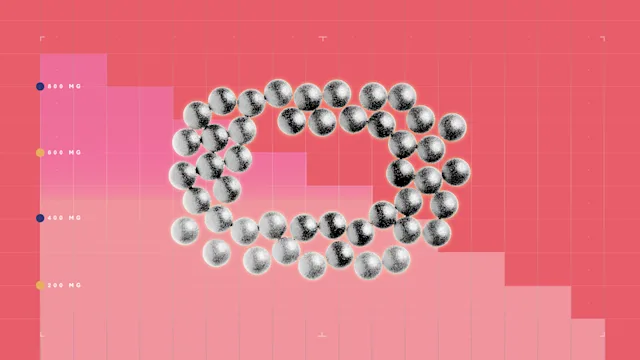
Many people reach for caffeine when they have a headache. There’s caffeine in coffee, tea, soda, and energy drinks. And the data shows that consuming less than 400 mg of caffeine per day may help decrease how often headaches occur. For reference, one 8-oz cup of coffee usually has 95 mg to 165 mg of caffeine.
But it’s important to be consistent. These studies show that people who regularly have caffeine and then suddenly miss a day may get caffeine-withdrawal headaches. And people who consume high doses of caffeine (over 400 mg a day) tend to have more migraines.
Caffeine may help your headaches if you drink it consistently, in small to moderate amounts, around the same time each day.
Sleep hygiene
Sleep can have a big effect on how often you have headaches. And it’s well known that sleep apnea can affect sleep quality and cause headaches — particularly morning headaches. If you’re well rested, you’re less likely to have headaches. In one study, the researchers found that sleep quantity and quality reduced the likelihood of headaches.
Home remedies to relieve headaches
Simple home remedies can also help ease a headache. It may take a little trial and error to figure out what works best for you. Many people find relief with things like:
Cold compress
Warm baths
Head or facial massage
Scalp massage
Dimming the lights
Medications and supplements that help headaches
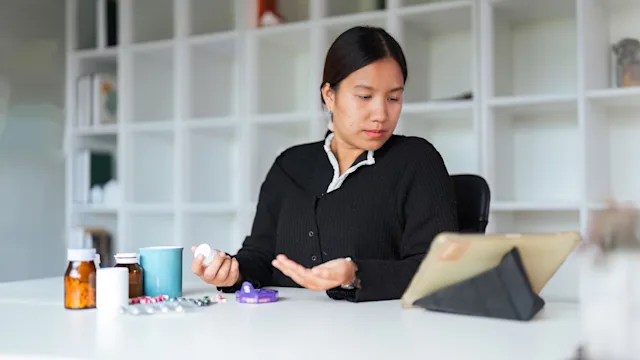
When lifestyle changes aren’t cutting it, there are several over-the-counter (OTC) medications and supplements that may help to treat and prevent headaches.
OTC pain relievers and medications
The following medications can help get rid of a headache after it has started:
Acetaminophen (Tylenol): People often take acetaminophen for pain as well as fever. It can help with headaches on its own, but it seems to work better as a combination with caffeine and aspirin (like in Excedrin).
Ibuprofen (Advil): This is a common treatment for pain and fever. A standard adult dose of 400 mg may help to improve headache symptoms. But it may not fully stop a headache.
Aspirin: This may be one of the oldest pain medications. Even with the discovery of other newer medications, aspirin is still an effective treatment for headaches. A recent research review showed that higher doses (about 1,000 mg) can safely relieve headache pain. Lower daily doses (81 mg or 325 mg) can be an option for preventing headaches.
Supplements
There’s evidence to suggest the following dietary supplements can help reduce how often headaches happen and how severe they feel:
Magnesium: This mineral is in many foods like nuts, wheat, beans, and green vegetables. Some studies show that taking magnesium supplements every day can decrease the number of headaches that people experience. But there are also conflicting studies that show no effect. This may mean it’s only helpful in people who have low magnesium levels.
Vitamin D: Several studies have shown that people with recurrent headaches tend to have lower vitamin D levels. Most of the data shows that vitamin D supplements can decrease the number of headaches people experience.
B vitamins: Studies show that daily supplements of B vitamins can decrease the number of headaches in people who get them often. Headaches may also be less intense and go away more quickly.
Coenzyme Q: This is a nutrient with antioxidant properties. Research shows that people with migraines have lower levels of coenzyme Q. And supplementing with coenzyme Q may help reduce both the number and severity of headaches.
Many of these studies looked at people with severe headaches or migraines. There is less evidence that looks at how well these supplements work for mild or occasional headaches.
Alternative therapies for headaches
Many people want to treat headaches without taking a pill or supplement. There are several alternative treatments that may help improve headache symptoms. While there isn’t strong evidence to prove how well they work, these may be low-risk options to consider.
Essential oils
People use essential oils as homeopathic remedies for various ailments. Studies show the following oils may help with migraine headaches:
Chamomile
Peppermint
Anise
Basil
Rose oils
Most people add a few drops of essential oil to their upper lip or temple area.
Yoga
Multiple studies have looked at whether yoga can help treat headaches. When results from multiple different studies were combined, yoga was shown to improve headache frequency, duration, and severity. But it’s worth noting they only saw this effect with tension-type headaches, not migraines.
Acupuncture
Acupuncture is a traditional Chinese method of balancing energy within your body. A trained specialist inserts very thin needles into specific spots on your body. It’s not clear why it’s an effective treatment for a wide variety of conditions. But a number of studies have demonstrated that acupuncture helps to treat headaches and migraine symptoms. And when people do it consistently, it decreases how often headaches occur.
Biofeedback
Biofeedback is a technique that uses sensors to measure and track things like muscle tension, heart rate, and breathing patterns. By watching these signals, you can learn how to relax your body and control stress. Over time, this may help lower stress and reduce both the number and severity of headaches.
When to seek medical attention
If you’re trying to get rid of a headache at home and nothing seems to be helping, it’s a good idea to reach out to a medical professional. They can rule out more serious causes of a headache and recommend prescription medications that may help.
Some symptoms need immediate medical attention. Don’t wait for an appointment with your regular healthcare team. Go to the ER for your headache if you’re experiencing any of these symptoms:
A severe headache, especially if it feels like the worst headache of your life
A headache with a sudden onset that goes from 0 to 10 within minutes
Stiff neck or fever
Seizure
Loss of consciousness
Recent trauma
Weakness in your arms or legs
Trouble talking
Confusion or disorientation
Vomiting
While many people with headaches — especially migraines — experience some of the above symptoms, these can also be signs of a more serious medical condition.
Frequently asked questions
You can treat tension headaches by helping your neck and scalp muscles relax. Treatments include OTC medications like ibuprofen or acetaminophen, heating pads or cold packs, massage, meditation, and relaxation exercises. If these don’t help, prescription medications may also help treat tension headaches.
To get rid of a sinus headache quickly, try oral or nasal decongestants, antihistamines, or OTC pain relievers like acetaminophen or ibuprofen. Warm compresses and nasal saline rinse may also help you get better faster.
Everyday headaches in females are sometimes caused by changes in estrogen levels. These changes can happen around periods, ovulation, pregnancy, or perimenopause. Daily headaches in females can also be caused by the same triggers as males, such as stress, muscle tension, dehydration, sleep difficulties, certain foods, and medication overuse.
You can treat tension headaches by helping your neck and scalp muscles relax. Treatments include OTC medications like ibuprofen or acetaminophen, heating pads or cold packs, massage, meditation, and relaxation exercises. If these don’t help, prescription medications may also help treat tension headaches.
To get rid of a sinus headache quickly, try oral or nasal decongestants, antihistamines, or OTC pain relievers like acetaminophen or ibuprofen. Warm compresses and nasal saline rinse may also help you get better faster.
Everyday headaches in females are sometimes caused by changes in estrogen levels. These changes can happen around periods, ovulation, pregnancy, or perimenopause. Daily headaches in females can also be caused by the same triggers as males, such as stress, muscle tension, dehydration, sleep difficulties, certain foods, and medication overuse.
The bottom line
When a headache disrupts your day, it helps to have some treatments ready to stop it early. For some people, this means traditional OTC medications to help with the pain. For others, alternative therapies may also help. If you experience headaches often, combining these treatments with some lifestyle changes can prevent them from happening in the first place.
Not every method will work for every headache, so it may be worth experimenting with a few different ones. You may be pleasantly surprised at which one of these therapies works best for you.

Why trust our experts?




References
Altabakhi, I. W., et. al. (2022). Acetaminophen/aspirin/caffeine. StatPearls.
American Migraine Foundation. (2021). Magnesium and migraine.
American Migraine Foundation. (2022). Migraine home remedies.
Anheyer, D., et. al. (2020). Yoga for treating headaches: A systematic review and meta-analysis. Journal of General Internal Medicine.
Arca, K. N., et. al. (2021). Dehydration and headache. Current Pain and Headache Reports.
Ariyanfar, S., et. al. (2022). Review on headache related to dietary supplements. Current Pain and Headache Reports.
Biglione, B., et. al. (2020). Aspirin in the treatment and prevention of migraine headaches: Possible additional clinical options for primary healthcare providers. The American Journal of Medicine.
Derry, S., et al. (2015). Ibuprofen for acute treatment of episodic tension-type headache in adults. Cochrane Database of Systematic Reviews.
Fernández-de-las-Peñas, C., et al. (2018). Sleep disturbances in tension-type headache and migraine. Therapeutic Advances in Neurological Disorders.
Malik, K., et al. (2025). Advancing patient care with biofeedback. StatPearls.
Martin, V. T., et. al. (2016). Diet and headache: Part 1. Headache.
Machado-Oliveira, L., et. al. (2020). Effects of different exercise intensities on headache: A systematic review. American Journal of Physical Medicine & Rehabilitation.
Millstene, D., et. al. (2017). Complementary and integrative medicine in the management of headaches. The BMJ.
National Center for Complementary and Integrative Health. (2021). Headaches: What you need to know. National Institutes of Health.
National Institute of Neurological Disorders and Stroke. (2025). Headache. National Institutes of Health.
Norelli, S. K., et. al. (2021). Relaxation techniques. StatPearls.
Ny Neurology Associates. (n.d.). 12 common causes of the average headache.
Paudel, P., et al. (2025). Efficacy of biofeedback for migraine: A systematic review and meta-analysis. Complementary Therapies in Medicine.
Peres, M. F. P., et. al. (2018). Non-pharmacological treatment for primary headaches prevention and lifestyle changes in a low-income community of Brazil: A randomized clinical trial. Headache.
Ramsden, C. E., et al. (2021). Dietary alteration of n-3 and n-6 fatty acids for headache reduction in adults with migraine: randomized controlled trial. The BMJ.
Sasannejad, P., et. al. (2012). Lavender essential oil in the treatment of migraine headache: A placebo-controlled clinical trial. European Neurology.
Yuan, R., et. al. (2021). Review of aromatherapy essential oils and their mechanism of action against migraines. Journal of Ethnopharmacology.
Zheng, Y., et al. (2024). Association of dietary vitamin C consumption with severe headache or migraine among adults: a cross-sectional study of NHANES 1999–2004. Frontiers in Nutrition.