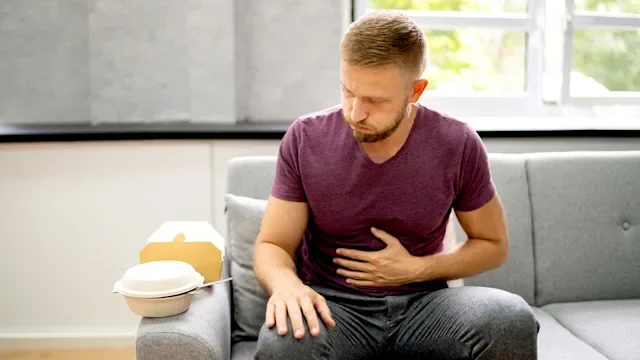
Key takeaways:
It’s normal to feel gassy or bloated sometimes.
Gas and bloating usually come from the foods we eat.
Sometimes, too much gas or bloating can be caused by a medical condition. So, it’s important to talk with your primary care provider if the problem is ongoing.
Everyone feels “gassy” from time to time. For some people, having gas means abdominal pain or bloating. For many others, it means belching (burping) or having flatulence (farting).
These are normal body functions related to the passage of gas through your gastrointestinal (GI) tract. It’s normal to pass gas anywhere from 10 to 20 times a day. But sometimes other factors — or even a medical condition — can cause you to pass excessive gas.
Below, we’ll explore the causes of gas and what you can do to feel less gassy.
What causes gas?
Gas develops when too much air or gas builds up in the gut. This can happen for many reasons like:
Swallowing too much air: Everyone swallows some air while eating and drinking. But you may swallow more when you eat too quickly or drink through a straw.
Chewing gum or sucking on hard candy: These things may help with dry mouth symptoms, but they also cause you to swallow more air. Sugar-free gum and candy can also contain sorbitol, which causes your gut to make more gas during digestion.
Eating foods that produce more gas: Some foods are harder for gut bacteria to break down, creating more gas during digestion. Common culprits include beans and lentils.
Food intolerances: Conditions like lactose intolerance and fructose intolerance keep your body from fully digesting certain sugars. This leads to extra gas buildup in the gut.
Digestive conditions: Several digestive conditions can increase gas or make you more sensitive to normal amounts of gas, including irritable bowel syndrome (IBS), gastroesophageal reflux disease (GERD), and celiac disease.
Constipation: When stool stays in the colon longer than normal, gut bacteria have more time to ferment it and produce gas. Constipation also makes it harder for gas to move through the intestines.
Certain medications: Some medications change the balance of bacteria in the gut or slow digestion, making gas and bloating more likely. Examples include antibiotics, some antidepressants, and calcium channel blockers.
How to relieve gas and bloating
There are several natural, home remedies that can help relieve gas and bloating. Here’s a few to try:
Limit carbonated beverages: This includes soda, beer, carbonated water, and energy drinks. This can reduce the amount of gas in your GI tract.
Try a low-FODMAP diet: FODMAPs can be hard for your gut to digest, leading to gas buildup. Limiting high-FODMAP foods may help reduce gas.
Avoid sorbitol: Swap artificial sweeteners that contain sorbitol for other options. Or try natural sweeteners, like honey and agave.
Change how you eat: Take your time when eating and chew slowly. This can help you swallow less air.
Try over-the-counter (OTC) medications: Some OTC medications may help relieve gas. Popular options include simethicone (Gas-X) and alpha-galactosidase (Beano).
Move your body: There’s some evidence that taking a short walk (10-15 minutes) after eating can help relieve bloating and gas.
Keep a food diary: Try keeping a food diary to help you identify foods that trigger gas and bloating. Talk with your healthcare team if you notice a pattern. They may suggest changes to your diet or testing for conditions like lactose intolerance or celiac disease.
When is gas a sign of a more serious problem?
Sometimes, excess gas can be a sign of a more serious condition that needs medical attention. Examples include:
Gastroparesis: This is a condition where the stomach empties slower than normal. It can make you feel gassy, but can also cause significant nausea and vomiting.
Intestinal obstruction: A blockage in a portion of the bowel is a very serious medical condition that needs emergency attention. Intestinal obstruction can cause significant pain, bloating, and vomiting.
Bloating and gas can sometimes be early signs of other digestive conditions like IBS, celiac disease, or GERD.
Talk with your healthcare team if your gas and bloating:
Don’t get better with home remedies
Get worse over time
Keep you from eating or drinking normally
You should also get care if you notice other concerning symptoms along with gas and bloating like:
Frequently asked questions
Yes, Gas-X (simethicone) can make you fart. It works by bringing the gas bubbles together in your gut. Then, your body must move them, either through burping or farting.
Both of these symptoms are possible after taking Gas-X, as your body removes excess gas from your digestive system.
It’s very common for gas to feel more pronounced at night. This is because by the end of the day, you’ve likely eaten many meals and snacks. The bloating and gas you experience at night is likely due to a combination of things that have happened over the course of the day, such as:
Eating a large dinner
Eating too quickly
Swallowing air
Having difficulty digesting FODMAP foods
Experiencing constipation
The bottom line
Feeling gassy or bloated is very common. What you eat and how you eat may be causing you to feel gassy. Changing your diet and eating habits can go a long way in reducing gas and bloating. If nothing seems to help, it’s a good idea to get medical care.

Why trust our experts?



References
Fedewa, A., et al. (2014). Dietary fructose intolerance, fructan intolerance and FODMAPs. Current Gastroenterology Reports.
Ganiats, T. G., et al. (1994). Does Beano prevent gas? A double-blind crossover study of oral alpha-galactosidase to treat dietary oligosaccharide intolerance. The Journal of Family Practice.
Hasler, W. L. (2006). Gas and bloating. Gastroenterology & Hepatology.
Hosseini-Asl, M. K., et al. (2021). The effect of a short-term physical activity after meals on gastrointestinal symptoms in individuals with functional abdominal bloating: A randomized clinical trial. Gastroenterology and Hepatology from Bed to Bench.
Huebner, E., et al. (2022). Belching, bloating, and flatulence. American College of Gastroenterology.
Pimentel, M. (2010). The treatment of patients with irritable bowel syndrome: Review of the latest data from the 2010 DDW meeting. Gastroenterology & Hepatology.
Tomlin, J., et al. (1991). Investigation of normal flatus production in healthy volunteers. Gut.